Genesis Full Texts by Dr. Kenneth Mathews
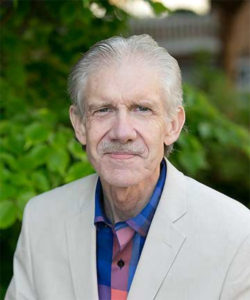
Dr. Kenneth A. Mathews has taught Old Testament at Beeson Divinity School for over 30 years. He has published several books among which are: The Paleo-Hebrew Leviticus Scroll, Leviticus: Holy God, Holy People, Joshua, and 2 vols. on Genesis in the New American Commentary series. He was also a translator for the New Living Translation (NLT).
The above AI Study Guides and AI-Generated Dialogic Podcast Summary were produced using Google’s NotebookLM (an incredible AI tool). The full text transcriptions were produced by Turbo Scribe AI and checked manually with Grammarly. This is just a warning sometimes/seldom AI at this stage has “hallucinations” (i.e. it just makes stuff up). So, listen to the full lecture so you will be able to catch these “hallucinations” when they occur.
Full Text for the Study Guides
Session 1 Video Full Text - In English
Dr. Kenneth A. Mathews, Genesis, Session 1,
Introduction
NotebookLM’s 6-min. Video Overview
Biblicalelearning.org by Ted Hildebrandt
Imagine standing in a barren wilderness 3,400 years ago. You are looking up at a jagged mountain peak, waiting for a set of laws that will define your new nation. For millennia, the first five books of the Bible, the Pentateuch, have served as the bedrock of Israelite law and identity.
But a paradox exists at the start of this legal code. Its opening volume documents events and family lineages that took place centuries before its author, Moses, was born. We know this book by its Greek title, Genesis, meaning origins.
The Hebrew title is its very first word, Bereshit, meaning in the beginning. The text functions as a preamble. It is designed to point towards an ultimate resolution, framing the ancient past for the immediate needs of the Sinai generation.
Understanding the internal structure of Genesis requires reading it through the eyes of those standing at the foot of Mount Sinai in 1450 BC. The book divides into two halves, a universal history of humanity and a patriarchal history. Both rely on a four-part symmetry.
The universal half builds on creation, the garden, the flood, and Babel. The patriarchal half mirrors this with Abraham, Isaac, Jacob, and Joseph. To connect these halves, the author uses a Hebrew literary device called a toledoth, meaning generations or family history.
Appearing 11 times, these structural hinges transition the text between genealogies and broader narratives. This symmetry indicates Genesis was built as a foundation for the theology and law that follow. That foundation is oriented toward a future outcome.
The narrative is driven forward by a series of programmatic blessings. This breakdown of Genesis 1-28 shows the first of these blessings at creation. God establishes a relationship with humanity and provides directives for procreation and terrestrial stewardship.
The garden rebellion fractured that relationship, but Genesis 3-15 promises a deliverer will heal the break, making the text eschatological. To achieve restoration, Genesis 12 repeats blessing five times, directly linking Abraham’s covenant back to the original mandates of Genesis 1. By restricting the narrative focus to a single bloodline, the text establishes the mechanism intended to eventually push restoration outward to the entire world. This timeline shows the internal chronology of the text.
The patriarchal accounts align with the early to middle Bronze Age, which requires us to rewind the clock to between 2200 and 1550 BC. External records from the ancient Near East verify this environment. Bronze Age customs allowed a sunless patriarch to adopt a servant as his heir, a practice Abraham attempts with his servant Eliezer in Genesis 15.
If Moses compiled the Pentateuch in the 1400s BC, he would have required access to cultural details that had been obsolete for centuries. Literacy was common across the ancient Near East, and Moses likely utilized pre-existing written records. Genesis 5-1 explicitly states, this is the written account of the generations of Adam.
Moses acted as a compiler, weaving ancient artifacts and oral histories into a single cohesive prologue. The compilation process continued after the death of Moses. The text underwent editorial updates to remain clear for later generations of Israelites.
The evidence appears in Genesis 36-31. The passage lists a series of Edomite kings, noting that they reigned before any Israelite king reigned. Since there were no Israelite kings during the time of Moses, this phrasing indicates that a later scribe updated the text to clarify the chronology for his own audience.
These editorial layers show that Genesis was a working document used to orient Israel to its own history. This brings us back to the original audience. The newly freed Israelites, standing in the wilderness at Mount Sinai, were receiving the law.
The Hebrew word for that law is Torah. Derived from the root Yara, it translates to instruction. It represents the way of the Lord, an all-encompassing lifestyle, rather than a narrow list of legislative rules.
Genesis fulfills this function through narrative. It shows figures like Abraham modeling that lifestyle, putting the instruction of the Lord into practice. A deliberate parallel exists here.
During creation, the phrase, God said, repeats exactly ten times. To an Israelite receiving the Ten Commandments at Sinai, the implication is clear. The God who spoke the world into existence now speaks to define their nation.
Genesis proves that the God of Israel holds authority over the entire creation, mapping a universal plan of redemption directly onto the history of the Sinai generation.
Session 2 Video Full Text - In English
Dr. Kenneth A. Mathews, Genesis, Session 2,
Creation, Genesis 1:1-2:3
NotebookLM’s 6-min. Video Overview
Biblicalelearning.org by Ted Hildebrandt
Geologic history estimates the Earth is roughly 4.5 billion years old, yet the opening chapter of Genesis sequences the creation of the cosmos into six occurrences of the Hebrew word yom, or day. Reading these as rigid 24-hour solar days immediately collides with the geologic and physical record. However, Genesis 1 does not operate as a modern scientific ledger.
Instead, the author utilizes a highly precise architectural framework to organize the events. To uncover the text’s actual intent, we have to look past the modern timeline debate and examine the structural blueprint. The opening verse states God created the heavens and the earth.
In biblical literature, this is a merism, a figure of speech combining polar opposites to indicate totality. The text begins with the claim that God created everything. Verse 2 then introduces the starting condition of this material.
The earth is described as tohu, meaning formless, and bohu, meaning empty. It is a disorganized mass, incapable of sustaining life. The following six days of creation systematically resolve these two exact problems.
They are carefully sequenced solutions, not random events. The creation account functions as an architectural grid, engineering a chaotic void into an organized, habitable sanctuary. The first three days specifically target the formless problem.
Order is established through the mechanism of separation, drawing distinct boundaries within the chaos. This grid maps the process. On day one, light is separated from darkness, carving out boundaries for time.
Day two separates the atmospheric waters above from the terrestrial waters below, establishing boundaries for weather and climate. Day three separates the dry ground from the gathered seas, defining the physical terrestrial boundaries. Day three also contains a second creation event.
God commands the land to produce vegetation. The newly formed boundary now acts at a mediator, instructed to yield plant life. By the end of the third day, the formless condition is solved.
The grid has established a structured container capable of supporting life. The second half of our grid addresses the second problem, emptiness. Days four, five, and six run exactly parallel to the first three, filling the newly created forms.
On day four, the time boundaries of day one are populated. The sun, moon, and stars are placed to rule the day and night. Day five fills the climate boundaries of day two.
Fish and birds populate the waters below and the sky above. Day six fills the terrestrial boundaries of day three. Land animals and humans are brought in to populate the dry ground.
This parallel symmetry exposes a major textual anomaly. A literal 24-hour solar day requires a sun, but the sun isn’t introduced until day four. The text relies on phenomenological language.
It describes events exactly as they would appear to an observer standing on the earth’s surface, prioritizing visual progression over strict scientific precision. The symmetry of the matrix indicates that the author uses yom as a rhetorical framing device. It organizes the theological points rather than locking the text into a rigid chronology.
This highly ordered grid stood in sharp contrast to the dominant creation myths of the ancient Near East, where creation was viewed as chaotic, violent, and biological. Genesis explicitly rejects the idea of divine self-generation. It denies that the cosmos was born through the physical mating of male and female deities.
It also rejects the chaos comp, the widespread ancient motif where a hero-god must slaughter rival deities of the sea and death to build a universe out of their remains. In the Hebrew text, there is no battle. The Creator faces zero opposition.
He speaks and the turbulent, dark, and deep immediately submit. To an ancient reader, Genesis 1 operates as a meticulous theological takedown of every rival mythology in the region. As the grid reaches its final column on day 6, the text signals a clear departure from the rest of the created order.
God stops narrating the process and speaks directly to humanity. The significance of humanity is encoded in the exact Hebrew phrasing of Genesis 1:27. It begins with God created man, followed by in his own image.
Then the poetry reverses in the image of God. And finally, he created him. In the ancient world, conquering kings erected stone pillars, or stelae, in newly acquired territories.
These pillars bore the king’s carved image, serving as a physical marker of his authority over that land. The Imago Dei functions exactly like those pillars. Humans are designed to be God’s living statues, granted the derived vice-regent authority to govern the earth on his behalf.
Surrounding nations believed only the king was a semi-divine son of the gods. The Hebrew text democratizes this royal authority, assigning it equally to all men and women. Theological personhood is determined by this represented identity.
A human is valuable because they share a unique, authoritative relationship with the Creator that no other part of the architecture possesses. The matrix culminates in a 6 plus 1 structure. Completing the physical world on day 6 sets the stage for the true climax, the Sabbath on day 7. This seventh day breaks the pattern, dropping the evening and morning formula.
The boundary is left open. This omission implies the seventh day continues. It is an unbounded, ongoing spiritual period of rest, celebration, and communion with the Creator.
The physical organization of the container, not the goal. The grid was constructed to issue an open invitation for humanity to enter into God’s presence. The narrative then pivots at Genesis chapter 2, verse 4, signaled by the Hebrew word toledoth, meaning generations or account.
What follows is a complementary, topical zoom-in that focuses exclusively on the events of the sixth day. The text flags this transition with a deliberate reversal. In chapter 1, God created the heavens and earth.
In chapter 2, the focus shifts to the earth and heavens, moving the camera down from the cosmos to the human family. Genesis 1 establishes God as the sovereign author of order out of chaos. By democratizing royal authority to humanity, the text reveals an architectural cosmos meticulously designed for relationship.
Session 3A Video Overview - Full Text
Dr. Kenneth A. Mathews, Genesis, Session 3A,
The Garden Story Part One (Gen 2:4-3:24)
NotebookLM’s 6-min. Video Overview
Biblicalelearning.org by Ted Hildebrandt
Have you ever opened the book of Genesis, started reading, and then thought, wait a minute, right at the very beginning you get a creation story, and then it seems to start all over again with a totally different one? Well, today, we’re going to dive into that fascinating puzzle. So this is the big question, right? Why are there two of them? Genesis chapter 1 gives us this grand sweeping account, and then chapter 2 comes along and seems to hit the reset button, giving us a different sequence of events and a completely different vibe. So what’s the deal? Are they just contradicting each other, or is there something much deeper going on here? Well, a really helpful way to think about this, coming from scholars like Dr. Kenneth Mathews, is that these two accounts aren’t fighting each other at all.
Nope, they’re actually complementary. You can think of it like a filmmaker telling a story. First, they give you the epic wide-angle shot, and then they zoom way in for the intimate close-up.
And this slide just lays it out perfectly. On the left, you’ve got Genesis 1. That’s your wide-angle lens. It’s the grand, cosmic overview of everything being created in 6 days.
Then, on the right, Genesis 2 is the close-up. It zooms in on the most important part of that story, day 6, and gives us a really personal, detailed look at how humanity came to be. So let’s actually put them side by side, because when you see the differences in their style, their language, and their focus, you start to see that they each have a very distinct purpose.
Okay, check this out. In Genesis 1, the setting is the entire universe. The pace is super fast, day after day after day, and the language is really formal and rhythmic.
But in Genesis 2, the world shrinks down to just one garden, the pace slows right down to focus on that one day, and the language becomes much more like a story, very earthy. And notice that last one. The name for God actually changes.
That is a huge clue. Yeah, that difference in God’s name isn’t just a random choice. It’s actually central to understanding what each account is trying to tell us.
Each name reveals a totally different side of God’s character. So, in Genesis 1, the name you see over and over is Elohim. This name paints a picture of God as the all-powerful, majestic, transcendent creator.
This is the God who is so powerful he just has to speak, let there be light, and the entire universe snaps to attention. But then, bam, Genesis 2 hits and we get Yahweh, which is often translated as the Lord God. This is God’s personal covenant name.
It reveals a God who isn’t distant, but who is right here with us, relational, engaging directly with his creation. That shift in name is a signal we’re moving from the cosmic to the personal. And you see that intimacy most clearly in how Genesis 2 describes the creation of humanity.
I mean, it is a complete change of tone from chapter 1. Here, God literally gets his hands dirty. Yeah. The text starts using these really human-like terms to describe God.
He’s not just a far-off commander issuing orders. He’s portrayed as a craftsman, an artisan. First, as a potter shaping clay, and then even as a surgeon performing a very delicate operation.
Let’s look at how it happens. First, Yahweh God forms the man from the dust of the ground, just like a potter with clay. Then, in this incredibly intimate moment, he breathes the breath of life right into the man’s nostrils.
And with that breath, the man becomes a nephesh, a living being, a whole, unified, animated person. And get this, the Hebrew language itself has this amazing little detail built right in. The word for man is adam.
The word for ground is adamah. They sound almost identical. And that’s on purpose.
It’s this constant reminder of where we come from, our deep connection to the earth, and even our fragility. But then the story hits a snag. For the very first time in this whole creation narrative, something is declared not good.
The man is alone. And that one phrase sets the stage for God’s next incredible act of creation. So God performs this surgery, forming the woman from the man’s side.
And when the man sees her, his reaction is just poetry. This is a cry of recognition. He’s basically shouting, finally, someone like me, from me, who corresponds to me.
And, you guessed it, there’s another brilliant bit of wordplay here. The Hebrew word for man is ish. The word for woman is isha.
You can literally hear the connection. It just beautifully shows their profound unity. They belong together.
So what’s the end result of all this intimate, hands-on creation? You get a world of perfect, unbroken harmony. Genesis 2 wraps up by painting this beautiful picture of the world exactly as it was meant to be. And this harmony worked on three different levels.
First, there was perfect harmony between God and humanity. Second, perfect harmony between the man and the woman. They were a team.
And third, a perfect harmony between humanity and the world around them. But right in the heart of this perfect garden, the story places two very specific trees. And they weren’t just for looks.
They were deeply symbolic. They represented a fundamental choice that humanity was going to have to make. On one hand, you had the tree of life, which represented the gift of living forever, sustained by God’s presence.
And on the other, you had the tree of the knowledge of good and evil. This one represented wisdom, but it came with a clear warning from God. It was really a choice.
Trust God’s wisdom, or try to seize that wisdom for themselves. So when you put it all together, you can see these stories aren’t clashing at all, right? They’re two essential views of the same reality. Genesis 1 gives us the powerful creator Elohim with a grand cosmic plan.
And Genesis 2 gives us the personal God Yahweh, who wants an intimate relationship with the people he lovingly crafted with his own two hands. And so we’re left with this picture of a world in perfect harmony. A world designed for humanity to thrive with God right there.
Which leads to one giant, obvious question. What on earth could possibly go so wrong?
Session 3B Video Full Text - In English
Dr. Kenneth A. Mathews, Genesis, Session 3B,
The Garden Story Part 1 (Gen. 2:4-3:24)
NotebookLM’s 6-min. Video Overview
Biblicalelearning.org by Ted Hildebrandt
Welcome to The Explainer. Today, we’re going to break down one of the most influential stories ever told, the story of the Garden of Eden. But we’re looking at it as more than just a story.
We’re treating it as a theological explanation for what’s described as a world-altering cosmic trauma. Okay, so here’s our game plan. We’re going to start by looking at the perfect harmony of the garden.
Then we’ll get into the moment everything was disrupted. And finally, we’ll unpack the massive, long-lasting consequences that followed. Let’s dive in.
First up, we really need to get a picture of what this world was like before everything went wrong. It was a world built on a really unique kind of relationship. Now, this is a really important idea the source material lays out.
The foundation of that first human relationship wasn’t some kind of business contract. It was a covenant. Think of it less like a transaction and more like a deep, all-in bond of commitment, surrender, and love.
You know, it’s that idea of leaving and cleaving. And this one line, wow, it just perfectly nails the vibe at the start of the story. You have complete openness, total vulnerability, and absolutely zero shame.
It’s this picture of pure innocence, and it sets a crucial baseline for just how dramatic the shift is that’s about to happen. But then we turn the page to chapter three and everything changes. A brand new, totally unexpected character shows up in the garden, and he’s about to alter the entire course of human history.
So this obviously raises a huge question. Who is this serpent, right? I mean, a talking snake just shows up and starts a deep philosophical conversation. The text itself is kind of direct, but the theology behind it goes way, way deeper.
Yeah, so the source material is really clear on this. This is not just some random animal. It’s presented as an actual evil being.
But, and this is a critical point, it’s a created being. It’s not an equal rival to God, but more of a subordinate force that has set itself against God’s purpose. For centuries, both Jewish and Christian traditions have interpreted this character as a physical stand-in for Satan himself, an enemy of everyone.
And to really get a handle on just how huge this event is supposed to be, think about it like this. We all have these before and after moments in history, right? Like for a generation, there was a world before Pearl Harbor and a world after. For us, there’s a pre-9/11 and a post-9/11 world.
Well, the fall is presented as the ultimate cosmic trauma, the event that created the fundamental divide for all of humanity between a pre-fall and a post-fall world. Okay, so how did the serpent actually pull this off? It wasn’t a head-on attack. No, it was something way more subtle, way more cunning.
It was all about twisting God’s own words. So check this out. This is the serpent’s first move, and it is brilliant.
God’s command actually starts with incredible generosity. Hey, you can eat from any tree you want, but the serpent just flips it on its head. It reframes that generosity as total restriction, asking, did God really say you can’t eat from any tree? It’s just a masterful little psychological trick that plants this tiny seed of doubt by twisting the entire meaning.
And then after planting that seed of doubt, the serpent just goes for it. No more subtlety. God gave a crystal clear warning: do this, and you will surely die.
The serpent’s comeback, a flat-out lie, the exact opposite. You will surely not die. This isn’t just a trick anymore.
This is an open challenge to God’s reality. And here’s the thing you’ve got to understand. This act of disobedience, it wasn’t just about breaking a rule.
No, it was a complete total inversion of the way the world was designed to work. It turned everything upside down. So in the beginning, the way things were set up was super clear, right? You’ve got God at the top, the ultimate authority.
Then you have humanity, man and woman who were created to kind of rule as his representatives. And then at the bottom, you have the animal kingdom, which includes the serpent, which is meant to be ruled by humanity. It’s a very clear structure.
But after the fall, the whole thing gets flipped completely upside down. It’s a total reversal. Now the serpent is at the top, calling the shots.
The woman listens to the serpent. The man follows the woman, and God’s command is pushed all the way to the bottom. It’s ignored.
The entire created hierarchy is just shattered. And this, this massive flip-flop had consequences that, according to this theology, ripple all the way down through history. It’s a concept known as original sin.
So what exactly is original sin? It’s a tricky concept, but here’s the core idea. It’s not just about the first sin that was ever committed. It’s about the result of that sin, this broken, corrupted nature that theologically became humanity’s inheritance.
So the idea isn’t just that humans committed a sin. It’s that they became sinners by nature. And that broken nature is the source from which all our individual sins now come.
So fast forward to the New Testament, and the apostle Paul comes along and frames this whole thing in a really powerful way. He basically uses the idea of a representative. On one hand, you have Adam who acted as the representative for all of us.
His one act of disobedience, his one no, brought condemnation and death to everyone. But then on the other hand, Paul presents Christ as a new representative. His one act of obedience, his yes, opens up a totally new path, a path to justification, which means being made right with God, and a path to a whole new kind of life.
And that brings us to our final thought. It’s kind of a heavy one, but it’s important. If this whole narrative is true, if we are all born outside the garden, living in this post-fall reality, what does that actually mean for us right here, right now? How does that idea shape how we see the world, how we see our own struggles, and maybe even how we understand who we really are?
Session 4 Video Full Text - In English
Dr. Kenneth A. Mathews, Genesis, Session 4,
The Garden Story, Part 2 (Gen. 2:4-3:24)
NotebookLM’s 6-min. Video Overview
Biblicalelearning.org by Ted Hildebrandt
Welcome to The Explainer. Today, we’re going to look past a story many of us think we know pretty well and uncover a really profound theological argument that happens right at the dawn of humanity. It’s one that completely shapes how we understand sin and redemption.
So let’s just dive right in with this one verse from Genesis 3. It has been the source of just endless debate about the relationship between men and women. For centuries, a lot of people have read this and thought, okay, that’s it. It’s a divine command for male authority.
But is that really what the text is saying? You know, to really get this passage, we have to understand a crucial distinction that theologian Kenneth Matthews pointed out. The things God says here aren’t prescriptive commands. They’re not like the Ten Commandments of thou shalt.
No, they’re descriptive oracles of judgment. God isn’t setting up a new ideal. He’s describing the tragic broken consequences that now exist in a world that’s been fractured by sin.
And what’s amazing is the text kind of gives us its own decoder ring. If you look at the exact same Hebrew words for desire and rule, they pop up just one chapter later. God warns Cain that sin desires to have him.
It wants to control him, but he must rule over it. This parallel is absolutely the key to unlocking what’s happening between the man and the woman. So when you see that, it becomes crystal clear.
This isn’t about a God-ordained hierarchy. It’s describing a tragic new reality, a painful power struggle. The desire is a desire to control, and the rule is the counter move to dominate.
The judgment is a diagnosis of the conflict that has now invaded the home. And it’s a far cry from the unity God originally intended. But even in this really dark moment of judgment, there is this profound hope.
I mean, notice what God actually curses. He curses the serpent, and he curses the ground, but he never, ever curses the man or the woman. This is huge.
It implies they’re redeemable, that God’s plan to bless humanity isn’t over, not by a long shot. Okay, so this leads us to an even bigger question about who we are at our core. If humanity is now fallen, what in the world happened to that foundational idea from Genesis 1 that we are made in the image of God? Was it just completely lost, wiped out? Well, the answer you see echoed throughout the rest of the Bible is a clear and really emphatic no.
The image was stained for sure. It was fractured and deeply damaged, but it was not erased. Even after the fall, humanity is still talked about as being made in God’s likeness.
And here’s the key distinction. We kept the image of God. That’s our fundamental personhood, our inherent dignity.
That stayed, but we forfeited the glory and honor that we were crowned with. We lost our royal status, that job of exercising righteous rule over creation. You see this idea reflected so beautifully in the Psalms.
The psalmist is looking at creation, and he’s just in awe, describing humanity’s intended royal status. He says we were crowned with glory and honor, which is a direct callback to the authority God gave us in the garden. That’s what was lost.
And the loss of this crown, while it sets up the central drama for the entire rest of the biblical story, what was broken couldn’t be fixed by us. An outside rescue mission was now desperately needed to get back what we had forfeited. So let’s jump way forward into the New Testament.
The writer of Hebrews picks up this exact theme, even quoting directly from Psalm 8. He says, look, we know that right now we don’t see humanity ruling the way we were meant to. But, he says, we do see Jesus. And right there, that’s the resolution.
Jesus, as the perfect human, sometimes called the second Adam, succeeds where the first one failed. Through his perfect obedience, all the way to suffering and death, he regains that lost crown of glory and honor. He restores that royal status for anyone who is united with him.
Okay, but this whole incredible story- creation, fall, redemption- it kind of makes you step back and ask a really basic question. Why? Why would God go to all this trouble? What was the ultimate motivation behind all of this? Well, believe it or not, the text gives us clues right from the very beginning. From the first chapter, you get these hints that God isn’t just a solitary being.
You see it in the plural language: let us make humanity in our image. You see the spirit of God mentioned specifically. And later on, Abraham gets a visit from three people, and one of them is called the Lord.
All these little things point to a plurality within the one God. And this idea of a plurality is the absolute key to understanding God’s motivation. Think about it.
If God is eternally Father, Son, and Holy Spirit, it means that before anything was ever created, love already existed perfectly and completely within God. God didn’t have to create something in order to love. God is love.
So this means creation wasn’t an act of a lonely God who needed something to love. It was the total opposite. It was an outgoing, overflowing expression of the perfect self-giving love that has eternally existed at the core of his being.
The plan for creation, and even the plan for rescue, is just God’s own character put on display for us. And so we’ll end on this thought. Understanding it this way completely reframes the Genesis story, doesn’t it? It’s not just an account of rules and failure.
It’s the beginning of a grand story of rescue. A story that flows not from some arbitrary command, but from the very nature of a loving, relational God who wants to share his own life and his glory with his creation.
Session 5 Video Full Text - In English
Dr. Kenneth Mathews, Genesis, Session 5,
Life Outside the Garden: Cain and Abel (Gen.4:1-26)
NotebookLM’s 6-min. Video Overview
Biblicalelearning.org by Ted Hildebrandt
Alright, let’s dive right into what is arguably the first and most famous family drama in history, the story of Cain and Abel. We’re going to break down this ancient story using the incredible analysis of Dr. Kenneth Mathews to see what it really tells us about worship, jealousy, and where humanity was headed right from the start. And right out of the gate, you’re hit with this massive contradiction, right? You’ve got this moment that’s supposed to be about devotion to God, and somehow it just completely unravels into the first murder.
How does that even happen? That’s the core question we’re tackling today. So first, let’s get the lay of the land. Humanity is no longer in Eden.
They’re starting over. And yeah, there’s a little bit of hope. The family’s growing.
But Dr. Matthews points out that something pretty dark is already taking root. Sin isn’t just sticking around; it’s actually getting worse, ramping up with each new generation. Which brings us to the main event, the offerings.
Now, you’ve probably heard the theory that Cain’s offering got rejected just because it was vegetables and not an animal sacrifice like Abel’s. But when you look closer at the text, you realize something much deeper is going on. It really wasn’t about what they brought, but the heart behind the gift.
Okay, check out the language here, because this is where it gets really interesting. Cain brings some of the fruits of the soil. It’s kind of vague, right? Just some stuff.
But Abel? He brings fat portions from some of the firstborn. In other words, the best of the best. Dr. Matthews argues this shows us exactly what was in their hearts.
Abel gave his absolute best. But Cain? Well, it feels like he was just checking a box, giving the bare minimum. And here’s the linguistic kicker that really seals the deal.
The Hebrew word used for both of their offerings is mincha. Why does that matter? Because it’s the exact same word used later in the book of Leviticus to describe perfectly acceptable grain offerings to God. So the idea that God was just like, nope, no vegetables? Well, it just doesn’t fly.
The problem was something else entirely. And this quote just nails it. The real conflict, the real problem, it didn’t start out in the field.
It started inside of Cain. It was all about his motivation, his inner life, his heart. That’s where things first went wrong.
So how in the world do you get from a rejected offering to a full-blown murder? Let’s trace this out because Cain’s reaction is just as important as the offering itself. You know, when God called him out, Cain had a choice. He could have looked inward, maybe asked why, tried to do better, but he didn’t.
Instead, the text says his face was downcast. He was furious, burning with jealousy. God even warns him that sin is crouching at his door, basically telling him, you can master this.
But he chose not to. He let it master him instead. Now, Dr. Matthews has this fantastic little analogy for what’s going on inside Cain.
He calls it the pizza cutter principle. Think about it. A pizza cutter is an amazing tool for cutting pizza.
It’s what it was designed for. But what happens if you try to use it to, I don’t know, cut bathroom tile? It’s not just going to fail. It’s going to get destroyed.
Our desires are kind of like that. God gives them to us. And when they’re used for their intended purpose within his will, they’re great.
But when we hijack them for our own selfish goals, they become destructive. Cain’s desire for acceptance turned into a weapon because it was fueled by envy, not sincere worship. And then, after the murder, God confronts Cain.
Where is your brother Abel? And Cain fires back with this question that is just echoed through the ages. It’s not a real question, is it? It’s defensive, it’s sarcastic, and it’s a complete attempt to dodge any responsibility. But the answer to his question, from the Bible’s perspective, is a resounding yes.
Of course, you’re your brother’s keeper. In that ancient world, family and community weren’t just nice ideas. They were the very fabric of your existence.
Denying that responsibility was like denying a part of yourself. It was a rejection of your duty to both your family and to God. Okay, so a line has been crossed.
There have to be consequences. But what’s so fascinating here is God’s response. It’s not one note.
It’s this incredible mix of a harsh judgment and a completely surprising act of mercy. A curse and a grace. So let’s look at the curse first.
And wow, is it severe. Cain is the first person in the Bible to be cursed directly by God. The very ground he farms, the source of his flawed offering, is now cursed specifically for him.
He’s kicked out, doomed to be a wanderer. And he’s driven east of Eden, which in Genesis is code for moving farther and farther away from God’s presence. It’s a dark echo of what happened to his parents.
And yet, after all that, after a premeditated murder, God spares his life. Let that sink in. By any law, especially the ones that would come later, the penalty was death.
Period. Instead, God puts a protective mark on Cain so that no one can get revenge on him. It’s this absolutely stunning moment of grace, right in the middle of a terrible judgment.
But the story doesn’t just stop with Cain wandering off. It actually sets up two completely different futures. Two legacies are born from this tragedy, establishing two paths that humanity can take.
If you follow Cain’s family line, that downward spiral of sin just keeps getting worse. It starts with Cain’s violence. A few generations later, his descendant Lamech introduces polygamy, another break from the ideal.
And then it all culminates in this chilling poem called The Song of the Sword, where Lamech actually brags about his brutal, over-the-top vengeance. I mean, listen to this boast from Lamech. He’s heard the story of God protecting Cain, and he twists it into a personal license for insane, unlimited revenge.
He’s not just continuing Cain’s violence. He’s multiplying it, celebrating it. But thank goodness, Cain’s legacy isn’t the only one.
To replace Abel, Eve is given a new son, Seth. And his family line is defined by something totally different. It’s through Seth’s descendants that people begin to call on the name of the Lord.
It represents a turning back, a move toward worship and community with God. And this chart just lays it out perfectly. You’ve got the line of Cain, defined by murder, violence, and moving away from God.
And then you have the line of Seth, defined by worship, righteousness, and moving back toward God’s plan. Two brothers, two legacies, two totally different directions for humanity. So what’s the big point of all this? Well, this story basically gives us a pattern, a blueprint, that we’re going to see over and over again in Genesis.
Step one, sin pops up and threatens God’s whole plan. Step two, God brings a judgment to stop the rebellion from spreading. But, and this is key, step three, God always shows grace and preserves a small group, a remnant, to carry his plan forward.
We see it right here, and we’re definitely going to see it again with Noah and the flood. Which leaves us with one final, pretty heavy question. This ancient story lays out two foundational paths for humanity, one built on envy and self-interest, the other on worship and community.
And it forces us to look at our own lives, all these thousands of years later, and ask, which one of those legacies are we building?
Session 6 Video Full Text - In English
Dr. Kenneth Mathews, Genesis, Session 6,
Sons of God and Daughters of Men (Gen. 5:1-6:8)
NotbookLM’s 6-min. Video Overview
Biblicalelearning.org by Ted Hildebrandt
You know, deep in the book of Genesis, just before you get to the big story of Noah’s flood, there’s one of the Bible’s most puzzling passages. It’s this really short, kind of cryptic story that’s been debated for, well, centuries. And it gives a pretty startling reason for why the ancient world had to be judged.
So let’s dive into this thing. And it all kicks off with this one verse. Super provocative.
The sons of God saw that the daughters of men were beautiful. This whole encounter, this marriage, it’s presented as the final straw, the tipping point for humanity that led to a judgment that would change the world forever. Okay, so that immediately makes you ask, right? Who exactly were these sons of God? And for that matter, who were the daughters of men? Are we talking about divine beings, angels stepping out of their heavenly home? Or was this a conflict that was happening entirely between humans? The answer to that is the key to the whole thing.
Now to figure this mystery out, we can’t just look at that one verse all by itself. No way. The real key is in the chapters right before it.
See, Genesis chapters four and five totally set the stage by introducing us to two profoundly different family lines, each one heading down its own path, its own destiny. So on one hand, you’ve got the line of Cain, which the story connects with this downward spiral into violence and rebellion. But then on the other hand, there’s the line of Seth, who was Adam and Eve’s third son, and his family line is presented as a line of hope, a community that began to call upon the name of the Lord.
So right away, you see humanity splitting, one group moving away from God and the other trying to move toward him. And if you look inside this hopeful family line of Seth, you find some really remarkable people. You’ve got Enoch, a guy so righteous, he walked with God and was just taken away, never even died.
Then there’s Lamech, who named his son Noah, which sounds a lot like the Hebrew word for comfort, because he was hoping his son would bring some relief to the world. And of course that brings us to Noah himself, the man who would end up finding favor in God’s eyes. And hey, speaking of remarkable, there’s Methuselah, Enoch’s son, who famously lived for an absolutely incredible 969 years.
These gigantic lifespans are a huge feature of this whole pre-flood time, and they tell their own fascinating story. Okay, now take a look at what this chart is showing us. You can see this dramatic plunge in how long people lived right after the flood.
Theologians often see this as a physical sign of a deteriorating world, like the consequences of all that corruption were literally affecting people’s bodies. Those long lives before the flood were like a memory of a world that was just closer to how it was originally meant to be. All right, so with all that critical backstory, you know, the two family lines, we can finally get back to the main question.
Who were the sons of God? Over the centuries, two big theories have really stood out, and we’re going to dig into the evidence for both of them. But hang on, before we dive into who they were, let’s be super clear on what the problem was. Because no matter which theory you go with, the central sin here is about crossing a sacred boundary.
A line that was meant to keep things separate got erased, and that single act is what let all the chaos and corruption loose on the world. So the first theory, and this one’s been around forever, is the fallen angel view. This idea suggests that the sons of God were literally divine beings.
Angels who just abandoned their proper place up in the heavens came down to earth and took human wives purely out of lust. So where’s the proof for this? Well, the biggest argument comes straight from the Bible itself. The specific Hebrew phrase used right here, b’nei ha’elohim, shows up in other places in the Old Testament, like in the book of Job, and there it clearly means angels.
And what’s more, the language- the part about them seeing that the women were good or beautiful- that sounds like a very deliberate callback to Eve seeing that the forbidden fruit was good back in the garden. Okay, theory number two. This one keeps the whole drama right here on earth.
It’s called the Sethite view. It argues that the sons of God were actually the men from that righteous family line of Seth we were just talking about. And the daughters of men? They were women from the corrupt line of Cain, or maybe just any women who weren’t part of their godly community.
Now, the evidence for this view? It really leans on the context we just covered, those two competing family lines. So the sin wasn’t some cosmic event; it was a spiritual one. It was the godly line completely abandoning their sacred mission and just blending in with the violent godless culture all around them.
And another big point for this view is that God’s judgment is aimed entirely at humans. I will wipe mankind from the face of the earth. And there’s zero mention of any punishment for angels.
Okay, so as if this wasn’t confusing enough, there’s another mystery tangled up in all this. The Nephilim. The text says they were on the earth in those days.
And people often just assume they were the giant children of these forbidden marriages. But the text might be hinting at something else. Here’s a really powerful way to think about it.
Instead of a specific race of giants, think of the Nephilim as more of a class of people. They’re the powerful, violent warlords of the age, the Darth Vaders of their time. They were living, breathing symbols of the wickedness that had totally consumed the world.
See, the text says the Nephilim were on the earth in those days, and also afterward. What does that tell us? Well, it kind of suggests they were already around when all this was happening, not that they were born from it. They were the heroes of old, men of renown.
But their fame came from violence and power. They embodied the very evil that God was about to judge. So look, whether we’re talking about fallen angels or fallen people, the biggest question is still just hanging there.
Why is this weird story even in the Bible? Why did the author put this bizarre little passage right here, right before the flood? Well, the answer is all about its purpose in the bigger story. This little passage does something really important. It acts like a bridge in the story.
It is the official explanation for the flood. It moves us from the general problem that humanity was wicked and shows us the specific event, the breaking of these sacred boundaries, that led straight to the ultimate consequence. And that right there is the whole point of the story.
It gives the theological why behind the flood. It paints a picture of a world where the lines between what was holy and what wasn’t, between righteous and corrupt, had been so totally blurred that creation itself was in danger. The only way to save that tiny bit of hope in the godly line was to hit the divine reset button.
So in the end, it doesn’t really matter if the sons of God were angels or men, does it? The core warning is exactly the same. It’s a really powerful story about what happens when sacred boundaries are just ignored, when the lines that are supposed to bring order to the world get intentionally erased. And that kind of leaves us with a final question, Ichuan.
What can this ancient story about broken boundaries tell us about the lines, both visible and invisible, that shape our own world today?
Session 7 Video Full Text - In English
Dr. Kenneth A. Mathews, Genesis, Session 7,
Noah and the Flood, Part 1 (Gen. 6:9-9:29)
NotebookLM’s 6-min. Video Overview
Biblicalelearning.org by Ted Hildebrandt
You know the story of Noah’s ark, right? The big boat, all the animals two by two, the huge flood, the rainbow at the end. We all know it. But what if I told you that hidden inside that familiar story is this profound argument about the very nature of God and our place in the world? So let’s peel back the layers and uncover the meaning you might have missed.
The first thing you’ve got to ask is a pretty simple question. When you look at the book of Genesis, the author spends chapter after chapter on this one event, way more space than they give to the creation of the entire universe. So why? That length isn’t an accident.
It’s like a giant flashing sign from the author telling us, pay attention, this is a really big deal. Right. So the size of the story points to the size of the idea.
The author wasn’t just trying to write down an old story they’d heard. They were trying to make a huge theological point. For the biblical author, the flood was the ultimate case study.
It was the story that perfectly wrapped up the entire worldview they had been building from the very first verse of Genesis. It’s the moment where the relationship between God, people, and the world is put on full display. Okay, so what is that core message? Well, it’s this pattern, this cycle that you see playing out over and over again in the early part of Genesis, from the Garden of Eden all the way up to Noah.
It breaks down into this four-part cycle. First up, God gives a blessing. He wants humanity to flourish and thrive.
But then comes step two, human rebellion. Our own wickedness gets in the way and threatens that blessing. So step three is judgment.
God has to deal with the rebellion. But, and this is absolutely crucial, it always ends with step four, preservation. God in his mercy always saves a remnant to carry on his plan.
And the flood? It’s this cycle blown up to a cosmic scale. The chaos waters are described almost like an uncreation, taking the world back to how it was before creation began. But then, through Noah and his family on the ark, God brings about a merciful recreation.
So what you get is this incredible picture of not just judgment, but also profound hope. Now here’s where it gets really, really interesting. The ancient Israelites weren’t the only people in their world with a story about a massive flood.
Their neighbors in Mesopotamia had their own versions. And when you see how they’re different, that’s when the real meaning of the Genesis story just pops. Okay, but before we compare them, we have to get on the same page about the word myth.
Because for us, myth usually means, you know, a fairy tale, something that isn’t true. But that’s not what it meant back then. Not at all.
A myth was a culture’s foundational story. It was the narrative that explained their whole reality, who they were, what their gods were like, and how their world worked. All right, so you’ve got these two big ones from Mesopotamia.
The Epic of Gilgamesh and the Atrahasis Epic. And yeah, on the surface, they sound kind of similar to the story of Noah. There’s a giant flood, a hero builds a boat, animals get saved.
But why does the flood happen? Oh, it’s a completely different story. And this right here is the absolute heart of the matter. In Genesis, the flood is a moral response to humanity’s evil and violence.
It’s about justice. In the Mesopotamian myths, the gods decide to wipe out humanity because, well, people were being too loud and waking the gods up from their nap. Seriously, they were just annoyed.
It’s not about morality. It’s about the gods’ own petty frustrations. So you see, that difference in motive, it’s not some tiny detail.
It’s everything. It reveals two completely different, and frankly, competing ideas about what God or the gods are actually like. This means the story of Noah’s Ark isn’t just telling a different story.
It’s actively arguing against the other stories out there. The author is making a polemical point. They’re saying, your understanding of the divine, the way you see the world, it’s wrong.
Let me show you what’s true. So let’s really put these worldviews side by side. On one side, you have the god of Genesis, who is motivated by love and justice.
On the other, the gods of the ancient Near East are driven by their own self-interest and whims. In Genesis, the world is created by God’s powerful, authoritative word. In the other myths, it’s often born out of a chaotic, violent conflict between the gods.
And this all leads to the biggest difference of all. In Genesis, God creates for humanity’s good. In the other stories, humanity is basically created to be slaves for the gods, there to do their bidding and meet their needs.
Which, believe it or not, brings us all the way back to the Ark itself. Because the actual design of this boat is maybe the most powerful symbol of this whole unique Genesis worldview. First off, this thing was huge.
We’re talking about one and a half football fields long. Just massive. But here’s the kicker.
It wasn’t a ship designed to go anywhere. It was basically a giant box built to do one thing and one thing only: float and survive the storm. And then you get this one tiny, powerful line in the text.
After Noah has everyone and everything loaded up, the Bible says, then the Lord shut him in. The final act of making them safe didn’t come from Noah; it came from God. Just let that sink in for a second.
There was no sail. There was no rudder. Noah was not the captain of this ship.
He had zero control. The survival of everyone and everything on board depended completely on the providential care of God to see them through the storm. So you see, if the flood is this great uncreation, then the Ark is this little floating seed of a new creation.
It’s this powerful symbol that, even when judgment feels overwhelming, our preservation and our hope for a new beginning are ultimately in the hands of a God who acts out of love and justice, not annoyance. The story is a reminder that it’s not just about weathering a storm. It’s about who, ultimately, is in charge of the ship.
Session 8 Video Full Text - In English
Dr. Kenneth A. Mathews, Genesis, Session 8,
Noah and the Flood, Part Two (Gen. 6:9-9:29)
NotebookLM’s 6-min. Video Overview
Biblicalelearning.org by Ted Hildebrandt
Welcome to the Explainer. So we all know the story of Noah’s Ark, right? The massive flood, the animals, two by two. But today we’re focusing on the part that often gets skipped: what happened after the boat landed.
We’re going to lean on the analysis of biblical scholar Dr. Kenneth Matthews to break down the promises, the problems, and the pretty shocking family drama that went down on a freshly rebooted earth. Let’s get into it. So picture this: the flood is over, humanity gets the ultimate do-over, a totally clean slate.
You think everything will be perfect from here on out, right? Well, as we’re about to see, wiping the world clean doesn’t automatically fix the one little flaw that caused the whole disaster in the first place. Okay, so first thing Noah does when he steps on dry land, he builds an altar. It’s this powerful moment of worship and just relief for being saved.
And God’s response to this is a truly monumental decision, one that’s shaped the future of this new world. Now the reason God gives for making this promise is what’s absolutely fascinating. It’s this incredible moment where God kind of takes a step back and acknowledges that, you know, a global flood as a solution has its limits.
So here’s the heart of the issue. The flood washed away all the wicked people, but it didn’t wash away wickedness itself. And Dr. Matthews points out that this phrase, every inclination of his heart is evil, is the exact same reason God gave for starting the flood in the first place.
The core bug in the human operating system is still there. As the reformer John Calvin famously said, without God’s new promise, a flood might be necessary every single day. Right, so since hitting the reset button with a flood isn’t the long-term plan, God pivots.
He decides to set up a formal binding agreement, what the Bible calls a covenant, that’s going to lay out the new rules for this new era. And this covenant comes with some new terms and conditions for life on earth. First, humanity is told again to be fruitful and multiply, just like Adam was.
But some things are very, very different. Animals are now going to have a natural fear of people, and the human diet gets a major upgrade. Meat is officially on the menu.
But with great power comes great responsibility, so there are new rules too, specifically against consuming blood as a sign of respect for life, and a very strict new law against murder. And this gets to the absolute core of why murder is such a big deal. The reason isn’t about someone’s social status, or how much money they have, or where they come from.
It’s grounded in this deep theological idea. Every single human being is made in the image of God. So to murder a person isn’t just an attack on them; it’s an attack on God’s own reflection in the world.
It’s the highest possible offense. You know, something Dr. Matthews points out is that if you read this section closely, you see God using the word I over and over again. I establish.
I promise. This isn’t a two-way negotiation. It’s a one-sided, rock-solid promise, from God to Noah, to all of his descendants, which, hey, that includes us, and even to every living creature on earth.
It’s totally universal and unconditional. So what’s the sign of this unbreakable promise? A bow in the clouds. But here’s the cool part.
The original Hebrew word isn’t for a rainbow; it’s for a weapon. A battle bow. Now, scholars see this in a couple of ways.
One view is that God, the divine warrior, has literally hung up his weapon, signaling that the fight is over. The other view is that he’s put his weapon on display like a war trophy, a sign of his victory over all the violence. But either way you slice it, the message is the same.
The war against humanity is over. Okay, so God has promised to keep the natural world stable, but the human world? Well, that same old sin problem comes roaring back with shocking speed, and it happens right inside the tent of the most righteous man on earth. And the story starts with a serious case of deja vu.
Noah is described as a man of the soil. Sound familiar? That’s the exact same phrase used for Adam. He’s a farmer, working the ground.
And just like with Adam, a plant, this time the fruit of the vine, is about to be at the center of a brand new human failure. So here’s the scene. Noah has a little too much wine from his new vineyard, gets drunk, and passes out naked in his tent.
It’s a moment of total human vulnerability. Then, his son Ham walks in, sees him, and instead of helping, he goes outside to gossip about it to his brothers, Shem and Japhet. But they have a completely different reaction.
They grab a cloak, walk into the tent backward so they don’t see their father’s shame, and gently cover him up. Now, to us, this might just sound like some really awkward family drama, but you got to understand, in the ancient world, this was a massive deal. Dr. Matthews explains that Ham’s sin wasn’t just seeing his father; it was his response.
By going out and publicly shaming him, he was violating the absolute core principle of honoring your parents, which was seen as a direct attack on the entire family structure and God’s authority. So when Noah wakes up and finds out what happened, his reaction is swift, and it is severe. But the way he directs it is, well, it’s something that has puzzled people for centuries.
This is the million-dollar question, isn’t it? Noah doesn’t curse Ham, the guy who actually did the deed. Instead, he curses Canaan, who is Ham’s son, Noah’s own grandson. What is the deal with that? Why does the punishment seem to skip a generation? Okay, so Dr. Matthews offers a really crucial clarification here.
This curse is not about creating some kind of predetermined racial destiny, not at all. It’s better to think of it as a prophetic warning, based on a kind of like-father, like-son principle. The curse on Canaan acts as a moral map for the future Israelites, warning them about the kind of moral corruption they would later encounter in the Canaanite culture.
It’s a commentary on future behavior, not an ethnic sentence. Noah’s words here are actually framed like a prayer, an invocation asking God to set up a certain order in the world. And what comes out of it is a very clear hierarchy.
Shem is put at the top, blessed through the Lord. Japheth is blessed to live in fellowship with Shem. And Canaan, who represents Ham’s line, is put in the position of a servant to his brothers.
This basically lays the political and social groundwork for all the family struggles that are going to dominate the rest of the book of Genesis. So when you step back and you look at this whole post-flood drama, this powerful recurring theme just slaps you in the face. The global reboot didn’t work.
Why? Because the problem was never the world. The bug was inside of humanity all along. And the parallels are just, they’re undeniable.
Dr. Matthews frames Noah as a new Adam. Think about it. Both are called a man of the soil.
Adam’s fall involved a plant, the tree of knowledge. Noah’s fall involved a plant, the vine. Adam’s fall led to jealousy and murder between his sons.
Noah’s fall led to shame and rivalry between his. It’s the same story, different chapter, proving that even a worldwide flood couldn’t change human nature. Then the chapter just wraps up by telling us that Noah lived to be 950 years old, and then he died.
Now this isn’t just a random piece of trivia. Dr. Matthews points out that this little phrase, and then he died, is the exact formula used to end each entry in the family tree back in Genesis 5. It’s a clever literary trick that structurally sandwiches this entire epic flood story right inside humanity’s ongoing family history. And that leaves us with the really profound takeaway from this whole story.
Noah’s family drama doesn’t end with a nice tidy solution. It ends with a deeply unsettling question. If a global flood and a divine promise couldn’t fix the brokenness in the human heart, what possibly could? And it’s that question that sets the stage for the entire rest of the biblical story, the search for a very different kind of rescue.
Session 9 Video Full Text - In English
Dr. Kenneth A. Mathews, Genesis, Session 9,
The Nations and the Tower of Babel (Gen. 10:1-11:26)
NotebookLM’s 6-min. Video Overview
Biblicalelearning.org by Ted Hildebrandt
Have you ever read a story that just felt… backward? Well, tucked away in the book of Genesis, there are two really famous accounts: a giant family tree and the Tower of Babel. And they’ve formed this amazing literary puzzle. So today, let’s solve it.
The entire mystery really boils down to this one question. We get the result, you know, humanity scattered all over the world speaking different languages, before we get the story that explains why it all happened. It’s like reading the final chapter of a mystery novel first, and you gotta believe this was done on purpose.
Alright, so let’s dive right into this confusing arrangement. The way these chapters are put together is completely intentional, and it’s the absolute key to unlocking the author’s whole message. So check out this sequence.
In Genesis 10, we get this huge list, what’s called the Table of Nations, already scattered and speaking different languages. But then Genesis 11 starts and, wait a minute, the whole world is in one place speaking the same language. See? The effect is shown before the cause, which forces us to stop and ask, hey, what’s going on here? To make any sense of this, we have to do what the author is nudging us to do.
We’re going to ignore the chapter break for a second and jump straight to the cause of all this chaos, the legendary story of the Tower of Babel. The story kicks off with a major display of human technology. You see, building with baked brick and using tar for mortar, that was high-tech stuff in ancient Mesopotamia.
They weren’t just building something; they were showing off what they could achieve. And their goal was, well, ambitious, to say the least. They wanted to build a tower that reached to the heavens.
Now, this was probably modeled on the huge temple towers they had back then, called ziggurats. But this wasn’t just a skyscraper. It was a monument to their own greatness, an attempt to bridge the gap between earth and heaven, all by themselves.
And this right here is the crucial point: their motivation. They say it out loud, so that we may make a name for ourselves. This is all about collective human pride.
Plus, they wanted to stay together in one place, which was in direct defiance of God’s earlier command to humanity to be fruitful and fill the earth. And I just love this. The author uses this brilliant piece of literary irony to kind of poke fun at them.
They’re so proud of this massive tower, reaching for the sky. But from God’s perspective, it’s so tiny and insignificant that the text says he has to come down just to get a good look at it. It’s such a powerful way to show the gap between human pride and divine reality.
And this illustrates the outcome perfectly. The name of the city, Babel, is actually a wordplay. In Hebrew, it sounds just like the word balal, which means to confuse.
So the city’s name literally means confusion. And what’s interesting is that God’s judgment isn’t total destruction. It’s actually a kind of grace, scattering them through different languages to save them from their own self-destructive pride.
Okay, so now that we get the why from Genesis 11, we can finally go back to Genesis 10 and see it for what it really is. It’s basically a map of the world after the fallout from Babel. Genesis 10 lists exactly 70 nations.
Now, in the ancient world, numbers had symbolic meaning. And 70, as a multiple of 7, almost always represented completeness or wholeness. So this isn’t just a random number.
It’s a symbolic way of saying this list represents all of humanity, now scattered according to God’s plan. And for the ancient Israelites reading this, this chapter was way more than a geography lesson. It was a moral map.
It explained the origins of all their neighbors and even their enemies, all framed by the blessings and curses that Noah had given his sons. It showed how God’s command to fill the earth was being fulfilled, even if it happened because of human rebellion. But that still leaves one more little piece of the puzzle.
If Genesis 10 already listed all the families, including the descendants of Shem, why does Genesis 11 turn around and repeat his family line all over again? Well, the author is using two different kinds of genealogies. Think of it like a camera lens. The list in Genesis 10 is the wide-angle lens.
It gives you this big branching picture of all humanity spreading out. But the list at the end of Genesis 11, that’s the zoom lens. It zeroes in and follows one single direct line from Shem all the way down to a man named Abraham.
And this is where the whole thing just clicks into place. All of this setup creates this amazing narrative arc that actually stretches across the entire Bible, starting with this ancient story of scattering and pointing to a future moment of incredible gathering. You see, the scattering at Babel, which was born from human pride trying to build its way up to heaven, finds its perfect reversal in the New Testament story of Pentecost.
At Pentecost, heaven comes down to humanity. And instead of languages being confused to scatter people, languages are miraculously understood to bring people together into a new kind of community. And what’s so cool is the list of nations who were there at Pentecost.
You’ve got Medes, Elamites from Mesopotamia, Egyptians, Romans, Arabs. Many of these are the direct descendants of the very people groups listed way back in Genesis 10. It’s this beautiful, deliberate connection that ties the whole narrative together.
So ultimately, by arranging these stories out of order, the author of Genesis delivered a powerful message about two types of unity. One is built on human ambition, and it only leads to confusion. But there’s another kind of unity possible.
One that doesn’t erase our diverse cultures and languages, but actually transcends them through understanding. And that leaves us with a pretty important question to think about. What kind of foundations are we building on today?
Session 10 Video Full Text - In English
Dr. Kenneth Mathews, Genesis, Session 10,
Abraham’s Calling and Promises of God (Gen. 11:27-12:3)
NotebookLM’s 6-min. Video Overview
Biblicalelearning.org by Ted Hildebrandt
All right, welcome to The Explainer. Today, we’re digging into a story that starts with just one man leaving his home, but somehow ends up shaping the history and faith of literally billions of people. We’re talking about the call of Abraham, a moment that completely flips the script on the entire biblical narrative.
So for the first 11 chapters, the book of Genesis is this sweeping, epic story. You’ve got creation, the flood, the Tower of Babel, it’s huge. Then all of a sudden, the camera just zooms way, way in.
The story stops talking about all of humanity and focuses intensely on one guy and his family. The big question is, why? Why the sudden shift? You can really see the difference here. The first part of Genesis is just a sprint through universal history, the origins of the world, all its peoples.
But then you hit chapter 12 and the narrative slams on the brakes. We go from this super wide-angle view to a slow, detailed, personal focus on one family story: Abraham, his son Isaac, and his grandson Jacob. Now, this sharp turn isn’t random at all.
The story has just spent all this time describing a world that’s fractured, full of brokenness and curses. So Abraham’s story is presented as the remedy, the beginning of a very specific long-term plan to heal that broken world. And it all kicks off with this really direct and, let’s be honest, incredibly demanding command.
A man named Abram is told to just leave everything he knows, his country, his people, his entire family support system, and just go. This isn’t just about moving. It’s the first step in a plan that’s going to unfold over generations.
At the very heart of this call is this powerful three-part promise. And really, this promise drives the rest of the entire biblical story. First, God promises a specific land.
Second, countless offspring. And third, a blessing so huge it would eventually reach the entire world. Land, offspring, and blessing.
Remember those three, because they’re woven into everything that comes next. But there’s a huge, immediate problem. A single word that sets up this central conflict for this whole story.
Barren. Abraham’s wife can’t have children. I mean, just think about that for a second.
The promise of a great nation and countless descendants was given to an old man whose wife, Sarai, was barren. This is the core conflict, right? You’ve got this divine promise colliding head-on with human impossibility. It makes Abraham’s journey a test of faith from the very first step.
So Abraham’s journey isn’t some straight line to success. Not at all. His life is shown as more of a school of training in faith.
You know, full of ups and downs, successes, and some pretty big failures. It’s through this messy process that he learns to trust God. Not just in theory, but through actual lived experience.
And this is so key to how the story frames faith. It’s not a blind leap in the dark. It’s defined as confidence.
A confidence that’s built through experience, through learning that the one who made the promise is trustworthy, even when the circumstances look completely impossible. Okay, so this whole training in faith idea, it’s framed by two really dramatic bookends. To get the full scope of his journey, we have to look at how it begins and then how it climaxes.
The first bookend is that command we’ve already seen. Abraham is called to leave everything that is familiar and secure. His culture, his relatives, his entire support system.
Just walk away from it all. In essence, God asked for his past. He had to give up the security of his home, the comfort of his family, and any inheritance he might have been expecting.
He had to put his trust completely in God’s promise for the future. Then, years later- decades later- we get to the second bookend. After all that waiting, Abraham and Sarah miraculously have their son, Isaac.
And it’s right here that Abraham faces the most gut-wrenching command you can possibly imagine. So, after asking for his past, now God asked for his future. He was commanded to sacrifice the very child, the one son through whom all the promises, the land, the nation, the global blessing, were supposed to come true.
This was it. The ultimate test. The question hanging over this whole insane moment is, was Abraham’s faith in the gifts he was promised, or was it in the giver of those gifts? Would he trust the giver, even if it meant giving up the gift itself? But wait, there’s another layer to this story that’s pretty amazing.
The author uses this subtle numerical pattern to show how this new beginning is designed to reverse everything that came before it. And the key number here is five. So, check this out.
In the first 11 chapters of Genesis, there are exactly five major curses mentioned. Now, you look at the call of Abraham, and the word bless, or blessing, appears exactly five times. This is no coincidence.
It’s a deliberate literary move. The five-fold blessing is designed as a direct answer, a direct counterpunch to the five-fold curse that came before. So, the crucial takeaway here is that this isn’t just one man’s personal story.
The call of Abraham is framed as the beginning of a master plan to reverse the curse, to heal creation, and to bring blessing back to all the nations of the earth. It all started with one man’s journey of faith, trusting a promise that seemed totally impossible. And yet, that single journey set in motion a story of blessing that still shapes the identity and hope of billions of people today.
It kind of leaves us with a question, right? In a world that often feels pretty broken, how does this ancient promise of a remedy still echo?
Session 11 Video Full Text - In English
Dr. Kenneth A. Mathews, Genesis, Session 11,
Abraham’s Journeys (Gen. 12:4-14:24)
NotebookLM’s 6-min. Video Overview
Biblicalelearning.org by Ted Hildebrandt
You know, it’s funny how a physical journey can sometimes be a perfect metaphor for a spiritual one. For the patriarch Abraham, his trek across the ancient world, well, it wasn’t just about getting from point A to point B. Nope. It was basically a living, breathing map of his faith, charting all the incredible highs and, yeah, some pretty human lows.
So, let’s really dig into that question because it’s going to be the frame for this whole explainer. As we follow Abraham’s literal footsteps on a map, we’re also going to be tracking the ups and downs of his trust in a promise that, let’s be honest, seemed totally impossible. So, what you’ve got to get is that we’re basically on two journeys at once here.
One is geographical, right? Moving from what’s now Turkey down into Canaan. But the other one? That’s spiritual. It’s a journey from a simple call to this deep, tested faith.
Let’s see how those two lines connect. All right, so our story kicks off in a place called Haran, and you’ve got Abraham. That’s what he was called back then.
He’s 75 years old. I mean, think about that. That’s way past the age most people are thinking about starting a new life, and right then and there, he gets this absolutely staggering, life-changing command from God, along with a set of promises, and these promises, they are just audacious.
I mean, let’s break it down. Number one, a whole land he’s never even laid eyes on. Number two, a great nation coming from his own family.
And number three, that somehow, through him, every single person on earth would be blessed. This is the bedrock for the entire story. And here is where we hit the first massive roadblock.
God promises a great nation, which, you know, implies a lot of kids. But the reality? The hard fact on the ground? His wife, Sarai, was barren. She couldn’t have children.
So right from the get-go, this entire story is built on believing in something that looks completely impossible. So, what does Abram do? In this just incredible act of obedience, he packs up and leaves. That’s it.
He walks away from his country, his people, his entire life, to trek 400 miles into a place he’s never been with nothing but a promise to guide him. And what he does when he first gets there, well, it tells you everything you need to know. He doesn’t build a wall or a fortress to protect himself in this new kind of hostile land.
No, he builds altars. First in a place called Shechem, then again near Bethel, he just publicly worships. You see this pattern forming, and it shows this really strong, immediate faith.
He’s not staking his claim with weapons. He’s doing it with worship. Okay, so he’s got this strong faith going, right? But it’s about to hit its first major test.
A famine. A really bad one. A serious threat to just surviving.
And Abram, he makes a faithful choice. He decides to leave the promised land and head down to Egypt, which was basically the breadbasket of the ancient world. And boy, do things go south fast.
This trip to Egypt turns into a total spiritual nosedive. Fear just completely takes over. He’s terrified that some ruler is going to kill him just to take his wife, Sarai, who is apparently very beautiful.
So he cooks up this desperate plan. Yeah, this is not the same guy who is building altars. This is a man running for his life.
And let’s be clear, this wasn’t some 4D chess move. The text says it was pure fear. That’s it.
He lies. He tells Pharaoh that Sarai is his sister. And in that one moment, the entire promise of a great nation, the whole covenant, is hanging by a thread.
And we really need to understand how high the stakes were here. I mean, when Pharaoh takes Sarai into his harem, the whole promised family line is at risk. If she gets pregnant, who’s the father? That one lie born out of fear could have completely torpedoed God’s plan before it even got off the ground.
He only gets out of this mess because God steps in, and even then he gets kicked out of Egypt in total shame. So a humbled Abram, who’s also now kind of rich from Pharaoh’s parting gifts, retraces his steps. He goes right back to the promised land, right back to that altar he built.
But a new test is waiting. And this time it’s not a famine. This time the trouble is coming from inside his own family.
So pretty soon his crew and his nephew Lot’s crew start fighting over resources. And this is where you see this amazing contrast in character. Abram, who’s learned his lesson, graciously tells his younger nephew Lot, hey, you pick first.
Take whatever land you want. And what does Lot do? He immediately looks out for number one and grabs the best land for himself, the lush green plains of the Jordan. You know, the Apostle Paul actually calls greed a form of idolatry, and that is exactly what’s happening here.
Lot’s choice is all about him. He’s basically making an idol out of his own prosperity, totally forgetting where it all comes from. And it’s no accident he chooses the land that looks a lot like Egypt, the very place his uncle just failed so spectacularly.
And what happens right after Abram does this generous, faith-filled thing? Boom, God shows up and reaffirms the whole promise. He tells Abram, walk through this land; it’s all yours, and promises him descendants as countless as the dust on the ground. See that? Abram’s generosity is immediately met with God’s reassurance.
Okay, this next chapter is where things get really interesting. This is where Abram goes from being just a rich nomad to a major player on the international stage. It’s a real climax, and it shows you just how far he’s come since that disastrous trip to Egypt.
So here’s the setup. Lot gets himself captured. Abram puts together a team, pulls off this daring rescue mission, and comes home victorious.
And on the way back, two kings come out to meet him, and each one offers him a choice. A choice that is going to define who he is for everyone to see. And the choice couldn’t be more black and white.
On one side, you have this mysterious figure, Melchizedek. He’s the priest-king of Salem, which we think is ancient Jerusalem. He brings out bread and wine and gives Abram a blessing from God Most High.
Then, on the other side, you have the king of Sodom, and he offers Abram all the loot, all the spoils of war. It’s a classic choice: spiritual blessing or worldly riches. So Abram accepts the blessing from Melchizedek, and even gives him a tenth of everything as an act of worship.
But to the king of Sodom, he delivers this killer line. He says, no thanks. I won’t even take a shoelace from you.
Why? Because he wants to make it crystal clear that no man can ever say, I’m the one who made Abram rich. Only God gets the credit. And that moment just perfectly captures his transformation.
I mean, just think about it for a second. The guy who was so scared he lied about his wife in Egypt is now a decisive military leader. He’s standing toe-to-toe with kings, and he’s turning down a fortune, all because he’s trying to be faithful to God.
What a change. Really, this big choice becomes his ultimate statement of faith. He’s come completely full circle.
He’s not relying on his own little schemes anymore, and he’s definitely not relying on the handouts of pagan kings. His trust is now fully and publicly in God and God alone. So, for now at least, Abram’s journey from fear back to faith is complete.
That choice he made to honor Melchizedek really cements his legacy. But it also drops this huge mystery right into the middle of the story, a question that people would be asking for centuries. Who was this righteous priest-king of Salem, and what on earth is his significance?
Session 12 Video Full Text - In English
Dr. Kenneth Mathews, Genesis, Session 12,
The Covenant Ceremony and Sign, Part 1 (Gen 15:1-17:27)
NotebookLM’s 6-min. Video Overview
Biblicalelearning.org by Ted Hildebrandt
Today, we’re diving into a story that starts on an ancient battlefield. We’re talking thousands of years ago, and it involves a victorious warrior, a mysterious king, and a promise so powerful it would literally shape the world we live in today. So let’s set the scene.
You’ve got the patriarch Abraham, and he is fresh off this massive military victory. I mean, he just rescued his nephew, Lot, from a whole coalition of powerful kings. As he’s coming back, two very different local rulers come out to meet him.
And the choice he makes right here between these two, well, it changes everything. In this moment, it really boils down to what you might call a tale of two kings. It presents Abraham with a choice between two totally different paths, two ways of looking at his victory, and really his entire future.
Okay, so on one side, you’ve got the king of Sodom. He offers a classic worldly deal. Hey, you keep all the goods, just give me my people back.
It’s purely transactional, right? But Abraham refuses. He’s determined that no one will ever be able to say, I made Abraham rich. He’s trusting in a completely different source.
And that source is represented by the other king, the king of Salem, who doesn’t offer a deal at all. He offers a divine blessing. And this brings us to this incredibly fascinating figure, the king of Salem.
His name is Melchizedek, and he just kind of appears out of nowhere in this story. But wow, his impact is absolutely immense. So who was this guy? Well, we know he’s the king of Salem, which is very likely the ancient city of Jerusalem, but he’s also called a priest of God Most High.
Now that’s super interesting because the official priesthood of Israel won’t even exist for centuries. And get this, his name, Melchizedek, literally means king of righteousness, and his city, Salem, gives us the word shalom or peace. But here’s the most mysterious part.
He shows up with no family tree, no father, no mother, no recorded kids. He just is. And right here, we see just how high Melchizedek’s status is.
Abraham, the hero of the whole story, the father of a nation, pays him a tithe, a tenth of all his spoils from the war. This one action makes it crystal clear. Abraham is acknowledging that Melchizedek represents a higher spiritual authority.
But the story doesn’t stop there, not by a long shot. Centuries later, the writers of the New Testament look back at this one brief meeting, and they see something incredibly profound. They see the foundation for what they call an eternal priesthood.
Now, to really get what they’re talking about, you need to understand this idea of a type and anti-type. Think of it like this. It’s an interpretive lens where an early person or event, that’s the type, is seen as a divinely planned sneak peek of a later, greater fulfillment, the anti-type.
So, the book of Hebrews presents Melchizedek as the perfect type of Christ by comparing his priesthood to the one in Israel. See, the regular Aaronic priesthood was limited by death and by your family tree; their sacrifices had to be made over and over and over. But Melchizedek’s priesthood is presented as eternal, with no recorded beginning or end.
He brings together the roles of priest and king, which were always kept separate in Israel. He becomes the model for a totally different, higher order. Okay, so let’s pivot from Melchizedek and go back to Abraham himself.
Because right after this whole encounter, we get one of the most important foundational statements in the entire Bible. And here it is. God promises Abraham that he’ll have descendants as numerous as the stars in the sky.
And the text just says that Abram believed God. That’s it. And because of that belief, that simple trust, God credited it to him as righteousness.
Now, what that means is he was declared to be in a right standing with God, not because of something he did, but simply because of what he believed. But here’s the kicker. The really crucial question is, when did this all happen? Because the timing of this declaration is the absolute key to unlocking a massive theological argument that’s made centuries down the road.
Check out this timeline. Abraham is declared righteous in Genesis chapter 15. But the physical sign of that covenant, circumcision, that doesn’t show up until two chapters later.
And the formal law of Moses wouldn’t be given for hundreds of years. This exact sequence is what the apostle Paul latches onto in his letter to the Romans. His whole argument is that righteousness has always been based on faith, because Abraham himself was declared righteous long before any laws or rituals were ever put in place.
Okay, so if the promise is all based on faith, how is it sealed? How is it guaranteed? Well, this leads us to one of the absolute strangest and most powerful ceremonies in the entire ancient world. To prove to Abraham that this promise was completely unbreakable, God tells him to prepare for a special kind of covenant ceremony. But trust me, it is not like anything you’d imagine.
So first, Abraham takes several animals, cuts them in half, and arranges the pieces to create this bloody pathway. This was actually a known practice for the most serious ancient treaties. But then, things get really weird.
Abraham is put into a deep supernatural sleep. He becomes just a spectator. And then, a smoking fire pot and a blazing torch, which are symbols of God’s holy presence, pass between the animal pieces, all by themselves.
You see, in a normal ancient treaty, both people making the deal would walk down that path together. It was basically a self-imposed curse. They were saying, if I break my end of this bargain, may I be cut in two just like these animals.
It was the ultimate guarantee. But in this ceremony, how many parties walked that path? Just one. And this is the mind-blowing part of the whole story.
Since only God passed between the pieces, God was taking the entire burden of the oath on himself. He was essentially saying, if this promise is ever broken, let the curse fall on me. This completely changes it from a two-sided contract into a one-sided unconditional promise.
Its fulfillment depended entirely on God’s faithfulness, not on Abraham’s ability to keep up his end of the deal. All Abraham had to do was believe it. So, this ancient story leaves us with a really deep question to chew on.
What is faith, really? Is it a human action? Something we have to work up and achieve? Or is it simply our response to a divine promise, one that has already been made, sealed, and guaranteed by God himself?
Session 13 Video Full Text - In English
Dr. Kenneth A. Mathews, Genesis, Session 13,
The Covenant Ceremony and Sign Part 2 (Gen. 15:1-17:27)
NotebookLM’s 6-min. Video Overview
Biblicalelearning.org by Ted Hildebrandt
Welcome to The Explainer. So today, we’re jumping into a huge story. It’s all about faith, a whole lot of doubt, and a promise from God that, well, it seemed completely impossible to fulfill.
So let’s get right into it. We’re going to tackle this question by looking at a really foundational story from Genesis, chapters 16 and 17. And it’s all about this classic clash, right? Human plans versus what feels like super slow divine timing.
Alright, so our story kicks off with a massive problem. A divine promise is basically hanging by a thread. See, God had promised that a whole nation would come from Abraham.
But what do you do when the one thing you absolutely need for that to happen, an heir, is the one thing you just don’t have? And this timeline, man, it really shows you the pressure cooker they were in. We’re talking 10 long years since they got to the promised land of Canaan. Think about it.
Abraham is 85. Sarah is 75. The promised kid? Nowhere in sight.
I mean, the biological clock isn’t just ticking at this point. It feels like it’s completely broken. So you’ve got this huge crisis of faith.
What do they do? Do they just wait? Nope. They decide, okay, we’ve got to take matters into our own hands. They come up with a plan that, you know, was totally acceptable back then.
But it definitely wasn’t what God had in mind. So here’s the plan. Sarah comes up with this idea, which was pretty common for the time.
She says Abraham should have a child with her Egyptian servant, Hagar. And the way the custom worked, that baby would legally be considered Sarah’s heir. On paper, it seems like a logical, practical fix for an impossible situation, right? And this next part, this one short sentence, is so, so important.
It shows this wasn’t just Sarah’s plan. It was a joint decision. You can just feel the shared desperation and that nagging doubt that maybe, just maybe, God wasn’t actually going to come through.
Okay, now get this, because this is where the story gets really interesting. The specific words used here create this kind of chilling echo. Remember way back in the Garden of Eden, how Eve took and gave the fruit to Adam? Well, the text here uses that exact same language.
It’s like a big flashing sign pointing to that same old human tendency to doubt God and try to do things our own way. And surprise, surprise, the brilliant human plan, it doesn’t just fail. It backfires, like immediately.
The whole household just explodes with conflict. Hagar gets pregnant and starts looking down on Sarah. Sarah, feeling completely despised, lashes out and mistreats Hagar so badly that Hagar has no choice but to run away, pregnant and all alone, out into the desert.
But right here, in the middle of all this human failure and suffering, the story takes this incredible, unexpected turn. And it shows us something amazing about God’s character, his mercy, especially for people who are pushed to the edges. So the story says an angel of the Lord finds Hagar out there in the wilderness.
And what happens? Is she punished? No. Instead, she gets rescued and a promise. The angel tells her that her descendants will become a great nation, too many to even count.
I mean, does that sound familiar? It’s almost the exact same promise God gave to Abraham. And this is so key. God doesn’t just save her.
He sees her pain. He tells her to name her son Ishmael, which literally means God hears. So the name itself is this permanent reminder that God hears and pays attention to the suffering of everyone, even an Egyptian servant who was an outcast.
And Hagar’s response to this is just wow. She does something pretty amazing. She gives God a new name, El Roi.
It means the God who sees me. And this isn’t just some fancy title. It’s a deeply personal statement from someone who felt invisible, who in her absolute worst moment realized she was seen.
OK, so let’s fast forward. Thirteen years have gone by. Abraham is now 99 and his son Ishmael is a teenager.
And then out of the blue, God shows up again. But he doesn’t just hand over the promised son. First, he comes to take his relationship with Abraham to a whole new level.
God introduces himself with a new name, El Shaddai, which we often translate as God Almighty. And this name is all about his incredible power, the kind of power it takes to do something that seems totally impossible, like, you know, giving a baby to a 99-year-old guy and his 90-year-old wife. And then God does something else.
He changes Abraham’s name. His old name meant exalted father, which, let’s be honest, must have felt like a cruel joke for all those years. But his new name, Abraham, means father of many nations.
It’s like God is literally writing the promise into his very identity, talking about it like it’s already a done deal. Then God just hammers home the covenant with this series of I will statements. You can see the pattern, right? I will do this.
I will do that. From confirming the covenant to making nations and kings come from him. It’s all about one thing.
This promise is going to happen because of what God will do, not because of anything Abraham can pull off. All right. So to seal the deal on this everlasting covenant, God lays out two final things: a physical sign to mark his people and, at long last, a specific name for the son they’ve been waiting for.
The sign, it’s circumcision. And this isn’t just some random thing. Think about it.
It’s a permanent physical mark right on the organ of procreation. It directly ties the covenant to the one thing that’s been the source of all the drama in this story, the promise of a child. And then God just drops the bombshell.
He tells Abraham, this time next year, you, at a hundred years old, will have a son with Sarah who’s 90. And Abraham’s reaction, it’s not some big moment of perfect faith. He literally falls on his face and laughs, but here’s the beautiful part.
God takes that very human moment of doubt, that laughter, and weaves it right into the promise. He tells Abraham Name him Isaac, which means he laughs. So the name itself will always remember the doubt and skepticism of his parents, but it also points to the absolute joy that this impossible baby is going to bring.
So what does this all mean? I think this story shows us that the journey of faith isn’t some perfect straight line. It’s well, it’s messy. It’s about stumbling, cooking up desperate plans, and having serious doubts.
And then being rescued over and over again by a God who sees you, who hears you, and who stays faithful even when you’re not.
Session 14 Video Full Text - In English
Dr. Kenneth A. Mathews, Genesis, Session 14,
Sodom and Gomorrah (Gen. 18-19)
NoteboolLM’s 6-min. Video Overview
Biblicalelearning.org by Ted Hildebrandt
Today, we’re diving into one of the most intense and, honestly, misunderstood stories in the book of Genesis—the destruction of Sodom. Now, this is an ancient account of divine judgment, for sure, but it’s also so much more. It’s really a story about a man who dared to bargain with God.
And using the analysis of Dr. Kenneth Matthews, we’re going to break down how this incredible confrontation unfolds. I mean, really think about this question for a second. At the very heart of this story is this truly astonishing moment where a mortal man, Abraham, stands face-to-face with God and negotiates for the lives of total strangers.
This question right here. It sets up the central conflict we’re about to explore. But before we get to the fire and brimstone, it’s so important to understand what this story is really all about.
As Dr. Matthews points out, it’s this profound lesson on three key themes—the sacred importance of hospitality, the incredible power of interceding for other people, and, maybe most importantly, the intricate balance between God’s justice and his mercy. All right, so our story kicks off not in some big city, but out under the trees of memory. Abraham is just resting in the heat of the day, and then, suddenly, three mysterious men just appear.
This sets in motion a crucial—and I mean crucial—test of character. Right away, the narrative sets up this huge contrast between two men. Check this out.
Abraham, in the scorching heat of the day, literally runs to welcome his guests. That’s a massive sign of honor. But then you have his nephew, Lot.
We find him later just sitting passively in the city gate of Sodom, which was the center of commerce and politics. This tiny detail suggests Lot isn’t just living near wickedness. He’s actually become part of its very structure.
So who exactly are these three men? Well, the text reveals that one of them is the Lord himself, Yahweh, and the other two are angels. This is what’s known as a theophany. It’s basically a temporary, visible appearance of God in human form.
It’s not a permanent thing, like the incarnation of Jesus Christ, but a direct, physical manifestation for a very specific purpose. So these visitors, they’re on a two-part mission. And the first part is deeply personal.
They come to Abraham and Sarah’s tent to deliver a promise that, on its face, seems completely and utterly impossible. So Sarah overhears this promise of a son, and she just laughs to herself. But it’s not a laugh of joy, you know; it’s a laugh of pure disbelief.
Her inner thought, which we see right here, shows that all she can see are the physical impossibilities of her situation. She’s old; Abraham’s old; it’s just not going to happen. And this is the Lord’s powerful response.
It’s a gentle rebuke, for sure, but it’s also the absolute central point of this whole first encounter. It shifts the entire focus away from human limitations and puts it squarely on divine capability. The impossible, it turns out, only seems that way from where we’re standing.
This moment is a total game-changer in their relationship. God decides to treat Abraham not just as a servant, but as a confidant, a friend. And by revealing his plan to destroy Sodom, he’s teaching Abraham about his own character, what the text calls the way of the Lord, which is all about righteousness and justice.
And this new confidence, this friendship, is what leads to one of the most dramatic dialogues in the entire Bible. Now that Abraham has been brought into God’s inner circle, he uses that position not for himself, but to plead for the lives of other people. This is Abraham’s opening line, and it is incredibly bold.
He appeals directly to God’s own character, basically challenging the judge of all the earth to do the right thing. It’s a question that comes from this deep compassion for any innocent people who might get caught in the crossfire. So the negotiation begins.
Abraham starts with what seems like a pretty reasonable number, 50. If there are just 50 good people in the whole city, will God spare everyone? And the Lord agrees. But Abraham doesn’t stop.
He keeps going. Respectfully, humbly, but he keeps pushing. What about 45? What about 30? 20? And each time, God says yes.
Finally, Abraham gets to his absolute bottom line: 10. If just 10 righteous people can be found, the city will be spared. The tension here is just unbelievable.
And this part brilliantly illustrates a key insight from Dr. Matthews. See, Abraham only sees two possibilities. Either option A, destroy everybody, the wicked and the righteous, or option B, spare everybody for the sake of the righteous.
But God is operating with a third option that Abraham can’t even see yet, a plan that perfectly combines justice and mercy by rescuing the innocent while still holding the wicked accountable. Okay, so now the scene shifts. The two angels arrive in Sodom to investigate for themselves if the outcry against the city is really true.
And what do they find? Well, it confirms the absolute worst. A mob of men from the city surrounds Lot’s house, and they’re demanding he bring out his visitors so they can know them. Now it’s really important to understand this term.
Just like back in Genesis 4, where it says Adam knew his wife Eve, this is a euphemism for sexual relations. The mob’s intent here is violent; it’s hostile, and it’s a total violation of the sacred laws of hospitality. The situation just explodes.
The mob refuses to leave and starts trying to break down the door. And in this flash of divine power, the angels just intervene. They pull Lot inside and strike the men outside with a kind of supernatural blindness, leaving them just floundering around, completely helpless.
At this point, the city’s wickedness is undeniable. So the investigation is complete, the verdict is in, and now the final phase of the mission begins. It’s a desperate race against time, because judgment is about to fall.
But Lot’s reaction here is so fascinating. Even with a violent mob at his door, and a direct warning from angels, he hesitates. He is so invested in his life in Sodom, his home, his status, his stuff, that he actually can’t bring himself to leave.
The angels have to physically grab his hand and drag his family out of the city in this incredible act of what you could almost call forced mercy. The command is clear, it’s urgent, and it’s absolute. Their physical survival depends on it.
But the instruction also has this deeper, spiritual meaning. They have to completely and totally reject the condemned life that they are leaving behind. And then comes the tragic, iconic moment.
Lot’s wife, just unable to let go of her old life, disobeys. She looks back. And in that one moment of longing for a condemned world, she becomes part of the desolate landscape.
It’s this permanent monument to the danger of having a divided heart. In the aftermath, smoke just rises from the plane like smoke from a furnace. The judgment is complete.
But the story doesn’t end there. It leaves us with these powerful lessons that just echo through time. So what are the key takeaways from this whole intense story? Well, Dr. Matthew’s analysis really points to three big ideas.
First, God actually desires a real, personal relationship with people, treating Abraham like a friend. Second, Abraham becomes our model for intercession, using his position to plead on behalf of others. And third, we see that divine action isn’t just a simple choice, but that incredible third option that perfectly weaves together justice and mercy.
In the end, the entire narrative, this whole epic story, really hangs on this one powerful question. It’s a question of faith, of trust, and of the very character of God. And the story of Sodom is the dramatic answer, showing us that even in the middle of terrifying judgment, the judge of all the earth always acts with perfect, if sometimes mysterious, righteousness.
Session 15 Video Full Text - In English
Dr. Kenneth A. Mathews, Genesis, Session 15,
The Promised Son and the Test of Faith (Gen. 20:1-25:18)
NotebookLM’s 6-min. Video Overview
Biblicalelearning.org by Ted Hildebrandt
So we’ve arrived at the final chapters of Abraham’s story, and wow, is it a dramatic conclusion. This is where it all comes together, the fulfillment of a promise that was decades in the making, and get this, one of the most intense tests of faith you’ll find anywhere. And right away, this story makes you ask a pretty uncomfortable question.
What if our greatest heroes are, well, deeply flawed? I think we often want our heroes to be perfect, right? But the biblical narrative gives us something way more raw and honestly way more real. It gives us people who are complex, people who stumble, and whose faith is literally forged in the fire of their own mistakes. And Abraham, he is Exhibit A. And we see this flaw pop up almost immediately as we get into these final chapters.
You’d think after everything he’s been through, Abraham would have learned his lesson by now. But nope, in a moment of pure fear, he makes the exact same staggering mistake he’s made before. Okay, so he gets to this Philistine city, Gerar, and what does he do? He gets scared for his life, so he lies to the king, Abimelech, and says his wife, Sarah, is just his sister.
Again, the source material points out that this wasn’t just a one-off slip-up. It was a recurring pattern for him. And this is so important because it reminds us that these figures aren’t these perfect cardboard heroes.
They’re real people with real fears, just like us. And this is where the story throws this huge, ironic curveball at you. After the whole lie gets exposed, Abraham, the guy who was still waiting for God to fulfill the promise of his own son, prays for King Abimelech’s household so that they can have children again.
I mean, think about that. He’s acting as a source of blessing for others right in the middle of his own long, long wait. But that long wait, that unfulfilled promise, is about to change everything.
This next chapter brings the laughter of a promise finally fulfilled, but it also brings the heartbreak of a family being torn apart. After a quarter of a century, the moment is here. I mean, just look at this timeline.
It really puts the wait into perspective, doesn’t it? 25 years, a whole generation passed between the original promise and Isaac’s birth. They even tried to take matters into their own hands with Ishmael, but God’s plan had its own schedule, and it was a slow one. Abraham is a hundred years old, and Sarah is 90, when this miracle baby finally shows up.
So it makes perfect sense that they name him Isaac, which means he laughs. It’s a name that came from their own disbelief. Remember Sarah laughing at the idea? But now it’s a name of pure joy.
But you know, not everyone in the house was laughing. The birth of this promised son created a really deep and, frankly, dangerous crack in the family. Here’s what happens.
At a big feast for Isaac, Sarah catches his older half-brother Ishmael mocking him. Now, the Hebrew word used here is actually a play on Isaac’s own name, laughter. But you might think, oh, it’s just sibling rivalry, kids being kids.
Not according to the source material. This was seen as persecution. It was a genuine threat to the heir of the promise.
For Sarah, this wasn’t a game. It was a life-and-death issue for the future of God’s entire covenant. And so the family splits right down the middle.
But what’s really important to see here is that God doesn’t just abandon Ishmael. Both sons have a destiny. Isaac is the one-of-a-kind son of the covenant, who will marry within his own people.
But God also tells Abraham that Ishmael, who ends up marrying an Egyptian, will also become a great nation. They’re on two very different but divinely overseen paths. And just when you think the promise is secure, just when the laughter has finally filled the house, Abraham is faced with the ultimate test, the binding of Isaac.
And it starts with a command from God that is just so shocking, it’s hard to even wrap your mind around it. God says, take your son, your only son Isaac, whom you love, and go. Sacrifice him there.
Just listen to that language. The repetition is intentional. He’s not just a son.
He’s the only one, the beloved one, the son that every single one of God’s promises rests upon. And the command is to sacrifice him. For three days, three agonizing days, Abraham travels with Isaac toward Mount Moriah.
Can you even imagine the silence, the weight of that journey? Every single step bringing him closer to doing this impossible thing, a choice that seemed to make God’s command go to war with God’s own promise. This moment is so critical in Jewish tradition that it has its own name, the Akedah. It’s a Hebrew word that literally means the binding.
It’s a single word that captures this entire earth-shattering moment when Abraham binds his son on that altar. So what was the point of all this? Was God trying to find out if Abraham was faithful? No, not at all. And the all-knowing God already knew what was in Abraham’s heart.
The test wasn’t for God; it was for Abraham. It was his chance to discover for himself the true depth of his own faith, to put that faith into action when everything was on the line. When you boil it all down, the test comes down to this one massive question.
Do you love the gift, this long-awaited miracle son, more than you love the giver of that gift? Abraham had to decide who he trusted, who he loved, most of all. And we actually get this little clue about his decision before he even climbs the mountain. He tells his servants, stay here; we will go worship, and then we will come back to you.
Did you catch that? Plural. We. Later on, the book of Hebrews explains this meant Abraham believed so strongly in God’s promise that he figured if he had to go through with it, God could and would just raise Isaac from the dead.
I mean, that is just staggering faith. So after passing this unbelievable test, Abraham spends his final years focused on securing the legacy he was promised. He shifts from this moment of intense faith to the practical, tangible acts of ensuring the future.
And he does two really crucial things. First, after Sarah passes away, he buys the cave of Machpelah. Now, this is way more than just a burial plot.
It’s his first legal claim to the land, like a physical down payment on the promise that his family would one day possess all of it. And second, he makes sure the lineage stays pure. He sends a servant on a huge journey to find a wife for Isaac from back home, from his own people, not from the local Canaanite tribes.
And then at the age of 175, Abraham’s incredible journey comes to an end. And in this really poignant, touching moment of reconciliation, his two sons, the rivals, Isaac and Ishmael, they actually come together to bury their father, bringing that fractured family full circle, at least for a moment, to honor him. You know, earlier in his life, Abraham had built an altar and called on the name of the Lord, El Olam.
It means the eternal God. And that name just perfectly sums up his entire journey, doesn’t it? He learned through decades of waiting and testing to trust a God who exists outside of time, which means his promises are just as eternal, just as unbreakable as he is. So in the end, Abraham’s story shows us that faith isn’t just something you have.
It’s a dynamic trust that gets tested, stretched, and ultimately proven in the hardest moments of life. It leaves all of us with a question to chew on, really. What does it actually mean for faith to be proven? And what are the tests in our lives that reveal what we really believe?
Session 16 Video Full Text - In English
Dr. Kenneth A. Mathews, Genesis, Session 16,
Isaac’s Family Struggles (Gen. 25:19-27:40)
NotebookLM’s 6-min. Video Overview
Biblicalelearning.org by Ted Hildebrandt
Welcome to the Explainer. Today we are jumping into one of the most intense, most talked-about family rivalries in ancient literature, the story of Jacob and Esau. It’s just a raw tale of ambition, jealousy, deception, and, well, a divine plan that unfolds in the absolute messiest way possible.
And really, the whole thing kicks off with a question we can all relate to at least a little bit. What happens when family rivalry goes too far? As we’re about to see, the answer here is, it gets pretty destructive. You know, if you want to understand Jacob’s entire life in one word, that word is struggle.
Centuries later, the prophet Hosea put it perfectly. Jacob struggled with his brother from the moment he was born, and believe it or not, he would eventually go on to struggle with God himself. So let’s set the stage.
We’re going to start not with the two brothers, but with their father Isaac. Now a lot of people see Isaac as just this transitional figure, you know, the link between his famous dad Abraham and his even more famous sons. But in this story, he is right at the center of a family that’s about to be completely torn apart.
So Isaac’s wife Rebekah, she’s barren for 20 long years. Finally, Isaac prays, and she conceives twins. But this is not some peaceful, happy pregnancy, oh no.
The two children fight so violently inside her that she’s literally in agony, and she cries out to God, asking, what is happening to me? And that desperate question leads to a prophecy that is going to change everything. A divine message that will set the entire course for her son’s lives, and the fate of nations before they even take their first breath. And here it is: this is the prophecy.
It announces this huge, shocking reversal of how things are supposed to work. In a world where the firstborn son gets everything, this oracle declares that the younger will rule over the elder. This one divine statement just hangs over every single thing that’s about to happen.
And from the moment they’re born, these twins could not be more different. Esau comes out first, he’s this rugged, hairy, outdoorsy guy, a real man’s man. He’s his father Isaac’s favorite.
Then comes Jacob, quiet, a homebody, clinging to his brother’s heel. And he’s his mother Rebecca’s favorite. This parental favoritism, it’s like pouring gasoline on a fire.
Okay, so let’s get into the first major showdown between these two. It all revolves around this thing called the birthright. And this is where Jacob’s cunning and Esau’s impulsiveness collide for the first time.
So what exactly is a birthright? Well, it’s way more than just money. Think of it as the ultimate inheritance package. It meant you got a double portion of all the family wealth, and you became the new head of the clan.
It was a position of immense honor and power. And in this culture, losing it was unthinkable. So here’s how it all goes down.
Esau, the hunter, stumbles in from the field completely exhausted and so hungry, he actually thinks he’s going to die. And who’s there? Jacob, just conveniently cooking up a pot of stew. He sees his chance and makes this ruthless offer.
I’ll give you some stew, but you have to sell me your birthright. And Esau, in his moment of desperation, agrees. He trades his entire future for one bowl of lentils.
But here’s where it gets really interesting. The story doesn’t let Esau totally off the hook. Yeah, Jacob was being a trickster for sure.
But the text adds this little detail. So Esau despised his birthright. He’s also held responsible for treating this incredible inheritance so casually like it meant nothing.
It shows you this isn’t a simple story of a good guy versus a bad guy. It’s way more complicated than that. All right, if you thought that was bad, let’s move on to the second act of deception, which is even more dramatic.
If selling the birthright was about desperation and opportunity, stealing the blessing, well, that’s a cold, calculated conspiracy. And you have to understand, the blessing was on a whole other level. This wasn’t a legal inheritance like the birthright.
This was a spiritual one. It was a spoken, prophetic declaration from a father to his heir. And in their world, once it was spoken, it was considered permanent, irreversible.
It was believed to literally shape that person’s destiny. So here’s the plan. And it’s a real masterpiece of deceit.
It starts when Isaac, who is now old and blind, asks Esau to go hunt and make him a meal so he can give him the blessing. But Rebecca overhears this, and she is determined that her favorite son Jacob is getting that blessing. So she comes up with this wild scheme.
She cooks the meal herself, dresses Jacob up in Esau’s clothes, and get this, she covers his smooth arms and neck with goat skins to make him feel hairy like his brother. So Jacob goes into his blind father. And even though he can’t see, Isaac is suspicious.
The voice sounds like Jacob, but the hands- the hands feel hairy like Esau’s. He’s so close to figuring it out. And he asks him point-blank one last time.
Are you really my son Esau? And Jacob’s response? It’s just two simple words that seal the deal. For the third time in this whole charade, he looks his blind father in the face and lies. I am.
And with that, the deception is complete. The consequences are just devastating. The blessing Jacob steals is one of incredible prosperity and power, talking about heaven’s due and earth’s richness.
But when Esau comes back and realizes what’s happened, he begs for his own blessing, and there’s basically nothing left. What he gets is pretty much an anti-blessing, a future of scarcity, violence, and serving his younger brother. So this just brings us to the million-dollar question, right? Who is actually to blame in this massively dysfunctional family? And maybe the bigger question is, how on earth can a divine plan, a destiny that’s supposed to bless the whole world, come out of such a, well, such a complete and utter mess?
And what’s so powerful about this story is that the blame is spread all around. Nobody gets off easy. Isaac played favorites and tried to go against the prophecy.
Rebecca was the mastermind who manipulated her husband. Jacob lied repeatedly to his own father. And even Esau is blamed for despising his birthright.
Nobody’s hands are clean here. And this really gets to the heart of it all. This story isn’t a moral lesson on how to be a good person.
Not at all. Instead, it’s presented as this powerful example of how a divine plan can work its way through the messy, complicated, and sometimes morally bankrupt actions of human beings. Because in the end, that prophecy Rebecca received before the boys were even born comes true.
It just doesn’t happen through heroic deeds or righteous living. It happens through ambition, manipulation, favoritism, and straight-up deceit. And that leaves us with this really challenging question to chew on.
The story of this family becomes the foundation for an entire nation. But it’s a foundation built on lies and betrayal. So it forces you to ask, can a great destiny, even one that’s divinely promised, ever truly be built on such a compromised and deceptive foundation?
Session 17 Video Full Text - In English
Dr. Kenneth A. Mathews, Genesis, Session 17,
Jacob’s Flight and Dream at Bethel (Gen. 27:41-28:22)
NotebookLM’s 6-min. Video Overview
Biblicalelearning.org by Ted Hildebrandt
Alright, let’s just jump right in. We are talking about a man whose name, Jacob, literally means deceiver. I mean, this guy is a con artist, a trickster, and he has just completely blown up his family.
But as he’s on the run, literally fearing for his life, he has this encounter that’s going to change everything, not just for him, but for an entire nation to come. And this is where it all kicks off. Not with some noble hero, but with the raw, gut-wrenching anger of a betrayed brother.
You can just feel the rage in Esau’s words, right? This isn’t just some sibling spat. This is a deep, painful wound that has shattered their family. So that brings us to the big question, the one we’re really going to wrestle with today.
How does a guy who is this flawed, this manipulative, end up being one of the most important figures in this whole grand, divine plan? I mean, it seems completely backward, but that’s what makes this story so fascinating. To really get why Jacob is in such a desperate spot, we have to rewind a bit and look at the family feud that started it all. And, you know, this wasn’t just some random argument.
This was a rivalry that had been brewing since the day these two were born. So Esau mentions two specific betrayals. First, you’ve got the birthright.
Jacob sees his brothers starving and basically trades him a bowl of lentil soup for the entire family inheritance. It’s just an unbelievably opportunistic move. But the second one, wow, that was even worse.
He literally disguised himself, put on animal skins to fool his blind, dying father Isaac into giving him the family blessing. That is just a cold, calculated, personal betrayal. Now here’s the thing.
Esau’s anger wasn’t just him venting. No, no. He made a clear, cold-hearted plan.
The minute their father Isaac was gone, he was going to murder his brother Jacob. For Esau, this was already a done deal. And that death threat? Well, it changes everything.
Jacob goes from being the clever deceiver to a flat-out fugitive. He has to run from his home, run from the promised land, and run from the twin brother who wants to kill him. So his mom, Rebekah the one who actually came up with the whole blessing-stealing scheme, now has to figure out how to save him.
But she can’t exactly tell her husband, Isaac, the real reason, right? So she invents this cover story, saying she’s just so sick of the local Canaanite women and really wants Jacob to go find a proper wife from their own people. She is absolutely terrified she’s about to lose both of her sons in one day. And Isaac buys it.
Hook, line, and sinker. He officially commands Jacob to leave and even blesses him again on his way out. Now think about the tension here.
The guy who was promised this land is now being kicked out of the land. It really makes you wonder, is God’s promise even going to hold up? And here is the absolutely tragic twist in all of this. Rebecca told Jacob, hey, just go for a few days, just until your brother cools off.
Well, those few days turned into 20 long years. She never saw her favorite son ever again. Okay, so this brings us to the absolute core of the story.
You have to picture this. Jacob is totally alone. He’s a wanted man out in the middle of nowhere.
He has nothing to his name literally. And it’s right here at his absolute lowest point that something impossible happens. He gets to, as the Bible calls it, a certain place.
The text really emphasizes that word place. It’s meant to sound totally random and insignificant. He’s exhausted.
He grabs a rock to use as a pillow. I mean, how uncomfortable is that? And he just passes out. It is the most ordinary setting you could imagine for what’s about to happen.
And in his dream, he sees this unbelievable vision. It’s a stairway or maybe a ramp, and it connects the very ground he’s sleeping on all the way up into the heavens. I mean, just think about that image.
It’s a bridge, a direct connection between God’s world and our world. And it gets better. On this stairway, there are angels, messengers of God, and they’re constantly moving up and down.
They’re not just hanging out. They are active. They’re on a mission.
This isn’t a static painting. It’s a living, breathing connection between heaven and earth, and it’s happening right there. And then the climax of the whole vision, right there at the top of it all, or maybe even right there beside him on the ground, stands God himself.
Not some symbol, not an angel, but God. The deceiver, the fugitive, is now face to face with the creator of the universe. And this wasn’t just a silent movie.
God speaks. He speaks directly to Jacob. And what he says is absolutely mind-blowing.
He basically takes the family covenant, this huge promise made to Jacob’s grandpa, Abraham, and he gives it in person to this guy on the run. You know, it’s interesting: when Isaac first blessed Jacob, he called on El Shaddai, God Almighty. This was the name the patriarchs used when they were talking about God’s raw power to make his promises come true, no matter how impossible things looked.
And that power is about to be put on full display. So God just lays it all out for him, this incredible four-part promise. First, he says, the very land you’re sleeping on, this is going to be yours.
Second, your family, your descendants, will be as countless as the dust of the earth. Third, and this one is cosmic, through you and your family, all the peoples of the earth will be blessed. And finally, and this is probably the most important one for Jacob right now, I am with you.
I will watch over you wherever you go. So Jacob doesn’t just wake up, stretch, and say, wow, what a weird dream. No, this thing hits him like a ton of bricks.
It completely changes him. And his response is immediate and physical. He wakes up, and he is totally freaked out.
It’s this mix of pure terror and absolute awe. He says, surely the Lord is in this place, and I had no idea. He realizes this wasn’t just some random patch of dirt.
This was holy ground. This was, as he calls it, the gate of heaven. And because of that, he gives the place a new name.
It’s not just a certain place anymore. He calls it Bethel, which in Hebrew literally means house of God. He completely redefines this spot based on what just happened to him there.
Then he does something really cool. He takes that stone he was using for a pillow, that symbol of his rock bottom moment, and he stands it up as a pillar, and he pours oil on it. This is a profound act of worship.
It’s a monument marking the spot where heaven and earth met. And it’s a powerful statement of faith that he believes he will come back. And finally, Jacob makes a vow.
Now, it’s really important we get this right. This is not him trying to bargain with God, like, okay, God, if you do your part, then I’ll do mine. No, this is a response of pure loyalty.
It’s his way of saying, okay, I’m in. You are my God. It’s his personal acceptance of the whole promise.
So when you boil it all down, you get this incredibly powerful theme. Jacob is a mess. His family is a disaster of dysfunction and deception.
They fail over and over. And yet none of that, not one bit of it is enough to stop God’s plan. His grace, his promises, they just roll right over all that human failure.
And that really leaves us with something to think about, doesn’t it? This whole story shows God’s purpose working, not just in spite of Jacob’s flaws, but right through them. So if that’s true, if grace can work through people that broken, what does that say about the potential in any of us, no matter what our own mess-ups look like?
Session 18 Video Full Text - In English
Dr. Kenneth A. Mathews, Genesis, Session 18,
Jacob and Laban (Gen. 29-31)
NotebookLM’s 6-min. Video Overview
Biblicalelearning.org by Ted Hildebrandt
Alright, let’s dive into one of the wildest family dramas in the book of Genesis, the story of Jacob and his uncle Laban. It is an absolutely captivating tale of love, rivalry, and some serious deception. But it also reveals some deep truths about human nature and faith.
So to really get this, you’ve got to ask yourself a key question. What happens when a world-class con artist finally meets his match? Because the answer to that question is really at the heart of this entire story. You see, Jacob’s early life was all about tricking his own family.
First his brother Esau, then his own father Isaac. But his journey is about to lead him straight to someone who plays the game of deception even better than he does. This is the story of how Jacob, the ultimate trickster, gets a taste of his own medicine.
So our story kicks off with Jacob literally on the run. He’s just swindled his older brother Esau out of his inheritance and blessing. And to put it mildly, Esau is not happy.
So Jacob flees for his life, basically trading one massive family problem for what’s about to become a whole new one. And you know, this entire 20-year saga is framed so perfectly by two dramatic escapes. It starts with Jacob running from his brother, and it’s going to end two decades later with him running from his uncle.
Right from the get-go, this tells you that this whole journey to find family, well, it’s not going to be the safe haven he was probably hoping for. So Jacob makes it to his ancestral homeland, and almost immediately, he falls head over heels for his beautiful cousin Rachel. He goes to her father, his uncle Laban, and strikes what he thinks is a pretty simple deal to marry her.
But this, this is where the problems completely turn on him. Jacob doesn’t have any money for a typical dowry, so he offers to work instead. And the Bible says these seven years seem to him like only a few days because of his love for her.
I mean, the guy is completely smitten and totally willing to put in the time. Okay, so the seven years are up. Jacob throws this huge wedding feast.
But then Laban, in just an unbelievable move, pulls a bait-and-switch. Under the cover of darkness, he sends his older, less-loved daughter Leah into the wedding tent. Jacob only figures out he’s been tricked the next morning, and Laban’s excuse? Oh, it’s local custom.
His price to finally get Rachel? You guessed it, another seven years of work. It is such a stunning moment of irony. Jacob, the guy who conned his own family, has been totally and completely out-conned.
So the next chapter of this story is just defined by nonstop conflict. You’ve got this bitter, painful rivalry between the two sister-wives, and at the same time, an economic war is heating up between Jacob and his father-in-law, Laban. The dynamic in Jacob’s house becomes incredibly toxic.
Rachel has all of Jacob’s love, but she can’t have children. Leah, on the other hand, is unloved, but she’s very fertile, which in that culture gave her a ton of status. This just sparks this desperate, ugly competition for love and legacy, and it gets so bad that both sisters bring their maids into it to have even more sons for Jacob.
After working 14 years just for his wives, Jacob stays on for another six. And during that time, Laban’s deception just keeps on coming. Jacob claims that Laban changed his wages 10 different times.
Now, in the Bible, the number 10 often signifies completeness. So Jacob is basically saying, he cheated me thoroughly in every single way you can imagine. But here’s the crazy part.
Despite all of Laban’s scheming to keep him down, Jacob becomes incredibly wealthy. Laban keeps trying to rig the system, but divine intervention just keeps blessing Jacob’s flocks. And even when Jacob tries his own hand at some, let’s call it folk magic with striped sticks, the text is really clear.
It’s God, not the sticks, that’s making him prosper. It’s a huge theme here. Right in the middle of all this human scheming, there’s a bigger plan at work, turning exploitation into blessing.
Okay, so after 20 long years, things have gotten really, really tense. Laban and his sons are now openly hostile and super jealous of Jacob’s success. It’s right at this moment that God tells Jacob directly, time to go, head back to your native land.
But Jacob knows he can’t just pack up and say goodbye. So Jacob goes to his wives, Leah and Rachel, and lays out his escape plan. And you know what? They are 100% on board.
They feel completely betrayed by their own father, saying he sold them off and then spent all the money, basically stealing their inheritance. They’re ready to go. And then, in a massive twist, while they’re packing to leave in secret, Rachel steals her father’s household gods.
Now these were not just little religious trinkets. In that time, possessing these idols could be seen as a legal claim to the family inheritance. So this was her final defiant act against the father she felt had cheated her.
Well, Laban finds out they’ve left, and that his gods are missing, and he is furious. He chases Jacob’s group for seven days and finally corners them in the mountains of Gilead. This sets the stage for a huge confrontation, a final showdown between these two master manipulators.
But before Laban can unleash all his anger on Jacob, God steps in again. He appears to Laban in a dream the night before they meet and gives him this very direct, very chilling warning. So Laban shows up with all the power to crush Jacob, but his hands are tied by a divine command.
The first thing out of Laban’s mouth is the accusation, Why did you steal my gods? And Jacob, who has absolutely no idea that Rachel took them, just explodes with righteous anger. He fiercely denies it, and then just unloads 20 years of frustration on Laban, detailing all the faithful service and constant mistreatment he put up with. And the final act of deception in this whole saga belongs to Rachel.
When Laban comes to search her tent, she cleverly hides the idols in her camel’s saddle and just sits on them. She tells her father she can’t get up because she’s having her period, a culturally sensitive excuse that he can’t really question, and just like that, his search is over. In the end, Rachel gets the last laugh.
So with that standoff over, the two men finally realize their toxic relationship just has to end. They make a formal peace treaty. They set up stone markers as a boundary, swear an oath to God that they won’t harm each other, and they seal the deal with a meal.
It’s a formal final end to two decades of fighting. So after 20 years of all this deception, this rivalry, this total dysfunction, you kind of have to ask, what is the point of this story? I mean, why is such a messy, complicated human drama given so much real estate in the biblical narrative? Well, the answer is all about the bigger picture. The main takeaway here is actually pretty profound.
This story is not about giving us perfect heroes to look up to. Not even close. The whole point is to show that a divine plan doesn’t rely on people being perfect.
In fact, as one scholar put it, if it did, the whole plan would have failed right from the start. And that really brings us to the core idea. If you look at all the cheating and jealousy in isolation, it’s just an ugly, disappointing story.
But when you place it inside the larger narrative of God’s purpose, it all starts to mean something different. The story suggests that this whole mess is actually being used to shape Jacob’s character and to keep a much grander promise on track. And that leaves us with a final, thought-provoking question to chew on.
Can a story filled with so much human failure and dysfunction actually serve a divine purpose? This story seems to suggest that not only can it, but that sometimes that’s exactly how the biggest plans unfold.
Session 19 Video Full Text - In English
Dr. Kenneth A. Mathews, Genesis, Session 19,
Jacob Wrestles with God and Meets Esau (Gen. 32-33
NotebookLM’s 6-min. Video Overview
Biblicalelearning.org by Ted Hildebrandt
We’re about to dive into one of the most powerful stories of personal transformation ever told. The story of Jacob. And this isn’t just some ancient tale.
It’s a deep, deep look at what it really means to confront your past to become someone completely new. So just imagine this for a second. 20 years.
20 years have gone by, you’ve built a whole new life for yourself, you’ve got a family, you’re successful, but now, you have to go back. You have to face the one person you betrayed more than anyone. The person who literally swore they would kill you.
What’s going through your head? Well, this is the exact spot Jacob finds himself in. So this brings us to the trickster’s terrifying return. Jacob, I mean, his name literally means deceiver, is finally heading home after two decades away.
But home isn’t some safe harbor. Nope. It’s the one place where his biggest fear, his brother Esau, is waiting for him.
Okay, so let’s do a quick recap of how we even got here. 20 years ago, Jacob pulls the ultimate trick. He cheats his twin brother Esau out of his inheritance and the family blessing.
And he has to flee for his life. During those 20 years, he works for his uncle, gets married, and builds a massive family and fortune. And now, God’s telling him it’s time to go back to the promised land.
But that means it’s time to face the music. Jacob tries to smooth things over, send some messengers ahead. But the news they bring back is just terrifying.
Esau is coming to meet him, all right, and he’s bringing 400 men with him. Now, you don’t bring 400 men to a family reunion. That sounds like an army.
And the text says Jacob was thrown into great fear and distress. You think? So all his cleverness, all his tricks, they’re useless now. Jacob does the only thing he can think to do.
He prays. And this prayer, it’s just raw. He is absolutely terrified.
Not just for himself, but for his family. It’s this moment of complete vulnerability where Jacob knows he is utterly dependent on God to survive this. So after sending his family and all his wealth ahead, basically as a giant gift to appease Esau, Jacob ends up all alone in the dark.
The external battle he’s been dreading is about to get completely upstaged by a much, much stranger struggle. One that comes from within. Think about this scene.
He’s sent everyone and everything across the Jabbok stream. It’s just him, alone with his thoughts, his regrets, his fears, under a pitch-black sky. The stage is set for something really strange to happen.
And then, out of absolutely nowhere, a figure steps out of the darkness, and a fight breaks out. Not an argument. Not a debate.
We’re talking about a physical, all-night wrestling match. This goes on for hours. This grueling brawl.
And it doesn’t stop until the first light of dawn. Which of course brings up the big question. Who on earth is this mysterious opponent? The text is so cagey about it, just telling us Jacob wrestled a man.
And that ambiguity, well, it just makes the whole thing even more mysterious. Now, the Bible itself kind of drops clues in different places. Right here in Genesis, he’s called a man.
But later, the prophet Hosea calls him an angel. But Jacob himself comes to the most staggering conclusion of all. He believes he has been wrestling directly with God.
And here’s where things get really cool. Just a beautiful piece of literary art in the original Hebrew. Take a look at these three words.
You’ve got Yaakov, that’s Jacob, the person. Then there’s Y/Jabbok, the river, which is the place. And then Ya’abek, the Hebrew verb for he wrestled.
You hear that? They all sound almost the same. It’s this incredible wordplay that perfectly weaves the man, the place, and the action into one single pivotal event. It’s just brilliant.
As the sun comes up, the fight hits its climax. The stranger wants to leave, but Jacob, who now has a dislocated hip from the fight, refuses to let go. He’s clinging on for dear life, and he demands a blessing.
What he gets, though, is so much more than that. He gets a brand new identity. This slide just lays it out so clearly.
His old name, Jacob, means he grasps the heel, which is such a perfect description of his life as a supplanter, a trickster. But his new name, Israel, well, that means something completely different, something he earned this night. His opponent says to him, ” Your name will no longer be Jacob, but Israel, because you have struggled with God and with humans and have overcome.”
This is huge. It’s not just a new nickname. This name, Israel, is going to become the name for an entire nation, a people whose very identity is wrapped up in this intimate, difficult, transformative struggle with God.
So let’s be really clear. This is not just a name change. This is a fundamental rewiring of who he is.
The guy who lived by his wits, by his deception, he’s gone. And in his place is a man who wrestled with the divine, got wounded, and still refused to let go until he was blessed. He is a changed man.
So you might be wondering, how does this all-night divine smackdown connect back to the very real problem of Esau and his 400 men? Well, as we’re about to see, that connection is literally everything. Jacob decides to name the spot where this all went down. He calls it Peniel.
And in Hebrew, Peniel means the face of God. And this idea, this image of seeing a face, is the key that unlocks the whole rest of the story. He calls it Peniel because, as he puts it, he saw God face to face.
And amazingly, he survived. I mean, in his worldview, that kind of encounter should have been a death sentence. He has looked into the face of God and lived to tell the tale, even if he’s walking away with a limp.
Okay, now watch this. The very next day, he finally meets Esau. It’s the moment of truth.
And Jacob says this incredible thing to his brother. For to see your face is like seeing the face of God. Wow.
The connection is just unmistakable. Because he first wrestled with the face of God in the dark, he’s now able to see the face of God in his brother, his enemy. And the result? It’s just staggering.
The attack Jacob was so sure was coming? It never happens. Instead of revenge, he gets grace. Esau doesn’t order an attack.
He runs to Jacob, throws his arms around him, kisses him, and they both just stand there and weep. A 20-year-old wound healed in a moment of forgiveness. So what do we take away from all this? From this story of wrestling and renaming and reconciliation, why does it still pack such a punch for us today? I think the central lesson is this.
The road to fixing things with others runs right through fixing things with yourself. Jacob couldn’t make peace with Esau until he had first wrestled with who he was and who God was. The external conflict could only be resolved after the internal one was settled.
This story just teaches us so much. That our worst crises can actually be the source of our greatest growth. That the most important battles we fight aren’t out there; they’re in here.
And that a real change in who we are can open the door to healing relationships in ways we could never have planned or predicted. And all that leaves us with one final thought. Jacob walked away with a limp for the rest of his life, a permanent physical reminder of the struggle that changed him forever.
And it just makes you wonder: what are the struggles in our own lives? The difficult, painful, wrestling-in-the-dark moments that have the power not just to hurt us but to completely remake us?
Session 20 Video Full Text - In English
Dr. Kenneth A. Mathews, Genesis, Session 20,
Jacob’s Daughter and Return To Bethel (Gen. 34:1-37:1)
NotebookLM’s 6-min. Video Overview
Biblicalelearning.org by Ted Hildebrandt
Alright, so today we’re jumping into the final chapters of the Jacob story in Genesis. And let me tell you, it’s a wild ride. We’re talking about a story of major transition, a really shocking moral freefall, and, maybe the most surprising part, God’s incredible faithfulness even when people are at their absolute worst.
So yeah, let’s get into it. So picture this: Jacob has finally made it. After all those years of running and struggling, he’s had that big, tense reunion with his brother, Esau.
And he’s back home in Canaan. You’d think, okay, peace at last, right? Nope. The real danger, the biggest threat, isn’t coming from some outside enemy; it’s about to explode from right inside his own family.
Okay, section one, a family at a crossroads. So we start out with Jacob’s family seemingly at a pretty good place. He settles down near the city of Shechem, he actually buys a piece of land, he even builds an altar.
I mean, from the outside it looks like things are finally stable. It looks like the patriarch is setting up his legacy in the promised land. But here’s where things get really interesting, because the story itself starts to change.
It’s not just about the big-name patriarchs anymore, you know, Abraham, Isaac, and Jacob. The focus is actually shifting. The camera, so to speak, is panning over to the next generation, Jacob’s twelve sons.
They are the future of Israel, and this chapter, well, it’s about to show us exactly what that future is going to look like. Which brings us to our next section, descent into deceit and violence. And boy, does it descend fast.
That future we were just talking about, it kicks off with an absolute catastrophe. Jacob’s only daughter, Dinah, is brutally violated by a local prince, a guy named Shechem. And this one horrific act is the spark that ignites this total firestorm of revenge and deceit that’s just going to consume the entire family.
So Shechem’s father, a guy named Hamor, comes to Jacob to try and smooth things over. And he makes this offer, which you can see right here. On the surface, it sounds pretty generous, doesn’t it? Let’s intermarry, you can live here, the land is open to you.
It almost sounds like a peace treaty, but it’s not. For Jacob’s family, marrying into the local idol-worshiping peoples was the fastest way to lose everything. Their identity, their special covenant with God.
This wasn’t an offer of peace; it was an offer to just be absorbed, to disappear. So Jacob’s sons fire back with a counteroffer, and they base it on this incredibly sacred tradition. They say, okay, you want to join our families? Fine.
But first, all your men have to adopt the sign of our covenant, circumcision. Now you have to understand, this was way more than just some physical act. This was the holy, sacred symbol of God’s promise to Abraham.
It marks his descendants as a people set apart for a divine purpose. It’s a huge deal. And this is where we see just how far they’ve fallen.
They take this sacred sign, and they turn it into a weapon. It’s just horrifying. Let’s just walk through their twisted plan.
Step 1. They demand all the men get circumcised. Step 2. They sell it to the Shechemites as a brilliant business move, promising everyone will get rich and powerful. Then, Step 3. They wait.
They wait for three days, until the men are sore, sick, and completely defenseless from the procedure. And then, Step 4. They attack the city and slaughter every single male. They turned a holy rite into an instrument for mass murder.
It’s just unthinkable. So what about Jacob, the patriarch, the leader? What’s his response to all this? Well, it’s, it’s really telling. There’s no moral outrage.
He doesn’t condemn his sons for the massacre. It’s just fear. You’ve brought trouble on me, he says.
He’s just worried that the neighbors are going to team up and wipe him out. His only concern is saving his own skin. It’s a total failure of spiritual leadership, right when it was needed most.
And that brings us to Section 3. God’s unfailing promise. So let’s recap. The family is at rock bottom.
They’re morally bankrupt. They’re violent. They’re liars.
They’re totally isolated. I mean, by any and all logic, they should be toast. They should be destroyed.
But this is where the story takes this incredible, sharp, unexpected turn. Because right here, in their darkest moment, God steps in, and what happens next is just amazing. Take a look at this contrast here.
On the one side, you’ve got Jacob’s fear. I and my household will be destroyed. He’s convinced they’re done for.
He’s just waiting for the payback. But then look at God’s action. Instead of letting Jacob’s worst fears come true, a terror of God falls on all the towns around them.
Nobody even tries to chase them. Think about that. God protects this deeply broken family, not because they deserved it- they absolutely didn’t- but because he made a promise.
And God doesn’t just protect them; he redirects them. He tells Jacob, I want you to go back to Bethel. Now, if you remember the story, Bethel is the exact spot where decades ago, when Jacob was a young man running for his life, he first received God’s promise.
This is a full circle moment. God is basically saying, let’s go back to the beginning. Let’s remember the covenant that this is all built on.
Section four, an era ends, a new one begins. So this whole journey back to Bethel, it becomes this big moment of hitting the reset button. It’s about purification and transition.
Before this new era of the 12 tribes can really start, the old era with all of its junk and baggage has to be put to rest, symbolically speaking. And we see this happen through a series of four burials. It’s really powerful.
First, Jacob takes all the foreign idols his family has collected, and he buries them. He’s literally purifying his household. Then we have a series of deaths of key people from the past.
There’s Deborah, who is his mother, Rebecca’s nurse, a link to the past. Then Rachel, his beloved wife, dies giving birth. And finally, his father, Isaac, the last of the old guard patriarchs, dies.
Each one of these burials is like closing a chapter, clearing the stage for what’s coming next. So when they get back to Bethel, God appears one more time. He reconfirms all the covenant promises, and he reconfirms Jacob’s new name, Israel.
And this is the crucial moment. The transition is officially complete. The age of the patriarchs is over.
From here on out, the future belongs entirely to the sons of Israel. So that brings us to the big question, right? Section five, why this dark story matters. I mean, why is this absolutely horrifying story of deceit and violence and total moral failure recorded in the Bible in such detail? What on earth are we supposed to get from this? It really forces us to ask this deep, difficult question.
How can God’s promise possibly be fulfilled through a family that is so deeply, deeply broken and sinful? We just watched the guys who were supposed to be the future leaders of Israel act like absolute monsters. How can a holy God build his chosen people out of this? And this is the profound, incredible answer. The story is in here to prove a point.
God’s plan succeeds not because of how good people are, but in spite of how bad they can be. His faithfulness isn’t some reward for our good behavior. No, it’s this powerful force that actually overcomes our wickedness.
The promise gets fulfilled in spite of who they are, not because of it. And that brings us to this final thought from the Psalms, which I think just perfectly captures the heart of this entire story. If you, Lord, kept a record of sins, Lord, who could stand? But with you, there is forgiveness.
In the absolute darkest hour of this family story, when it looks like everything is lost to sin and violence, the final message isn’t about judgment. It’s about a relentless pursuing grace. And it kind of makes you think, if there’s hope for them, well, maybe there’s hope for any of us.
Session 21 Video Full Text - In English
Dr. Kenneth Mathews, Genesis, Session 21,
Joseph and his Brothers (Gen. 37:2-38:30)
NotebookLM’s 6-min. Video Overview
Biblicalelearning.org by Ted Hildebrandt
Alright, today we are jumping into a story you think you know, the story of Joseph. But let’s be real, the version most of us heard is… well, it’s the cleaned-up version. We’re going to get into the messy, complicated, and frankly shocking beginning.
A story of betrayal, deception, and the wild role of his brother, Judah. I mean, we’ve all seen some family drama, right? Sibling rivalry is a classic. But what happens when that jealousy just goes way, way too far? When it gets fueled by some serious parental favoritism and a whole lot of arrogance? Well, for this particular family, it didn’t just end in an awkward Thanksgiving dinner.
It set off a chain reaction that would literally change the course of history. We’re talking about something that goes way beyond a family squabble and launches a true epic. So let’s dive in.
Okay, so first things first, we got to meet the family. We’re in the household of Jacob, and to call it dysfunctional would be a massive understatement. At the very heart of all the drama is a toxic, crippling favoritism that is just poisoning everybody.
So, Jacob, the dad, doesn’t even try to hide it. He adores his son Joseph way more than his other 11 boys. And why? Because Joseph was born to his favorite wife, Rachel, when Jacob was already an old man.
What’s kind of crazy is that this is an exact repeat of Jacob’s own childhood, where his parents played favorites with him and his brother. You’d think he would have learned, right? Nope. He’s about to make the same mistake, and the consequences are going to be devastating.
And the tension just keeps ratcheting up. First, Jacob gives Joseph this incredible, ornate robe. Now you have to understand this isn’t just a nice jacket.
In this culture, that robe is a public statement. It’s like putting a giant neon sign on Joseph that says, I’m the favorite, I’m better than you. And to make it even worse, Joseph keeps running back to dad and snitching on his brothers.
So yeah, you can imagine how that went over. His brothers grew to hate him so much, they literally couldn’t even speak a kind word to him. So if Jacob’s favoritism was the spark that lit the fuse, Joseph’s own actions were like dumping a whole gallon of gasoline on the fire.
And it all came down to a couple of dreams that he probably should have kept to himself. Joseph has these two dreams, and then makes the huge mistake of telling his already furious brothers all about them. In the first one, their bundles of grain in the field all bow down to his bundle.
Okay, subtle. But then, in the second dream, he sees the sun, the moon, and 11 stars, representing his entire family, bowing down to him. The brothers get the message loud and clear.
This kid thinks he’s going to rule over them. And that’s it. That’s the last straw.
The next time they see him coming, they say, here comes that dreamer, and they start plotting to kill him. And what happens next really shows you the deep cracks in this family. Reuben, the oldest brother, he kind of tries to do the right thing.
He suggests they just throw Joseph into a pit, but he’s secretly planning to sneak back later and rescue him. But while Reuben is gone, Judah steps up with a much colder, much more pragmatic idea. He says, hey, what do we actually gain if we kill him? His plan is to sell Joseph to some passing slave traders.
That way, they don’t get blood on their hands. And hey, they even make 20 shekels of silver. And this is where the story becomes just gut-wrenching tragic.
The brothers take that fancy robe, the very symbol of the favoritism that started this whole mess. They kill a goat, and they soak the robe in its blood. Then they take it to their father, Jacob, as proof that a wild animal killed Joseph.
The very gift Jacob gave to show his love now becomes the source of his deepest, most unbearable grief. So right as Joseph is being dragged off to Egypt, the story takes this sharp left turn. The spotlight swings away from Joseph and zooms right in on Judah, the brother who came up with the idea to sell him.
It feels like a total interruption, but what if it’s actually the key to the whole story? You know, people have wondered for centuries why this chapter, Genesis 38, is right here. It seems so out of place. But one really compelling theory is that it’s totally deliberate.
It’s a deep dive into the family’s complete moral freefall, showing us just how far off the rails they’ve gone. And it puts Judah, the future leader, smack in the center of it all. Now to get what happens next, we need a quick culture lesson on something called Levirate Marriage.
It was basically a social safety net. If a man died without any children, his brother was required to marry the widow. Their first son would then be considered the heir of the dead brother.
This kept the family name going, and crucially, it protected the widow, who would otherwise be left totally vulnerable. Okay, so here’s how it goes down. Judah marries off his oldest son, Ur, to a woman named Tamar.
But Ur is wicked, so he dies. Judah, following the custom, then gives Tamar to his second son, Onan. But Onan selfishly refuses to do his duty, and then he dies too.
At this point, Judah starts to panic. He thinks Tamar is cursed, like some kind of black widow. So he tells her to go home and wait for his third son to grow up.
But he’s totally lying. He has no intention of ever making good on his promise. He just abandons her, breaking his duty and leaving her in an impossible situation.
Tamar isn’t dumb. She figures out she’s been completely abandoned. So she takes matters into her own hands with this absolutely shocking plan.
She disguises herself as a prostitute and waits on a road she knows her father-in-law, Judah, will be traveling. And sure enough, he propositions her. When he says he doesn’t have payment on him, she cleverly asks for his personal seal and staff as a pledge.
These items were like his signature and ID card, undeniable proof of who he was. The hypocrisy here is just staggering. Three months later, someone tells Judah that his daughter-in-law Tamar is pregnant.
Without a shred of self-awareness, Judah flies into a rage. As the patriarch of the family, he sentences her to be burned to death for her crime. A crime that he unknowingly committed right along with her.
And this leads to the dramatic climax. As they’re dragging Tamar out to be executed, she sends a message to Judah. She doesn’t accuse him directly.
She just says, I am pregnant by the man who owns these, and she presents his seal and staff. And in that one moment, Judah is publicly shamed. He’s forced to admit his own guilt, and she says, ” She is more righteous than I. He understood that she was fighting for the family line that he had abandoned.
So we have this incredible mess, the betrayal of Joseph, the corruption of Judah. How does any of this fit into a bigger picture? Well, as the story continues, it starts to reveal a very different, a very hidden way that God seems to work in the world. And this is a really fascinating shift.
If you look at the earlier stories of Abraham and Jacob, God is always showing up, speaking directly, sending angels. It’s very obvious. But here in the Joseph story, nothing.
God is silent. His presence becomes hidden. Instead, he seems to work through things like interpreted dreams, through human choices, and through what looks like pure coincidence.
The divine plan is still moving forward, just in a much more subtle, hidden way. So how should we see Joseph in all this? Is he a perfect saint? Some scholars think so, that he’s a model of perfect faith. But there’s another view that sees him as a much more realistic character.
He starts out as an arrogant, kind of obnoxious kid who has to mature through years of suffering. And honestly, that version fits way better with the rest of his family tree. I mean, Abraham and Jacob were great men, but they were also deeply flawed.
And this really gets us to the core theme of this whole saga. You have all these characters who are basically operating in the dark. They’re driven by jealousy, greed, and deception.
And yet, the story is telling us that a divine plan is somehow still pushing forward, not in spite of their terrible actions, but somehow through them. It’s a powerful and pretty challenging idea that a grand purpose isn’t stopped by our wickedness, but can mysteriously work right through it. Okay, so let’s put all the pieces together.
How do these dark, complicated, messy beginnings connect to an outcome that changes the entire world? When we step back, a few big ideas really pop. First, the heroes in this story are far from perfect. They are profoundly, realistically human.
Second, God’s plan seems to be resilient enough to work through even our worst moments. And finally, and this is the real shocker, the two central failures of the story, Joseph’s betrayal and Judah’s affair, turn out to be absolutely essential for the future. Joseph’s journey to Egypt is what saves the whole family from famine.
And that child, born from the union of Judah and Tamar, his name is Perez, and he is a direct ancestor of Israel’s greatest king, King David. And that, ultimately, is what gives the story so much power. Even today, it leaves us with this huge, provocative question.
Can a grand, world-changing purpose truly emerge from our deepest failures and our most painful betrayals? This ancient story seems to suggest that, sometimes, that’s exactly where the most profound stories have to begin.
Session 22 Video Full Text - In English
Dr. Kenneth A. Mathews, Genesis, Session 22,
Joseph in Egypt (Genesis 39-41)
NotebookLM’s 6-min. Video Overview
Biblicalelearning.org by Ted Hildebrandt
Welcome to The Explainer. Today, we are diving into one of the most incredible stories of resilience ever told, the story of Joseph and his journey from a pit all the way to a palace in Egypt. We’re going to break down this epic tale from Genesis, using the insights of Dr. Kenneth Matthews to really get to the heart of its meaning.
So what’s really fascinating is where the story kicks off. It’s not actually with Joseph’s big adventure. No, before we follow Joseph into Egypt, the narrative zooms in on his brother Judah, and it does this to set up this powerful moral contrast for everything that’s about to happen.
And wow, the contrast could not be more dramatic. I mean, on one hand, you have Judah’s family line getting all tangled up in this huge moral mess with his daughter-in-law Tamar, but then right after that story, we get Joseph and his story is the complete opposite. It’s this narrative of incredible honor and faithfulness, even when he’s facing some serious temptation.
Now, Joseph’s story is not some simple straight shot to the top. The way it’s told is actually pretty brilliant. It’s designed as a great descent.
So before Joseph can rise, he first has to fall. And I mean, really fall, plunging from being the favorite son all the way down to a forgotten prisoner at the very bottom; this downward spiral happens in three really clear, devastating stages. First, his own brothers betray him and throw him into a cistern.
Then he’s literally taken down to Egypt and sold as a slave. And finally, after being framed, he’s thrown into the King’s prison. I mean, each step just takes him lower and further from everything he’s ever known.
But here’s the thing. Even as he’s falling, the text keeps repeating this one crucial phrase over and over. The Lord was with Joseph.
It’s this constant reminder that even at his absolute lowest, he’s not really alone. In fact, his amazing skill and success, whether he’s in Potiphar’s house or running the prison, are all chalked up to this divine presence with him. And you can really see his character shine when he’s being tempted day after day by his master’s wife.
His response is just incredible. He doesn’t just see it as being disloyal to his boss, Potiphar. He sees it fundamentally as a sin against God.
His integrity is just absolute. You know, there’s another really cool literary thing going on here. It’s all about his clothes.
They act like this visual tracker for his entire journey. It starts with that beautiful ornamented robe, right? A symbol of his father’s favor that gets stolen to fake his death. Then his cloak is ripped away and used as false evidence against him.
He wears prison clothes at his lowest point. And then finally he’s dressed in robes of fine linen, showing he’s reached the absolute pinnacle of power. So it’s right here in the total darkness of the prison, literally at rock bottom, that the key to his entire future finally shows up.
It’s a pretty unique gift, and it all has to do with interpreting dreams. Okay. So he gets put in charge of two of Pharaoh’s former officials, a cupbearer and a baker.
And they both have these really troubling dreams. Joseph listens and interprets them, predicting two very different futures. In three days, he says the cupbearer will get his job back, but the baker will be executed.
And wouldn’t you know it, he’s exactly right. But here’s what’s so important. Joseph takes zero credit for this amazing ability.
He’s always pointing out that the power to understand these dreams comes directly from God. He sees himself as just the messenger. Joseph just makes one simple request of the cupbearer.
Hey, when you get out, just remember me. But that little glimmer of hope, it gets totally crushed. As soon as the cupbearer is back in his fancy job, wrapped up in his own good fortune, he completely forgets about the guy who made it happen.
And Joseph is just left there. He waits for two full years. The story really stretches out this moment, making you feel the tension and the true depth of how alone and forgotten he was.
And now, after 13 years of suffering, the story pulls off this absolutely breathtaking reversal. Joseph’s trip from the bottom of a dungeon to the top of a palace. It happens with unbelievable speed.
So what kicks it all off? Well, it’s Pharaoh himself. He’s being tormented by two really disturbing dreams that none of his wise men or magicians can make any sense of. He sees seven healthy fat cows being eaten by seven ugly, skinny ones.
And then seven big heads of grain being swallowed by seven withered ones. And that’s when the cupbearer finally remembers. So Joseph is yanked out of the dungeon.
He’s shaved, given clean clothes, and then he’s standing in front of the most powerful man in the world. And what’s the first thing he does? He gives all the credit away, telling Pharaoh, it’s not me, but God will give you the answer you’re looking for. Joseph explains that the two dreams are actually the same message.
He says that when a dream is repeated like this, it’s a sign that the whole thing has been decided by God and it’s going to happen, like soon. And the meaning? Seven years of incredible abundance are coming, and they’re going to be followed by seven years of a horrible, devastating famine. Pharaoh is just completely blown away.
He doesn’t just see a smart guy who’s good with dreams. He recognizes a kind of wisdom that seems to be coming from a divine source. He looks at Joseph and sees the one person who is uniquely qualified to handle the crisis and save the entire nation.
And just like that, the reversal is complete. I mean, in a single scene and what feels like a matter of hours, Joseph goes from being a forgotten Hebrew prisoner to the vizier of Egypt, the second most powerful man in the entire known world. So this final part of the story reveals the bigger picture, the reason behind all of Joseph’s suffering, because this was never just about him.
It turns out it had huge global implications. This moment also draws this amazing contrast with Joseph’s own family history. You might remember his great-grandfather, Abraham, who actually deceived the Pharaoh and got kicked out of Egypt.
Well, Joseph becomes the total opposite. He’s a source of immense blessing. He’s the one who finally fulfills that old promise that Abraham’s family would be a blessing to all the nations.
Just think about the timeline here for a second. He was sold into slavery at 17. For 13 long years, he put up with being a slave and a prisoner.
And then at age 30, all of that suffering, all of that proven faithfulness, it put him in the perfect position to be the right man at the right time. And Joseph’s wisdom, his planning, it was so effective that Egypt didn’t just survive, it thrived. He stored up so much grain that he basically became the savior for the entire region.
The whole world, including his own family, the very brothers who sold him, ended up coming to him for help. And that really leaves us with a huge question to think about, doesn’t it? The story of Joseph powerfully shows us how one person’s integrity, their faithfulness through unimaginable hardship, can get woven into a much, much larger story of redemption, a purpose far greater than they could ever have seen when they were stuck at the bottom of that pit.
Session 23 Video Full Text - In English
Dr. Kenneth A. Mathews, Genesis, Session 23,
Joseph Reunited with his Brothers (Gen. 42-45
NotebookLM’s 6-min. Video Overview
Biblicalelearning.org by Ted Hildebrandt
Alright, so we all think we know the story of Joseph, right? The coat of many colors. But that’s just the beginning. The real story, the one we’re going to get into, isn’t really about a piece of clothing.
It’s about a test that spans decades, a hidden divine plan, and how an absolutely brutal act of betrayal ended up saving an entire nation from wiping out. And this quote, man, this just cuts right to the core of it all. Picture this.
20 years, 20 years after they sold their own brother into slavery, this is what they’re whispering to each other. That guilt? It’s been like a shadow following them this whole time. And now they’re convinced the bill has come due.
So how did we get here? Well, it all goes back to this deep, old wound in the family. One that’s just been festering for years. You’ve got two massive crises hitting at the exact same time.
First, a devastating famine that’s threatening everyone’s survival. And second, this quiet internal crisis of a family just shattered by jealousy. So their father, Jacob, basically sends them on this life-or-death mission.
It’s simple. Go to Egypt, buy grain, or we all starve. They literally have no other option.
But what they don’t know is that this trip for food is about to make them face the one thing they’ve been running from for 20 years. And that’s how they end up in Egypt, you know, the global superpower of its day. And they’re walking right into a test, a test they have no idea is even happening.
They’re about to stand in front of this incredibly powerful official, the guy who controls all the food, and they have absolutely no clue it’s the brother they sold into slavery. And this moment, oh, the irony is just dripping from this scene. They bow down face to the ground in front of this powerful man, and in doing so, they are literally fulfilling the dreams that Joseph told them about as a kid.
You know, the very dreams that made them so jealous; they tried to get rid of him. You can almost feel the gears of a much bigger plan turning, right? So Joseph sees them, and his response is brilliant. This isn’t about revenge, not at all.
It’s a carefully crafted test with multiple stages. He accuses them of being spies. He throws one of them in jail.
He even makes them look like thieves. And it’s all designed to answer one single burning question. Have my brothers changed? And more importantly, how are they going to treat Benjamin, the new favorite son? So when they’re on their way home and find the money secretly put back in their sacks, they freak out.
They are absolutely terrified. They don’t think, oh, what a weird mistake. Nope.
Their first thought is, God, is doing this to us. It’s instant. This has to be the payback for what they did to Joseph all those years ago.
Okay, so they eventually have to go back to Egypt. And this time, Joseph invites them to his house for a meal. And get this, he gives his younger brother, Benjamin, five times more food than anyone else.
Now, this isn’t just him being a nice host. This is a very specific, very targeted experiment. See what he’s doing? He is manufacturing the exact same situation that caused all the trouble in the first place.
Blatant favoritism. He’s dangling it right in front of their faces to see what happens. Will that old, ugly jealousy pop up again? Are they going to hate Benjamin the way they hated him? Or have they actually, truly changed? And then he lays the final trap.
And this one is the most serious of all. He has his own personal silver cup, a very important object, hidden in Benjamin’s bag. Then he sends his guards to catch them.
Suddenly, Benjamin, their father’s most precious son, is framed as a common thief. The punishment? Slavery? Or worse? Now everything comes to a head. And the focus shifts to one brother in particular, Judah.
And this is key, because Judah was the one who came up with the idea to sell Joseph in the first place. And now, history is repeating itself. He’s facing the exact same choice all over again.
And the change? It’s just staggering. The first time this happened, they sold their brother for pocket change. This time, when it looks like they’ll lose Benjamin, they tear their clothes in agony.
That’s a sign of complete devastation. Before, they just watched coldly as Joseph begged for his life. Now? Now, one of them is about to do something unthinkable.
And there it is. The climax. Judah, the same guy who cashed in on his brother’s life, steps up.
He stands before this Egyptian official he’s terrified of, and he says, take me, let me be your slave instead of him. He’s willing to give up his own life, his own freedom, to save his little brother and his father. That’s it.
That’s the proof Joseph was looking for. The test is officially over. Joseph has everything he needs.
He’s seen it with his own eyes. Genuine change. Real sacrifice.
And at that moment, he just breaks. He’s so overwhelmed, he can’t keep up the act for one more second. So, the brothers have passed the test.
But what does that mean for them now? They’re still completely at his mercy. He holds all the power. He could easily take his revenge, and honestly, who would blame him? So the big question is, what happens next? He orders everyone else out of the room, and then, through these huge, gut-wrenching sobs that you can supposedly hear throughout the palace, he says it: I am Joseph.
You’d think they’d be relieved, right? Not a chance. They are frozen. Just pure terror.
Because the man they thought was their judge is the very person they left for dead. But then, instead of punishment, Joseph does something incredible. He completely reframes the entire narrative of their lives.
He says, hey, don’t beat yourselves up over this. Yeah, what you meant to do was evil, but God had a different plan. He used your terrible decision for good to save an incredible number of people from this famine.
And right there, that’s the whole point of the story, isn’t it? It’s about seeing this bigger picture. This divine plan that was being woven together through all the messiness, through the human failure, and the pain, to create something amazing. And don’t miss this one small but powerful detail.
Remember how at the beginning it says they hated him so much they couldn’t even speak a kind word to him? Well, after all this, after the forgiveness, the text says, and afterward, his brothers talked with him. The 20-year silence is finally broken. The family’s whole again.
And the outcome is just a total reset. Forgiveness. Reunion.
They’re even given the best real estate in Egypt, a place called Goshen, where they can thrive as their own community. And maybe best of all, their father Jacob, who’s basically been a ghost for 20 years, consumed by grief, his spirit comes back to life. It’s like a resurrection for the entire family.
There’s a big picture idea at play here, and it’s called divine providence. It’s this belief that God isn’t just watching from the sidelines. He’s more like a master weaver, taking all the threads of our lives.
The good ones, the bad ones, even the really ugly ones, and weaving them together into something that in the end is beautiful and for a greater good. So at the end of the day, what’s the takeaway? It’s that all that pain, Joseph’s time in prison, the brothers’ years of guilt, their father’s deep, dark grief, none of it was for nothing. It wasn’t meaningless.
In fact, it was all a crucial part of a plan to save this one family. The very family that would grow into the nation of Israel. And that kind of leaves us with a pretty powerful question, doesn’t it? Because this story isn’t just about something that happened thousands of years ago.
It kind of makes you wonder about your own life. What if the toughest parts, the things that feel like failures or just deep sorrows, what if they aren’t just random static? What if they’re also being woven into a much bigger story, one who’s ending we just can’t see yet?
Session 24 Video Full Text - In English
Dr. Kenneth A. Mathews, Genesis, Session 24,
Joseph and Jacob Reunited (Genesis 46-47)
NotebookLM’s 6-min. Video Overview
Biblicalelearning.org by Ted Hildebrandt
Alright, today we’re jumping into the grand finale of Genesis. And look, this isn’t just about tying up loose ends. We’re talking about the powerful, sweeping conclusion to one of the most epic family sagas ever told.
So I want you to think about this for a second. How do you actually conclude an epic story? I mean, you’ve got generations of drama, promises, conflict. How do you possibly wrap all that up in a way that feels satisfying? Well, Genesis does it in a pretty fascinating way.
Okay, so let’s get into it. What’s so cool about these final chapters is that they’re actually weaving together two different endings at the same time. On one hand, you’ve got the really personal, emotional finale for Joseph’s story, right? He finally gets to reunite with his father, Jacob.
But at the exact same time, we’re seeing the conclusion of Jacob’s story, and his is all about the bigger picture, securing the legacy and the future of an entire nation. It’s just, it’s a brilliant piece of storytelling. Alright, so the stage is set.
Jacob, who you’ll remember is also called Israel, knows his long-lost son, Joseph, is alive. And he’s getting ready to move his entire family, the whole clan, to Egypt just to survive this devastating famine. But, you got to understand, this is not a simple road trip.
No way. This is a journey that is just filled with fear and a ton of uncertainty. And check out where he stops: Beersheba.
This location is super significant. Why? Because it’s the southern border of the promised land. So by stopping here, Jacob is literally standing on the edge, you know? He’s pausing right before he takes this massive, life-altering step into a foreign nation.
He desperately needs to know if this is the right move. And you can totally understand why he’s hesitating, right? I mean, this is the land God promised his family. Plus, there’s some serious history here.
During a famine before this one, God specifically told Jacob’s father, Isaac, not to go down to Egypt. So you see the problem? Jacob’s facing this huge dilemma. Does he listen to his son’s call to come and survive? Or does he risk disobeying what seems like a past command from God? And then he gets his answer.
God speaks to him directly. Do not be afraid. Wow.
I mean, that is the ultimate reassurance, isn’t it? God doesn’t just give him permission. He promises to go with him and, this is so crucial, to bring his descendants back again. That promise- that he wouldn’t be alone and that his family would return- that was exactly what Jacob needed to hear.
So, with that divine green light, Jacob and his whole clan make the journey to Egypt. And this sets the stage for a reunion that has been decades, literally decades, in the making. Now, the text is super specific about how many people went down to Egypt.
We’re told it was 70 of Jacob’s direct family members. And trust me, this is not just some random head count. That number, 70, is a big deal.
So why is 70 so important? Well, theologically, this number is massive. In the Bible, it often represents completeness, a kind of divine perfection. And in this case, it means the entire family made it.
Not a single person was left behind. Think about it. This group of 70 is like the seed for an entire nation.
The fathers of all 12 tribes are right there, together, preserved and protected, ready to grow into that great nation God had promised. Now, Joseph, he’s not just a loving brother, he is a brilliant strategist. He doesn’t just throw open the doors and say, welcome.
No, he’s got a plan to make sure his family survives long term. And it all starts with him telling his brothers exactly what to say to Pharaoh about their job. And this move is just, it’s pure genius.
It shows Joseph’s incredible wisdom. So why shepherds? Well, get this. Being a shepherd was an occupation that the Egyptians found, well, kind of detestable.
But this wasn’t about shaming his family. Not at all. It was a brilliant political and cultural strategy.
Because they were shepherds, the Egyptians would want to keep them separate. That meant they’d give them their own land, the super fertile land of Goshen, where they could thrive on their own terms without getting absorbed into Egyptian culture and losing their unique identity and faith. So clever.
So this clever positioning of his family, it sets the stage for one of the most incredible scenes in the entire book of Genesis. You’ve got this meeting between Jacob, an old nomadic shepherd and Pharaoh, the divine king of what was then the most powerful empire on earth. The contrast is just amazing.
I mean, on the surface, you think you know how this is going to go, right? The power dynamic seems totally obvious. One guy is a king, the other’s just a guest in his land. But the story flips that expectation completely on its head.
The text just states it so simply, almost matter-of-factly, but the implication is absolutely staggering. It says, in Jacob blessed Pharaoh. Wait, what? This elderly immigrant blesses the mighty Pharaoh? What in the world is going on here? Okay, here’s the key to understanding this.
You have to know this ancient principle. The greater always blesses the lesser. So in this moment, Jacob isn’t just some old guy.
He is the living, breathing carrier of God’s covenant promise. A promise that was ultimately meant for all nations. By blessing Pharaoh, Jacob is demonstrating a spiritual authority that is higher than any earthly power.
It’s a quiet moment, but it’s a profound statement about where true power really comes from. Okay, so now the camera kind of pans back to Joseph. But this time, the focus is on his role as the guy who saved an entire civilization.
Joseph’s plan for dealing with the famine unfolds in these really clear stages. So first, as things get worse, people use all their money to buy grain. Okay, that makes sense.
Then the money runs out, so they start trading their livestock. Finally, when there’s nothing left, in total desperation, they sell their land and even themselves in servitude to Pharaoh, all in exchange for food to live and seed to plant for the future. Now to us today, this might sound incredibly harsh, but you have to remember, this was a crisis of sheer survival.
And check out how the people themselves react. They don’t see Joseph as some guy taking advantage of them. No, they see him as their savior.
They literally say, you have saved our lives. He created a system that let them survive, something that was absolutely unthinkable. They willingly went along with it because what was the alternative? Starvation.
Joseph’s wisdom literally preserved the entire nation. Alright, and that brings us to Jacob’s final days. I mean, think about it.
He’s been in Egypt for 17 years. His family is thriving. They’re safe.
They’re successful. But Jacob’s mind, it’s not on all the comfort he has right now. It’s fixed on a promise way off in the future.
And this is such a powerful statement, isn’t it? They’ve got the best land in Egypt. They’re safe. They’re prosperous.
I mean, from a worldly perspective, there’s every reason to just stay put and call Egypt home for good. But Jacob knows better. He knows that Egypt, as good as it’s been to them, is not the final destination.
It’s just a temporary refuge. So he makes Joseph swear this solemn oath. He says, do not bury me in Egypt.
He insists that his body be taken all the way back to Canaan to be buried in the family tomb. And look, this isn’t just him being sentimental about his homeland. No, this is Jacob’s final powerful act of faith.
It’s his way of screaming to the next generation that he believes in God’s promise, the promise to give them that land, even though he himself won’t live to see it fulfilled. And that really leaves us with a huge question to chew on, doesn’t it? Jacob’s story kind of challenges us to think about where we put our ultimate hope. It makes you ask yourself, what does it really mean to set your hope on a promise for the future, even when you’re living in a place of comfort and safety right now, to believe so strongly in what’s coming that it shapes every decision you make today? It’s a question of faith that echoes way beyond the last pages of Genesis.
Session 25 Video Full Text - In English
Dr. Kenneth A. Mathews, Genesis, Session 25,
Jacob’s Blessing of Joseph’s Sons and death (Gen 48-50)
NotebookLM’s 6-min. Video Overview
Biblicalelearning.org by Ted Hildebrandt
Okay, let’s dive right into this. We’re looking at the final three chapters of Genesis, and let me tell you, this isn’t just some epilogue tacked on at the end. It’s a powerful, carefully crafted conclusion that’s basically the launch pad for everything that comes next in the story.
So you’ve got this massive 50-chapter epic that spans generations, from the creation of the entire universe to the story of one family. How on earth do you end a story like that? It’s a huge question, and the answer Genesis gives is pretty incredible. It ends not by looking backward, but by looking forward.
It all wraps up with a series of blessings that are really prophecies, laying out the entire destiny of a nation before it even exists. To really get what’s going on here, we have to zone in on one key theme that’s been woven through the entire book of Genesis, from the very beginning. And that theme is blessing.
It’s the golden thread that ties the whole thing together. So what do we even mean by blessing? Well, it’s not just, you know, have a nice day. It is so much more specific.
As Dr. Matthews lays out, it’s a three-part promise from God. First, a real personal relationship with Him. Second, the promise of descendants, and not just a few kids, but enough to become a great and numerous people.
And third, land, a specific place to call their own. Relationship, descendants, and land. Keep those three things in your head, because they are the absolute key to understanding everything that’s about to happen.
Alright, so with that definition of blessing in our back pocket, let’s see how it plays out. The first big scene is packed with family drama and suspense. We’re at Jacob’s deathbed, and he’s about to bless Joseph’s two sons.
And here’s where we get this amazing bit of irony. Jacob can barely see a thing. His eyesight is failing, just like his father Isaac’s was years ago.
But here’s the difference. Isaac was tricked by Jacob precisely because he couldn’t see. Jacob, on the other hand, his physical sight might be gone, but his spiritual vision is 20-20.
He sees exactly what God is up to. So what he does next is just stunning. First, he adopts Joseph’s sons Manasseh and Ephraim, elevating them to the same status as his own sons.
Then comes this dramatic moment. He crosses his hands. Joseph sees this and thinks, Dad, you’re making a mistake, and tries to correct him.
But Jacob insists, knowingly, placing his right hand, the hand of the greater blessing, on Ephraim, the younger brother. This completely upends every cultural expectation. And this slide just shows the contrast perfectly.
Think about it. Jacob received his blessing through trickery and deception, because his father couldn’t see. But now when Jacob is the one giving the blessing, it’s the total opposite.
His action isn’t a mistake caused by blindness. It’s a deliberate act of faith. He’s showing that he understands God’s way of doing things, of choosing the unexpected, the younger over the older.
So from this really intimate family scene, the camera kind of pulls back to a wide shot. Jacob calls all 12 of his sons to his bedside to give them their final blessings. But make no mistake, these are not just some sweet fatherly well wishes.
This is a prophetic blueprint for the future nation of Israel. Now, out of all 12 blessings, two of them really stand out. They are on a whole other level.
You’ve got Judah, who is described as a lion, the ultimate symbol of kingship and power. This is the tribe that will produce Israel’s royal family, like King David. Then you have Joseph, symbolized by his two sons, who is called a fruitful vine.
It pictures prosperity and abundance. He gets a double portion, and his descendants become two of the most powerful and numerous tribes in Israel. And right here, this is the single most important prophecy in the entire chapter.
This promise to Judah says that the scepter, the right to rule, will belong to his descendants. This is the bedrock for the entire Davidic monarchy. And for Christians, it’s seen as a direct signpost pointing toward the Messiah.
The book then shifts into its final moments, the deaths of first Jacob and then Joseph. But even in death, their focus isn’t on the past. It’s locked firmly on the future and on the promises of God.
And their final request is just so powerful. Think about where they are. They’re in Egypt, the most powerful empire on the planet, surrounded by wealth and family.
But they make their sons swear a solemn oath to carry their bones all the way back to a small plot of land in Canaan. This is an incredible act of faith. It’s them declaring, ” Our home isn’t here.”
Our true home is where God promised we would be. And then right at the very end, Joseph delivers one of the most powerful lines in the entire Bible. His brothers are still terrified that now that their father is gone, Joseph will finally get his revenge.
But he reassures them with this incredible statement of faith. It sums up his entire life story and really the main theme of Genesis. Human evil cannot stop God’s purpose.
God can take the worst things we do and turn them into something good. So let’s pull all of this together. Why did Genesis have to end this way? What makes these final chapters so absolutely crucial for the rest of the biblical story? Well, this ending works like a perfect bridge.
On one hand, it ties everything up. It gives us a conclusive end to the personal stories of the patriarchs. But on the other hand, it sets everything up.
It establishes the identities and the destinies of the 12 tribes. It cements that promise of the land, leaving you asking, so how will they get back there? Which leads right into the book of Exodus. And so importantly, it shows that all 12 tribes, with all their flaws, are part of one single, unified, blessed family.
And this is the cliffhanger Genesis leaves us with. The patriarchs are gone. Their family is now a minority group living in a foreign land.
The promises of a great nation and a homeland seem further away than ever. How in the world is God going to fulfill his promise now? Well, for that answer, you have to turn the page to the book of Exodus.
Full Text for the Study Guides
Session 1 Video Overview - Full Text
Dr. Kenneth A. Mathews, Genesis, Session 1,
Introduction
NotebookLM’s 6-min. Video Overview
Biblicalelearning.org by Ted Hildebrandt
Imagine standing in a barren wilderness 3,400 years ago. You are looking up at a jagged mountain peak, waiting for a set of laws that will define your new nation. For millennia, the first five books of the Bible, the Pentateuch, have served as the bedrock of Israelite law and identity.
But a paradox exists at the start of this legal code. Its opening volume documents events and family lineages that took place centuries before its author, Moses, was born. We know this book by its Greek title, Genesis, meaning origins.
The Hebrew title is its very first word, Bereshit, meaning in the beginning. The text functions as a preamble. It is designed to point towards an ultimate resolution, framing the ancient past for the immediate needs of the Sinai generation.
Understanding the internal structure of Genesis requires reading it through the eyes of those standing at the foot of Mount Sinai in 1450 BC. The book divides into two halves, a universal history of humanity and a patriarchal history. Both rely on a four-part symmetry.
The universal half builds on creation, the garden, the flood, and Babel. The patriarchal half mirrors this with Abraham, Isaac, Jacob, and Joseph. To connect these halves, the author uses a Hebrew literary device called a toledoth, meaning generations or family history.
Appearing 11 times, these structural hinges transition the text between genealogies and broader narratives. This symmetry indicates Genesis was built as a foundation for the theology and law that follow. That foundation is oriented toward a future outcome.
The narrative is driven forward by a series of programmatic blessings. This breakdown of Genesis 1-28 shows the first of these blessings at creation. God establishes a relationship with humanity and provides directives for procreation and terrestrial stewardship.
The garden rebellion fractured that relationship, but Genesis 3-15 promises a deliverer will heal the break, making the text eschatological. To achieve restoration, Genesis 12 repeats blessing five times, directly linking Abraham’s covenant back to the original mandates of Genesis 1. By restricting the narrative focus to a single bloodline, the text establishes the mechanism intended to eventually push restoration outward to the entire world. This timeline shows the internal chronology of the text.
The patriarchal accounts align with the early to middle Bronze Age, which requires us to rewind the clock to between 2200 and 1550 BC. External records from the ancient Near East verify this environment. Bronze Age customs allowed a sunless patriarch to adopt a servant as his heir, a practice Abraham attempts with his servant Eliezer in Genesis 15.
If Moses compiled the Pentateuch in the 1400s BC, he would have required access to cultural details that had been obsolete for centuries. Literacy was common across the ancient Near East, and Moses likely utilized pre-existing written records. Genesis 5-1 explicitly states, this is the written account of the generations of Adam.
Moses acted as a compiler, weaving ancient artifacts and oral histories into a single cohesive prologue. The compilation process continued after the death of Moses. The text underwent editorial updates to remain clear for later generations of Israelites.
The evidence appears in Genesis 36-31. The passage lists a series of Edomite kings, noting that they reigned before any Israelite king reigned. Since there were no Israelite kings during the time of Moses, this phrasing indicates that a later scribe updated the text to clarify the chronology for his own audience.
These editorial layers show that Genesis was a working document used to orient Israel to its own history. This brings us back to the original audience. The newly freed Israelites, standing in the wilderness at Mount Sinai, were receiving the law.
The Hebrew word for that law is Torah. Derived from the root Yara, it translates to instruction. It represents the way of the Lord, an all-encompassing lifestyle, rather than a narrow list of legislative rules.
Genesis fulfills this function through narrative. It shows figures like Abraham modeling that lifestyle, putting the instruction of the Lord into practice. A deliberate parallel exists here.
During creation, the phrase, God said, repeats exactly ten times. To an Israelite receiving the Ten Commandments at Sinai, the implication is clear. The God who spoke the world into existence now speaks to define their nation.
Genesis proves that the God of Israel holds authority over the entire creation, mapping a universal plan of redemption directly onto the history of the Sinai generation.
Session 2 Video Overview - Full Text
Dr. Kenneth A. Mathews, Genesis, Session 2,
Creation, Genesis 1:1-2:3
NotebookLM’s 6-min. Video Overview
Biblicalelearning.org by Ted Hildebrandt
Geologic history estimates the Earth is roughly 4.5 billion years old, yet the opening chapter of Genesis sequences the creation of the cosmos into six occurrences of the Hebrew word yom, or day. Reading these as rigid 24-hour solar days immediately collides with the geologic and physical record. However, Genesis 1 does not operate as a modern scientific ledger.
Instead, the author utilizes a highly precise architectural framework to organize the events. To uncover the text’s actual intent, we have to look past the modern timeline debate and examine the structural blueprint. The opening verse states God created the heavens and the earth.
In biblical literature, this is a merism, a figure of speech combining polar opposites to indicate totality. The text begins with the claim that God created everything. Verse 2 then introduces the starting condition of this material.
The earth is described as tohu, meaning formless, and bohu, meaning empty. It is a disorganized mass, incapable of sustaining life. The following six days of creation systematically resolve these two exact problems.
They are carefully sequenced solutions, not random events. The creation account functions as an architectural grid, engineering a chaotic void into an organized, habitable sanctuary. The first three days specifically target the formless problem.
Order is established through the mechanism of separation, drawing distinct boundaries within the chaos. This grid maps the process. On day one, light is separated from darkness, carving out boundaries for time.
Day two separates the atmospheric waters above from the terrestrial waters below, establishing boundaries for weather and climate. Day three separates the dry ground from the gathered seas, defining the physical terrestrial boundaries. Day three also contains a second creation event.
God commands the land to produce vegetation. The newly formed boundary now acts at a mediator, instructed to yield plant life. By the end of the third day, the formless condition is solved.
The grid has established a structured container capable of supporting life. The second half of our grid addresses the second problem, emptiness. Days four, five, and six run exactly parallel to the first three, filling the newly created forms.
On day four, the time boundaries of day one are populated. The sun, moon, and stars are placed to rule the day and night. Day five fills the climate boundaries of day two.
Fish and birds populate the waters below and the sky above. Day six fills the terrestrial boundaries of day three. Land animals and humans are brought in to populate the dry ground.
This parallel symmetry exposes a major textual anomaly. A literal 24-hour solar day requires a sun, but the sun isn’t introduced until day four. The text relies on phenomenological language.
It describes events exactly as they would appear to an observer standing on the earth’s surface, prioritizing visual progression over strict scientific precision. The symmetry of the matrix indicates that the author uses yom as a rhetorical framing device. It organizes the theological points rather than locking the text into a rigid chronology.
This highly ordered grid stood in sharp contrast to the dominant creation myths of the ancient Near East, where creation was viewed as chaotic, violent, and biological. Genesis explicitly rejects the idea of divine self-generation. It denies that the cosmos was born through the physical mating of male and female deities.
It also rejects the chaos comp, the widespread ancient motif where a hero-god must slaughter rival deities of the sea and death to build a universe out of their remains. In the Hebrew text, there is no battle. The Creator faces zero opposition.
He speaks and the turbulent, dark, and deep immediately submit. To an ancient reader, Genesis 1 operates as a meticulous theological takedown of every rival mythology in the region. As the grid reaches its final column on day 6, the text signals a clear departure from the rest of the created order.
God stops narrating the process and speaks directly to humanity. The significance of humanity is encoded in the exact Hebrew phrasing of Genesis 1:27. It begins with God created man, followed by in his own image.
Then the poetry reverses in the image of God. And finally, he created him. In the ancient world, conquering kings erected stone pillars, or stelae, in newly acquired territories.
These pillars bore the king’s carved image, serving as a physical marker of his authority over that land. The Imago Dei functions exactly like those pillars. Humans are designed to be God’s living statues, granted the derived vice-regent authority to govern the earth on his behalf.
Surrounding nations believed only the king was a semi-divine son of the gods. The Hebrew text democratizes this royal authority, assigning it equally to all men and women. Theological personhood is determined by this represented identity.
A human is valuable because they share a unique, authoritative relationship with the Creator that no other part of the architecture possesses. The matrix culminates in a 6 plus 1 structure. Completing the physical world on day 6 sets the stage for the true climax, the Sabbath on day 7. This seventh day breaks the pattern, dropping the evening and morning formula.
The boundary is left open. This omission implies the seventh day continues. It is an unbounded, ongoing spiritual period of rest, celebration, and communion with the Creator.
The physical organization of the container, not the goal. The grid was constructed to issue an open invitation for humanity to enter into God’s presence. The narrative then pivots at Genesis chapter 2, verse 4, signaled by the Hebrew word toledoth, meaning generations or account.
What follows is a complementary, topical zoom-in that focuses exclusively on the events of the sixth day. The text flags this transition with a deliberate reversal. In chapter 1, God created the heavens and earth.
In chapter 2, the focus shifts to the earth and heavens, moving the camera down from the cosmos to the human family. Genesis 1 establishes God as the sovereign author of order out of chaos. By democratizing royal authority to humanity, the text reveals an architectural cosmos meticulously designed for relationship.
Session 3A Video Overview - Full Text
Dr. Kenneth A. Mathews, Genesis, Session 3A,
The Garden Story Part One (Gen 2:4-3:24)
NotebookLM’s 6-min. Video Overview
Biblicalelearning.org by Ted Hildebrandt
Have you ever opened the book of Genesis, started reading, and then thought, wait a minute, right at the very beginning you get a creation story, and then it seems to start all over again with a totally different one? Well, today, we’re going to dive into that fascinating puzzle. So this is the big question, right? Why are there two of them? Genesis chapter 1 gives us this grand sweeping account, and then chapter 2 comes along and seems to hit the reset button, giving us a different sequence of events and a completely different vibe. So what’s the deal? Are they just contradicting each other, or is there something much deeper going on here? Well, a really helpful way to think about this, coming from scholars like Dr. Kenneth Mathews, is that these two accounts aren’t fighting each other at all.
Nope, they’re actually complementary. You can think of it like a filmmaker telling a story. First, they give you the epic wide-angle shot, and then they zoom way in for the intimate close-up.
And this slide just lays it out perfectly. On the left, you’ve got Genesis 1. That’s your wide-angle lens. It’s the grand, cosmic overview of everything being created in 6 days.
Then, on the right, Genesis 2 is the close-up. It zooms in on the most important part of that story, day 6, and gives us a really personal, detailed look at how humanity came to be. So let’s actually put them side by side, because when you see the differences in their style, their language, and their focus, you start to see that they each have a very distinct purpose.
Okay, check this out. In Genesis 1, the setting is the entire universe. The pace is super fast, day after day after day, and the language is really formal and rhythmic.
But in Genesis 2, the world shrinks down to just one garden, the pace slows right down to focus on that one day, and the language becomes much more like a story, very earthy. And notice that last one. The name for God actually changes.
That is a huge clue. Yeah, that difference in God’s name isn’t just a random choice. It’s actually central to understanding what each account is trying to tell us.
Each name reveals a totally different side of God’s character. So, in Genesis 1, the name you see over and over is Elohim. This name paints a picture of God as the all-powerful, majestic, transcendent creator.
This is the God who is so powerful he just has to speak, let there be light, and the entire universe snaps to attention. But then, bam, Genesis 2 hits and we get Yahweh, which is often translated as the Lord God. This is God’s personal covenant name.
It reveals a God who isn’t distant, but who is right here with us, relational, engaging directly with his creation. That shift in name is a signal we’re moving from the cosmic to the personal. And you see that intimacy most clearly in how Genesis 2 describes the creation of humanity.
I mean, it is a complete change of tone from chapter 1. Here, God literally gets his hands dirty. Yeah. The text starts using these really human-like terms to describe God.
He’s not just a far-off commander issuing orders. He’s portrayed as a craftsman, an artisan. First, as a potter shaping clay, and then even as a surgeon performing a very delicate operation.
Let’s look at how it happens. First, Yahweh God forms the man from the dust of the ground, just like a potter with clay. Then, in this incredibly intimate moment, he breathes the breath of life right into the man’s nostrils.
And with that breath, the man becomes a nephesh, a living being, a whole, unified, animated person. And get this, the Hebrew language itself has this amazing little detail built right in. The word for man is adam.
The word for ground is adamah. They sound almost identical. And that’s on purpose.
It’s this constant reminder of where we come from, our deep connection to the earth, and even our fragility. But then the story hits a snag. For the very first time in this whole creation narrative, something is declared not good.
The man is alone. And that one phrase sets the stage for God’s next incredible act of creation. So God performs this surgery, forming the woman from the man’s side.
And when the man sees her, his reaction is just poetry. This is a cry of recognition. He’s basically shouting, finally, someone like me, from me, who corresponds to me.
And, you guessed it, there’s another brilliant bit of wordplay here. The Hebrew word for man is ish. The word for woman is isha.
You can literally hear the connection. It just beautifully shows their profound unity. They belong together.
So what’s the end result of all this intimate, hands-on creation? You get a world of perfect, unbroken harmony. Genesis 2 wraps up by painting this beautiful picture of the world exactly as it was meant to be. And this harmony worked on three different levels.
First, there was perfect harmony between God and humanity. Second, perfect harmony between the man and the woman. They were a team.
And third, a perfect harmony between humanity and the world around them. But right in the heart of this perfect garden, the story places two very specific trees. And they weren’t just for looks.
They were deeply symbolic. They represented a fundamental choice that humanity was going to have to make. On one hand, you had the tree of life, which represented the gift of living forever, sustained by God’s presence.
And on the other, you had the tree of the knowledge of good and evil. This one represented wisdom, but it came with a clear warning from God. It was really a choice.
Trust God’s wisdom, or try to seize that wisdom for themselves. So when you put it all together, you can see these stories aren’t clashing at all, right? They’re two essential views of the same reality. Genesis 1 gives us the powerful creator Elohim with a grand cosmic plan.
And Genesis 2 gives us the personal God Yahweh, who wants an intimate relationship with the people he lovingly crafted with his own two hands. And so we’re left with this picture of a world in perfect harmony. A world designed for humanity to thrive with God right there.
Which leads to one giant, obvious question. What on earth could possibly go so wrong?
Session 3B Video Overview - Full Text
Dr. Kenneth A. Mathews, Genesis, Session 3B,
The Garden Story Part 1 (Gen. 2:4-3:24)
NotebookLM’s 6-min. Video Overview
Biblicalelearning.org by Ted Hildebrandt
Welcome to The Explainer. Today, we’re going to break down one of the most influential stories ever told, the story of the Garden of Eden. But we’re looking at it as more than just a story.
We’re treating it as a theological explanation for what’s described as a world-altering cosmic trauma. Okay, so here’s our game plan. We’re going to start by looking at the perfect harmony of the garden.
Then we’ll get into the moment everything was disrupted. And finally, we’ll unpack the massive, long-lasting consequences that followed. Let’s dive in.
First up, we really need to get a picture of what this world was like before everything went wrong. It was a world built on a really unique kind of relationship. Now, this is a really important idea the source material lays out.
The foundation of that first human relationship wasn’t some kind of business contract. It was a covenant. Think of it less like a transaction and more like a deep, all-in bond of commitment, surrender, and love.
You know, it’s that idea of leaving and cleaving. And this one line, wow, it just perfectly nails the vibe at the start of the story. You have complete openness, total vulnerability, and absolutely zero shame.
It’s this picture of pure innocence, and it sets a crucial baseline for just how dramatic the shift is that’s about to happen. But then we turn the page to chapter three and everything changes. A brand new, totally unexpected character shows up in the garden, and he’s about to alter the entire course of human history.
So this obviously raises a huge question. Who is this serpent, right? I mean, a talking snake just shows up and starts a deep philosophical conversation. The text itself is kind of direct, but the theology behind it goes way, way deeper.
Yeah, so the source material is really clear on this. This is not just some random animal. It’s presented as an actual evil being.
But, and this is a critical point, it’s a created being. It’s not an equal rival to God, but more of a subordinate force that has set itself against God’s purpose. For centuries, both Jewish and Christian traditions have interpreted this character as a physical stand-in for Satan himself, an enemy of everyone.
And to really get a handle on just how huge this event is supposed to be, think about it like this. We all have these before and after moments in history, right? Like for a generation, there was a world before Pearl Harbor and a world after. For us, there’s a pre-9/11 and a post-9/11 world.
Well, the fall is presented as the ultimate cosmic trauma, the event that created the fundamental divide for all of humanity between a pre-fall and a post-fall world. Okay, so how did the serpent actually pull this off? It wasn’t a head-on attack. No, it was something way more subtle, way more cunning.
It was all about twisting God’s own words. So check this out. This is the serpent’s first move, and it is brilliant.
God’s command actually starts with incredible generosity. Hey, you can eat from any tree you want, but the serpent just flips it on its head. It reframes that generosity as total restriction, asking, did God really say you can’t eat from any tree? It’s just a masterful little psychological trick that plants this tiny seed of doubt by twisting the entire meaning.
And then after planting that seed of doubt, the serpent just goes for it. No more subtlety. God gave a crystal clear warning: do this, and you will surely die.
The serpent’s comeback, a flat-out lie, the exact opposite. You will surely not die. This isn’t just a trick anymore.
This is an open challenge to God’s reality. And here’s the thing you’ve got to understand. This act of disobedience, it wasn’t just about breaking a rule.
No, it was a complete total inversion of the way the world was designed to work. It turned everything upside down. So in the beginning, the way things were set up was super clear, right? You’ve got God at the top, the ultimate authority.
Then you have humanity, man and woman who were created to kind of rule as his representatives. And then at the bottom, you have the animal kingdom, which includes the serpent, which is meant to be ruled by humanity. It’s a very clear structure.
But after the fall, the whole thing gets flipped completely upside down. It’s a total reversal. Now the serpent is at the top, calling the shots.
The woman listens to the serpent. The man follows the woman, and God’s command is pushed all the way to the bottom. It’s ignored.
The entire created hierarchy is just shattered. And this, this massive flip-flop had consequences that, according to this theology, ripple all the way down through history. It’s a concept known as original sin.
So what exactly is original sin? It’s a tricky concept, but here’s the core idea. It’s not just about the first sin that was ever committed. It’s about the result of that sin, this broken, corrupted nature that theologically became humanity’s inheritance.
So the idea isn’t just that humans committed a sin. It’s that they became sinners by nature. And that broken nature is the source from which all our individual sins now come.
So fast forward to the New Testament, and the apostle Paul comes along and frames this whole thing in a really powerful way. He basically uses the idea of a representative. On one hand, you have Adam who acted as the representative for all of us.
His one act of disobedience, his one no, brought condemnation and death to everyone. But then on the other hand, Paul presents Christ as a new representative. His one act of obedience, his yes, opens up a totally new path, a path to justification, which means being made right with God, and a path to a whole new kind of life.
And that brings us to our final thought. It’s kind of a heavy one, but it’s important. If this whole narrative is true, if we are all born outside the garden, living in this post-fall reality, what does that actually mean for us right here, right now? How does that idea shape how we see the world, how we see our own struggles, and maybe even how we understand who we really are?
Session 4 Video Overview - Full Text
Dr. Kenneth A. Mathews, Genesis, Session 4,
The Garden Story, Part 2 (Gen. 2:4-3:24)
NotebookLM’s 6-min. Video Overview
Biblicalelearning.org by Ted Hildebrandt
Welcome to The Explainer. Today, we’re going to look past a story many of us think we know pretty well and uncover a really profound theological argument that happens right at the dawn of humanity. It’s one that completely shapes how we understand sin and redemption.
So let’s just dive right in with this one verse from Genesis 3. It has been the source of just endless debate about the relationship between men and women. For centuries, a lot of people have read this and thought, okay, that’s it. It’s a divine command for male authority.
But is that really what the text is saying? You know, to really get this passage, we have to understand a crucial distinction that theologian Kenneth Matthews pointed out. The things God says here aren’t prescriptive commands. They’re not like the Ten Commandments of thou shalt.
No, they’re descriptive oracles of judgment. God isn’t setting up a new ideal. He’s describing the tragic broken consequences that now exist in a world that’s been fractured by sin.
And what’s amazing is the text kind of gives us its own decoder ring. If you look at the exact same Hebrew words for desire and rule, they pop up just one chapter later. God warns Cain that sin desires to have him.
It wants to control him, but he must rule over it. This parallel is absolutely the key to unlocking what’s happening between the man and the woman. So when you see that, it becomes crystal clear.
This isn’t about a God-ordained hierarchy. It’s describing a tragic new reality, a painful power struggle. The desire is a desire to control, and the rule is the counter move to dominate.
The judgment is a diagnosis of the conflict that has now invaded the home. And it’s a far cry from the unity God originally intended. But even in this really dark moment of judgment, there is this profound hope.
I mean, notice what God actually curses. He curses the serpent, and he curses the ground, but he never, ever curses the man or the woman. This is huge.
It implies they’re redeemable, that God’s plan to bless humanity isn’t over, not by a long shot. Okay, so this leads us to an even bigger question about who we are at our core. If humanity is now fallen, what in the world happened to that foundational idea from Genesis 1 that we are made in the image of God? Was it just completely lost, wiped out? Well, the answer you see echoed throughout the rest of the Bible is a clear and really emphatic no.
The image was stained for sure. It was fractured and deeply damaged, but it was not erased. Even after the fall, humanity is still talked about as being made in God’s likeness.
And here’s the key distinction. We kept the image of God. That’s our fundamental personhood, our inherent dignity.
That stayed, but we forfeited the glory and honor that we were crowned with. We lost our royal status, that job of exercising righteous rule over creation. You see this idea reflected so beautifully in the Psalms.
The psalmist is looking at creation, and he’s just in awe, describing humanity’s intended royal status. He says we were crowned with glory and honor, which is a direct callback to the authority God gave us in the garden. That’s what was lost.
And the loss of this crown, while it sets up the central drama for the entire rest of the biblical story, what was broken couldn’t be fixed by us. An outside rescue mission was now desperately needed to get back what we had forfeited. So let’s jump way forward into the New Testament.
The writer of Hebrews picks up this exact theme, even quoting directly from Psalm 8. He says, look, we know that right now we don’t see humanity ruling the way we were meant to. But, he says, we do see Jesus. And right there, that’s the resolution.
Jesus, as the perfect human, sometimes called the second Adam, succeeds where the first one failed. Through his perfect obedience, all the way to suffering and death, he regains that lost crown of glory and honor. He restores that royal status for anyone who is united with him.
Okay, but this whole incredible story- creation, fall, redemption- it kind of makes you step back and ask a really basic question. Why? Why would God go to all this trouble? What was the ultimate motivation behind all of this? Well, believe it or not, the text gives us clues right from the very beginning. From the first chapter, you get these hints that God isn’t just a solitary being.
You see it in the plural language: let us make humanity in our image. You see the spirit of God mentioned specifically. And later on, Abraham gets a visit from three people, and one of them is called the Lord.
All these little things point to a plurality within the one God. And this idea of a plurality is the absolute key to understanding God’s motivation. Think about it.
If God is eternally Father, Son, and Holy Spirit, it means that before anything was ever created, love already existed perfectly and completely within God. God didn’t have to create something in order to love. God is love.
So this means creation wasn’t an act of a lonely God who needed something to love. It was the total opposite. It was an outgoing, overflowing expression of the perfect self-giving love that has eternally existed at the core of his being.
The plan for creation, and even the plan for rescue, is just God’s own character put on display for us. And so we’ll end on this thought. Understanding it this way completely reframes the Genesis story, doesn’t it? It’s not just an account of rules and failure.
It’s the beginning of a grand story of rescue. A story that flows not from some arbitrary command, but from the very nature of a loving, relational God who wants to share his own life and his glory with his creation.
Session 5 Video Overview - Full Text
Dr. Kenneth Mathews, Genesis, Session 5,
Life Outside the Garden: Cain and Abel (Gen.4:1-26)
NotebookLM’s 6-min. Video Overview
Biblicalelearning.org by Ted Hildebrandt
Alright, let’s dive right into what is arguably the first and most famous family drama in history, the story of Cain and Abel. We’re going to break down this ancient story using the incredible analysis of Dr. Kenneth Mathews to see what it really tells us about worship, jealousy, and where humanity was headed right from the start. And right out of the gate, you’re hit with this massive contradiction, right? You’ve got this moment that’s supposed to be about devotion to God, and somehow it just completely unravels into the first murder.
How does that even happen? That’s the core question we’re tackling today. So first, let’s get the lay of the land. Humanity is no longer in Eden.
They’re starting over. And yeah, there’s a little bit of hope. The family’s growing.
But Dr. Matthews points out that something pretty dark is already taking root. Sin isn’t just sticking around; it’s actually getting worse, ramping up with each new generation. Which brings us to the main event, the offerings.
Now, you’ve probably heard the theory that Cain’s offering got rejected just because it was vegetables and not an animal sacrifice like Abel’s. But when you look closer at the text, you realize something much deeper is going on. It really wasn’t about what they brought, but the heart behind the gift.
Okay, check out the language here, because this is where it gets really interesting. Cain brings some of the fruits of the soil. It’s kind of vague, right? Just some stuff.
But Abel? He brings fat portions from some of the firstborn. In other words, the best of the best. Dr. Matthews argues this shows us exactly what was in their hearts.
Abel gave his absolute best. But Cain? Well, it feels like he was just checking a box, giving the bare minimum. And here’s the linguistic kicker that really seals the deal.
The Hebrew word used for both of their offerings is mincha. Why does that matter? Because it’s the exact same word used later in the book of Leviticus to describe perfectly acceptable grain offerings to God. So the idea that God was just like, nope, no vegetables? Well, it just doesn’t fly.
The problem was something else entirely. And this quote just nails it. The real conflict, the real problem, it didn’t start out in the field.
It started inside of Cain. It was all about his motivation, his inner life, his heart. That’s where things first went wrong.
So how in the world do you get from a rejected offering to a full-blown murder? Let’s trace this out because Cain’s reaction is just as important as the offering itself. You know, when God called him out, Cain had a choice. He could have looked inward, maybe asked why, tried to do better, but he didn’t.
Instead, the text says his face was downcast. He was furious, burning with jealousy. God even warns him that sin is crouching at his door, basically telling him, you can master this.
But he chose not to. He let it master him instead. Now, Dr. Matthews has this fantastic little analogy for what’s going on inside Cain.
He calls it the pizza cutter principle. Think about it. A pizza cutter is an amazing tool for cutting pizza.
It’s what it was designed for. But what happens if you try to use it to, I don’t know, cut bathroom tile? It’s not just going to fail. It’s going to get destroyed.
Our desires are kind of like that. God gives them to us. And when they’re used for their intended purpose within his will, they’re great.
But when we hijack them for our own selfish goals, they become destructive. Cain’s desire for acceptance turned into a weapon because it was fueled by envy, not sincere worship. And then, after the murder, God confronts Cain.
Where is your brother Abel? And Cain fires back with this question that is just echoed through the ages. It’s not a real question, is it? It’s defensive, it’s sarcastic, and it’s a complete attempt to dodge any responsibility. But the answer to his question, from the Bible’s perspective, is a resounding yes.
Of course, you’re your brother’s keeper. In that ancient world, family and community weren’t just nice ideas. They were the very fabric of your existence.
Denying that responsibility was like denying a part of yourself. It was a rejection of your duty to both your family and to God. Okay, so a line has been crossed.
There have to be consequences. But what’s so fascinating here is God’s response. It’s not one note.
It’s this incredible mix of a harsh judgment and a completely surprising act of mercy. A curse and a grace. So let’s look at the curse first.
And wow, is it severe. Cain is the first person in the Bible to be cursed directly by God. The very ground he farms, the source of his flawed offering, is now cursed specifically for him.
He’s kicked out, doomed to be a wanderer. And he’s driven east of Eden, which in Genesis is code for moving farther and farther away from God’s presence. It’s a dark echo of what happened to his parents.
And yet, after all that, after a premeditated murder, God spares his life. Let that sink in. By any law, especially the ones that would come later, the penalty was death.
Period. Instead, God puts a protective mark on Cain so that no one can get revenge on him. It’s this absolutely stunning moment of grace, right in the middle of a terrible judgment.
But the story doesn’t just stop with Cain wandering off. It actually sets up two completely different futures. Two legacies are born from this tragedy, establishing two paths that humanity can take.
If you follow Cain’s family line, that downward spiral of sin just keeps getting worse. It starts with Cain’s violence. A few generations later, his descendant Lamech introduces polygamy, another break from the ideal.
And then it all culminates in this chilling poem called The Song of the Sword, where Lamech actually brags about his brutal, over-the-top vengeance. I mean, listen to this boast from Lamech. He’s heard the story of God protecting Cain, and he twists it into a personal license for insane, unlimited revenge.
He’s not just continuing Cain’s violence. He’s multiplying it, celebrating it. But thank goodness, Cain’s legacy isn’t the only one.
To replace Abel, Eve is given a new son, Seth. And his family line is defined by something totally different. It’s through Seth’s descendants that people begin to call on the name of the Lord.
It represents a turning back, a move toward worship and community with God. And this chart just lays it out perfectly. You’ve got the line of Cain, defined by murder, violence, and moving away from God.
And then you have the line of Seth, defined by worship, righteousness, and moving back toward God’s plan. Two brothers, two legacies, two totally different directions for humanity. So what’s the big point of all this? Well, this story basically gives us a pattern, a blueprint, that we’re going to see over and over again in Genesis.
Step one, sin pops up and threatens God’s whole plan. Step two, God brings a judgment to stop the rebellion from spreading. But, and this is key, step three, God always shows grace and preserves a small group, a remnant, to carry his plan forward.
We see it right here, and we’re definitely going to see it again with Noah and the flood. Which leaves us with one final, pretty heavy question. This ancient story lays out two foundational paths for humanity, one built on envy and self-interest, the other on worship and community.
And it forces us to look at our own lives, all these thousands of years later, and ask, which one of those legacies are we building?
Session 6 Video Overview - Full Text
Dr. Kenneth Mathews, Genesis, Session 6,
Sons of God and Daughters of Men (Gen. 5:1-6:8)
NotbookLM’s 6-min. Video Overview
Biblicalelearning.org by Ted Hildebrandt
You know, deep in the book of Genesis, just before you get to the big story of Noah’s flood, there’s one of the Bible’s most puzzling passages. It’s this really short, kind of cryptic story that’s been debated for, well, centuries. And it gives a pretty startling reason for why the ancient world had to be judged.
So let’s dive into this thing. And it all kicks off with this one verse. Super provocative.
The sons of God saw that the daughters of men were beautiful. This whole encounter, this marriage, it’s presented as the final straw, the tipping point for humanity that led to a judgment that would change the world forever. Okay, so that immediately makes you ask, right? Who exactly were these sons of God? And for that matter, who were the daughters of men? Are we talking about divine beings, angels stepping out of their heavenly home? Or was this a conflict that was happening entirely between humans? The answer to that is the key to the whole thing.
Now to figure this mystery out, we can’t just look at that one verse all by itself. No way. The real key is in the chapters right before it.
See, Genesis chapters four and five totally set the stage by introducing us to two profoundly different family lines, each one heading down its own path, its own destiny. So on one hand, you’ve got the line of Cain, which the story connects with this downward spiral into violence and rebellion. But then on the other hand, there’s the line of Seth, who was Adam and Eve’s third son, and his family line is presented as a line of hope, a community that began to call upon the name of the Lord.
So right away, you see humanity splitting, one group moving away from God and the other trying to move toward him. And if you look inside this hopeful family line of Seth, you find some really remarkable people. You’ve got Enoch, a guy so righteous, he walked with God and was just taken away, never even died.
Then there’s Lamech, who named his son Noah, which sounds a lot like the Hebrew word for comfort, because he was hoping his son would bring some relief to the world. And of course that brings us to Noah himself, the man who would end up finding favor in God’s eyes. And hey, speaking of remarkable, there’s Methuselah, Enoch’s son, who famously lived for an absolutely incredible 969 years.
These gigantic lifespans are a huge feature of this whole pre-flood time, and they tell their own fascinating story. Okay, now take a look at what this chart is showing us. You can see this dramatic plunge in how long people lived right after the flood.
Theologians often see this as a physical sign of a deteriorating world, like the consequences of all that corruption were literally affecting people’s bodies. Those long lives before the flood were like a memory of a world that was just closer to how it was originally meant to be. All right, so with all that critical backstory, you know, the two family lines, we can finally get back to the main question.
Who were the sons of God? Over the centuries, two big theories have really stood out, and we’re going to dig into the evidence for both of them. But hang on, before we dive into who they were, let’s be super clear on what the problem was. Because no matter which theory you go with, the central sin here is about crossing a sacred boundary.
A line that was meant to keep things separate got erased, and that single act is what let all the chaos and corruption loose on the world. So the first theory, and this one’s been around forever, is the fallen angel view. This idea suggests that the sons of God were literally divine beings.
Angels who just abandoned their proper place up in the heavens came down to earth and took human wives purely out of lust. So where’s the proof for this? Well, the biggest argument comes straight from the Bible itself. The specific Hebrew phrase used right here, b’nei ha’elohim, shows up in other places in the Old Testament, like in the book of Job, and there it clearly means angels.
And what’s more, the language- the part about them seeing that the women were good or beautiful- that sounds like a very deliberate callback to Eve seeing that the forbidden fruit was good back in the garden. Okay, theory number two. This one keeps the whole drama right here on earth.
It’s called the Sethite view. It argues that the sons of God were actually the men from that righteous family line of Seth we were just talking about. And the daughters of men? They were women from the corrupt line of Cain, or maybe just any women who weren’t part of their godly community.
Now, the evidence for this view? It really leans on the context we just covered, those two competing family lines. So the sin wasn’t some cosmic event; it was a spiritual one. It was the godly line completely abandoning their sacred mission and just blending in with the violent godless culture all around them.
And another big point for this view is that God’s judgment is aimed entirely at humans. I will wipe mankind from the face of the earth. And there’s zero mention of any punishment for angels.
Okay, so as if this wasn’t confusing enough, there’s another mystery tangled up in all this. The Nephilim. The text says they were on the earth in those days.
And people often just assume they were the giant children of these forbidden marriages. But the text might be hinting at something else. Here’s a really powerful way to think about it.
Instead of a specific race of giants, think of the Nephilim as more of a class of people. They’re the powerful, violent warlords of the age, the Darth Vaders of their time. They were living, breathing symbols of the wickedness that had totally consumed the world.
See, the text says the Nephilim were on the earth in those days, and also afterward. What does that tell us? Well, it kind of suggests they were already around when all this was happening, not that they were born from it. They were the heroes of old, men of renown.
But their fame came from violence and power. They embodied the very evil that God was about to judge. So look, whether we’re talking about fallen angels or fallen people, the biggest question is still just hanging there.
Why is this weird story even in the Bible? Why did the author put this bizarre little passage right here, right before the flood? Well, the answer is all about its purpose in the bigger story. This little passage does something really important. It acts like a bridge in the story.
It is the official explanation for the flood. It moves us from the general problem that humanity was wicked and shows us the specific event, the breaking of these sacred boundaries, that led straight to the ultimate consequence. And that right there is the whole point of the story.
It gives the theological why behind the flood. It paints a picture of a world where the lines between what was holy and what wasn’t, between righteous and corrupt, had been so totally blurred that creation itself was in danger. The only way to save that tiny bit of hope in the godly line was to hit the divine reset button.
So in the end, it doesn’t really matter if the sons of God were angels or men, does it? The core warning is exactly the same. It’s a really powerful story about what happens when sacred boundaries are just ignored, when the lines that are supposed to bring order to the world get intentionally erased. And that kind of leaves us with a final question, Ichuan.
What can this ancient story about broken boundaries tell us about the lines, both visible and invisible, that shape our own world today?
Session 7 Video Overview - Full Text
Dr. Kenneth A. Mathews, Genesis, Session 7,
Noah and the Flood, Part 1 (Gen. 6:9-9:29)
NotebookLM’s 6-min. Video Overview
Biblicalelearning.org by Ted Hildebrandt
You know the story of Noah’s ark, right? The big boat, all the animals two by two, the huge flood, the rainbow at the end. We all know it. But what if I told you that hidden inside that familiar story is this profound argument about the very nature of God and our place in the world? So let’s peel back the layers and uncover the meaning you might have missed.
The first thing you’ve got to ask is a pretty simple question. When you look at the book of Genesis, the author spends chapter after chapter on this one event, way more space than they give to the creation of the entire universe. So why? That length isn’t an accident.
It’s like a giant flashing sign from the author telling us, pay attention, this is a really big deal. Right. So the size of the story points to the size of the idea.
The author wasn’t just trying to write down an old story they’d heard. They were trying to make a huge theological point. For the biblical author, the flood was the ultimate case study.
It was the story that perfectly wrapped up the entire worldview they had been building from the very first verse of Genesis. It’s the moment where the relationship between God, people, and the world is put on full display. Okay, so what is that core message? Well, it’s this pattern, this cycle that you see playing out over and over again in the early part of Genesis, from the Garden of Eden all the way up to Noah.
It breaks down into this four-part cycle. First up, God gives a blessing. He wants humanity to flourish and thrive.
But then comes step two, human rebellion. Our own wickedness gets in the way and threatens that blessing. So step three is judgment.
God has to deal with the rebellion. But, and this is absolutely crucial, it always ends with step four, preservation. God in his mercy always saves a remnant to carry on his plan.
And the flood? It’s this cycle blown up to a cosmic scale. The chaos waters are described almost like an uncreation, taking the world back to how it was before creation began. But then, through Noah and his family on the ark, God brings about a merciful recreation.
So what you get is this incredible picture of not just judgment, but also profound hope. Now here’s where it gets really, really interesting. The ancient Israelites weren’t the only people in their world with a story about a massive flood.
Their neighbors in Mesopotamia had their own versions. And when you see how they’re different, that’s when the real meaning of the Genesis story just pops. Okay, but before we compare them, we have to get on the same page about the word myth.
Because for us, myth usually means, you know, a fairy tale, something that isn’t true. But that’s not what it meant back then. Not at all.
A myth was a culture’s foundational story. It was the narrative that explained their whole reality, who they were, what their gods were like, and how their world worked. All right, so you’ve got these two big ones from Mesopotamia.
The Epic of Gilgamesh and the Atrahasis Epic. And yeah, on the surface, they sound kind of similar to the story of Noah. There’s a giant flood, a hero builds a boat, animals get saved.
But why does the flood happen? Oh, it’s a completely different story. And this right here is the absolute heart of the matter. In Genesis, the flood is a moral response to humanity’s evil and violence.
It’s about justice. In the Mesopotamian myths, the gods decide to wipe out humanity because, well, people were being too loud and waking the gods up from their nap. Seriously, they were just annoyed.
It’s not about morality. It’s about the gods’ own petty frustrations. So you see, that difference in motive, it’s not some tiny detail.
It’s everything. It reveals two completely different, and frankly, competing ideas about what God or the gods are actually like. This means the story of Noah’s Ark isn’t just telling a different story.
It’s actively arguing against the other stories out there. The author is making a polemical point. They’re saying, your understanding of the divine, the way you see the world, it’s wrong.
Let me show you what’s true. So let’s really put these worldviews side by side. On one side, you have the god of Genesis, who is motivated by love and justice.
On the other, the gods of the ancient Near East are driven by their own self-interest and whims. In Genesis, the world is created by God’s powerful, authoritative word. In the other myths, it’s often born out of a chaotic, violent conflict between the gods.
And this all leads to the biggest difference of all. In Genesis, God creates for humanity’s good. In the other stories, humanity is basically created to be slaves for the gods, there to do their bidding and meet their needs.
Which, believe it or not, brings us all the way back to the Ark itself. Because the actual design of this boat is maybe the most powerful symbol of this whole unique Genesis worldview. First off, this thing was huge.
We’re talking about one and a half football fields long. Just massive. But here’s the kicker.
It wasn’t a ship designed to go anywhere. It was basically a giant box built to do one thing and one thing only: float and survive the storm. And then you get this one tiny, powerful line in the text.
After Noah has everyone and everything loaded up, the Bible says, then the Lord shut him in. The final act of making them safe didn’t come from Noah; it came from God. Just let that sink in for a second.
There was no sail. There was no rudder. Noah was not the captain of this ship.
He had zero control. The survival of everyone and everything on board depended completely on the providential care of God to see them through the storm. So you see, if the flood is this great uncreation, then the Ark is this little floating seed of a new creation.
It’s this powerful symbol that, even when judgment feels overwhelming, our preservation and our hope for a new beginning are ultimately in the hands of a God who acts out of love and justice, not annoyance. The story is a reminder that it’s not just about weathering a storm. It’s about who, ultimately, is in charge of the ship.
Session 8 Video Overview - Full Text
Dr. Kenneth A. Mathews, Genesis, Session 8,
Noah and the Flood, Part Two (Gen. 6:9-9:29)
NotebookLM’s 6-min. Video Overview
Biblicalelearning.org by Ted Hildebrandt
Welcome to the Explainer. So we all know the story of Noah’s Ark, right? The massive flood, the animals, two by two. But today we’re focusing on the part that often gets skipped: what happened after the boat landed.
We’re going to lean on the analysis of biblical scholar Dr. Kenneth Matthews to break down the promises, the problems, and the pretty shocking family drama that went down on a freshly rebooted earth. Let’s get into it. So picture this: the flood is over, humanity gets the ultimate do-over, a totally clean slate.
You think everything will be perfect from here on out, right? Well, as we’re about to see, wiping the world clean doesn’t automatically fix the one little flaw that caused the whole disaster in the first place. Okay, so first thing Noah does when he steps on dry land, he builds an altar. It’s this powerful moment of worship and just relief for being saved.
And God’s response to this is a truly monumental decision, one that’s shaped the future of this new world. Now the reason God gives for making this promise is what’s absolutely fascinating. It’s this incredible moment where God kind of takes a step back and acknowledges that, you know, a global flood as a solution has its limits.
So here’s the heart of the issue. The flood washed away all the wicked people, but it didn’t wash away wickedness itself. And Dr. Matthews points out that this phrase, every inclination of his heart is evil, is the exact same reason God gave for starting the flood in the first place.
The core bug in the human operating system is still there. As the reformer John Calvin famously said, without God’s new promise, a flood might be necessary every single day. Right, so since hitting the reset button with a flood isn’t the long-term plan, God pivots.
He decides to set up a formal binding agreement, what the Bible calls a covenant, that’s going to lay out the new rules for this new era. And this covenant comes with some new terms and conditions for life on earth. First, humanity is told again to be fruitful and multiply, just like Adam was.
But some things are very, very different. Animals are now going to have a natural fear of people, and the human diet gets a major upgrade. Meat is officially on the menu.
But with great power comes great responsibility, so there are new rules too, specifically against consuming blood as a sign of respect for life, and a very strict new law against murder. And this gets to the absolute core of why murder is such a big deal. The reason isn’t about someone’s social status, or how much money they have, or where they come from.
It’s grounded in this deep theological idea. Every single human being is made in the image of God. So to murder a person isn’t just an attack on them; it’s an attack on God’s own reflection in the world.
It’s the highest possible offense. You know, something Dr. Matthews points out is that if you read this section closely, you see God using the word I over and over again. I establish.
I promise. This isn’t a two-way negotiation. It’s a one-sided, rock-solid promise, from God to Noah, to all of his descendants, which, hey, that includes us, and even to every living creature on earth.
It’s totally universal and unconditional. So what’s the sign of this unbreakable promise? A bow in the clouds. But here’s the cool part.
The original Hebrew word isn’t for a rainbow; it’s for a weapon. A battle bow. Now, scholars see this in a couple of ways.
One view is that God, the divine warrior, has literally hung up his weapon, signaling that the fight is over. The other view is that he’s put his weapon on display like a war trophy, a sign of his victory over all the violence. But either way you slice it, the message is the same.
The war against humanity is over. Okay, so God has promised to keep the natural world stable, but the human world? Well, that same old sin problem comes roaring back with shocking speed, and it happens right inside the tent of the most righteous man on earth. And the story starts with a serious case of deja vu.
Noah is described as a man of the soil. Sound familiar? That’s the exact same phrase used for Adam. He’s a farmer, working the ground.
And just like with Adam, a plant, this time the fruit of the vine, is about to be at the center of a brand new human failure. So here’s the scene. Noah has a little too much wine from his new vineyard, gets drunk, and passes out naked in his tent.
It’s a moment of total human vulnerability. Then, his son Ham walks in, sees him, and instead of helping, he goes outside to gossip about it to his brothers, Shem and Japhet. But they have a completely different reaction.
They grab a cloak, walk into the tent backward so they don’t see their father’s shame, and gently cover him up. Now, to us, this might just sound like some really awkward family drama, but you got to understand, in the ancient world, this was a massive deal. Dr. Matthews explains that Ham’s sin wasn’t just seeing his father; it was his response.
By going out and publicly shaming him, he was violating the absolute core principle of honoring your parents, which was seen as a direct attack on the entire family structure and God’s authority. So when Noah wakes up and finds out what happened, his reaction is swift, and it is severe. But the way he directs it is, well, it’s something that has puzzled people for centuries.
This is the million-dollar question, isn’t it? Noah doesn’t curse Ham, the guy who actually did the deed. Instead, he curses Canaan, who is Ham’s son, Noah’s own grandson. What is the deal with that? Why does the punishment seem to skip a generation? Okay, so Dr. Matthews offers a really crucial clarification here.
This curse is not about creating some kind of predetermined racial destiny, not at all. It’s better to think of it as a prophetic warning, based on a kind of like-father, like-son principle. The curse on Canaan acts as a moral map for the future Israelites, warning them about the kind of moral corruption they would later encounter in the Canaanite culture.
It’s a commentary on future behavior, not an ethnic sentence. Noah’s words here are actually framed like a prayer, an invocation asking God to set up a certain order in the world. And what comes out of it is a very clear hierarchy.
Shem is put at the top, blessed through the Lord. Japheth is blessed to live in fellowship with Shem. And Canaan, who represents Ham’s line, is put in the position of a servant to his brothers.
This basically lays the political and social groundwork for all the family struggles that are going to dominate the rest of the book of Genesis. So when you step back and you look at this whole post-flood drama, this powerful recurring theme just slaps you in the face. The global reboot didn’t work.
Why? Because the problem was never the world. The bug was inside of humanity all along. And the parallels are just, they’re undeniable.
Dr. Matthews frames Noah as a new Adam. Think about it. Both are called a man of the soil.
Adam’s fall involved a plant, the tree of knowledge. Noah’s fall involved a plant, the vine. Adam’s fall led to jealousy and murder between his sons.
Noah’s fall led to shame and rivalry between his. It’s the same story, different chapter, proving that even a worldwide flood couldn’t change human nature. Then the chapter just wraps up by telling us that Noah lived to be 950 years old, and then he died.
Now this isn’t just a random piece of trivia. Dr. Matthews points out that this little phrase, and then he died, is the exact formula used to end each entry in the family tree back in Genesis 5. It’s a clever literary trick that structurally sandwiches this entire epic flood story right inside humanity’s ongoing family history. And that leaves us with the really profound takeaway from this whole story.
Noah’s family drama doesn’t end with a nice tidy solution. It ends with a deeply unsettling question. If a global flood and a divine promise couldn’t fix the brokenness in the human heart, what possibly could? And it’s that question that sets the stage for the entire rest of the biblical story, the search for a very different kind of rescue.
Session 9 Video Overview - Full Text
Dr. Kenneth A. Mathews, Genesis, Session 9,
The Nations and the Tower of Babel (Gen. 10:1-11:26)
NotebookLM’s 6-min. Video Overview
Biblicalelearning.org by Ted Hildebrandt
Have you ever read a story that just felt… backward? Well, tucked away in the book of Genesis, there are two really famous accounts: a giant family tree and the Tower of Babel. And they’ve formed this amazing literary puzzle. So today, let’s solve it.
The entire mystery really boils down to this one question. We get the result, you know, humanity scattered all over the world speaking different languages, before we get the story that explains why it all happened. It’s like reading the final chapter of a mystery novel first, and you gotta believe this was done on purpose.
Alright, so let’s dive right into this confusing arrangement. The way these chapters are put together is completely intentional, and it’s the absolute key to unlocking the author’s whole message. So check out this sequence.
In Genesis 10, we get this huge list, what’s called the Table of Nations, already scattered and speaking different languages. But then Genesis 11 starts and, wait a minute, the whole world is in one place speaking the same language. See? The effect is shown before the cause, which forces us to stop and ask, hey, what’s going on here? To make any sense of this, we have to do what the author is nudging us to do.
We’re going to ignore the chapter break for a second and jump straight to the cause of all this chaos, the legendary story of the Tower of Babel. The story kicks off with a major display of human technology. You see, building with baked brick and using tar for mortar, that was high-tech stuff in ancient Mesopotamia.
They weren’t just building something; they were showing off what they could achieve. And their goal was, well, ambitious, to say the least. They wanted to build a tower that reached to the heavens.
Now, this was probably modeled on the huge temple towers they had back then, called ziggurats. But this wasn’t just a skyscraper. It was a monument to their own greatness, an attempt to bridge the gap between earth and heaven, all by themselves.
And this right here is the crucial point: their motivation. They say it out loud, so that we may make a name for ourselves. This is all about collective human pride.
Plus, they wanted to stay together in one place, which was in direct defiance of God’s earlier command to humanity to be fruitful and fill the earth. And I just love this. The author uses this brilliant piece of literary irony to kind of poke fun at them.
They’re so proud of this massive tower, reaching for the sky. But from God’s perspective, it’s so tiny and insignificant that the text says he has to come down just to get a good look at it. It’s such a powerful way to show the gap between human pride and divine reality.
And this illustrates the outcome perfectly. The name of the city, Babel, is actually a wordplay. In Hebrew, it sounds just like the word balal, which means to confuse.
So the city’s name literally means confusion. And what’s interesting is that God’s judgment isn’t total destruction. It’s actually a kind of grace, scattering them through different languages to save them from their own self-destructive pride.
Okay, so now that we get the why from Genesis 11, we can finally go back to Genesis 10 and see it for what it really is. It’s basically a map of the world after the fallout from Babel. Genesis 10 lists exactly 70 nations.
Now, in the ancient world, numbers had symbolic meaning. And 70, as a multiple of 7, almost always represented completeness or wholeness. So this isn’t just a random number.
It’s a symbolic way of saying this list represents all of humanity, now scattered according to God’s plan. And for the ancient Israelites reading this, this chapter was way more than a geography lesson. It was a moral map.
It explained the origins of all their neighbors and even their enemies, all framed by the blessings and curses that Noah had given his sons. It showed how God’s command to fill the earth was being fulfilled, even if it happened because of human rebellion. But that still leaves one more little piece of the puzzle.
If Genesis 10 already listed all the families, including the descendants of Shem, why does Genesis 11 turn around and repeat his family line all over again? Well, the author is using two different kinds of genealogies. Think of it like a camera lens. The list in Genesis 10 is the wide-angle lens.
It gives you this big branching picture of all humanity spreading out. But the list at the end of Genesis 11, that’s the zoom lens. It zeroes in and follows one single direct line from Shem all the way down to a man named Abraham.
And this is where the whole thing just clicks into place. All of this setup creates this amazing narrative arc that actually stretches across the entire Bible, starting with this ancient story of scattering and pointing to a future moment of incredible gathering. You see, the scattering at Babel, which was born from human pride trying to build its way up to heaven, finds its perfect reversal in the New Testament story of Pentecost.
At Pentecost, heaven comes down to humanity. And instead of languages being confused to scatter people, languages are miraculously understood to bring people together into a new kind of community. And what’s so cool is the list of nations who were there at Pentecost.
You’ve got Medes, Elamites from Mesopotamia, Egyptians, Romans, Arabs. Many of these are the direct descendants of the very people groups listed way back in Genesis 10. It’s this beautiful, deliberate connection that ties the whole narrative together.
So ultimately, by arranging these stories out of order, the author of Genesis delivered a powerful message about two types of unity. One is built on human ambition, and it only leads to confusion. But there’s another kind of unity possible.
One that doesn’t erase our diverse cultures and languages, but actually transcends them through understanding. And that leaves us with a pretty important question to think about. What kind of foundations are we building on today?
Session 10 Video Overview - Full Text
Dr. Kenneth Mathews, Genesis, Session 10,
Abraham’s Calling and Promises of God (Gen. 11:27-12:3)
NotebookLM’s 6-min. Video Overview
Biblicalelearning.org by Ted Hildebrandt
All right, welcome to The Explainer. Today, we’re digging into a story that starts with just one man leaving his home, but somehow ends up shaping the history and faith of literally billions of people. We’re talking about the call of Abraham, a moment that completely flips the script on the entire biblical narrative.
So for the first 11 chapters, the book of Genesis is this sweeping, epic story. You’ve got creation, the flood, the Tower of Babel, it’s huge. Then all of a sudden, the camera just zooms way, way in.
The story stops talking about all of humanity and focuses intensely on one guy and his family. The big question is, why? Why the sudden shift? You can really see the difference here. The first part of Genesis is just a sprint through universal history, the origins of the world, all its peoples.
But then you hit chapter 12 and the narrative slams on the brakes. We go from this super wide-angle view to a slow, detailed, personal focus on one family story: Abraham, his son Isaac, and his grandson Jacob. Now, this sharp turn isn’t random at all.
The story has just spent all this time describing a world that’s fractured, full of brokenness and curses. So Abraham’s story is presented as the remedy, the beginning of a very specific long-term plan to heal that broken world. And it all kicks off with this really direct and, let’s be honest, incredibly demanding command.
A man named Abram is told to just leave everything he knows, his country, his people, his entire family support system, and just go. This isn’t just about moving. It’s the first step in a plan that’s going to unfold over generations.
At the very heart of this call is this powerful three-part promise. And really, this promise drives the rest of the entire biblical story. First, God promises a specific land.
Second, countless offspring. And third, a blessing so huge it would eventually reach the entire world. Land, offspring, and blessing.
Remember those three, because they’re woven into everything that comes next. But there’s a huge, immediate problem. A single word that sets up this central conflict for this whole story.
Barren. Abraham’s wife can’t have children. I mean, just think about that for a second.
The promise of a great nation and countless descendants was given to an old man whose wife, Sarai, was barren. This is the core conflict, right? You’ve got this divine promise colliding head-on with human impossibility. It makes Abraham’s journey a test of faith from the very first step.
So Abraham’s journey isn’t some straight line to success. Not at all. His life is shown as more of a school of training in faith.
You know, full of ups and downs, successes, and some pretty big failures. It’s through this messy process that he learns to trust God. Not just in theory, but through actual lived experience.
And this is so key to how the story frames faith. It’s not a blind leap in the dark. It’s defined as confidence.
A confidence that’s built through experience, through learning that the one who made the promise is trustworthy, even when the circumstances look completely impossible. Okay, so this whole training in faith idea, it’s framed by two really dramatic bookends. To get the full scope of his journey, we have to look at how it begins and then how it climaxes.
The first bookend is that command we’ve already seen. Abraham is called to leave everything that is familiar and secure. His culture, his relatives, his entire support system.
Just walk away from it all. In essence, God asked for his past. He had to give up the security of his home, the comfort of his family, and any inheritance he might have been expecting.
He had to put his trust completely in God’s promise for the future. Then, years later- decades later- we get to the second bookend. After all that waiting, Abraham and Sarah miraculously have their son, Isaac.
And it’s right here that Abraham faces the most gut-wrenching command you can possibly imagine. So, after asking for his past, now God asked for his future. He was commanded to sacrifice the very child, the one son through whom all the promises, the land, the nation, the global blessing, were supposed to come true.
This was it. The ultimate test. The question hanging over this whole insane moment is, was Abraham’s faith in the gifts he was promised, or was it in the giver of those gifts? Would he trust the giver, even if it meant giving up the gift itself? But wait, there’s another layer to this story that’s pretty amazing.
The author uses this subtle numerical pattern to show how this new beginning is designed to reverse everything that came before it. And the key number here is five. So, check this out.
In the first 11 chapters of Genesis, there are exactly five major curses mentioned. Now, you look at the call of Abraham, and the word bless, or blessing, appears exactly five times. This is no coincidence.
It’s a deliberate literary move. The five-fold blessing is designed as a direct answer, a direct counterpunch to the five-fold curse that came before. So, the crucial takeaway here is that this isn’t just one man’s personal story.
The call of Abraham is framed as the beginning of a master plan to reverse the curse, to heal creation, and to bring blessing back to all the nations of the earth. It all started with one man’s journey of faith, trusting a promise that seemed totally impossible. And yet, that single journey set in motion a story of blessing that still shapes the identity and hope of billions of people today.
It kind of leaves us with a question, right? In a world that often feels pretty broken, how does this ancient promise of a remedy still echo?
Session 11 Video Overview - Full Text
Dr. Kenneth A. Mathews, Genesis, Session 11,
Abraham’s Journeys (Gen. 12:4-14:24)
NotebookLM’s 6-min. Video Overview
Biblicalelearning.org by Ted Hildebrandt
You know, it’s funny how a physical journey can sometimes be a perfect metaphor for a spiritual one. For the patriarch Abraham, his trek across the ancient world, well, it wasn’t just about getting from point A to point B. Nope. It was basically a living, breathing map of his faith, charting all the incredible highs and, yeah, some pretty human lows.
So, let’s really dig into that question because it’s going to be the frame for this whole explainer. As we follow Abraham’s literal footsteps on a map, we’re also going to be tracking the ups and downs of his trust in a promise that, let’s be honest, seemed totally impossible. So, what you’ve got to get is that we’re basically on two journeys at once here.
One is geographical, right? Moving from what’s now Turkey down into Canaan. But the other one? That’s spiritual. It’s a journey from a simple call to this deep, tested faith.
Let’s see how those two lines connect. All right, so our story kicks off in a place called Haran, and you’ve got Abraham. That’s what he was called back then.
He’s 75 years old. I mean, think about that. That’s way past the age most people are thinking about starting a new life, and right then and there, he gets this absolutely staggering, life-changing command from God, along with a set of promises, and these promises, they are just audacious.
I mean, let’s break it down. Number one, a whole land he’s never even laid eyes on. Number two, a great nation coming from his own family.
And number three, that somehow, through him, every single person on earth would be blessed. This is the bedrock for the entire story. And here is where we hit the first massive roadblock.
God promises a great nation, which, you know, implies a lot of kids. But the reality? The hard fact on the ground? His wife, Sarai, was barren. She couldn’t have children.
So right from the get-go, this entire story is built on believing in something that looks completely impossible. So, what does Abram do? In this just incredible act of obedience, he packs up and leaves. That’s it.
He walks away from his country, his people, his entire life, to trek 400 miles into a place he’s never been with nothing but a promise to guide him. And what he does when he first gets there, well, it tells you everything you need to know. He doesn’t build a wall or a fortress to protect himself in this new kind of hostile land.
No, he builds altars. First in a place called Shechem, then again near Bethel, he just publicly worships. You see this pattern forming, and it shows this really strong, immediate faith.
He’s not staking his claim with weapons. He’s doing it with worship. Okay, so he’s got this strong faith going, right? But it’s about to hit its first major test.
A famine. A really bad one. A serious threat to just surviving.
And Abram, he makes a faithful choice. He decides to leave the promised land and head down to Egypt, which was basically the breadbasket of the ancient world. And boy, do things go south fast.
This trip to Egypt turns into a total spiritual nosedive. Fear just completely takes over. He’s terrified that some ruler is going to kill him just to take his wife, Sarai, who is apparently very beautiful.
So he cooks up this desperate plan. Yeah, this is not the same guy who is building altars. This is a man running for his life.
And let’s be clear, this wasn’t some 4D chess move. The text says it was pure fear. That’s it.
He lies. He tells Pharaoh that Sarai is his sister. And in that one moment, the entire promise of a great nation, the whole covenant, is hanging by a thread.
And we really need to understand how high the stakes were here. I mean, when Pharaoh takes Sarai into his harem, the whole promised family line is at risk. If she gets pregnant, who’s the father? That one lie born out of fear could have completely torpedoed God’s plan before it even got off the ground.
He only gets out of this mess because God steps in, and even then he gets kicked out of Egypt in total shame. So a humbled Abram, who’s also now kind of rich from Pharaoh’s parting gifts, retraces his steps. He goes right back to the promised land, right back to that altar he built.
But a new test is waiting. And this time it’s not a famine. This time the trouble is coming from inside his own family.
So pretty soon his crew and his nephew Lot’s crew start fighting over resources. And this is where you see this amazing contrast in character. Abram, who’s learned his lesson, graciously tells his younger nephew Lot, hey, you pick first.
Take whatever land you want. And what does Lot do? He immediately looks out for number one and grabs the best land for himself, the lush green plains of the Jordan. You know, the Apostle Paul actually calls greed a form of idolatry, and that is exactly what’s happening here.
Lot’s choice is all about him. He’s basically making an idol out of his own prosperity, totally forgetting where it all comes from. And it’s no accident he chooses the land that looks a lot like Egypt, the very place his uncle just failed so spectacularly.
And what happens right after Abram does this generous, faith-filled thing? Boom, God shows up and reaffirms the whole promise. He tells Abram, walk through this land; it’s all yours, and promises him descendants as countless as the dust on the ground. See that? Abram’s generosity is immediately met with God’s reassurance.
Okay, this next chapter is where things get really interesting. This is where Abram goes from being just a rich nomad to a major player on the international stage. It’s a real climax, and it shows you just how far he’s come since that disastrous trip to Egypt.
So here’s the setup. Lot gets himself captured. Abram puts together a team, pulls off this daring rescue mission, and comes home victorious.
And on the way back, two kings come out to meet him, and each one offers him a choice. A choice that is going to define who he is for everyone to see. And the choice couldn’t be more black and white.
On one side, you have this mysterious figure, Melchizedek. He’s the priest-king of Salem, which we think is ancient Jerusalem. He brings out bread and wine and gives Abram a blessing from God Most High.
Then, on the other side, you have the king of Sodom, and he offers Abram all the loot, all the spoils of war. It’s a classic choice: spiritual blessing or worldly riches. So Abram accepts the blessing from Melchizedek, and even gives him a tenth of everything as an act of worship.
But to the king of Sodom, he delivers this killer line. He says, no thanks. I won’t even take a shoelace from you.
Why? Because he wants to make it crystal clear that no man can ever say, I’m the one who made Abram rich. Only God gets the credit. And that moment just perfectly captures his transformation.
I mean, just think about it for a second. The guy who was so scared he lied about his wife in Egypt is now a decisive military leader. He’s standing toe-to-toe with kings, and he’s turning down a fortune, all because he’s trying to be faithful to God.
What a change. Really, this big choice becomes his ultimate statement of faith. He’s come completely full circle.
He’s not relying on his own little schemes anymore, and he’s definitely not relying on the handouts of pagan kings. His trust is now fully and publicly in God and God alone. So, for now at least, Abram’s journey from fear back to faith is complete.
That choice he made to honor Melchizedek really cements his legacy. But it also drops this huge mystery right into the middle of the story, a question that people would be asking for centuries. Who was this righteous priest-king of Salem, and what on earth is his significance?
Session 12 Video Overview - Full Text
Dr. Kenneth Mathews, Genesis, Session 12,
The Covenant Ceremony and Sign, Part 1 (Gen 15:1-17:27)
NotebookLM’s 6-min. Video Overview
Biblicalelearning.org by Ted Hildebrandt
Today, we’re diving into a story that starts on an ancient battlefield. We’re talking thousands of years ago, and it involves a victorious warrior, a mysterious king, and a promise so powerful it would literally shape the world we live in today. So let’s set the scene.
You’ve got the patriarch Abraham, and he is fresh off this massive military victory. I mean, he just rescued his nephew, Lot, from a whole coalition of powerful kings. As he’s coming back, two very different local rulers come out to meet him.
And the choice he makes right here between these two, well, it changes everything. In this moment, it really boils down to what you might call a tale of two kings. It presents Abraham with a choice between two totally different paths, two ways of looking at his victory, and really his entire future.
Okay, so on one side, you’ve got the king of Sodom. He offers a classic worldly deal. Hey, you keep all the goods, just give me my people back.
It’s purely transactional, right? But Abraham refuses. He’s determined that no one will ever be able to say, I made Abraham rich. He’s trusting in a completely different source.
And that source is represented by the other king, the king of Salem, who doesn’t offer a deal at all. He offers a divine blessing. And this brings us to this incredibly fascinating figure, the king of Salem.
His name is Melchizedek, and he just kind of appears out of nowhere in this story. But wow, his impact is absolutely immense. So who was this guy? Well, we know he’s the king of Salem, which is very likely the ancient city of Jerusalem, but he’s also called a priest of God Most High.
Now that’s super interesting because the official priesthood of Israel won’t even exist for centuries. And get this, his name, Melchizedek, literally means king of righteousness, and his city, Salem, gives us the word shalom or peace. But here’s the most mysterious part.
He shows up with no family tree, no father, no mother, no recorded kids. He just is. And right here, we see just how high Melchizedek’s status is.
Abraham, the hero of the whole story, the father of a nation, pays him a tithe, a tenth of all his spoils from the war. This one action makes it crystal clear. Abraham is acknowledging that Melchizedek represents a higher spiritual authority.
But the story doesn’t stop there, not by a long shot. Centuries later, the writers of the New Testament look back at this one brief meeting, and they see something incredibly profound. They see the foundation for what they call an eternal priesthood.
Now, to really get what they’re talking about, you need to understand this idea of a type and anti-type. Think of it like this. It’s an interpretive lens where an early person or event, that’s the type, is seen as a divinely planned sneak peek of a later, greater fulfillment, the anti-type.
So, the book of Hebrews presents Melchizedek as the perfect type of Christ by comparing his priesthood to the one in Israel. See, the regular Aaronic priesthood was limited by death and by your family tree; their sacrifices had to be made over and over and over. But Melchizedek’s priesthood is presented as eternal, with no recorded beginning or end.
He brings together the roles of priest and king, which were always kept separate in Israel. He becomes the model for a totally different, higher order. Okay, so let’s pivot from Melchizedek and go back to Abraham himself.
Because right after this whole encounter, we get one of the most important foundational statements in the entire Bible. And here it is. God promises Abraham that he’ll have descendants as numerous as the stars in the sky.
And the text just says that Abram believed God. That’s it. And because of that belief, that simple trust, God credited it to him as righteousness.
Now, what that means is he was declared to be in a right standing with God, not because of something he did, but simply because of what he believed. But here’s the kicker. The really crucial question is, when did this all happen? Because the timing of this declaration is the absolute key to unlocking a massive theological argument that’s made centuries down the road.
Check out this timeline. Abraham is declared righteous in Genesis chapter 15. But the physical sign of that covenant, circumcision, that doesn’t show up until two chapters later.
And the formal law of Moses wouldn’t be given for hundreds of years. This exact sequence is what the apostle Paul latches onto in his letter to the Romans. His whole argument is that righteousness has always been based on faith, because Abraham himself was declared righteous long before any laws or rituals were ever put in place.
Okay, so if the promise is all based on faith, how is it sealed? How is it guaranteed? Well, this leads us to one of the absolute strangest and most powerful ceremonies in the entire ancient world. To prove to Abraham that this promise was completely unbreakable, God tells him to prepare for a special kind of covenant ceremony. But trust me, it is not like anything you’d imagine.
So first, Abraham takes several animals, cuts them in half, and arranges the pieces to create this bloody pathway. This was actually a known practice for the most serious ancient treaties. But then, things get really weird.
Abraham is put into a deep supernatural sleep. He becomes just a spectator. And then, a smoking fire pot and a blazing torch, which are symbols of God’s holy presence, pass between the animal pieces, all by themselves.
You see, in a normal ancient treaty, both people making the deal would walk down that path together. It was basically a self-imposed curse. They were saying, if I break my end of this bargain, may I be cut in two just like these animals.
It was the ultimate guarantee. But in this ceremony, how many parties walked that path? Just one. And this is the mind-blowing part of the whole story.
Since only God passed between the pieces, God was taking the entire burden of the oath on himself. He was essentially saying, if this promise is ever broken, let the curse fall on me. This completely changes it from a two-sided contract into a one-sided unconditional promise.
Its fulfillment depended entirely on God’s faithfulness, not on Abraham’s ability to keep up his end of the deal. All Abraham had to do was believe it. So, this ancient story leaves us with a really deep question to chew on.
What is faith, really? Is it a human action? Something we have to work up and achieve? Or is it simply our response to a divine promise, one that has already been made, sealed, and guaranteed by God himself?
Session 13 Video Overview - Full Text
Dr. Kenneth A. Mathews, Genesis, Session 13,
The Covenant Ceremony and Sign Part 2 (Gen. 15:1-17:27)
NotebookLM’s 6-min. Video Overview
Biblicalelearning.org by Ted Hildebrandt
Welcome to The Explainer. So today, we’re jumping into a huge story. It’s all about faith, a whole lot of doubt, and a promise from God that, well, it seemed completely impossible to fulfill.
So let’s get right into it. We’re going to tackle this question by looking at a really foundational story from Genesis, chapters 16 and 17. And it’s all about this classic clash, right? Human plans versus what feels like super slow divine timing.
Alright, so our story kicks off with a massive problem. A divine promise is basically hanging by a thread. See, God had promised that a whole nation would come from Abraham.
But what do you do when the one thing you absolutely need for that to happen, an heir, is the one thing you just don’t have? And this timeline, man, it really shows you the pressure cooker they were in. We’re talking 10 long years since they got to the promised land of Canaan. Think about it.
Abraham is 85. Sarah is 75. The promised kid? Nowhere in sight.
I mean, the biological clock isn’t just ticking at this point. It feels like it’s completely broken. So you’ve got this huge crisis of faith.
What do they do? Do they just wait? Nope. They decide, okay, we’ve got to take matters into our own hands. They come up with a plan that, you know, was totally acceptable back then.
But it definitely wasn’t what God had in mind. So here’s the plan. Sarah comes up with this idea, which was pretty common for the time.
She says Abraham should have a child with her Egyptian servant, Hagar. And the way the custom worked, that baby would legally be considered Sarah’s heir. On paper, it seems like a logical, practical fix for an impossible situation, right? And this next part, this one short sentence, is so, so important.
It shows this wasn’t just Sarah’s plan. It was a joint decision. You can just feel the shared desperation and that nagging doubt that maybe, just maybe, God wasn’t actually going to come through.
Okay, now get this, because this is where the story gets really interesting. The specific words used here create this kind of chilling echo. Remember way back in the Garden of Eden, how Eve took and gave the fruit to Adam? Well, the text here uses that exact same language.
It’s like a big flashing sign pointing to that same old human tendency to doubt God and try to do things our own way. And surprise, surprise, the brilliant human plan, it doesn’t just fail. It backfires, like immediately.
The whole household just explodes with conflict. Hagar gets pregnant and starts looking down on Sarah. Sarah, feeling completely despised, lashes out and mistreats Hagar so badly that Hagar has no choice but to run away, pregnant and all alone, out into the desert.
But right here, in the middle of all this human failure and suffering, the story takes this incredible, unexpected turn. And it shows us something amazing about God’s character, his mercy, especially for people who are pushed to the edges. So the story says an angel of the Lord finds Hagar out there in the wilderness.
And what happens? Is she punished? No. Instead, she gets rescued and a promise. The angel tells her that her descendants will become a great nation, too many to even count.
I mean, does that sound familiar? It’s almost the exact same promise God gave to Abraham. And this is so key. God doesn’t just save her.
He sees her pain. He tells her to name her son Ishmael, which literally means God hears. So the name itself is this permanent reminder that God hears and pays attention to the suffering of everyone, even an Egyptian servant who was an outcast.
And Hagar’s response to this is just wow. She does something pretty amazing. She gives God a new name, El Roi.
It means the God who sees me. And this isn’t just some fancy title. It’s a deeply personal statement from someone who felt invisible, who in her absolute worst moment realized she was seen.
OK, so let’s fast forward. Thirteen years have gone by. Abraham is now 99 and his son Ishmael is a teenager.
And then out of the blue, God shows up again. But he doesn’t just hand over the promised son. First, he comes to take his relationship with Abraham to a whole new level.
God introduces himself with a new name, El Shaddai, which we often translate as God Almighty. And this name is all about his incredible power, the kind of power it takes to do something that seems totally impossible, like, you know, giving a baby to a 99-year-old guy and his 90-year-old wife. And then God does something else.
He changes Abraham’s name. His old name meant exalted father, which, let’s be honest, must have felt like a cruel joke for all those years. But his new name, Abraham, means father of many nations.
It’s like God is literally writing the promise into his very identity, talking about it like it’s already a done deal. Then God just hammers home the covenant with this series of I will statements. You can see the pattern, right? I will do this.
I will do that. From confirming the covenant to making nations and kings come from him. It’s all about one thing.
This promise is going to happen because of what God will do, not because of anything Abraham can pull off. All right. So to seal the deal on this everlasting covenant, God lays out two final things: a physical sign to mark his people and, at long last, a specific name for the son they’ve been waiting for.
The sign, it’s circumcision. And this isn’t just some random thing. Think about it.
It’s a permanent physical mark right on the organ of procreation. It directly ties the covenant to the one thing that’s been the source of all the drama in this story, the promise of a child. And then God just drops the bombshell.
He tells Abraham, this time next year, you, at a hundred years old, will have a son with Sarah who’s 90. And Abraham’s reaction, it’s not some big moment of perfect faith. He literally falls on his face and laughs, but here’s the beautiful part.
God takes that very human moment of doubt, that laughter, and weaves it right into the promise. He tells Abraham Name him Isaac, which means he laughs. So the name itself will always remember the doubt and skepticism of his parents, but it also points to the absolute joy that this impossible baby is going to bring.
So what does this all mean? I think this story shows us that the journey of faith isn’t some perfect straight line. It’s well, it’s messy. It’s about stumbling, cooking up desperate plans, and having serious doubts.
And then being rescued over and over again by a God who sees you, who hears you, and who stays faithful even when you’re not.
Session 14 Video Overview - Full Text
Dr. Kenneth A. Mathews, Genesis, Session 14,
Sodom and Gomorrah (Gen. 18-19)
NoteboolLM’s 6-min. Video Overview
Biblicalelearning.org by Ted Hildebrandt
Today, we’re diving into one of the most intense and, honestly, misunderstood stories in the book of Genesis—the destruction of Sodom. Now, this is an ancient account of divine judgment, for sure, but it’s also so much more. It’s really a story about a man who dared to bargain with God.
And using the analysis of Dr. Kenneth Matthews, we’re going to break down how this incredible confrontation unfolds. I mean, really think about this question for a second. At the very heart of this story is this truly astonishing moment where a mortal man, Abraham, stands face-to-face with God and negotiates for the lives of total strangers.
This question right here. It sets up the central conflict we’re about to explore. But before we get to the fire and brimstone, it’s so important to understand what this story is really all about.
As Dr. Matthews points out, it’s this profound lesson on three key themes—the sacred importance of hospitality, the incredible power of interceding for other people, and, maybe most importantly, the intricate balance between God’s justice and his mercy. All right, so our story kicks off not in some big city, but out under the trees of memory. Abraham is just resting in the heat of the day, and then, suddenly, three mysterious men just appear.
This sets in motion a crucial—and I mean crucial—test of character. Right away, the narrative sets up this huge contrast between two men. Check this out.
Abraham, in the scorching heat of the day, literally runs to welcome his guests. That’s a massive sign of honor. But then you have his nephew, Lot.
We find him later just sitting passively in the city gate of Sodom, which was the center of commerce and politics. This tiny detail suggests Lot isn’t just living near wickedness. He’s actually become part of its very structure.
So who exactly are these three men? Well, the text reveals that one of them is the Lord himself, Yahweh, and the other two are angels. This is what’s known as a theophany. It’s basically a temporary, visible appearance of God in human form.
It’s not a permanent thing, like the incarnation of Jesus Christ, but a direct, physical manifestation for a very specific purpose. So these visitors, they’re on a two-part mission. And the first part is deeply personal.
They come to Abraham and Sarah’s tent to deliver a promise that, on its face, seems completely and utterly impossible. So Sarah overhears this promise of a son, and she just laughs to herself. But it’s not a laugh of joy, you know; it’s a laugh of pure disbelief.
Her inner thought, which we see right here, shows that all she can see are the physical impossibilities of her situation. She’s old; Abraham’s old; it’s just not going to happen. And this is the Lord’s powerful response.
It’s a gentle rebuke, for sure, but it’s also the absolute central point of this whole first encounter. It shifts the entire focus away from human limitations and puts it squarely on divine capability. The impossible, it turns out, only seems that way from where we’re standing.
This moment is a total game-changer in their relationship. God decides to treat Abraham not just as a servant, but as a confidant, a friend. And by revealing his plan to destroy Sodom, he’s teaching Abraham about his own character, what the text calls the way of the Lord, which is all about righteousness and justice.
And this new confidence, this friendship, is what leads to one of the most dramatic dialogues in the entire Bible. Now that Abraham has been brought into God’s inner circle, he uses that position not for himself, but to plead for the lives of other people. This is Abraham’s opening line, and it is incredibly bold.
He appeals directly to God’s own character, basically challenging the judge of all the earth to do the right thing. It’s a question that comes from this deep compassion for any innocent people who might get caught in the crossfire. So the negotiation begins.
Abraham starts with what seems like a pretty reasonable number, 50. If there are just 50 good people in the whole city, will God spare everyone? And the Lord agrees. But Abraham doesn’t stop.
He keeps going. Respectfully, humbly, but he keeps pushing. What about 45? What about 30? 20? And each time, God says yes.
Finally, Abraham gets to his absolute bottom line: 10. If just 10 righteous people can be found, the city will be spared. The tension here is just unbelievable.
And this part brilliantly illustrates a key insight from Dr. Matthews. See, Abraham only sees two possibilities. Either option A, destroy everybody, the wicked and the righteous, or option B, spare everybody for the sake of the righteous.
But God is operating with a third option that Abraham can’t even see yet, a plan that perfectly combines justice and mercy by rescuing the innocent while still holding the wicked accountable. Okay, so now the scene shifts. The two angels arrive in Sodom to investigate for themselves if the outcry against the city is really true.
And what do they find? Well, it confirms the absolute worst. A mob of men from the city surrounds Lot’s house, and they’re demanding he bring out his visitors so they can know them. Now it’s really important to understand this term.
Just like back in Genesis 4, where it says Adam knew his wife Eve, this is a euphemism for sexual relations. The mob’s intent here is violent; it’s hostile, and it’s a total violation of the sacred laws of hospitality. The situation just explodes.
The mob refuses to leave and starts trying to break down the door. And in this flash of divine power, the angels just intervene. They pull Lot inside and strike the men outside with a kind of supernatural blindness, leaving them just floundering around, completely helpless.
At this point, the city’s wickedness is undeniable. So the investigation is complete, the verdict is in, and now the final phase of the mission begins. It’s a desperate race against time, because judgment is about to fall.
But Lot’s reaction here is so fascinating. Even with a violent mob at his door, and a direct warning from angels, he hesitates. He is so invested in his life in Sodom, his home, his status, his stuff, that he actually can’t bring himself to leave.
The angels have to physically grab his hand and drag his family out of the city in this incredible act of what you could almost call forced mercy. The command is clear, it’s urgent, and it’s absolute. Their physical survival depends on it.
But the instruction also has this deeper, spiritual meaning. They have to completely and totally reject the condemned life that they are leaving behind. And then comes the tragic, iconic moment.
Lot’s wife, just unable to let go of her old life, disobeys. She looks back. And in that one moment of longing for a condemned world, she becomes part of the desolate landscape.
It’s this permanent monument to the danger of having a divided heart. In the aftermath, smoke just rises from the plane like smoke from a furnace. The judgment is complete.
But the story doesn’t end there. It leaves us with these powerful lessons that just echo through time. So what are the key takeaways from this whole intense story? Well, Dr. Matthew’s analysis really points to three big ideas.
First, God actually desires a real, personal relationship with people, treating Abraham like a friend. Second, Abraham becomes our model for intercession, using his position to plead on behalf of others. And third, we see that divine action isn’t just a simple choice, but that incredible third option that perfectly weaves together justice and mercy.
In the end, the entire narrative, this whole epic story, really hangs on this one powerful question. It’s a question of faith, of trust, and of the very character of God. And the story of Sodom is the dramatic answer, showing us that even in the middle of terrifying judgment, the judge of all the earth always acts with perfect, if sometimes mysterious, righteousness.
Session 15 Video Overview - Full Text
Dr. Kenneth A. Mathews, Genesis, Session 15,
The Promised Son and the Test of Faith (Gen. 20:1-25:18)
NotebookLM’s 6-min. Video Overview
Biblicalelearning.org by Ted Hildebrandt
So we’ve arrived at the final chapters of Abraham’s story, and wow, is it a dramatic conclusion. This is where it all comes together, the fulfillment of a promise that was decades in the making, and get this, one of the most intense tests of faith you’ll find anywhere. And right away, this story makes you ask a pretty uncomfortable question.
What if our greatest heroes are, well, deeply flawed? I think we often want our heroes to be perfect, right? But the biblical narrative gives us something way more raw and honestly way more real. It gives us people who are complex, people who stumble, and whose faith is literally forged in the fire of their own mistakes. And Abraham, he is Exhibit A. And we see this flaw pop up almost immediately as we get into these final chapters.
You’d think after everything he’s been through, Abraham would have learned his lesson by now. But nope, in a moment of pure fear, he makes the exact same staggering mistake he’s made before. Okay, so he gets to this Philistine city, Gerar, and what does he do? He gets scared for his life, so he lies to the king, Abimelech, and says his wife, Sarah, is just his sister.
Again, the source material points out that this wasn’t just a one-off slip-up. It was a recurring pattern for him. And this is so important because it reminds us that these figures aren’t these perfect cardboard heroes.
They’re real people with real fears, just like us. And this is where the story throws this huge, ironic curveball at you. After the whole lie gets exposed, Abraham, the guy who was still waiting for God to fulfill the promise of his own son, prays for King Abimelech’s household so that they can have children again.
I mean, think about that. He’s acting as a source of blessing for others right in the middle of his own long, long wait. But that long wait, that unfulfilled promise, is about to change everything.
This next chapter brings the laughter of a promise finally fulfilled, but it also brings the heartbreak of a family being torn apart. After a quarter of a century, the moment is here. I mean, just look at this timeline.
It really puts the wait into perspective, doesn’t it? 25 years, a whole generation passed between the original promise and Isaac’s birth. They even tried to take matters into their own hands with Ishmael, but God’s plan had its own schedule, and it was a slow one. Abraham is a hundred years old, and Sarah is 90, when this miracle baby finally shows up.
So it makes perfect sense that they name him Isaac, which means he laughs. It’s a name that came from their own disbelief. Remember Sarah laughing at the idea? But now it’s a name of pure joy.
But you know, not everyone in the house was laughing. The birth of this promised son created a really deep and, frankly, dangerous crack in the family. Here’s what happens.
At a big feast for Isaac, Sarah catches his older half-brother Ishmael mocking him. Now, the Hebrew word used here is actually a play on Isaac’s own name, laughter. But you might think, oh, it’s just sibling rivalry, kids being kids.
Not according to the source material. This was seen as persecution. It was a genuine threat to the heir of the promise.
For Sarah, this wasn’t a game. It was a life-and-death issue for the future of God’s entire covenant. And so the family splits right down the middle.
But what’s really important to see here is that God doesn’t just abandon Ishmael. Both sons have a destiny. Isaac is the one-of-a-kind son of the covenant, who will marry within his own people.
But God also tells Abraham that Ishmael, who ends up marrying an Egyptian, will also become a great nation. They’re on two very different but divinely overseen paths. And just when you think the promise is secure, just when the laughter has finally filled the house, Abraham is faced with the ultimate test, the binding of Isaac.
And it starts with a command from God that is just so shocking, it’s hard to even wrap your mind around it. God says, take your son, your only son Isaac, whom you love, and go. Sacrifice him there.
Just listen to that language. The repetition is intentional. He’s not just a son.
He’s the only one, the beloved one, the son that every single one of God’s promises rests upon. And the command is to sacrifice him. For three days, three agonizing days, Abraham travels with Isaac toward Mount Moriah.
Can you even imagine the silence, the weight of that journey? Every single step bringing him closer to doing this impossible thing, a choice that seemed to make God’s command go to war with God’s own promise. This moment is so critical in Jewish tradition that it has its own name, the Akedah. It’s a Hebrew word that literally means the binding.
It’s a single word that captures this entire earth-shattering moment when Abraham binds his son on that altar. So what was the point of all this? Was God trying to find out if Abraham was faithful? No, not at all. And the all-knowing God already knew what was in Abraham’s heart.
The test wasn’t for God; it was for Abraham. It was his chance to discover for himself the true depth of his own faith, to put that faith into action when everything was on the line. When you boil it all down, the test comes down to this one massive question.
Do you love the gift, this long-awaited miracle son, more than you love the giver of that gift? Abraham had to decide who he trusted, who he loved, most of all. And we actually get this little clue about his decision before he even climbs the mountain. He tells his servants, stay here; we will go worship, and then we will come back to you.
Did you catch that? Plural. We. Later on, the book of Hebrews explains this meant Abraham believed so strongly in God’s promise that he figured if he had to go through with it, God could and would just raise Isaac from the dead.
I mean, that is just staggering faith. So after passing this unbelievable test, Abraham spends his final years focused on securing the legacy he was promised. He shifts from this moment of intense faith to the practical, tangible acts of ensuring the future.
And he does two really crucial things. First, after Sarah passes away, he buys the cave of Machpelah. Now, this is way more than just a burial plot.
It’s his first legal claim to the land, like a physical down payment on the promise that his family would one day possess all of it. And second, he makes sure the lineage stays pure. He sends a servant on a huge journey to find a wife for Isaac from back home, from his own people, not from the local Canaanite tribes.
And then at the age of 175, Abraham’s incredible journey comes to an end. And in this really poignant, touching moment of reconciliation, his two sons, the rivals, Isaac and Ishmael, they actually come together to bury their father, bringing that fractured family full circle, at least for a moment, to honor him. You know, earlier in his life, Abraham had built an altar and called on the name of the Lord, El Olam.
It means the eternal God. And that name just perfectly sums up his entire journey, doesn’t it? He learned through decades of waiting and testing to trust a God who exists outside of time, which means his promises are just as eternal, just as unbreakable as he is. So in the end, Abraham’s story shows us that faith isn’t just something you have.
It’s a dynamic trust that gets tested, stretched, and ultimately proven in the hardest moments of life. It leaves all of us with a question to chew on, really. What does it actually mean for faith to be proven? And what are the tests in our lives that reveal what we really believe?
Session 16 Video Overview - Full Text
Dr. Kenneth A. Mathews, Genesis, Session 16,
Isaac’s Family Struggles (Gen. 25:19-27:40)
NotebookLM’s 6-min. Video Overview
Biblicalelearning.org by Ted Hildebrandt
Welcome to the Explainer. Today we are jumping into one of the most intense, most talked-about family rivalries in ancient literature, the story of Jacob and Esau. It’s just a raw tale of ambition, jealousy, deception, and, well, a divine plan that unfolds in the absolute messiest way possible.
And really, the whole thing kicks off with a question we can all relate to at least a little bit. What happens when family rivalry goes too far? As we’re about to see, the answer here is, it gets pretty destructive. You know, if you want to understand Jacob’s entire life in one word, that word is struggle.
Centuries later, the prophet Hosea put it perfectly. Jacob struggled with his brother from the moment he was born, and believe it or not, he would eventually go on to struggle with God himself. So let’s set the stage.
We’re going to start not with the two brothers, but with their father Isaac. Now a lot of people see Isaac as just this transitional figure, you know, the link between his famous dad Abraham and his even more famous sons. But in this story, he is right at the center of a family that’s about to be completely torn apart.
So Isaac’s wife Rebekah, she’s barren for 20 long years. Finally, Isaac prays, and she conceives twins. But this is not some peaceful, happy pregnancy, oh no.
The two children fight so violently inside her that she’s literally in agony, and she cries out to God, asking, what is happening to me? And that desperate question leads to a prophecy that is going to change everything. A divine message that will set the entire course for her son’s lives, and the fate of nations before they even take their first breath. And here it is: this is the prophecy.
It announces this huge, shocking reversal of how things are supposed to work. In a world where the firstborn son gets everything, this oracle declares that the younger will rule over the elder. This one divine statement just hangs over every single thing that’s about to happen.
And from the moment they’re born, these twins could not be more different. Esau comes out first, he’s this rugged, hairy, outdoorsy guy, a real man’s man. He’s his father Isaac’s favorite.
Then comes Jacob, quiet, a homebody, clinging to his brother’s heel. And he’s his mother Rebecca’s favorite. This parental favoritism, it’s like pouring gasoline on a fire.
Okay, so let’s get into the first major showdown between these two. It all revolves around this thing called the birthright. And this is where Jacob’s cunning and Esau’s impulsiveness collide for the first time.
So what exactly is a birthright? Well, it’s way more than just money. Think of it as the ultimate inheritance package. It meant you got a double portion of all the family wealth, and you became the new head of the clan.
It was a position of immense honor and power. And in this culture, losing it was unthinkable. So here’s how it all goes down.
Esau, the hunter, stumbles in from the field completely exhausted and so hungry, he actually thinks he’s going to die. And who’s there? Jacob, just conveniently cooking up a pot of stew. He sees his chance and makes this ruthless offer.
I’ll give you some stew, but you have to sell me your birthright. And Esau, in his moment of desperation, agrees. He trades his entire future for one bowl of lentils.
But here’s where it gets really interesting. The story doesn’t let Esau totally off the hook. Yeah, Jacob was being a trickster for sure.
But the text adds this little detail. So Esau despised his birthright. He’s also held responsible for treating this incredible inheritance so casually like it meant nothing.
It shows you this isn’t a simple story of a good guy versus a bad guy. It’s way more complicated than that. All right, if you thought that was bad, let’s move on to the second act of deception, which is even more dramatic.
If selling the birthright was about desperation and opportunity, stealing the blessing, well, that’s a cold, calculated conspiracy. And you have to understand, the blessing was on a whole other level. This wasn’t a legal inheritance like the birthright.
This was a spiritual one. It was a spoken, prophetic declaration from a father to his heir. And in their world, once it was spoken, it was considered permanent, irreversible.
It was believed to literally shape that person’s destiny. So here’s the plan. And it’s a real masterpiece of deceit.
It starts when Isaac, who is now old and blind, asks Esau to go hunt and make him a meal so he can give him the blessing. But Rebecca overhears this, and she is determined that her favorite son Jacob is getting that blessing. So she comes up with this wild scheme.
She cooks the meal herself, dresses Jacob up in Esau’s clothes, and get this, she covers his smooth arms and neck with goat skins to make him feel hairy like his brother. So Jacob goes into his blind father. And even though he can’t see, Isaac is suspicious.
The voice sounds like Jacob, but the hands- the hands feel hairy like Esau’s. He’s so close to figuring it out. And he asks him point-blank one last time.
Are you really my son Esau? And Jacob’s response? It’s just two simple words that seal the deal. For the third time in this whole charade, he looks his blind father in the face and lies. I am.
And with that, the deception is complete. The consequences are just devastating. The blessing Jacob steals is one of incredible prosperity and power, talking about heaven’s due and earth’s richness.
But when Esau comes back and realizes what’s happened, he begs for his own blessing, and there’s basically nothing left. What he gets is pretty much an anti-blessing, a future of scarcity, violence, and serving his younger brother. So this just brings us to the million-dollar question, right? Who is actually to blame in this massively dysfunctional family? And maybe the bigger question is, how on earth can a divine plan, a destiny that’s supposed to bless the whole world, come out of such a, well, such a complete and utter mess?
And what’s so powerful about this story is that the blame is spread all around. Nobody gets off easy. Isaac played favorites and tried to go against the prophecy.
Rebecca was the mastermind who manipulated her husband. Jacob lied repeatedly to his own father. And even Esau is blamed for despising his birthright.
Nobody’s hands are clean here. And this really gets to the heart of it all. This story isn’t a moral lesson on how to be a good person.
Not at all. Instead, it’s presented as this powerful example of how a divine plan can work its way through the messy, complicated, and sometimes morally bankrupt actions of human beings. Because in the end, that prophecy Rebecca received before the boys were even born comes true.
It just doesn’t happen through heroic deeds or righteous living. It happens through ambition, manipulation, favoritism, and straight-up deceit. And that leaves us with this really challenging question to chew on.
The story of this family becomes the foundation for an entire nation. But it’s a foundation built on lies and betrayal. So it forces you to ask, can a great destiny, even one that’s divinely promised, ever truly be built on such a compromised and deceptive foundation?
Session 17 Video Overview - Full Text
Dr. Kenneth A. Mathews, Genesis, Session 17,
Jacob’s Flight and Dream at Bethel (Gen. 27:41-28:22)
NotebookLM’s 6-min. Video Overview
Biblicalelearning.org by Ted Hildebrandt
Alright, let’s just jump right in. We are talking about a man whose name, Jacob, literally means deceiver. I mean, this guy is a con artist, a trickster, and he has just completely blown up his family.
But as he’s on the run, literally fearing for his life, he has this encounter that’s going to change everything, not just for him, but for an entire nation to come. And this is where it all kicks off. Not with some noble hero, but with the raw, gut-wrenching anger of a betrayed brother.
You can just feel the rage in Esau’s words, right? This isn’t just some sibling spat. This is a deep, painful wound that has shattered their family. So that brings us to the big question, the one we’re really going to wrestle with today.
How does a guy who is this flawed, this manipulative, end up being one of the most important figures in this whole grand, divine plan? I mean, it seems completely backward, but that’s what makes this story so fascinating. To really get why Jacob is in such a desperate spot, we have to rewind a bit and look at the family feud that started it all. And, you know, this wasn’t just some random argument.
This was a rivalry that had been brewing since the day these two were born. So Esau mentions two specific betrayals. First, you’ve got the birthright.
Jacob sees his brothers starving and basically trades him a bowl of lentil soup for the entire family inheritance. It’s just an unbelievably opportunistic move. But the second one, wow, that was even worse.
He literally disguised himself, put on animal skins to fool his blind, dying father Isaac into giving him the family blessing. That is just a cold, calculated, personal betrayal. Now here’s the thing.
Esau’s anger wasn’t just him venting. No, no. He made a clear, cold-hearted plan.
The minute their father Isaac was gone, he was going to murder his brother Jacob. For Esau, this was already a done deal. And that death threat? Well, it changes everything.
Jacob goes from being the clever deceiver to a flat-out fugitive. He has to run from his home, run from the promised land, and run from the twin brother who wants to kill him. So his mom, Rebekah the one who actually came up with the whole blessing-stealing scheme, now has to figure out how to save him.
But she can’t exactly tell her husband, Isaac, the real reason, right? So she invents this cover story, saying she’s just so sick of the local Canaanite women and really wants Jacob to go find a proper wife from their own people. She is absolutely terrified she’s about to lose both of her sons in one day. And Isaac buys it.
Hook, line, and sinker. He officially commands Jacob to leave and even blesses him again on his way out. Now think about the tension here.
The guy who was promised this land is now being kicked out of the land. It really makes you wonder, is God’s promise even going to hold up? And here is the absolutely tragic twist in all of this. Rebecca told Jacob, hey, just go for a few days, just until your brother cools off.
Well, those few days turned into 20 long years. She never saw her favorite son ever again. Okay, so this brings us to the absolute core of the story.
You have to picture this. Jacob is totally alone. He’s a wanted man out in the middle of nowhere.
He has nothing to his name literally. And it’s right here at his absolute lowest point that something impossible happens. He gets to, as the Bible calls it, a certain place.
The text really emphasizes that word place. It’s meant to sound totally random and insignificant. He’s exhausted.
He grabs a rock to use as a pillow. I mean, how uncomfortable is that? And he just passes out. It is the most ordinary setting you could imagine for what’s about to happen.
And in his dream, he sees this unbelievable vision. It’s a stairway or maybe a ramp, and it connects the very ground he’s sleeping on all the way up into the heavens. I mean, just think about that image.
It’s a bridge, a direct connection between God’s world and our world. And it gets better. On this stairway, there are angels, messengers of God, and they’re constantly moving up and down.
They’re not just hanging out. They are active. They’re on a mission.
This isn’t a static painting. It’s a living, breathing connection between heaven and earth, and it’s happening right there. And then the climax of the whole vision, right there at the top of it all, or maybe even right there beside him on the ground, stands God himself.
Not some symbol, not an angel, but God. The deceiver, the fugitive, is now face to face with the creator of the universe. And this wasn’t just a silent movie.
God speaks. He speaks directly to Jacob. And what he says is absolutely mind-blowing.
He basically takes the family covenant, this huge promise made to Jacob’s grandpa, Abraham, and he gives it in person to this guy on the run. You know, it’s interesting: when Isaac first blessed Jacob, he called on El Shaddai, God Almighty. This was the name the patriarchs used when they were talking about God’s raw power to make his promises come true, no matter how impossible things looked.
And that power is about to be put on full display. So God just lays it all out for him, this incredible four-part promise. First, he says, the very land you’re sleeping on, this is going to be yours.
Second, your family, your descendants, will be as countless as the dust of the earth. Third, and this one is cosmic, through you and your family, all the peoples of the earth will be blessed. And finally, and this is probably the most important one for Jacob right now, I am with you.
I will watch over you wherever you go. So Jacob doesn’t just wake up, stretch, and say, wow, what a weird dream. No, this thing hits him like a ton of bricks.
It completely changes him. And his response is immediate and physical. He wakes up, and he is totally freaked out.
It’s this mix of pure terror and absolute awe. He says, surely the Lord is in this place, and I had no idea. He realizes this wasn’t just some random patch of dirt.
This was holy ground. This was, as he calls it, the gate of heaven. And because of that, he gives the place a new name.
It’s not just a certain place anymore. He calls it Bethel, which in Hebrew literally means house of God. He completely redefines this spot based on what just happened to him there.
Then he does something really cool. He takes that stone he was using for a pillow, that symbol of his rock bottom moment, and he stands it up as a pillar, and he pours oil on it. This is a profound act of worship.
It’s a monument marking the spot where heaven and earth met. And it’s a powerful statement of faith that he believes he will come back. And finally, Jacob makes a vow.
Now, it’s really important we get this right. This is not him trying to bargain with God, like, okay, God, if you do your part, then I’ll do mine. No, this is a response of pure loyalty.
It’s his way of saying, okay, I’m in. You are my God. It’s his personal acceptance of the whole promise.
So when you boil it all down, you get this incredibly powerful theme. Jacob is a mess. His family is a disaster of dysfunction and deception.
They fail over and over. And yet none of that, not one bit of it is enough to stop God’s plan. His grace, his promises, they just roll right over all that human failure.
And that really leaves us with something to think about, doesn’t it? This whole story shows God’s purpose working, not just in spite of Jacob’s flaws, but right through them. So if that’s true, if grace can work through people that broken, what does that say about the potential in any of us, no matter what our own mess-ups look like?
Session 18 Video Overview - Full Text
Dr. Kenneth A. Mathews, Genesis, Session 18,
Jacob and Laban (Gen. 29-31)
NotebookLM’s 6-min. Video Overview
Biblicalelearning.org by Ted Hildebrandt
Alright, let’s dive into one of the wildest family dramas in the book of Genesis, the story of Jacob and his uncle Laban. It is an absolutely captivating tale of love, rivalry, and some serious deception. But it also reveals some deep truths about human nature and faith.
So to really get this, you’ve got to ask yourself a key question. What happens when a world-class con artist finally meets his match? Because the answer to that question is really at the heart of this entire story. You see, Jacob’s early life was all about tricking his own family.
First his brother Esau, then his own father Isaac. But his journey is about to lead him straight to someone who plays the game of deception even better than he does. This is the story of how Jacob, the ultimate trickster, gets a taste of his own medicine.
So our story kicks off with Jacob literally on the run. He’s just swindled his older brother Esau out of his inheritance and blessing. And to put it mildly, Esau is not happy.
So Jacob flees for his life, basically trading one massive family problem for what’s about to become a whole new one. And you know, this entire 20-year saga is framed so perfectly by two dramatic escapes. It starts with Jacob running from his brother, and it’s going to end two decades later with him running from his uncle.
Right from the get-go, this tells you that this whole journey to find family, well, it’s not going to be the safe haven he was probably hoping for. So Jacob makes it to his ancestral homeland, and almost immediately, he falls head over heels for his beautiful cousin Rachel. He goes to her father, his uncle Laban, and strikes what he thinks is a pretty simple deal to marry her.
But this, this is where the problems completely turn on him. Jacob doesn’t have any money for a typical dowry, so he offers to work instead. And the Bible says these seven years seem to him like only a few days because of his love for her.
I mean, the guy is completely smitten and totally willing to put in the time. Okay, so the seven years are up. Jacob throws this huge wedding feast.
But then Laban, in just an unbelievable move, pulls a bait-and-switch. Under the cover of darkness, he sends his older, less-loved daughter Leah into the wedding tent. Jacob only figures out he’s been tricked the next morning, and Laban’s excuse? Oh, it’s local custom.
His price to finally get Rachel? You guessed it, another seven years of work. It is such a stunning moment of irony. Jacob, the guy who conned his own family, has been totally and completely out-conned.
So the next chapter of this story is just defined by nonstop conflict. You’ve got this bitter, painful rivalry between the two sister-wives, and at the same time, an economic war is heating up between Jacob and his father-in-law, Laban. The dynamic in Jacob’s house becomes incredibly toxic.
Rachel has all of Jacob’s love, but she can’t have children. Leah, on the other hand, is unloved, but she’s very fertile, which in that culture gave her a ton of status. This just sparks this desperate, ugly competition for love and legacy, and it gets so bad that both sisters bring their maids into it to have even more sons for Jacob.
After working 14 years just for his wives, Jacob stays on for another six. And during that time, Laban’s deception just keeps on coming. Jacob claims that Laban changed his wages 10 different times.
Now, in the Bible, the number 10 often signifies completeness. So Jacob is basically saying, he cheated me thoroughly in every single way you can imagine. But here’s the crazy part.
Despite all of Laban’s scheming to keep him down, Jacob becomes incredibly wealthy. Laban keeps trying to rig the system, but divine intervention just keeps blessing Jacob’s flocks. And even when Jacob tries his own hand at some, let’s call it folk magic with striped sticks, the text is really clear.
It’s God, not the sticks, that’s making him prosper. It’s a huge theme here. Right in the middle of all this human scheming, there’s a bigger plan at work, turning exploitation into blessing.
Okay, so after 20 long years, things have gotten really, really tense. Laban and his sons are now openly hostile and super jealous of Jacob’s success. It’s right at this moment that God tells Jacob directly, time to go, head back to your native land.
But Jacob knows he can’t just pack up and say goodbye. So Jacob goes to his wives, Leah and Rachel, and lays out his escape plan. And you know what? They are 100% on board.
They feel completely betrayed by their own father, saying he sold them off and then spent all the money, basically stealing their inheritance. They’re ready to go. And then, in a massive twist, while they’re packing to leave in secret, Rachel steals her father’s household gods.
Now these were not just little religious trinkets. In that time, possessing these idols could be seen as a legal claim to the family inheritance. So this was her final defiant act against the father she felt had cheated her.
Well, Laban finds out they’ve left, and that his gods are missing, and he is furious. He chases Jacob’s group for seven days and finally corners them in the mountains of Gilead. This sets the stage for a huge confrontation, a final showdown between these two master manipulators.
But before Laban can unleash all his anger on Jacob, God steps in again. He appears to Laban in a dream the night before they meet and gives him this very direct, very chilling warning. So Laban shows up with all the power to crush Jacob, but his hands are tied by a divine command.
The first thing out of Laban’s mouth is the accusation, Why did you steal my gods? And Jacob, who has absolutely no idea that Rachel took them, just explodes with righteous anger. He fiercely denies it, and then just unloads 20 years of frustration on Laban, detailing all the faithful service and constant mistreatment he put up with. And the final act of deception in this whole saga belongs to Rachel.
When Laban comes to search her tent, she cleverly hides the idols in her camel’s saddle and just sits on them. She tells her father she can’t get up because she’s having her period, a culturally sensitive excuse that he can’t really question, and just like that, his search is over. In the end, Rachel gets the last laugh.
So with that standoff over, the two men finally realize their toxic relationship just has to end. They make a formal peace treaty. They set up stone markers as a boundary, swear an oath to God that they won’t harm each other, and they seal the deal with a meal.
It’s a formal final end to two decades of fighting. So after 20 years of all this deception, this rivalry, this total dysfunction, you kind of have to ask, what is the point of this story? I mean, why is such a messy, complicated human drama given so much real estate in the biblical narrative? Well, the answer is all about the bigger picture. The main takeaway here is actually pretty profound.
This story is not about giving us perfect heroes to look up to. Not even close. The whole point is to show that a divine plan doesn’t rely on people being perfect.
In fact, as one scholar put it, if it did, the whole plan would have failed right from the start. And that really brings us to the core idea. If you look at all the cheating and jealousy in isolation, it’s just an ugly, disappointing story.
But when you place it inside the larger narrative of God’s purpose, it all starts to mean something different. The story suggests that this whole mess is actually being used to shape Jacob’s character and to keep a much grander promise on track. And that leaves us with a final, thought-provoking question to chew on.
Can a story filled with so much human failure and dysfunction actually serve a divine purpose? This story seems to suggest that not only can it, but that sometimes that’s exactly how the biggest plans unfold.
Session 19 Video Overview - Full Text
Dr. Kenneth A. Mathews, Genesis, Session 19,
Jacob Wrestles with God and Meets Esau (Gen. 32-33
NotebookLM’s 6-min. Video Overview
Biblicalelearning.org by Ted Hildebrandt
We’re about to dive into one of the most powerful stories of personal transformation ever told. The story of Jacob. And this isn’t just some ancient tale.
It’s a deep, deep look at what it really means to confront your past to become someone completely new. So just imagine this for a second. 20 years.
20 years have gone by, you’ve built a whole new life for yourself, you’ve got a family, you’re successful, but now, you have to go back. You have to face the one person you betrayed more than anyone. The person who literally swore they would kill you.
What’s going through your head? Well, this is the exact spot Jacob finds himself in. So this brings us to the trickster’s terrifying return. Jacob, I mean, his name literally means deceiver, is finally heading home after two decades away.
But home isn’t some safe harbor. Nope. It’s the one place where his biggest fear, his brother Esau, is waiting for him.
Okay, so let’s do a quick recap of how we even got here. 20 years ago, Jacob pulls the ultimate trick. He cheats his twin brother Esau out of his inheritance and the family blessing.
And he has to flee for his life. During those 20 years, he works for his uncle, gets married, and builds a massive family and fortune. And now, God’s telling him it’s time to go back to the promised land.
But that means it’s time to face the music. Jacob tries to smooth things over, send some messengers ahead. But the news they bring back is just terrifying.
Esau is coming to meet him, all right, and he’s bringing 400 men with him. Now, you don’t bring 400 men to a family reunion. That sounds like an army.
And the text says Jacob was thrown into great fear and distress. You think? So all his cleverness, all his tricks, they’re useless now. Jacob does the only thing he can think to do.
He prays. And this prayer, it’s just raw. He is absolutely terrified.
Not just for himself, but for his family. It’s this moment of complete vulnerability where Jacob knows he is utterly dependent on God to survive this. So after sending his family and all his wealth ahead, basically as a giant gift to appease Esau, Jacob ends up all alone in the dark.
The external battle he’s been dreading is about to get completely upstaged by a much, much stranger struggle. One that comes from within. Think about this scene.
He’s sent everyone and everything across the Jabbok stream. It’s just him, alone with his thoughts, his regrets, his fears, under a pitch-black sky. The stage is set for something really strange to happen.
And then, out of absolutely nowhere, a figure steps out of the darkness, and a fight breaks out. Not an argument. Not a debate.
We’re talking about a physical, all-night wrestling match. This goes on for hours. This grueling brawl.
And it doesn’t stop until the first light of dawn. Which of course brings up the big question. Who on earth is this mysterious opponent? The text is so cagey about it, just telling us Jacob wrestled a man.
And that ambiguity, well, it just makes the whole thing even more mysterious. Now, the Bible itself kind of drops clues in different places. Right here in Genesis, he’s called a man.
But later, the prophet Hosea calls him an angel. But Jacob himself comes to the most staggering conclusion of all. He believes he has been wrestling directly with God.
And here’s where things get really cool. Just a beautiful piece of literary art in the original Hebrew. Take a look at these three words.
You’ve got Yaakov, that’s Jacob, the person. Then there’s Y/Jabbok, the river, which is the place. And then Ya’abek, the Hebrew verb for he wrestled.
You hear that? They all sound almost the same. It’s this incredible wordplay that perfectly weaves the man, the place, and the action into one single pivotal event. It’s just brilliant.
As the sun comes up, the fight hits its climax. The stranger wants to leave, but Jacob, who now has a dislocated hip from the fight, refuses to let go. He’s clinging on for dear life, and he demands a blessing.
What he gets, though, is so much more than that. He gets a brand new identity. This slide just lays it out so clearly.
His old name, Jacob, means he grasps the heel, which is such a perfect description of his life as a supplanter, a trickster. But his new name, Israel, well, that means something completely different, something he earned this night. His opponent says to him, ” Your name will no longer be Jacob, but Israel, because you have struggled with God and with humans and have overcome.”
This is huge. It’s not just a new nickname. This name, Israel, is going to become the name for an entire nation, a people whose very identity is wrapped up in this intimate, difficult, transformative struggle with God.
So let’s be really clear. This is not just a name change. This is a fundamental rewiring of who he is.
The guy who lived by his wits, by his deception, he’s gone. And in his place is a man who wrestled with the divine, got wounded, and still refused to let go until he was blessed. He is a changed man.
So you might be wondering, how does this all-night divine smackdown connect back to the very real problem of Esau and his 400 men? Well, as we’re about to see, that connection is literally everything. Jacob decides to name the spot where this all went down. He calls it Peniel.
And in Hebrew, Peniel means the face of God. And this idea, this image of seeing a face, is the key that unlocks the whole rest of the story. He calls it Peniel because, as he puts it, he saw God face to face.
And amazingly, he survived. I mean, in his worldview, that kind of encounter should have been a death sentence. He has looked into the face of God and lived to tell the tale, even if he’s walking away with a limp.
Okay, now watch this. The very next day, he finally meets Esau. It’s the moment of truth.
And Jacob says this incredible thing to his brother. For to see your face is like seeing the face of God. Wow.
The connection is just unmistakable. Because he first wrestled with the face of God in the dark, he’s now able to see the face of God in his brother, his enemy. And the result? It’s just staggering.
The attack Jacob was so sure was coming? It never happens. Instead of revenge, he gets grace. Esau doesn’t order an attack.
He runs to Jacob, throws his arms around him, kisses him, and they both just stand there and weep. A 20-year-old wound healed in a moment of forgiveness. So what do we take away from all this? From this story of wrestling and renaming and reconciliation, why does it still pack such a punch for us today? I think the central lesson is this.
The road to fixing things with others runs right through fixing things with yourself. Jacob couldn’t make peace with Esau until he had first wrestled with who he was and who God was. The external conflict could only be resolved after the internal one was settled.
This story just teaches us so much. That our worst crises can actually be the source of our greatest growth. That the most important battles we fight aren’t out there; they’re in here.
And that a real change in who we are can open the door to healing relationships in ways we could never have planned or predicted. And all that leaves us with one final thought. Jacob walked away with a limp for the rest of his life, a permanent physical reminder of the struggle that changed him forever.
And it just makes you wonder: what are the struggles in our own lives? The difficult, painful, wrestling-in-the-dark moments that have the power not just to hurt us but to completely remake us?
Session 20 Video Overview - Full Text
Dr. Kenneth A. Mathews, Genesis, Session 20,
Jacob’s Daughter and Return To Bethel (Gen. 34:1-37:1)
NotebookLM’s 6-min. Video Overview
Biblicalelearning.org by Ted Hildebrandt
Alright, so today we’re jumping into the final chapters of the Jacob story in Genesis. And let me tell you, it’s a wild ride. We’re talking about a story of major transition, a really shocking moral freefall, and, maybe the most surprising part, God’s incredible faithfulness even when people are at their absolute worst.
So yeah, let’s get into it. So picture this: Jacob has finally made it. After all those years of running and struggling, he’s had that big, tense reunion with his brother, Esau.
And he’s back home in Canaan. You’d think, okay, peace at last, right? Nope. The real danger, the biggest threat, isn’t coming from some outside enemy; it’s about to explode from right inside his own family.
Okay, section one, a family at a crossroads. So we start out with Jacob’s family seemingly at a pretty good place. He settles down near the city of Shechem, he actually buys a piece of land, he even builds an altar.
I mean, from the outside it looks like things are finally stable. It looks like the patriarch is setting up his legacy in the promised land. But here’s where things get really interesting, because the story itself starts to change.
It’s not just about the big-name patriarchs anymore, you know, Abraham, Isaac, and Jacob. The focus is actually shifting. The camera, so to speak, is panning over to the next generation, Jacob’s twelve sons.
They are the future of Israel, and this chapter, well, it’s about to show us exactly what that future is going to look like. Which brings us to our next section, descent into deceit and violence. And boy, does it descend fast.
That future we were just talking about, it kicks off with an absolute catastrophe. Jacob’s only daughter, Dinah, is brutally violated by a local prince, a guy named Shechem. And this one horrific act is the spark that ignites this total firestorm of revenge and deceit that’s just going to consume the entire family.
So Shechem’s father, a guy named Hamor, comes to Jacob to try and smooth things over. And he makes this offer, which you can see right here. On the surface, it sounds pretty generous, doesn’t it? Let’s intermarry, you can live here, the land is open to you.
It almost sounds like a peace treaty, but it’s not. For Jacob’s family, marrying into the local idol-worshiping peoples was the fastest way to lose everything. Their identity, their special covenant with God.
This wasn’t an offer of peace; it was an offer to just be absorbed, to disappear. So Jacob’s sons fire back with a counteroffer, and they base it on this incredibly sacred tradition. They say, okay, you want to join our families? Fine.
But first, all your men have to adopt the sign of our covenant, circumcision. Now you have to understand, this was way more than just some physical act. This was the holy, sacred symbol of God’s promise to Abraham.
It marks his descendants as a people set apart for a divine purpose. It’s a huge deal. And this is where we see just how far they’ve fallen.
They take this sacred sign, and they turn it into a weapon. It’s just horrifying. Let’s just walk through their twisted plan.
Step 1. They demand all the men get circumcised. Step 2. They sell it to the Shechemites as a brilliant business move, promising everyone will get rich and powerful. Then, Step 3. They wait.
They wait for three days, until the men are sore, sick, and completely defenseless from the procedure. And then, Step 4. They attack the city and slaughter every single male. They turned a holy rite into an instrument for mass murder.
It’s just unthinkable. So what about Jacob, the patriarch, the leader? What’s his response to all this? Well, it’s, it’s really telling. There’s no moral outrage.
He doesn’t condemn his sons for the massacre. It’s just fear. You’ve brought trouble on me, he says.
He’s just worried that the neighbors are going to team up and wipe him out. His only concern is saving his own skin. It’s a total failure of spiritual leadership, right when it was needed most.
And that brings us to Section 3. God’s unfailing promise. So let’s recap. The family is at rock bottom.
They’re morally bankrupt. They’re violent. They’re liars.
They’re totally isolated. I mean, by any and all logic, they should be toast. They should be destroyed.
But this is where the story takes this incredible, sharp, unexpected turn. Because right here, in their darkest moment, God steps in, and what happens next is just amazing. Take a look at this contrast here.
On the one side, you’ve got Jacob’s fear. I and my household will be destroyed. He’s convinced they’re done for.
He’s just waiting for the payback. But then look at God’s action. Instead of letting Jacob’s worst fears come true, a terror of God falls on all the towns around them.
Nobody even tries to chase them. Think about that. God protects this deeply broken family, not because they deserved it- they absolutely didn’t- but because he made a promise.
And God doesn’t just protect them; he redirects them. He tells Jacob, I want you to go back to Bethel. Now, if you remember the story, Bethel is the exact spot where decades ago, when Jacob was a young man running for his life, he first received God’s promise.
This is a full circle moment. God is basically saying, let’s go back to the beginning. Let’s remember the covenant that this is all built on.
Section four, an era ends, a new one begins. So this whole journey back to Bethel, it becomes this big moment of hitting the reset button. It’s about purification and transition.
Before this new era of the 12 tribes can really start, the old era with all of its junk and baggage has to be put to rest, symbolically speaking. And we see this happen through a series of four burials. It’s really powerful.
First, Jacob takes all the foreign idols his family has collected, and he buries them. He’s literally purifying his household. Then we have a series of deaths of key people from the past.
There’s Deborah, who is his mother, Rebecca’s nurse, a link to the past. Then Rachel, his beloved wife, dies giving birth. And finally, his father, Isaac, the last of the old guard patriarchs, dies.
Each one of these burials is like closing a chapter, clearing the stage for what’s coming next. So when they get back to Bethel, God appears one more time. He reconfirms all the covenant promises, and he reconfirms Jacob’s new name, Israel.
And this is the crucial moment. The transition is officially complete. The age of the patriarchs is over.
From here on out, the future belongs entirely to the sons of Israel. So that brings us to the big question, right? Section five, why this dark story matters. I mean, why is this absolutely horrifying story of deceit and violence and total moral failure recorded in the Bible in such detail? What on earth are we supposed to get from this? It really forces us to ask this deep, difficult question.
How can God’s promise possibly be fulfilled through a family that is so deeply, deeply broken and sinful? We just watched the guys who were supposed to be the future leaders of Israel act like absolute monsters. How can a holy God build his chosen people out of this? And this is the profound, incredible answer. The story is in here to prove a point.
God’s plan succeeds not because of how good people are, but in spite of how bad they can be. His faithfulness isn’t some reward for our good behavior. No, it’s this powerful force that actually overcomes our wickedness.
The promise gets fulfilled in spite of who they are, not because of it. And that brings us to this final thought from the Psalms, which I think just perfectly captures the heart of this entire story. If you, Lord, kept a record of sins, Lord, who could stand? But with you, there is forgiveness.
In the absolute darkest hour of this family story, when it looks like everything is lost to sin and violence, the final message isn’t about judgment. It’s about a relentless pursuing grace. And it kind of makes you think, if there’s hope for them, well, maybe there’s hope for any of us.
Session 21 Video Overview - Full Text
Dr. Kenneth Mathews, Genesis, Session 21,
Joseph and his Brothers (Gen. 37:2-38:30)
NotebookLM’s 6-min. Video Overview
Biblicalelearning.org by Ted Hildebrandt
Alright, today we are jumping into a story you think you know, the story of Joseph. But let’s be real, the version most of us heard is… well, it’s the cleaned-up version. We’re going to get into the messy, complicated, and frankly shocking beginning.
A story of betrayal, deception, and the wild role of his brother, Judah. I mean, we’ve all seen some family drama, right? Sibling rivalry is a classic. But what happens when that jealousy just goes way, way too far? When it gets fueled by some serious parental favoritism and a whole lot of arrogance? Well, for this particular family, it didn’t just end in an awkward Thanksgiving dinner.
It set off a chain reaction that would literally change the course of history. We’re talking about something that goes way beyond a family squabble and launches a true epic. So let’s dive in.
Okay, so first things first, we got to meet the family. We’re in the household of Jacob, and to call it dysfunctional would be a massive understatement. At the very heart of all the drama is a toxic, crippling favoritism that is just poisoning everybody.
So, Jacob, the dad, doesn’t even try to hide it. He adores his son Joseph way more than his other 11 boys. And why? Because Joseph was born to his favorite wife, Rachel, when Jacob was already an old man.
What’s kind of crazy is that this is an exact repeat of Jacob’s own childhood, where his parents played favorites with him and his brother. You’d think he would have learned, right? Nope. He’s about to make the same mistake, and the consequences are going to be devastating.
And the tension just keeps ratcheting up. First, Jacob gives Joseph this incredible, ornate robe. Now you have to understand this isn’t just a nice jacket.
In this culture, that robe is a public statement. It’s like putting a giant neon sign on Joseph that says, I’m the favorite, I’m better than you. And to make it even worse, Joseph keeps running back to dad and snitching on his brothers.
So yeah, you can imagine how that went over. His brothers grew to hate him so much, they literally couldn’t even speak a kind word to him. So if Jacob’s favoritism was the spark that lit the fuse, Joseph’s own actions were like dumping a whole gallon of gasoline on the fire.
And it all came down to a couple of dreams that he probably should have kept to himself. Joseph has these two dreams, and then makes the huge mistake of telling his already furious brothers all about them. In the first one, their bundles of grain in the field all bow down to his bundle.
Okay, subtle. But then, in the second dream, he sees the sun, the moon, and 11 stars, representing his entire family, bowing down to him. The brothers get the message loud and clear.
This kid thinks he’s going to rule over them. And that’s it. That’s the last straw.
The next time they see him coming, they say, here comes that dreamer, and they start plotting to kill him. And what happens next really shows you the deep cracks in this family. Reuben, the oldest brother, he kind of tries to do the right thing.
He suggests they just throw Joseph into a pit, but he’s secretly planning to sneak back later and rescue him. But while Reuben is gone, Judah steps up with a much colder, much more pragmatic idea. He says, hey, what do we actually gain if we kill him? His plan is to sell Joseph to some passing slave traders.
That way, they don’t get blood on their hands. And hey, they even make 20 shekels of silver. And this is where the story becomes just gut-wrenching tragic.
The brothers take that fancy robe, the very symbol of the favoritism that started this whole mess. They kill a goat, and they soak the robe in its blood. Then they take it to their father, Jacob, as proof that a wild animal killed Joseph.
The very gift Jacob gave to show his love now becomes the source of his deepest, most unbearable grief. So right as Joseph is being dragged off to Egypt, the story takes this sharp left turn. The spotlight swings away from Joseph and zooms right in on Judah, the brother who came up with the idea to sell him.
It feels like a total interruption, but what if it’s actually the key to the whole story? You know, people have wondered for centuries why this chapter, Genesis 38, is right here. It seems so out of place. But one really compelling theory is that it’s totally deliberate.
It’s a deep dive into the family’s complete moral freefall, showing us just how far off the rails they’ve gone. And it puts Judah, the future leader, smack in the center of it all. Now to get what happens next, we need a quick culture lesson on something called Levirate Marriage.
It was basically a social safety net. If a man died without any children, his brother was required to marry the widow. Their first son would then be considered the heir of the dead brother.
This kept the family name going, and crucially, it protected the widow, who would otherwise be left totally vulnerable. Okay, so here’s how it goes down. Judah marries off his oldest son, Ur, to a woman named Tamar.
But Ur is wicked, so he dies. Judah, following the custom, then gives Tamar to his second son, Onan. But Onan selfishly refuses to do his duty, and then he dies too.
At this point, Judah starts to panic. He thinks Tamar is cursed, like some kind of black widow. So he tells her to go home and wait for his third son to grow up.
But he’s totally lying. He has no intention of ever making good on his promise. He just abandons her, breaking his duty and leaving her in an impossible situation.
Tamar isn’t dumb. She figures out she’s been completely abandoned. So she takes matters into her own hands with this absolutely shocking plan.
She disguises herself as a prostitute and waits on a road she knows her father-in-law, Judah, will be traveling. And sure enough, he propositions her. When he says he doesn’t have payment on him, she cleverly asks for his personal seal and staff as a pledge.
These items were like his signature and ID card, undeniable proof of who he was. The hypocrisy here is just staggering. Three months later, someone tells Judah that his daughter-in-law Tamar is pregnant.
Without a shred of self-awareness, Judah flies into a rage. As the patriarch of the family, he sentences her to be burned to death for her crime. A crime that he unknowingly committed right along with her.
And this leads to the dramatic climax. As they’re dragging Tamar out to be executed, she sends a message to Judah. She doesn’t accuse him directly.
She just says, I am pregnant by the man who owns these, and she presents his seal and staff. And in that one moment, Judah is publicly shamed. He’s forced to admit his own guilt, and she says, ” She is more righteous than I. He understood that she was fighting for the family line that he had abandoned.
So we have this incredible mess, the betrayal of Joseph, the corruption of Judah. How does any of this fit into a bigger picture? Well, as the story continues, it starts to reveal a very different, a very hidden way that God seems to work in the world. And this is a really fascinating shift.
If you look at the earlier stories of Abraham and Jacob, God is always showing up, speaking directly, sending angels. It’s very obvious. But here in the Joseph story, nothing.
God is silent. His presence becomes hidden. Instead, he seems to work through things like interpreted dreams, through human choices, and through what looks like pure coincidence.
The divine plan is still moving forward, just in a much more subtle, hidden way. So how should we see Joseph in all this? Is he a perfect saint? Some scholars think so, that he’s a model of perfect faith. But there’s another view that sees him as a much more realistic character.
He starts out as an arrogant, kind of obnoxious kid who has to mature through years of suffering. And honestly, that version fits way better with the rest of his family tree. I mean, Abraham and Jacob were great men, but they were also deeply flawed.
And this really gets us to the core theme of this whole saga. You have all these characters who are basically operating in the dark. They’re driven by jealousy, greed, and deception.
And yet, the story is telling us that a divine plan is somehow still pushing forward, not in spite of their terrible actions, but somehow through them. It’s a powerful and pretty challenging idea that a grand purpose isn’t stopped by our wickedness, but can mysteriously work right through it. Okay, so let’s put all the pieces together.
How do these dark, complicated, messy beginnings connect to an outcome that changes the entire world? When we step back, a few big ideas really pop. First, the heroes in this story are far from perfect. They are profoundly, realistically human.
Second, God’s plan seems to be resilient enough to work through even our worst moments. And finally, and this is the real shocker, the two central failures of the story, Joseph’s betrayal and Judah’s affair, turn out to be absolutely essential for the future. Joseph’s journey to Egypt is what saves the whole family from famine.
And that child, born from the union of Judah and Tamar, his name is Perez, and he is a direct ancestor of Israel’s greatest king, King David. And that, ultimately, is what gives the story so much power. Even today, it leaves us with this huge, provocative question.
Can a grand, world-changing purpose truly emerge from our deepest failures and our most painful betrayals? This ancient story seems to suggest that, sometimes, that’s exactly where the most profound stories have to begin.
Session 22 Video Overview - Full Text
Dr. Kenneth A. Mathews, Genesis, Session 22,
Joseph in Egypt (Genesis 39-41)
NotebookLM’s 6-min. Video Overview
Biblicalelearning.org by Ted Hildebrandt
Welcome to The Explainer. Today, we are diving into one of the most incredible stories of resilience ever told, the story of Joseph and his journey from a pit all the way to a palace in Egypt. We’re going to break down this epic tale from Genesis, using the insights of Dr. Kenneth Matthews to really get to the heart of its meaning.
So what’s really fascinating is where the story kicks off. It’s not actually with Joseph’s big adventure. No, before we follow Joseph into Egypt, the narrative zooms in on his brother Judah, and it does this to set up this powerful moral contrast for everything that’s about to happen.
And wow, the contrast could not be more dramatic. I mean, on one hand, you have Judah’s family line getting all tangled up in this huge moral mess with his daughter-in-law Tamar, but then right after that story, we get Joseph and his story is the complete opposite. It’s this narrative of incredible honor and faithfulness, even when he’s facing some serious temptation.
Now, Joseph’s story is not some simple straight shot to the top. The way it’s told is actually pretty brilliant. It’s designed as a great descent.
So before Joseph can rise, he first has to fall. And I mean, really fall, plunging from being the favorite son all the way down to a forgotten prisoner at the very bottom; this downward spiral happens in three really clear, devastating stages. First, his own brothers betray him and throw him into a cistern.
Then he’s literally taken down to Egypt and sold as a slave. And finally, after being framed, he’s thrown into the King’s prison. I mean, each step just takes him lower and further from everything he’s ever known.
But here’s the thing. Even as he’s falling, the text keeps repeating this one crucial phrase over and over. The Lord was with Joseph.
It’s this constant reminder that even at his absolute lowest, he’s not really alone. In fact, his amazing skill and success, whether he’s in Potiphar’s house or running the prison, are all chalked up to this divine presence with him. And you can really see his character shine when he’s being tempted day after day by his master’s wife.
His response is just incredible. He doesn’t just see it as being disloyal to his boss, Potiphar. He sees it fundamentally as a sin against God.
His integrity is just absolute. You know, there’s another really cool literary thing going on here. It’s all about his clothes.
They act like this visual tracker for his entire journey. It starts with that beautiful ornamented robe, right? A symbol of his father’s favor that gets stolen to fake his death. Then his cloak is ripped away and used as false evidence against him.
He wears prison clothes at his lowest point. And then finally he’s dressed in robes of fine linen, showing he’s reached the absolute pinnacle of power. So it’s right here in the total darkness of the prison, literally at rock bottom, that the key to his entire future finally shows up.
It’s a pretty unique gift, and it all has to do with interpreting dreams. Okay. So he gets put in charge of two of Pharaoh’s former officials, a cupbearer and a baker.
And they both have these really troubling dreams. Joseph listens and interprets them, predicting two very different futures. In three days, he says the cupbearer will get his job back, but the baker will be executed.
And wouldn’t you know it, he’s exactly right. But here’s what’s so important. Joseph takes zero credit for this amazing ability.
He’s always pointing out that the power to understand these dreams comes directly from God. He sees himself as just the messenger. Joseph just makes one simple request of the cupbearer.
Hey, when you get out, just remember me. But that little glimmer of hope, it gets totally crushed. As soon as the cupbearer is back in his fancy job, wrapped up in his own good fortune, he completely forgets about the guy who made it happen.
And Joseph is just left there. He waits for two full years. The story really stretches out this moment, making you feel the tension and the true depth of how alone and forgotten he was.
And now, after 13 years of suffering, the story pulls off this absolutely breathtaking reversal. Joseph’s trip from the bottom of a dungeon to the top of a palace. It happens with unbelievable speed.
So what kicks it all off? Well, it’s Pharaoh himself. He’s being tormented by two really disturbing dreams that none of his wise men or magicians can make any sense of. He sees seven healthy fat cows being eaten by seven ugly, skinny ones.
And then seven big heads of grain being swallowed by seven withered ones. And that’s when the cupbearer finally remembers. So Joseph is yanked out of the dungeon.
He’s shaved, given clean clothes, and then he’s standing in front of the most powerful man in the world. And what’s the first thing he does? He gives all the credit away, telling Pharaoh, it’s not me, but God will give you the answer you’re looking for. Joseph explains that the two dreams are actually the same message.
He says that when a dream is repeated like this, it’s a sign that the whole thing has been decided by God and it’s going to happen, like soon. And the meaning? Seven years of incredible abundance are coming, and they’re going to be followed by seven years of a horrible, devastating famine. Pharaoh is just completely blown away.
He doesn’t just see a smart guy who’s good with dreams. He recognizes a kind of wisdom that seems to be coming from a divine source. He looks at Joseph and sees the one person who is uniquely qualified to handle the crisis and save the entire nation.
And just like that, the reversal is complete. I mean, in a single scene and what feels like a matter of hours, Joseph goes from being a forgotten Hebrew prisoner to the vizier of Egypt, the second most powerful man in the entire known world. So this final part of the story reveals the bigger picture, the reason behind all of Joseph’s suffering, because this was never just about him.
It turns out it had huge global implications. This moment also draws this amazing contrast with Joseph’s own family history. You might remember his great-grandfather, Abraham, who actually deceived the Pharaoh and got kicked out of Egypt.
Well, Joseph becomes the total opposite. He’s a source of immense blessing. He’s the one who finally fulfills that old promise that Abraham’s family would be a blessing to all the nations.
Just think about the timeline here for a second. He was sold into slavery at 17. For 13 long years, he put up with being a slave and a prisoner.
And then at age 30, all of that suffering, all of that proven faithfulness, it put him in the perfect position to be the right man at the right time. And Joseph’s wisdom, his planning, it was so effective that Egypt didn’t just survive, it thrived. He stored up so much grain that he basically became the savior for the entire region.
The whole world, including his own family, the very brothers who sold him, ended up coming to him for help. And that really leaves us with a huge question to think about, doesn’t it? The story of Joseph powerfully shows us how one person’s integrity, their faithfulness through unimaginable hardship, can get woven into a much, much larger story of redemption, a purpose far greater than they could ever have seen when they were stuck at the bottom of that pit.
Session 23 Video Overview - Full Text
Dr. Kenneth A. Mathews, Genesis, Session 23,
Joseph Reunited with his Brothers (Gen. 42-45
NotebookLM’s 6-min. Video Overview
Biblicalelearning.org by Ted Hildebrandt
Alright, so we all think we know the story of Joseph, right? The coat of many colors. But that’s just the beginning. The real story, the one we’re going to get into, isn’t really about a piece of clothing.
It’s about a test that spans decades, a hidden divine plan, and how an absolutely brutal act of betrayal ended up saving an entire nation from wiping out. And this quote, man, this just cuts right to the core of it all. Picture this.
20 years, 20 years after they sold their own brother into slavery, this is what they’re whispering to each other. That guilt? It’s been like a shadow following them this whole time. And now they’re convinced the bill has come due.
So how did we get here? Well, it all goes back to this deep, old wound in the family. One that’s just been festering for years. You’ve got two massive crises hitting at the exact same time.
First, a devastating famine that’s threatening everyone’s survival. And second, this quiet internal crisis of a family just shattered by jealousy. So their father, Jacob, basically sends them on this life-or-death mission.
It’s simple. Go to Egypt, buy grain, or we all starve. They literally have no other option.
But what they don’t know is that this trip for food is about to make them face the one thing they’ve been running from for 20 years. And that’s how they end up in Egypt, you know, the global superpower of its day. And they’re walking right into a test, a test they have no idea is even happening.
They’re about to stand in front of this incredibly powerful official, the guy who controls all the food, and they have absolutely no clue it’s the brother they sold into slavery. And this moment, oh, the irony is just dripping from this scene. They bow down face to the ground in front of this powerful man, and in doing so, they are literally fulfilling the dreams that Joseph told them about as a kid.
You know, the very dreams that made them so jealous; they tried to get rid of him. You can almost feel the gears of a much bigger plan turning, right? So Joseph sees them, and his response is brilliant. This isn’t about revenge, not at all.
It’s a carefully crafted test with multiple stages. He accuses them of being spies. He throws one of them in jail.
He even makes them look like thieves. And it’s all designed to answer one single burning question. Have my brothers changed? And more importantly, how are they going to treat Benjamin, the new favorite son? So when they’re on their way home and find the money secretly put back in their sacks, they freak out.
They are absolutely terrified. They don’t think, oh, what a weird mistake. Nope.
Their first thought is, God, is doing this to us. It’s instant. This has to be the payback for what they did to Joseph all those years ago.
Okay, so they eventually have to go back to Egypt. And this time, Joseph invites them to his house for a meal. And get this, he gives his younger brother, Benjamin, five times more food than anyone else.
Now, this isn’t just him being a nice host. This is a very specific, very targeted experiment. See what he’s doing? He is manufacturing the exact same situation that caused all the trouble in the first place.
Blatant favoritism. He’s dangling it right in front of their faces to see what happens. Will that old, ugly jealousy pop up again? Are they going to hate Benjamin the way they hated him? Or have they actually, truly changed? And then he lays the final trap.
And this one is the most serious of all. He has his own personal silver cup, a very important object, hidden in Benjamin’s bag. Then he sends his guards to catch them.
Suddenly, Benjamin, their father’s most precious son, is framed as a common thief. The punishment? Slavery? Or worse? Now everything comes to a head. And the focus shifts to one brother in particular, Judah.
And this is key, because Judah was the one who came up with the idea to sell Joseph in the first place. And now, history is repeating itself. He’s facing the exact same choice all over again.
And the change? It’s just staggering. The first time this happened, they sold their brother for pocket change. This time, when it looks like they’ll lose Benjamin, they tear their clothes in agony.
That’s a sign of complete devastation. Before, they just watched coldly as Joseph begged for his life. Now? Now, one of them is about to do something unthinkable.
And there it is. The climax. Judah, the same guy who cashed in on his brother’s life, steps up.
He stands before this Egyptian official he’s terrified of, and he says, take me, let me be your slave instead of him. He’s willing to give up his own life, his own freedom, to save his little brother and his father. That’s it.
That’s the proof Joseph was looking for. The test is officially over. Joseph has everything he needs.
He’s seen it with his own eyes. Genuine change. Real sacrifice.
And at that moment, he just breaks. He’s so overwhelmed, he can’t keep up the act for one more second. So, the brothers have passed the test.
But what does that mean for them now? They’re still completely at his mercy. He holds all the power. He could easily take his revenge, and honestly, who would blame him? So the big question is, what happens next? He orders everyone else out of the room, and then, through these huge, gut-wrenching sobs that you can supposedly hear throughout the palace, he says it: I am Joseph.
You’d think they’d be relieved, right? Not a chance. They are frozen. Just pure terror.
Because the man they thought was their judge is the very person they left for dead. But then, instead of punishment, Joseph does something incredible. He completely reframes the entire narrative of their lives.
He says, hey, don’t beat yourselves up over this. Yeah, what you meant to do was evil, but God had a different plan. He used your terrible decision for good to save an incredible number of people from this famine.
And right there, that’s the whole point of the story, isn’t it? It’s about seeing this bigger picture. This divine plan that was being woven together through all the messiness, through the human failure, and the pain, to create something amazing. And don’t miss this one small but powerful detail.
Remember how at the beginning it says they hated him so much they couldn’t even speak a kind word to him? Well, after all this, after the forgiveness, the text says, and afterward, his brothers talked with him. The 20-year silence is finally broken. The family’s whole again.
And the outcome is just a total reset. Forgiveness. Reunion.
They’re even given the best real estate in Egypt, a place called Goshen, where they can thrive as their own community. And maybe best of all, their father Jacob, who’s basically been a ghost for 20 years, consumed by grief, his spirit comes back to life. It’s like a resurrection for the entire family.
There’s a big picture idea at play here, and it’s called divine providence. It’s this belief that God isn’t just watching from the sidelines. He’s more like a master weaver, taking all the threads of our lives.
The good ones, the bad ones, even the really ugly ones, and weaving them together into something that in the end is beautiful and for a greater good. So at the end of the day, what’s the takeaway? It’s that all that pain, Joseph’s time in prison, the brothers’ years of guilt, their father’s deep, dark grief, none of it was for nothing. It wasn’t meaningless.
In fact, it was all a crucial part of a plan to save this one family. The very family that would grow into the nation of Israel. And that kind of leaves us with a pretty powerful question, doesn’t it? Because this story isn’t just about something that happened thousands of years ago.
It kind of makes you wonder about your own life. What if the toughest parts, the things that feel like failures or just deep sorrows, what if they aren’t just random static? What if they’re also being woven into a much bigger story, one who’s ending we just can’t see yet?
Session 24 Video Overview - Full Text
Dr. Kenneth A. Mathews, Genesis, Session 24,
Joseph and Jacob Reunited (Genesis 46-47)
NotebookLM’s 6-min. Video Overview
Biblicalelearning.org by Ted Hildebrandt
Alright, today we’re jumping into the grand finale of Genesis. And look, this isn’t just about tying up loose ends. We’re talking about the powerful, sweeping conclusion to one of the most epic family sagas ever told.
So I want you to think about this for a second. How do you actually conclude an epic story? I mean, you’ve got generations of drama, promises, conflict. How do you possibly wrap all that up in a way that feels satisfying? Well, Genesis does it in a pretty fascinating way.
Okay, so let’s get into it. What’s so cool about these final chapters is that they’re actually weaving together two different endings at the same time. On one hand, you’ve got the really personal, emotional finale for Joseph’s story, right? He finally gets to reunite with his father, Jacob.
But at the exact same time, we’re seeing the conclusion of Jacob’s story, and his is all about the bigger picture, securing the legacy and the future of an entire nation. It’s just, it’s a brilliant piece of storytelling. Alright, so the stage is set.
Jacob, who you’ll remember is also called Israel, knows his long-lost son, Joseph, is alive. And he’s getting ready to move his entire family, the whole clan, to Egypt just to survive this devastating famine. But, you got to understand, this is not a simple road trip.
No way. This is a journey that is just filled with fear and a ton of uncertainty. And check out where he stops: Beersheba.
This location is super significant. Why? Because it’s the southern border of the promised land. So by stopping here, Jacob is literally standing on the edge, you know? He’s pausing right before he takes this massive, life-altering step into a foreign nation.
He desperately needs to know if this is the right move. And you can totally understand why he’s hesitating, right? I mean, this is the land God promised his family. Plus, there’s some serious history here.
During a famine before this one, God specifically told Jacob’s father, Isaac, not to go down to Egypt. So you see the problem? Jacob’s facing this huge dilemma. Does he listen to his son’s call to come and survive? Or does he risk disobeying what seems like a past command from God? And then he gets his answer.
God speaks to him directly. Do not be afraid. Wow.
I mean, that is the ultimate reassurance, isn’t it? God doesn’t just give him permission. He promises to go with him and, this is so crucial, to bring his descendants back again. That promise- that he wouldn’t be alone and that his family would return- that was exactly what Jacob needed to hear.
So, with that divine green light, Jacob and his whole clan make the journey to Egypt. And this sets the stage for a reunion that has been decades, literally decades, in the making. Now, the text is super specific about how many people went down to Egypt.
We’re told it was 70 of Jacob’s direct family members. And trust me, this is not just some random head count. That number, 70, is a big deal.
So why is 70 so important? Well, theologically, this number is massive. In the Bible, it often represents completeness, a kind of divine perfection. And in this case, it means the entire family made it.
Not a single person was left behind. Think about it. This group of 70 is like the seed for an entire nation.
The fathers of all 12 tribes are right there, together, preserved and protected, ready to grow into that great nation God had promised. Now, Joseph, he’s not just a loving brother, he is a brilliant strategist. He doesn’t just throw open the doors and say, welcome.
No, he’s got a plan to make sure his family survives long term. And it all starts with him telling his brothers exactly what to say to Pharaoh about their job. And this move is just, it’s pure genius.
It shows Joseph’s incredible wisdom. So why shepherds? Well, get this. Being a shepherd was an occupation that the Egyptians found, well, kind of detestable.
But this wasn’t about shaming his family. Not at all. It was a brilliant political and cultural strategy.
Because they were shepherds, the Egyptians would want to keep them separate. That meant they’d give them their own land, the super fertile land of Goshen, where they could thrive on their own terms without getting absorbed into Egyptian culture and losing their unique identity and faith. So clever.
So this clever positioning of his family, it sets the stage for one of the most incredible scenes in the entire book of Genesis. You’ve got this meeting between Jacob, an old nomadic shepherd and Pharaoh, the divine king of what was then the most powerful empire on earth. The contrast is just amazing.
I mean, on the surface, you think you know how this is going to go, right? The power dynamic seems totally obvious. One guy is a king, the other’s just a guest in his land. But the story flips that expectation completely on its head.
The text just states it so simply, almost matter-of-factly, but the implication is absolutely staggering. It says, in Jacob blessed Pharaoh. Wait, what? This elderly immigrant blesses the mighty Pharaoh? What in the world is going on here? Okay, here’s the key to understanding this.
You have to know this ancient principle. The greater always blesses the lesser. So in this moment, Jacob isn’t just some old guy.
He is the living, breathing carrier of God’s covenant promise. A promise that was ultimately meant for all nations. By blessing Pharaoh, Jacob is demonstrating a spiritual authority that is higher than any earthly power.
It’s a quiet moment, but it’s a profound statement about where true power really comes from. Okay, so now the camera kind of pans back to Joseph. But this time, the focus is on his role as the guy who saved an entire civilization.
Joseph’s plan for dealing with the famine unfolds in these really clear stages. So first, as things get worse, people use all their money to buy grain. Okay, that makes sense.
Then the money runs out, so they start trading their livestock. Finally, when there’s nothing left, in total desperation, they sell their land and even themselves in servitude to Pharaoh, all in exchange for food to live and seed to plant for the future. Now to us today, this might sound incredibly harsh, but you have to remember, this was a crisis of sheer survival.
And check out how the people themselves react. They don’t see Joseph as some guy taking advantage of them. No, they see him as their savior.
They literally say, you have saved our lives. He created a system that let them survive, something that was absolutely unthinkable. They willingly went along with it because what was the alternative? Starvation.
Joseph’s wisdom literally preserved the entire nation. Alright, and that brings us to Jacob’s final days. I mean, think about it.
He’s been in Egypt for 17 years. His family is thriving. They’re safe.
They’re successful. But Jacob’s mind, it’s not on all the comfort he has right now. It’s fixed on a promise way off in the future.
And this is such a powerful statement, isn’t it? They’ve got the best land in Egypt. They’re safe. They’re prosperous.
I mean, from a worldly perspective, there’s every reason to just stay put and call Egypt home for good. But Jacob knows better. He knows that Egypt, as good as it’s been to them, is not the final destination.
It’s just a temporary refuge. So he makes Joseph swear this solemn oath. He says, do not bury me in Egypt.
He insists that his body be taken all the way back to Canaan to be buried in the family tomb. And look, this isn’t just him being sentimental about his homeland. No, this is Jacob’s final powerful act of faith.
It’s his way of screaming to the next generation that he believes in God’s promise, the promise to give them that land, even though he himself won’t live to see it fulfilled. And that really leaves us with a huge question to chew on, doesn’t it? Jacob’s story kind of challenges us to think about where we put our ultimate hope. It makes you ask yourself, what does it really mean to set your hope on a promise for the future, even when you’re living in a place of comfort and safety right now, to believe so strongly in what’s coming that it shapes every decision you make today? It’s a question of faith that echoes way beyond the last pages of Genesis.
Session 25 Video Overview - Full Text
Dr. Kenneth A. Mathews, Genesis, Session 25,
Jacob’s Blessing of Joseph’s Sons and death (Gen 48-50)
NotebookLM’s 6-min. Video Overview
Biblicalelearning.org by Ted Hildebrandt
Okay, let’s dive right into this. We’re looking at the final three chapters of Genesis, and let me tell you, this isn’t just some epilogue tacked on at the end. It’s a powerful, carefully crafted conclusion that’s basically the launch pad for everything that comes next in the story.
So you’ve got this massive 50-chapter epic that spans generations, from the creation of the entire universe to the story of one family. How on earth do you end a story like that? It’s a huge question, and the answer Genesis gives is pretty incredible. It ends not by looking backward, but by looking forward.
It all wraps up with a series of blessings that are really prophecies, laying out the entire destiny of a nation before it even exists. To really get what’s going on here, we have to zone in on one key theme that’s been woven through the entire book of Genesis, from the very beginning. And that theme is blessing.
It’s the golden thread that ties the whole thing together. So what do we even mean by blessing? Well, it’s not just, you know, have a nice day. It is so much more specific.
As Dr. Matthews lays out, it’s a three-part promise from God. First, a real personal relationship with Him. Second, the promise of descendants, and not just a few kids, but enough to become a great and numerous people.
And third, land, a specific place to call their own. Relationship, descendants, and land. Keep those three things in your head, because they are the absolute key to understanding everything that’s about to happen.
Alright, so with that definition of blessing in our back pocket, let’s see how it plays out. The first big scene is packed with family drama and suspense. We’re at Jacob’s deathbed, and he’s about to bless Joseph’s two sons.
And here’s where we get this amazing bit of irony. Jacob can barely see a thing. His eyesight is failing, just like his father Isaac’s was years ago.
But here’s the difference. Isaac was tricked by Jacob precisely because he couldn’t see. Jacob, on the other hand, his physical sight might be gone, but his spiritual vision is 20-20.
He sees exactly what God is up to. So what he does next is just stunning. First, he adopts Joseph’s sons Manasseh and Ephraim, elevating them to the same status as his own sons.
Then comes this dramatic moment. He crosses his hands. Joseph sees this and thinks, Dad, you’re making a mistake, and tries to correct him.
But Jacob insists, knowingly, placing his right hand, the hand of the greater blessing, on Ephraim, the younger brother. This completely upends every cultural expectation. And this slide just shows the contrast perfectly.
Think about it. Jacob received his blessing through trickery and deception, because his father couldn’t see. But now when Jacob is the one giving the blessing, it’s the total opposite.
His action isn’t a mistake caused by blindness. It’s a deliberate act of faith. He’s showing that he understands God’s way of doing things, of choosing the unexpected, the younger over the older.
So from this really intimate family scene, the camera kind of pulls back to a wide shot. Jacob calls all 12 of his sons to his bedside to give them their final blessings. But make no mistake, these are not just some sweet fatherly well wishes.
This is a prophetic blueprint for the future nation of Israel. Now, out of all 12 blessings, two of them really stand out. They are on a whole other level.
You’ve got Judah, who is described as a lion, the ultimate symbol of kingship and power. This is the tribe that will produce Israel’s royal family, like King David. Then you have Joseph, symbolized by his two sons, who is called a fruitful vine.
It pictures prosperity and abundance. He gets a double portion, and his descendants become two of the most powerful and numerous tribes in Israel. And right here, this is the single most important prophecy in the entire chapter.
This promise to Judah says that the scepter, the right to rule, will belong to his descendants. This is the bedrock for the entire Davidic monarchy. And for Christians, it’s seen as a direct signpost pointing toward the Messiah.
The book then shifts into its final moments, the deaths of first Jacob and then Joseph. But even in death, their focus isn’t on the past. It’s locked firmly on the future and on the promises of God.
And their final request is just so powerful. Think about where they are. They’re in Egypt, the most powerful empire on the planet, surrounded by wealth and family.
But they make their sons swear a solemn oath to carry their bones all the way back to a small plot of land in Canaan. This is an incredible act of faith. It’s them declaring, ” Our home isn’t here.”
Our true home is where God promised we would be. And then right at the very end, Joseph delivers one of the most powerful lines in the entire Bible. His brothers are still terrified that now that their father is gone, Joseph will finally get his revenge.
But he reassures them with this incredible statement of faith. It sums up his entire life story and really the main theme of Genesis. Human evil cannot stop God’s purpose.
God can take the worst things we do and turn them into something good. So let’s pull all of this together. Why did Genesis have to end this way? What makes these final chapters so absolutely crucial for the rest of the biblical story? Well, this ending works like a perfect bridge.
On one hand, it ties everything up. It gives us a conclusive end to the personal stories of the patriarchs. But on the other hand, it sets everything up.
It establishes the identities and the destinies of the 12 tribes. It cements that promise of the land, leaving you asking, so how will they get back there? Which leads right into the book of Exodus. And so importantly, it shows that all 12 tribes, with all their flaws, are part of one single, unified, blessed family.
And this is the cliffhanger Genesis leaves us with. The patriarchs are gone. Their family is now a minority group living in a foreign land.
The promises of a great nation and a homeland seem further away than ever. How in the world is God going to fulfill his promise now? Well, for that answer, you have to turn the page to the book of Exodus.
Full Text for the 20-min. Podcasts
Session 1 Podcast - Full Text
Dr. Kenneth A. Mathews, Genesis, Session 1,
Introductrion
NotebookLM’s 20-min. Podcast
Biblicalelearning.org by Ted Hildebrandt
Welcome to our deep dive today. We’re tackling
the book of Genesis. Specifically, we’re diving into some excerpts from Dr.
Kenneth Mathews’ lectures.
Oh, Dr. Mathews, he’s great. Yeah. And these
questions of origins, they’re always so fascinating, aren’t they? And Dr. Mathews
really has a way of making this ancient text feel relevant to a modern
audience.
Absolutely. And one of the most striking
aspects of his approach, I think, is how he emphasizes the continuing
importance of Genesis. He argues that it’s not just some old history book.
It’s actually foundational to our
understanding of how God wants us to know him and the relationship he wants
with us. So it’s not just about what happened way back then, but about
understanding our own place in the universe. And our own relationship with God.
That makes it a lot more personal, doesn’t it?
It really does. And what resonates most with me, I think, is how Dr. Mathews
links the idea of beginnings to endings. He uses this term, eschatological.
It basically means that Genesis isn’t just
about how things started, but it also points towards a final outcome, a future
resolution. It’s like the book sets the stage for a much larger story, a story
that’s still unfolding. Oh, I see.
So it’s a framework for understanding not just
the past, but also the present and the future. That’s a great way to put it.
Okay.
I like that. Yeah. So speaking of unfolding
stories, Dr. Mathews also talks about the idea of blessing as being kind of a
central theme in Genesis.
Yes. He says that the word blessing and words
connected to blessing appear more in Genesis than in any other book in the
Bible. Absolutely.
And he pinpoints three specific blessings that
he calls, get this, programmatic. Programmatic. Okay.
It sounds a bit technical, I know, but what it
really means is that these blessings aren’t just isolated events. They actually
serve as a sort of divine blueprint for God’s plan to bless all of humanity.
So, you know, pretty significant.
Yeah, that makes a lot of sense. So these
programmatic blessings are like milestones in God’s plan for humanity, for the
world, I guess. Yes, exactly.
So where do these blessings show up in the
text? What makes them so important? Well, the first one appears right after the
creation of humanity in Genesis 1.28. What’s interesting is that God speaks
directly to humans, which shows us right away his desire for relationship. He
blesses them with the ability to have children, you know, to keep humanity
going and gives them responsibility to care for the earth. It’s almost like a
cosmic call to action, you know? Yeah.
It’s very timely, I think, this idea,
especially right now with so much concern about the environment. Oh,
absolutely. Reminds us that, yeah, we have a role to play.
It’s not just about dominion over the earth,
but also about stewardship, about taking care of it. Exactly. Now, the second
blessing comes after the fall of man in Genesis 3, and here we see a shift in
tone.
There’s a sense of brokenness that enters the
world. But amidst this judgment on the serpent, which of course we understand
is Satan, God offers a glimmer of hope. He promises that a deliverer will come
from the seed of the woman, someone who will ultimately defeat evil.
That’s in Genesis 3.15. Wait, isn’t that the
first time we get a hint of this coming savior? It is. This idea that runs
throughout the Bible. It is.
Absolutely. And it’s such a pivotal moment. It
introduces the idea of future redemption, you know, a victory over evil.
Yeah. So it’s not just about looking back at
the past. It’s like it’s future-oriented.
Does Dr. Mathews address this connection at
all? Oh, he does. Absolutely. And what’s even more intriguing is that this
deliverer, he’s prophesied to be injured, but he’ll still deliver a fatal blow
to the serpent’s head.
So it actually foreshadows the idea of
sacrifice being necessary for victory, a theme that we ultimately see fulfilled
in Christ. Wow. That adds a whole other layer to it, doesn’t it? It does.
This second blessing, it’s not just about
victory. It’s about the cost of that victory. It’s something to think about.
It really is. And then we come to the third
blessing, which shifts the focus to Abraham and his descendants. You’ll find
that in Genesis 12.1-3. And this is where we encounter those famous promises to
Abraham, land, offspring, and a special relationship with God.
Now, I’m curious, as a listener, which of
these aspects of this third blessing resonates most with you? Well, the land,
that’s the promised land, right? On Anan. The promised land of Canaan, a
homeland for Abraham’s people, and offspring that ties back to that first
blessing of procreation, continuing the human story. But the third part, that’s
the one that really jumps out at me.
God promises that Abraham will be a blessing
to all nations. It’s not just about one man or one nation, but about God’s plan
to bless the entire world through Abraham’s line. It’s a universal message of
hope.
You’re absolutely right. And it really gets to
the heart of what Dr. Mathews emphasizes. Through Abraham’s lineage, everyone
on Earth has the potential to receive God’s blessing.
It’s a pretty remarkable concept. It connects
us all to a larger story, a narrative of redemption and grace that transcends
any individual or cultural boundaries. I like that.
Yeah. So we’ve been talking about these
blessings, these three programmatic blessings. Yes.
And they really do seem to form the foundation
of the whole Genesis story, don’t they? It’s like they’re pillars that
everything else kind of rests upon. Absolutely. I agree.
But I think before we go any further, we
should probably step back for a second and consider the structure of Genesis,
like how the book itself is organized. Yes. Dr. Mathews, he talks about two
main ways to view the structure.
Right. Yes, he does. One way is to look at the
content.
Okay. The different sections and how they
relate to each other. And the other way is by focusing on a specific phrase
that pops up throughout the book.
It’s like a marker. Okay. Interesting.
So let’s start with content. How does Dr. Mathews
break down the book? Well, he divides it into two main parts. Chapters one
through 11, those focus on what he calls the universal family.
Okay. So that’s starting with creation, moving
through the Garden of Eden, the flood, the Tower of Babel. It’s the story of,
well, all of humanity.
Right. Our shared origins. Right.
Okay. And then chapters 12 through 50, those
shift to what he calls the patriarchal family. So we’re tracing the line from
Abraham to Joseph.
Okay. So we go from the big picture of
humanity in the beginning to the story of this one family, the ancestors of the
Israelites. Yeah.
You got it. It’s like zooming in on a
particular thread, you know, in this massive tapestry of human history. Yeah.
I like that. It’s a great analogy. And within
each of those sections, there’s also kind of a symmetry.
For example, in the universal family section,
you have those big moments, right? Right. Creation, the fall, the flood, the
Tower of Babel. Right.
Each one marks a significant shift in the
narrative. Like it pushes the story in a new direction. Okay.
So kind of turning points, you know, major
shifts in the story. Yeah. Yeah.
I see that. And then in the patriarchal
section, you have the stories of Abraham, Isaac, Jacob, and Joseph. Each one,
of course, playing a key role in shaping the destiny of their descendants.
It’s fascinating how, you know, their
individual choices and experiences have this ripple effect, you know, that
impact generations to come. Yeah, it’s true. Like their decisions are still
affecting us today.
Yeah. Yeah, absolutely. And Dr. Mathews points
out something interesting about Isaac specifically.
Okay. He says, Isaac’s story, it’s more
transitional. Okay.
You know, serving as a bridge between the
bigger figures of Abraham, his father, and Jacob, his son. Right. That makes
sense.
Because Isaac’s story, it often does get
overshadowed by the more dramatic narratives of Abraham and Jacob. But you’re
right. He plays a vital role, you know, connecting those two generations.
Exactly. Exactly. And then, of course, you
have Joseph.
Oh, Joseph. Yeah. His story, with all those
twists and turns.
Betrayal, reconciliation. Oh, Isaac. It’s a
wild ride.
And it actually lays the groundwork for
Israelites going down into Egypt, which then becomes the backdrop for Exodus.
Right. So we see God’s providence, even in those difficult, difficult
situations, ultimately leading to, you know, the fulfillment of his promises.
It’s a good reminder that God is working, even
when we can’t see the big picture. Oh, absolutely. Yeah.
So much going on behind the scenes that we’re
not aware of. All the time. All the time.
Yeah. Okay. So we talked about content, but
you mentioned another way to look at the structure of Genesis.
You said there’s this recurring phrase. Right.
Right.
Yeah. Dr. Mathews points out this phrase,
these are the generations of, and it appears, get this, 11 times throughout the
book of Genesis. Okay.
11 times. So not just random. It’s like, it’s
intentional, right? Like a literary tool.
Exactly. It’s like a signpost. It helps us
navigate through the book, helps us see how the different parts fit together.
Huh. You know what? I’ve never actually
noticed that before. It’s, you know, subtle, but effective.
Yeah. And what’s interesting is that this
phrase, it can introduce a genealogy. Right.
Like a family tree. Right. Or it can introduce
an actual narrative, you know, a story.
Oh, so it’s not always about lineage. It can
be about marking a transition. Yes.
Exactly. Exactly. In the narrative, in the
story.
Yeah. Yes. Highlighting an important moment.
For example, in Genesis 2.4, you have the
phrase, these are the generations of the heavens and the earth. Right. And that
actually introduces the story of the Garden of Eden.
Oh, okay. So not a genealogy there. Right.
Exactly. More like a heading that signals a
new section. Right.
A new section. Okay. That’s a really cool
literary technique, actually.
It is. Yeah. I like that a lot.
And it creates the sense of order and purpose,
even within the complexity of the narrative. This is making me think about the
broader context of Genesis. You know, it’s not just a standalone book.
It’s part of the Pentateuch, or what’s also
known as the Torah. So how does that understanding, you know, being part of
this larger whole, how does that affect how we read Genesis? Oh, that’s a
crucial point. Genesis is definitely part of a larger story that unfolds across
those first five books of the Bible.
And you’re right, the Hebrew word for those
books is Torah. It’s often translated as law. But as Dr. Mathews points out,
that’s a bit misleading, you know? Okay.
That translation doesn’t quite capture the
full meaning. So it’s more than just rules and regulations. Right.
It’s more about a way of life, a path to
follow. So Torah is better understood as instruction or the way of the Lord.
Okay.
So living in harmony with God’s will. Yes.
Aligning your life with his character, with his purposes.
Okay. That makes sense. But Genesis, it’s
mostly stories, right? Narratives about people and events.
How does that fit into this idea of, you know,
Torah as instruction or a way of life? Well, that’s where things get
interesting. Dr. Mathews argues that the narratives in Genesis actually show us
what a life lived according to God’s ways looks like, you know? It’s not so
much about direct commands. It’s more about portraying the consequences of
choices, the blessings of obedience, the struggles of living in a world that’s
been, well, you know, affected by sin.
So instead of giving us like a list of rules,
it’s kind of a real life example, stories that we can learn from. Yeah. Okay.
Okay. That makes sense. Apply to our own
lives.
Absolutely. And he actually points to Genesis
18.19 where God tells Abraham that he chose him so that he will direct his
children and his household after him to keep the way of the Lord by doing what
is right and just. Okay.
So, you know, Abraham’s life, it has its ups
and downs, but it becomes this model for how to live in a way that honors God.
Yes, exactly. It’s about setting an example for future generations, a pattern
for how to live a life that’s, you know, pleasing to God.
Okay. And that really sets the stage for the
more specific laws and instructions that we get later in the Pentateuch. So
it’s like Genesis lays the foundation.
It shows us the why behind the what, you know,
the heart behind the rules. This reminds me of something that Dr. Mathews said
about viewing Genesis like the movie Back to the Future. Oh, yeah.
Could you explain that a little bit? What did
he mean by that? Sure. So he suggests that we should actually understand
Genesis in light of the revelation that’s given at Mount Sinai, which is the
focus of the rest of the Pentateuch. So imagine reading Genesis as if you were
standing at the foot of Mount Sinai, having just received the Ten Commandments.
Okay. You know, your perspective on those
earlier stories would be shaped by that experience. You wouldn’t just see them
as, you know, isolated events.
You’d see them as part of a larger unfolding
plan, a covenant relationship between God and his people. So Genesis is like
the prequel. Yes.
And we’re meant to read it knowing what comes
later. It’s like watching the movie for a second time. Yes.
And now you pick up on those little hints, you
know. Exactly. And it adds this whole new layer of depth and meaning, you know.
For example, the phrase, God said, is repeated
a lot during the creation account. Right. And that connects with God speaking
the Ten Commandments at Sinai.
It emphasizes that the God of Israel, you
know, the God who gave the law, he’s also the God who created the universe. Oh,
I love that connection. It ties everything together so beautifully.
It shows that the God we meet in Genesis, he’s
the same God we see throughout the rest of the Bible. You know, God of
creation, the God of the covenant, the God who desires this relationship with
his people. I mean, that’s powerful.
I know, it’s beautiful. And this brings us to
some really common questions that people have about Genesis, you know,
questions about authorship and setting. Who wrote this book? When did these
events happen? And where did they take place? I mean, these are questions that
scholars have wrestled with for centuries.
As our listener, you know, what comes to mind
for you as we start to think about these aspects of the text? I think those are
great questions. You know, I’ve always been curious about them myself,
especially the authorship question. Like, was it really Moses who wrote Genesis
as tradition says? Well, that’s where things get, you know, a little murky
because the book itself, it doesn’t actually name an author.
But the traditional view, as you said, is that
it was Moses that he wrote the whole Pentateuch, including Genesis. And Dr. Mathews
does point out that there is some evidence within the Pentateuch to support, at
least in part, Mosaic authorship. Okay.
So what kind of evidence are we talking about
here? Well, one thing to consider is that Moses is a central figure in Exodus,
Leviticus, Numbers, and Deuteronomy. He’s a leader, a prophet, a lawgiver, a
mediator. It would make sense that he would be involved in recording, you know,
the history and laws of the Israelites.
Yeah, that’s a good point. He’s a key figure
in this story. So if he was writing down the events of Exodus, you know, the
giving of the law at Sinai, then it’s not a huge leap to think he might’ve
compiled or written down these earlier accounts, the ones we find in Genesis.
That’s right. And there are several passages
in those later books where it specifically says that Moses wrote things down,
like accounts of battles, you know, a song, even the covenant scroll. Okay.
We know he was a writer, you know. Right. We
know he was capable of it.
Yes. Yeah. Okay.
But how could he have written Genesis if he
wasn’t alive during those events? I mean, we’re talking about creation, the
flood, the patriarchs. Right. Exactly.
I mean, these are things that happened long
before Moses was even born. That’s the big question, isn’t it? And Dr. Mathews
acknowledges that Genesis must have been based on other sources. He suggests
that Moses may have compiled, you know, or edited pre-existing documents or
maybe even oral traditions that have been passed down through the generations.
That makes sense. Ancient cultures, I mean,
they had their own ways of preserving their history and their beliefs, right?
Through storytelling. Yes.
And record-keeping. And record-keeping. Like
this giant game of telephone, you know, with stories and information passed
down over time.
Exactly. And in Genesis itself, there’s
actually a clue that hints at the existence of these early written sources.
Okay.
What is it? Genesis 5.1 mentions a book of the
generations of Adam. A book. Yeah.
Okay. So that’s pretty strong evidence, I
mean, that there were written records, you know, circulating even in those
ancient times. Exactly.
I mean, it makes me wonder what else might be
out there. Doesn’t it? You know, waiting to be discovered. I know.
That’s exciting. Dr. Mathews also reminds us
that scribes were common in the ancient world. Right.
They were the keepers of knowledge, right?
Yeah. They recorded myths, royal records, legal documents, you name it. So it’s
not hard to imagine that these stories about creation, the flood, and the
patriarchs, that they would have been written down too, you know? Right.
Right. Yeah. I can picture it.
Yeah. Those ancient scribes painstakingly
copying scrolls by lamplight, you know, making sure the stories are preserved
for future generations. Yeah.
It really makes the world of Genesis come
alive, doesn’t it? It does. It’s not just a collection of stories. It’s a
testament to the human desire to preserve the past, to make sense of our
origins, to pass on our beliefs to those who come after us.
Beautifully said. And while we may never know
for certain all the sources Moses used, it’s safe to say that Genesis was
probably compiled from various materials, maybe including oral traditions,
written documents, and perhaps even divine revelation. Divine revelation.
You’re suggesting God might have directly
revealed some of these things to Moses? It’s definitely possible, especially
when you consider that God communicated directly with Moses at other times,
right? Like when he gave him the Ten Commandments. Right, of course. So it’s
not out of the question that God revealed these stories to Moses, you know, the
creation, the fall, the flood, the patriarchs, providing him with this divine
perspective on those crucial events.
Yeah, that’s an intriguing thought. So
basically, when it comes to authorship, it’s probably a combination of things.
Right.
It’s complicated. You know, Moses, earlier
writers, oral traditions, and even maybe direct revelation from God. It’s like
this tapestry woven together from all these different threads, each thread
contributing to the richness of the text.
I love that. A tapestry. Yeah, that’s a great
image.
And it reminds us that the Bible, it’s not
just a collection of isolated books. Right. You know, it’s a unified story, a
story that unfolds over centuries and across different cultures.
Okay, so we’ve talked about authorship. What
about historical setting? I mean, when and where did these events actually take
place? We’re talking about incredibly ancient history here. We are, absolutely.
And dating the earliest chapters, like the
creation account, the flood, it’s basically impossible. Okay. We’re dealing
with events that happen long before, you know, our traditional methods of
dating.
Right, right. But when we get to the stories
of the patriarchs, Abraham, Isaac, Jacob, and Joseph, we have a little bit more
to work with. Okay, so what’s the general consensus about when they lived? So
based on clues within the Bible itself, as well as evidence from archaeology
and other ancient Near Eastern texts, scholars generally place the patriarchal
period somewhere between 2200 BC and 1550 BC.
Okay. It’s still a long time ago, but at least
it gives us a more concrete time frame. Right.
Yeah, that helps. I mean, it makes you wonder
what the world was like back then, were there, you know, big empires ruling
over vast territories like we see later on in history. Not quite.
Dr. Mathews explains that during the time of
the patriarchs, Canaan, the land where they lived, it was mostly a collection
of small city-states, each one ruled by its own local king. Okay. So it was a
more decentralized political system.
Right, so not like the Roman Empire. No, no,
not at all. With a single authority.
It’s more like a patchwork of smaller
kingdoms. Okay. Each with its own customs and alliances.
And that actually fits with what we see in
Genesis, where the patriarchs interact with different kings. You know, they
travel freely between regions. Yeah.
Okay. That makes sense. It’s a world of, you
know, tribal allegiances, shifting power dynamics, constant negotiation.
It makes those stories feel more grounded, you
know, more realistic. Yeah, absolutely. We’re not talking about massive armies
clashing on a battlefield.
It’s more about family dynamics, you know?
Right. Personal encounters, the challenges of navigating a complex world.
Right, those everyday struggles.
It’s interesting to think that those seemingly
small, personal stories, they actually shape the course of history. That’s so
true. And Dr. Mathews points out some interesting cultural practices from that
time that we see reflected in Genesis.
Oh, okay. Like what? Well, for example, he
mentions the custom of adopting a servant as an heir if a man didn’t have sons.
Okay.
And we actually see Abraham considering doing
this with his servant Eliezer before God promises him Isaac. Wow, that’s
fascinating. It shows how the biblical account aligns with what we know about,
you know, ancient Near Eastern culture.
Yeah, absolutely. It’s not just a theological
text. It’s a reflection of real life.
Yes, exactly. And those little details, you
know, they bring the story to life. Yeah, yeah, they do.
They make it feel more tangible. We’re not
just reading about these distant figures. We’re getting a glimpse into their
lives, their world.
They’re real people, you know, with real
problems. Who made choices that really did affect the course of history? Yeah,
yeah. And speaking of history, I remember Dr. Mathews using a specific term to
describe the time period of the patriarchs, something to do with archaeological
dating.
Was it the Bronze Age? Yes. Got it. Okay.
He says that the patriarchal period falls
within what’s called the Early Bronze Age and the Middle Bronze Age. And it’s
characterized by the widespread use of bronze, you know, for tools and weapons.
It was a major technological advancement, one that had a big impact on human
society.
Yeah. So we’re talking about a time when
bronze was like cutting edge technology. I mean, it’s like our silicon chips
and smartphones today, right? Exactly.
And when you understand that, you know, the
material culture of that time, it helps us to appreciate the challenges and the
opportunities that they faced. They were living in a world that was changing
rapidly. It’s incredible to think about, you know, like we’re looking back
through time and getting a glimpse into their world.
And we’ve only just scratched the surface of
Genesis. There’s so much more to explore, so much more to unpack. So much.
And that’s what makes studying the Bible so
exciting, right? It’s a journey, it’s a conversation. Yeah, it’s never ending.
Never ending.
Yeah. So where do we go from here? You know,
what’s the next step in our exploration? Well, I think it’s time to connect the
dots, you know, between what we’ve learned about Genesis and what it means for
us, for us today. You know, how do these ancient stories speak to our modern
lives? How do they challenge our assumptions, shape our worldview, guide our
steps? That’s what we’ll explore in the final part of our deep dive.
That last part really got me thinking, you
know, about those scribes carefully preserving those stories. Right. For us,
it’s amazing.
But, you know, as cool as the historical stuff
is, I keep thinking about those blessings. Yeah. The three, you know,
programmatic blessings.
Yes. And how they’re woven through the whole
story of Genesis. It’s like a road map.
Yeah. And guiding us through all the ups and
downs and pointing to something bigger. I agree completely.
And I think that’s really one of Dr. Mathews’s
main points, that Genesis isn’t just about the past. You know, it speaks to us
today, gives us insights into our lives, our relationship with God, and our
place in the world. Yeah.
That analogy he used, you know, back to the
future. Yes. It really stuck with me.
It’s like, we should read Genesis knowing what
comes later. Right. With that revelation at Mount Sinai in mind, you know, and
the whole unfolding story of God’s covenant with his people.
Yeah. It adds a whole new layer of meaning to
those early chapters. Absolutely.
And it makes me wonder as our listener, how
does that perspective change your understanding of Genesis? Does it make those
stories feel more connected to your own life, you know, more relevant to the
challenges and questions we face today? You know, it really does. It’s like
seeing those familiar stories with new eyes, realizing they’re not just ancient
myths or, you know, historical accounts. They’re part of a much bigger story, a
narrative of creation, fall, redemption, hope.
And it’s still unfolding even now. That’s
beautifully said. And it brings us back to that idea of Torah as instruction,
you know, as a way of life, even though Genesis is mostly narrative.
It’s full of examples of what it means to live
in a relationship with God, you know, to make choices that line up with his
will and to experience both the blessings and the consequences that come with
those choices. It’s like those stories, even the ones that are kind of messy,
are meant to teach us something. Yeah.
You know, navigating life in a way that honors
God. They show us what happens when we disobey God, the power of faith, the
importance of family, how destructive sin is, and ultimately that enduring hope
of redemption. And it’s not just about learning from the mistakes of others,
you know, it’s about recognizing those same patterns in our own lives, those
moments when we’re tempted to go our own way, to make choices that lead us away
from God and his best for us.
It’s a sobering thought, but there’s also a
lot of hope there, because even when those characters mess up, even when they
make really bad choices, we still see God’s faithfulness, his constant pursuit
of relationship, his willingness to redeem and restore. It’s like a reminder
that no matter how far we stray, God’s grace is always there, always reaching
out to bring us back. That’s the essence of the gospel message, isn’t it? It’s
the story that starts in Genesis and runs through the whole Bible, culminating
in the life, death, and resurrection of Jesus.
It’s amazing how these ancient stories have
such a powerful connection to our lives today. I mean, we may not be facing
giants or building towers to reach heaven, but we still wrestle with those same
basic questions. You know, like, who am I? What’s my purpose? What’s the
meaning of all this? What about my relationships? We still make choices that
have consequences for ourselves and the people around us, and we still long for
that connection with God, that sense of belonging, a hope that goes beyond all
the uncertainty in this world.
And that’s where Genesis really offers us
incredible insight. It reminds us that we’re not alone in this journey. We’re
part of a much bigger story, a story that began with God’s creation and
continues to unfold according to his plan.
And even amidst all the brokenness and chaos
in the world, even in our own struggles and failures, we can find hope knowing
that God is still at work. You know, weaving the threads of our lives into his
grand tapestry of redemption. So as we wrap up this deep dive into Genesis,
what’s the one thing you hope our listener will take away from all of this?
What’s the most important thing to remember? I think if I could boil it down to
one sentence, it would be this.
Genesis is not just a book about the past.
It’s a book about the present and the future. It’s an invitation to discover
our place in God’s unfolding story, a story of love, grace, redemption, and
hope.
And that story is still shaping our world and
our lives today. That’s a powerful reminder. It makes me want to go back and
read those stories again, you know, with a fresh perspective, a deeper
understanding of what they mean.
Me too. And I would encourage our listener to
do the same. Don’t be afraid to ask questions.
Wrestle with the text. Let those ancient
stories challenge your assumptions and broaden your understanding of God, of
yourself, and of the world around you. This has been an incredible journey, and
I really appreciate you guiding us through all this material.
It’s been my pleasure. And thank you, dear
listener, for joining us on this deep dive into Genesis. Until next time, keep
exploring, keep asking questions, and keep discovering the amazing depths of
God’s Word.
Session 2 Podcast - Full Text
Dr. Kenneth A. Mathews, Genesis, Session 2,
Creation (Genesis 1:1-2:3)
NotebookLM’s 20-min. Podcast
Biblicalelearning.org by Ted Hildebrandt
All right, let’s dive into these notes, shall we? We’re looking at Dr. Kenneth Mathews today. Pretty big name when it comes to the Old Testament, right? Definitely a leading scholar. And I know you’ve been wanting to unpack the Genesis creation account.
Oh yeah, one of my favorites. So that’s where we’re headed. It’s funny, you think you know a text like Genesis, and then you read someone like Dr. Mathews, and you’re like- totally new insights, yeah.
Bam. Mind blown. Okay, so let’s start with the basics.
The structure: six days of creation, plus that day of rest. We’re talking Genesis 1.1 through 2.3. Yep. The classic framework.
But right away, Genesis 1:1, Dr. Mathews points out this thing called a merism: heavens and earth. What is that? What’s the significance? A merism. It’s a figure of speech where you use two opposites to express a totality.
So high and low would mean everything in between. Ah, got it. Heavens and earth here isn’t just about the sky and the ground.
It means everything, the whole universe, all that exists. So like those epic movie opening shots where you zoom out from a single leaf to the whole galaxy. Exactly.
God created it all. Every bit of substance and material. Okay, that makes a lot more sense now.
So God creates everything. But then in Genesis 1:2, the earth is this formless, empty, dark void with the spirit of God just sort of hovering over the waters. It’s like this, I don’t know, cosmic pre-party before the real action starts.
What do you think about that image? Well, it’s important to note that the earth at this point can’t support life. It’s a blank canvas waiting for the master artist to start working. So formless and empty, yes, but full of potential.
Right. Okay. So then we get into days one through three, and it’s all about bringing form to this void.
Light and darkness get separated. The sky from the waters, land from the seas, order out of chaos. Exactly.
Separation and distinction. It’s like God is creating structure out of the formlessness. I love that.
And you know, it’s interesting, on day three, there are two O creation events. Really? Not only the separation of land and sea, but God also commands the land to produce vegetation. Wait a minute.
Stop right there. Yeah. That is interesting.
It’s like the land itself is participating in the creation process. Yes. It’s not just being formed.
It’s bursting forth with life. Okay. So we’ve got form, but it’s still pretty empty, right? Yeah.
We’ve got to fill that emptiness. Cue days four through six. All right.
Bring on the life. So day four brings us the light bearers in the sky. Sun, moon, and stars, the whole shebang.
Exactly. And suddenly we have day and night, seasons, this cosmic rhythm to creation. I’ve always loved that part.
It’s like God setting the clock of the universe. And then on days five and six, we get all the creatures. Right.
The waters in the sky teeming with life. And finally, the land animals and humans arrive on the scene. Okay.
Wait. Hold on. I’ve always noticed this, but never really thought about it.
There’s this parallel structure between days one, three, and four, six. Oh, absolutely. Dr. Mathews points that out too.
Form then filling. Form then filling. Okay.
Like a cosmic dance or something. It’s intentional design balance. Days one through three establish the framework, the bare bones, if you will.
Right. And then days four to six, flesh it all out. God is setting up the stage and then filling it in.
Not just random. There’s a purpose behind each step. That is so cool.
Okay. Six days of amazing creative action. And then we get day seven, the Sabbath.
This one’s always intrigued me. It’s a day of rest and holiness, but it doesn’t have that evening and morning language like the other six days. You’re right.
Dr. Mathews suggests this might mean God’s rest is ongoing. Interesting thought. Not just a 24-hour timeout.
It connects to the idea in Hebrews that we can enter into God’s rest through faith in Jesus Christ. Wow. That’s huge.
From the very beginning to the ultimate fulfillment of God’s plan. Okay. But wait a minute.
There’s another creation account that starts in Genesis 2:4, right? Why two creation stories back to back? Right. Good question. Dr. Mathews addresses that directly.
He says it’s not a contradiction, but a change in perspective, like zooming in on a specific detail of a photograph. Oh, okay. So instead of the broad overview.
Got it. It focuses on day six, the creation of the Garden of Eden, Adam and Eve, and the animals. So it’s not that the first account is wrong or anything.
It’s just that we’re getting a more intimate look at the creation of humanity and their special place in creation. Precise. I like that.
Okay. But we can’t talk Genesis without addressing the elephant in the room. The day debate.
Yes. Does yom, the Hebrew word for day, literally mean a 24-hour period? Because honestly, if the sun isn’t created until day four, how can the first three days be regular days? It doesn’t make sense. You’re hitting on one of the big debates surrounding the creation account.
The traditional view, because of that evening and morning language, is that they are solar days, but- but then there’s the sun issue. Exactly. And the seventh day doesn’t have the evening and morning marker either.
So another interpretation is that day represents a much longer period, maybe aligning with geological history. And what’s interesting, Dr. Mathews points out that yom is actually used figuratively in other parts of Genesis. No way.
Like in Genesis 1:5, where light is called day. And Genesis 2.4, where day refers to the entire period of creation. So day might be a bit more flexible than we initially thought.
Where does Dr. Mathews land on this? He leans toward the figurative interpretation, mainly because of those inconsistencies with the strict solar day reading. He also suggests that the language might be what we call phenomenological. Phenomenological.
Meaning, it’s based on how humans experience things, rather than strict scientific precision. So less about a science textbook, and more about communicating God’s power and purpose in a way that ancient people could understand. Kind of like how we still say sunrise, even though it’s the earth rotating.
Exactly. Meeting people where they are. Okay.
That makes sense. So we’ve got the structure of the day debate. But what about the main event, the creation of humanity? There’s so much there.
Oh yeah. It’s fascinating, and a bit perplexing, honestly. Like that whole image of God thing.
What does that even mean? Big question. And why is it such a big deal that God speaks to humanity in Genesis, not just about them, like he does with the animals? Right. Right.
That’s where we start to see what makes humanity unique in the creation account. It’s not just about being created last. Yeah.
It’s about this special relationship with God. All right. We are on to something here.
I am ready to keep going. So we’re back, and we’re really digging into this idea of humanity’s special place in creation. Like what makes us unique? Well, it all goes back to that phrase, image of God.
Right. Image of God. Everybody uses it, but what does it actually mean? It’s a question that people have been debating for centuries.
Yeah. Dr. Mathews makes a good point though. He says that instead of focusing on what the image of God asks, the text focuses on what it does.
It’s less about physical resemblance and more about function. Gotcha. You know, about the role that humanity plays in creation.
So it’s not that we look like God. It’s about us reflecting his qualities. Right.
It’s more about function and purpose than appearance. Okay. But I mean, are we like mini gods running around then? Not mini gods, exactly.
Right. But we are given a special purpose and responsibility. Like, look at Genesis 1.2628. God gives humanity this threefold mandate to rule, to subdue, and to procreate.
Powerful verbs, right? Yeah. Definitely not passive. I mean, rule, subdue, that sounds a bit harsh to me.
Like we’re given permission to exploit creation or something. I can see why you might say that. Yeah.
But Dr. Mathews brings in some really fascinating cultural context here. He connects this language to ancient Near Eastern practices where kings would set up these stone pillars called steles to mark their territory. And it was a symbol of their rule.
And he suggests that humanity created in God’s image is like God’s stele on earth. Hold on. I never thought about humans as God’s stele before.
It’s like we’re living monuments to his presence. Yes. And we’re meant to reflect his character and care for the world.
That’s a powerful image. It is, isn’t it? Okay. So we’re not just random creatures.
We have a purpose. Right. And it goes against the grain of those ancient cultures where only kings or priests were seen as having a special connection to the divine.
But the Genesis account is different. Dr. Mathews calls it the democratization of the image of God. Every single human, regardless of who they are, bears God’s image and this responsibility.
Okay. I’m following you. But I do have a question.
If we’re talking about the image of God metaphorically, doesn’t that raise questions about the literalness of other parts of the Bible? What do you think? That’s a valid point. And it’s something a lot of people struggle with. The key is understanding the different genres and literary styles within the Bible.
Not everything is meant to be taken literally. Right. The creation account, with its poetic language and symbolism, falls into a category that invites deeper interpretation.
It’s about getting the truth being conveyed; not necessarily every detail is a scientific fact. Yeah. Yeah.
Okay. That’s a whole other deep dive. Another day.
Another deep dive. Right. Okay.
So back to the image of God. If it’s about reflecting God’s qualities, what does that actually look like in practice? Can’t just be about having dominion over nature, can it? No, it’s not about domination. It’s about stewardship.
It’s about reflecting God’s love, wisdom, justice, and creativity in how we interact with the world and with each other. You know, think about it. If a king erects a monument in his kingdom, he expects it to be cared for, to be a source of beauty and order, not a symbol of neglect or abuse.
It’s the same with us. It’s not about having power. It’s about using that power responsibly.
Exactly. Like I’m picturing a gardener carefully tending their garden, not a dictator conquering a land. Kovic analogy.
Okay. I like it. And this idea ties in beautifully with another crucial element we see in the Genesis creation account, the Sabbath.
Yes. The Sabbath. It really seems to highlight some important things about God, things that are woven throughout the creation account.
Yes, absolutely. It’s not just a random day off, is it? Not at all. Dr. Mathews suggests that the Sabbath is an invitation for us to enter into God’s own rest, to experience the fullness of his shalom, which is so much more than just the absence of work.
It’s about peace, wholeness, harmony, all those things that were present in the Garden of Eden before sin entered the picture. Yeah. And it’s interesting that God doesn’t just command humanity to rest.
He modeled it himself. He worked and then he rested. It’s like he’s saying, this is how the world is designed to work.
This rhythm is built into creation. Right. We’re not meant to be constantly striving, constantly producing.
Exactly. Rest isn’t a luxury. It’s a necessity.
It’s a chance to recharge, to reconnect with God, to appreciate the goodness of creation. And like we talked about earlier, this idea of Sabbath rest finds its ultimate fulfillment in Jesus, who offers true rest for our souls. Yes.
A deep abiding rest. Such a powerful message, especially in a culture that often glorifies busyness and productivity. Yeah.
It’s like we’ve forgotten how to rest, how to simply be. I think that’s why the Genesis account is so relevant to us today. It reminds us of who we are, where we came from, and how we’re meant to live.
In harmony with God, with creation, with each other. Exactly. Okay.
So we’ve covered the structure of creation, the whole day debate, the image of God, the Sabbath. But now we’ve got to talk about that other big thing, the Garden of Eden, Adam and Eve, the forbidden fruit, paradise lost. Things are about to get a little less idyllic, aren’t they? Yeah.
We’re moving into Genesis chapters two and three, where things get complicated, where we see the temptation, the fall. Ooh, heavy stuff. It’s a tough topic, but it’s essential to understanding who we are and our relationship with God.
I’m ready. Let’s do it. It’s like, who hasn’t been tempted to take a bite of that forbidden fruit, right? We’ve all been there.
Okay. So, the Garden of Eden- this is where things get really interesting. Dr. Mathews brings out some stuff here that I think will surprise a lot of people.
Oh, yeah. Even folks who think they know the story inside and out. Totally.
So paint us a picture. What’s the vibe in the Garden of Eden? Okay. So imagine the ultimate paradise, lush vegetation everywhere, rivers with crystal clear water.
Ooh, I like it. Trees bearing delicious fruit. This is the Garden of Eden, Genesis 2.4. It’s specifically designed by God for Adam and Eve.
Okay. Total harmony between humanity and creation. It’s interesting though, even in paradise, Adam’s got a job to do, right? He’s supposed to work the garden, take care of it.
It’s not all just lounging around, enjoying the scenery. What do you make of that? Well, it shows that humanity, right from the beginning, was created for a purpose. Responsibility.
Work wasn’t some kind of punishment that came later. It was part of the original design. We’re caretakers of God’s creation.
Stewards of creation. Yes. I like that.
Okay, but then there’s that tree, right? The tree of the knowledge of good and evil. God says, don’t eat from it, and there’s that consequence: death. Kind of like that do not touch button you’re not supposed to press, but it’s so tempting.
Right. The classic test of obedience. It’s about trust, respecting God’s authority.
He’s not trying to withhold something good from them. It’s about recognizing that he knows what’s best. Yeah.
But then Eve comes along and enters into the serpent, a smooth-talking snake, who tempts her with the forbidden fruit, questions God’s word, and promises knowledge and power. It’s amazing, though, how often deception is packaged as something good, something desirable. Right.
The oldest trick in the book. It really is. And sadly, Eve falls for it, eats the fruit, gives some to Adam, and the relationship with God is fractured.
What’s so fascinating here is that the consequences are immediate, but also long-lasting. They experience shame, they’re afraid, they hide from God. Right.
Their eyes are open, but not in the way the serpent promised. Exactly. They see their nakedness, and it’s a symbol of their vulnerability, their separation from God.
Talk about buyer’s remorse. They thought they were getting freedom, enlightenment, but they got shame and fear. And the punishment, it’s swift.
Pain and childbirth, toil and work, and ultimately death, paradise lost. It’s tragic, but I’m guessing Dr. Mathews doesn’t just see this as like a cautionary tale from a bygone era, does he? No, not at all. He connects it to the core of the human experience, temptation, disobedience, the consequences of sin.
We all face this stuff. Yeah. It’s like when you know you shouldn’t do something, but you do it anyway.
Right. And you instantly regret it. We’ve all been there.
Exactly. It helps explain why the world is the way it is, you know, brokenness, suffering, pain, strained relationships. It all goes back to that first bite of the forbidden fruit.
Wow. But there is a glimmer of hope, right? Even in the midst of all this. Oh, absolutely.
Dr. Mathews points out that even as God is pronouncing judgment, he also clothes Adam and Eve. It’s the symbol of grace, you know? Yeah. Mercy.
He hasn’t abandoned them. Right. It’s like he’s saying, I see your mess, but I’m still here for you.
There’s this promise in the story, a hint that God’s plan for humanity isn’t over. Exactly. This is the setup for the rest of the biblical narrative, you know, this unfolding story of God’s redemption culminating in Jesus.
He’s the ultimate answer to the sin and brokenness. Wow. What a journey from the creation of the universe to the fall.
It’s all right there in Genesis. It’s foundational. It’s not just ancient history.
It’s a story that gets to the core of who we are. Our place in the world. So to everyone listening, we’ve covered a lot of ground in this deep dive.
Structure of creation, the day debate, what it means to be made in God’s image, the consequences of sin. We wrestled with some tough questions. We did.
But we’ve only just scratched the surface. There’s so much more to explore in Genesis. It’s a text you can spend a lifetime unpacking, and it can speak to us in new ways at every stage of life.
So true. Keep digging deeper, ask those tough questions, and see what you discover. And thanks for joining us on this deep dive.
Until next time, keep seeking truth.
Session 3A Podcast - Full Text
Dr. Kenneth A. Mathews, Genesis, Session 3A,
The Garden Story Part One (Gen 2:4-3:24)
NotebookLM’s 20-min. Podcast
Biblicalelearning.org by Ted Hildebrandt
All right. Welcome everyone. Today we’re taking a deep dive into Genesis.
Oh, Genesis. Yeah, those first few chapters, one through three. And we’re going to be looking at some excerpts from Dr. Kenneth Mathews’ lectures on Genesis.
Okay. So we’re going to be looking at two different creation accounts presented in Genesis chapters one and two, the significance of that Garden of Eden story, and even dive into the question of whether Adam and Eve were actual historical figures or are they symbolic? I love that. So many things to unpack here, but it’s fascinating how Genesis opens up with those two distinct creation accounts.
So in chapter one, you get that grand, almost poetic overview of God creating the universe, right? Yes. But then in chapter two, it’s much more detailed. It’s a more intimate portrayal of humanity’s creation within the Garden of Eden.
It’s a fascinating sort of zooming in, almost. Yes. It’s like we’re given both the panoramic view and then a close-up lens.
But what I’m always finding interesting is the deliberate change in the language that’s used. Right. So in chapter one, you have that very majestic God said, let there be light, very powerful.
But then in chapter two, it’s much more grounded. You have the Lord God formed man from the dust of the ground. And it’s interesting because that difference in tone has led some to believe that these accounts contradict each other.
But Dr. Mathews really argues that no, they’re designed to complement each other. So chapter two really elaborates on the creation of humanity and their relationship with God and sort of adds a layer of depth, I think, to that grand narrative that we get in chapter one. So rather than seeing them as conflicting accounts, we should see them as different facets of the same story.
Right. Precisely. It’s like piecing together a puzzle.
And each chapter offers a unique piece that kind of contributes to the complete picture. Yeah, that makes a lot more sense. Now, we can’t talk about Genesis without addressing the elephant in the room, right? Okay.
The different names used for God. Yeah. So we have Elohim in chapter one and Yahweh Elohim in chapter two.
So is this just a stylistic choice, or do these different names signify different aspects of God? That’s a great question. Dr. Mathews has a point on this, and it’s, you know, Elohim points to God’s power and transcendence as the creator of all things. But Yahweh, particularly when it’s paired with Elohim, really starts to reveal this more relational side of God, the God who forms covenants and engages with humanity on a personal level.
And it’s so interesting because Yahweh is traditionally associated with God’s covenant with Israel. And that name is revealed to Moses much, much later. But to see it here in Genesis, before the establishment of that covenant, it hints at a deeper continuity, don’t you think? Yeah.
It’s like we’re being introduced to a facet of God’s character that will be more fully revealed later. It suggests that God’s desire for a relationship with humanity predates any kind of formal agreement or covenant. Yeah.
So even in these early chapters, we get these little glimpses of the God who desires this close personal connection with us. It just makes you wonder if that longing for a relationship was always part of the divine plan. Right.
And I think that shift in the names from that more distant Elohim to the more personal Yahweh Elohim maybe underscores that progression of God’s relationship with humanity, from creator to covenant maker. That’s fascinating. Now, speaking of relationships, let’s step into that iconic Garden of Eden, which is always depicted as this paradise, right? This place of abundance and beauty with trees pleasing to the eye and good for food.
You know, it almost makes you wish you could book a little vacation there. I know. But we need to look beyond that surface and really dive into the symbolic richness of the garden, particularly those two trees that take center stage.
Yes. The tree of life and the tree of the knowledge of good and evil. The famous trees.
Every Sunday school kid knows about those trees. That’s right. But what’s the deeper meaning behind them? Are they just these arbitrary tests of obedience, or is there something more profound going on here? Yeah.
And Dr. Mathews suggests, you know, the tree of life represents access to the source of all life, right? Like a continuous connection to God’s presence. So it symbolizes that vitality and sustenance that comes from being in a right relationship with the divine. So it’s not just about a physical tree, but more about that life-giving connection with God, a connection that nourishes and sustains us on a deeper level.
What about the tree of knowledge then? Was it just this cosmic don’t-touch button designed to test humanity’s obedience? Right, right. Well, it’s not that knowledge itself is inherently bad, but the tree of knowledge, as Dr. Mathews explains, symbolizes the pursuit of wisdom and knowledge separate from God’s will. So it represents that human desire to determine right and wrong, good and evil independently from the divine.
So it’s like saying, yes, knowledge is powerful, but without a grounding in that divine wisdom, it can become dangerous. It can lead us astray. It can lead us astray.
And it’s that pursuit of knowledge apart from God that really lies at the heart of the fall, which we see in the following chapter. But before we get to the fall, let’s address one more question. Were Adam and Eve actual people? Or are they just these symbolic representations of humanity as a whole? Yeah, it’s a great question.
And there’s a lot of debate about it. Dr. Mathews presents a case for their historicity. He draws attention to the generations or the Toledot superscriptions and those really intricate genealogies that we find throughout Genesis.
Right. Almost like those ancient family trees meticulously documenting the lineage from Adam down to Noah, eventually to Abraham. Exactly.
And Dr. Mathews argues that these carefully constructed literary structures really suggest the author intended Adam and Eve to be understood as real individuals. Okay. So the way the story is woven into that broader narrative hints at their historicity.
But does viewing Adam and Eve as historical figures actually impact how we interpret their story? That’s a great question. Does it make their actions more literal? Or maybe it even deepens the symbolic significance of their choices? That’s fascinating. And to explore that further, we need to delve into the story of the fall itself.
So the fall. It’s a story that’s really captivated and perplexed readers for centuries. What do you think makes this story so enduring, so universally resonant, even today? I think it’s because, you know, at its core, the story of the fall speaks to this very deep part of the human experience.
You know, that struggle between obedience and desire, the allure of forbidden knowledge, the consequences of our choices. It’s almost like this cautionary tale, a reminder that even in paradise, things can go terribly wrong. Right.
It certainly is. And, you know, going back to those two iconic trees, you know, the Tree of Life and the Tree of Knowledge of Good and Evil, they’re not just background props. You know, they’re key to understanding the dynamics of temptation and transgression.
Right. We were talking about them before. The Tree of Life symbolizing that vital connection with God, that source of true life.
And the Tree of Knowledge representing that allure of wisdom, but also that danger of seeking it apart from God’s will. Exactly. And it’s interesting how the serpent, that cunning figure in the garden, exploits this very desire for knowledge.
He tempts Eve with that promise of becoming like God, knowing good and evil. And it plays on our innate curiosity, our yearning for understanding, for power. It’s like he’s offering that shortcut to enlightenment, a way to bypass God’s guidance and achieve wisdom on their own terms.
But didn’t God specifically forbid them from eating from the Tree of Knowledge? Right. It seemed like a rather arbitrary rule, especially in a place like the Garden of Eden. It’s easy to see it that way.
But Dr. Mathews suggests that, you know, God’s command wasn’t about withholding something good from Adam and Eve. Okay. It was about protecting them, protecting them from the consequences of choosing their own way over God’s way.
So it wasn’t about the fruit itself, but more about that act of disobedience, that decision to disregard God’s command. And it was about trust and recognizing their dependence on God. Exactly.
And this is where I think, you know, free will comes into play. God gave Adam and Eve that freedom to choose, even if that meant choosing wrongly. Right.
And as we see in the story, that choice has profound consequences, not only for them, but for all humanity. So the fall wasn’t just about breaking a rule. It was about severing that fundamental connection with God, that source of life symbolized by the Tree of Life.
Exactly. And it’s this broken connection, this separation from God, that introduces sin and death into the world. Right.
It casts a shadow over all creation. Yeah, that is a sobering thought, that a single act of disobedience could have such far-reaching consequences. But before we get too bogged down in the darkness, let’s shift gears a bit and talk about the creation of Eve.
Okay. Her creation story is fascinating. I think it’s equally full of symbolic depth.
Remember how God says, it is not good for man to be alone. I will make a helper suitable for him. Yeah.
I love how God parades all these animals before Adam, almost like this cosmic dating game. Yeah, like a lineup. But none of them quite fit the bill.
None of them. Right. None of those creatures could provide the companionship and partnership that Adam needed.
Yeah. And here’s where things get interesting, because that Hebrew word for helper, as Dr. Mathews points out, doesn’t imply subservience or inferiority. Okay.
It actually suggests a partner, someone who complements and completes Adam, someone who stands alongside him as an equal. So more like a dynamic duo, you know, power couple, rather than this hierarchical relationship where one is subordinate to the other. Exactly.
Precisely. And the way Eve is created from Adam’s side, rather than from his head or foot, further emphasizes the idea of equality and partnership. You know, they’re two halves of the same whole, both essential to God’s plan for humanity.
It’s such a beautiful way to portray that relationship between man and woman rooted in that mutual respect and partnership, shared purpose. Absolutely. But what about the whole rib thing? Yeah.
Is that meant to be taken literally? Or is there a deeper meaning behind that? Right. And that’s a question that’s, you know, puzzled a lot of readers. And Dr. Mathews notes that the Hebrew word that’s often translated as rib can also be translated as side.
Okay. So it’s not necessarily about a specific bone. It’s more about emphasizing that close connection between Adam and Eve, how they’re literally made from the same substance.
So less about anatomical accuracy and more about conveying that symbolic truth about their interconnectedness. Exactly. And don’t overlook that detail about Adam falling into a deep sleep during Eve’s creation.
What’s that all about? Right. So Dr. Mathews suggests that this sleep serves two purposes. First, it allows God to perform this act of creation without causing Adam any pain.
But more importantly, I think it emphasizes that Eve is a unique creation, not just a modified version of Adam. She has her own distinct identity and purpose. No cloning going on in the garden.
No cloning going on in the garden. I appreciate that clarification. But what are the implications of their creation as male and female? How does that relate to this concept of human sexuality? Right.
And that’s a topic that gets, you know, often muddled with a lot of cultural baggage and theological debates. But, you know, Dr. Mathews makes a crucial point here that human sexuality, as depicted in Genesis, is a good and beautiful gift from God. It’s refreshing to hear that because religion doesn’t always have the best track record when it comes to embracing sexuality.
Right. It’s often been a point of contention. But Dr. Mathews emphasizes that the creation of both male and female, that differentiation of the sexes, is part of God’s blessing.
It’s not something to be ashamed of or repressed. You know, it’s part of what makes us human. It’s part of our God-given identity.
So the message here isn’t that sex is bad. It’s more about recognizing that it’s this powerful force, this sacred gift, that should be approached with respect and responsibility. Exactly.
And within the context of a loving relationship. Exactly. And that’s a message that’s incredibly relevant today, especially in a world that’s, you know, just saturated with sexual imagery, but often lacking a healthy understanding of what it means to be sexual beings.
Genesis reminds us that sexuality isn’t just about physical pleasure. It’s about connection, intimacy. And it’s about, you know, the potential for creating new life.
It’s about that union of two souls, a reflection of the divine image in which we were created. Those are some powerful insights. Yeah.
Let’s circle back to the story of the fall. What deeper meaning can we glean from this tale of temptation and transgression? Well, you know, I think the fall serves as a reminder that even in the midst of paradise, even with all of God’s blessings, we still have the capacity to choose poorly. We can choose to prioritize our own desires over God’s will, and those choices can lead us down a path of pain and separation.
Yeah, it’s a reminder that we’re not infallible, even in a perfect setting. Yeah. But is the story of the fall just a tale of human failure? Or is there a glimmer of hope amidst all that darkness? Well, I think it’s important to remember that even though the fall has these, you know, devastating consequences, God doesn’t abandon humanity.
He continues to pursue us, continues to offer grace and redemption. So even in the midst of our brokenness, there’s that promise of restoration. Absolutely, and I think that’s a crucial takeaway from Genesis.
Okay. Yes, we make mistakes, we fall short, but God’s love and mercy are always available to us. It’s a powerful reminder that even when we stray from the path, there’s a way back, a path towards reconciliation and healing.
Speaking of paths, I’m curious about that concept of the proto-Evangelium that Dr. Mathews mentions. What is that exactly, and how does it relate to the story of the fall? Yeah, so the proto-Evangelium, often referred to as the first gospel, is found in Genesis 3.15. Okay. Where God tells the serpent, I will put enmity between you and the woman and between your offspring and hers; he will crush your head, and you will strike his heel.
And it’s seen as this foreshadowing of the eventual victory over sin and death through Jesus Christ. So even in this early account of human transgression, there’s that hint of hope, a promise of future redemption. Exactly.
It’s this subtle but profound message of hope that’s woven into the fabric of the fall narrative. It suggests that God’s plan for humanity’s salvation was already in motion, even in the face of their rebellion. A reminder that God’s grace is always at work, even in the darkest of times.
So as we wrap up this deep dive into Genesis, what are some key takeaways you think our listeners should ponder as they reflect on these ancient stories? Well, you know, I think Genesis really invites us to consider some really fundamental questions about our relationship with God, with ourselves, with the world around us. It challenges us to really examine our desires, our choices, and those consequences that flow from them. It reminds us that we were created for connection with both God and with each other, but sin and brokenness have fractured those relationships.
Yeah, and it encourages us to seek restoration, to lean into God’s grace, and to navigate the complexities of life with wisdom and humility. It’s a reminder that even though we stumble and fall, there’s always a path back to wholeness, a path that leads toward healing and reconciliation. And that path begins with acknowledging our need for God’s guidance and surrendering to his transforming love.
What a powerful way to sum up the message of Genesis. These stories aren’t just dusty relics of the past, but living narratives that continue to speak to us, to the depths of the human experience. I think so, too.
Genesis, with its rich symbolism and these profound insights, timeless themes, it invites us to engage with those big questions of life, of faith, and our place in this grand scheme of creation. Absolutely. It’s a journey of discovery that I encourage all of you to embark on.
Keep digging, keep questioning, and keep seeking those deeper layers of meaning. Until next time, keep diving deep into the world of faith and knowledge.
Session 3B Podcast - Full Text
Dr. Kenneth A. Mathews, Genesis, Session 3B,
The Garden Story Part 1 (Gen. 2:4-3:24)
NotebookLM’s 20-min. Podcast
Biblicalelearning.org by Ted Hildebrandt
Welcome to our deep dive into one of the most well-known and maybe misunderstood stories ever told. Misunderstood is right. Garden of Eden.
Yeah. We’re going to be unpacking some really fascinating excerpts from Dr. Kenneth Mathews’ lecture series on Genesis, and get ready for some aha moments because this isn’t Sunday school anymore. No, it’s not.
We’re going to go beyond talking snakes and that forbidden fruit to uncover what this ancient narrative can reveal about humanity and, you know, about our relationship with God and the consequences of the choices that we make. Yeah. It’s a story that has captivated people, you know, for millennia.
For good reason, right? Yeah. I mean, it really touches on those big questions that I think we all grapple with, you know, good and evil, temptation, you know, the nature of knowledge. Yeah.
So let’s start with something that might actually surprise you. Okay. Dr. Mathews, he talks about this idea of living and cleaving from Genesis 2.24. Okay.
And he emphasizes that when a man leaves his family of origin to unite with his wife, it’s actually establishing a new covenant, a new kind of prioritization of that spousal bond. That’s a really fascinating concept when you think about it because it’s something that, you know, resonates across cultures and history. I mean, anthropologists have observed, you know, similar patterns of kinship and marriage formation where that creation of a new family unit, you know, involves that shift of primary loyalty to the spouse.
Yeah. It makes you wonder, how did those early societies navigate those shifting family dynamics? And how does this idea of leaving and cleaving play out in our own lives and relationships today? It’s a big question. Yeah.
It is a question definitely worth pondering. For sure. For sure.
So let’s move on to… Right. The text takes us to this really intriguing shift from innocence to shame after the fall in Genesis 3:7. Right. Remember back in Genesis 2.25, Adam and Eve were naked and unashamed.
But then after they disobey God, that changes completely. It does. Yeah.
It’s like this veil of self-awareness suddenly descends upon them. Right. And it’s not the nakedness itself that becomes the issue, right? No.
It’s the shame that’s associated with it. It reflects a broken relationship, not just with each other, but with God. Their perception of themselves, their bodies, has changed.
It has. Yeah. And this theme of clothing and covering as symbolic of, you know, our relationship with the divine pops up in so many different religions and cultures.
It does. Yeah. Yeah.
Absolutely. I mean, think about, you know, the veiling practices in some traditions or even the vestments worn by religious leaders. You know, it seems like, you know, this story has resonated through all of human history in terms of shaping our understanding of what’s sacred and what’s, you know, profane.
For sure. Okay. So now for the character that everybody wants to talk about.
Okay. The serpent. Genesis 3.1 calls him crafty or more crafty than any other animal that the Lord God had made.
And Dr. Mathews points out that there is several different interpretations of, you know, who or what this serpent represents. Some see him as a literal talking animal, maybe even possessed by a demon. Others view him as a symbol of Satan himself.
And then there’s the idea that the serpent just embodies that principle of evil. Yeah. Dr. Mathews, though, you know, he leans toward the serpent representing an actual evil being, and he bases that on Genesis 3:14 and 17, where the serpent’s lifespan is mentioned right alongside Adam’s.
Oh, wow. So it suggests, you know, it’s not just a symbol, but an actual entity. And what’s interesting to me is that, you know, the seemingly simple story is diving into this cosmic battle between good and evil.
Right. Which has fascinated theologians and philosophers for centuries. So how does this crafty serpent actually tempt Eve? What’s his strategy? He’s very good at manipulation.
Yeah. You know, he starts by kind of subtly questioning God’s command. Oh, yeah.
You know, did God really say… Like a classic, right? Yeah. He’s sowing seeds of doubt right from the start. That twisting of the words and making people kind of question what they believe.
Absolutely. And then he portrays God as restrictive and even, you know, cruel, holding Eve back from true knowledge and power. And then, you know, he promises her this forbidden knowledge, this godlike status, which appeals to that deep-seated human desire, you know, to become like God.
And it works so well because it plays on that natural curiosity and the desire for more, you know? Yeah. But what about Eve? Yeah. What about Eve? What drives her to take the fruit? I mean, Genesis 3:6, it says, it was good for food and pleasing to the eye.
You know, so there’s that appeal to the senses. Right. But it also mentions, you know, desirable for gaining wisdom.
It seems like it was this combination of different factors that drew her in. I think it was. Yeah.
And it’s interesting, you know, that she adds that detail about not even touching the tree. Right. Which God didn’t explicitly say.
Yeah. So is she amplifying the prohibition, or is there some kind of cultural understanding there where maybe there was an unspoken rule about avoiding even proximity to these forbidden things? Yeah. You know, like creating this buffer zone between themselves and temptation.
Right. Exactly. But then we have Adam.
Right. He just takes the fruit, no questions asked. And compared to Eve’s internal struggle, he seems so passive.
Yeah. And that’s what makes his choice so significant. Yeah.
You know, even without the serpent, you know, whispering in his ear. He willingly participates. Yeah.
And it raises all kinds of questions about accountability and responsibility, you know, especially in shared experiences. Right. So we have the disobedience and then boom, these huge consequences.
Exactly. Genesis 3:22-24 describes this massive cosmic disruption. They’re expelled from Eden.
They lose access to the tree of life. There’s pain in childbirth. Relationships are strained.
It’s this ripple effect of brokenness that seems to just spread outward. And if we connect that to the bigger picture, you know, you see parallels to these fall narratives across mythology and literature, you know, that idea of this lost paradise, a golden age that’s gone forever. It’s a very universal theme.
It really is. It’s a theme that speaks to this deep human longing for something that’s been lost. You know, that primal connection to something greater than ourselves.
Right. Okay. So now for a concept that can be a little bit tricky, original sin, Dr. Mathews, he explains that it’s not just about that first sin in the garden, you know.
It’s about inheriting a sinful nature. And he uses Romans 5.1221 to explain how sin entered the world through Adam and spread to all humanity. And he’s really careful to point out that it’s not about blaming us for what Adam and Eve did.
Right. It’s about recognizing that we’re all born into a world that’s fundamentally altered by sin. Yeah.
Yeah. A world where, you know, we’re predisposed to this selfishness and rebellion against God. It’s like we’re all playing on a tilted playing field and making it harder to choose the right path.
That’s a really good way to put it. So while we’re all affected by this, Dr. Mathews emphasizes that God’s grace is even more powerful, so it’s not hopeless. There’s a way out of this cycle of sin and brokenness.
There is. Yeah. So we’ll dive into that a little bit more later.
But first, let’s unpack the judgments that God pronounces on the serpent. Okay. The woman and the man in Genesis 3:14-19, each judgment seems to reflect that specific nature of their transgression.
Yeah. There’s a very clear connection between the sin and the consequence, you know. Yeah.
The serpent, you know, is known for his cunning and his deceptive words. He’s humiliated and cursed to crawl on his belly, you know. The woman experiences pain in childbirth, and then there’s a shift in her relationship with her husband.
Okay. And, you know, Dr. Mathews is very careful to point out that this doesn’t mean that women are inherently subservient. Right.
But that sin has disrupted that harmony of their original relationship. Right. It’s almost like, you know, a consequence of their shared disobedience impacting their connection with each other.
Exactly. And then, you know, there’s the man who’s supposed to be God’s representative on earth, caring for the garden and all creation. But because of his disobedience, he faces, you know, a life of toil and struggle.
Yeah. You know, the ground, which once yielded, you know, its bounty freely, now requires sweat and effort to produce food. It’s almost as if the natural world itself is reflecting that brokenness that has entered the human heart.
That’s a good way to put it. And ultimately, all of humanity faces death. A return to the dust from which we were created.
And that finality, you know, underscores the weight of their disobedience. It’s this stark reminder that our choices have real consequences, not just for ourselves, but for generations to come. This is just the beginning, folks.
We’ve only scratched the surface of this fascinating story, so stay with us as we continue to uncover those deeper meanings and the enduring relevance of the Garden of Eden. Welcome back to our deep dive into the Garden of Eden. You know, it’s amazing how this story continues to spark so much discussion and debate, even after all these centuries.
Yeah, it really does speak to the enduring power of these, you know, foundational narratives. I think they shape our understanding of ourselves, our world, and, you know, our relationship with the divine. Last time we left off talking about the judgments that God pronounced on the serpent, the woman, and the man.
But there’s this fascinating pattern that Dr. Mathews points out, and it’s a reversal of order that happens after the fall. That’s right. Yeah.
In Genesis 2, you know, there’s this clear hierarchy. God creates man. Man is given dominion over the animals, and woman is created from man.
But after the sin, that order is completely disrupted. You know, the serpent, who was created to be under man’s authority, now he deceives the woman. The woman, who was created as, you know, a helper and companion to man, now experiences tension and a shift in her relationship with him.
And man, who was created to live in harmony with God, now finds himself alienated and, you know, subject to death. So it’s like this domino effect of disobedience, right? One act of rebellion just triggers this chain reaction, throwing everything out of balance. Exactly.
And what’s even more fascinating is how this reversal of order connects to those judgment oracles that we talked about earlier. You know, the serpent, who used his cunning to kind of elevate himself above humanity, is now brought low, forced to crawl on the dust. You know? Yeah.
It’s almost as if he’s being put back in his rightful place. It’s a powerful image. And what about the woman? Her punishment seems to reflect the nature of her transgression as well.
Yeah. She was deceived by the serpent’s promises, you know, of equality with God, tempted by that idea of possessing forbidden knowledge. Now she faces this increased pain in childbirth, a consequence that directly relates to her role in bringing life into the world.
And Dr. Mathews is careful to point out that this doesn’t mean that, you know, women are inherently subservient. But that sin has disrupted the harmony of that original relationship. Yeah.
It’s almost like it’s this consequence of their shared disobedience that’s impacting their connection with each other. Precisely. And then there’s the man, you know, he was supposed to be God’s representative on earth, caring for the garden and, you know, all of creation.
But now, because of his disobedience, he faces this life of toil and struggle. The ground, which once yielded its bounty freely, now requires sweat and effort to produce food. It’s almost as if the natural world itself is reflecting that brokenness, you know, that’s entered the human heart.
That’s a really powerful way to put it. And ultimately all humanity faces death, a return to the dust for which we were created. And that finality, you know, underscores the weight of their disobedience.
It’s this stark reminder that, you know, our choices have these real consequences, not just for ourselves, but for generations to come. This brings us to this complex concept of original sin. We touched on it earlier, but Dr. Mathews really dives deep into what this means.
He emphasizes that original sin isn’t just about that one act of disobedience in the garden. No, it’s not. It’s about inheriting a sinful nature, a predisposition towards selfishness and rebellion against God.
And he draws on Romans 5:12-21 to explain how sin entered the world through Adam and spread to all humanity. That’s right. And to really understand this passage, I think it’s important to remember that Paul, you know, the author of Romans, he’s drawing a parallel between Adam and Christ.
He’s explaining how Adam’s sin brought death into the world while Christ’s obedience brings life. But to really grasp that concept of original sin, you kind of have to go back to those early chapters of Genesis. Before the fall, Adam and Eve enjoyed this perfect fellowship with God.
They were created in his image, reflecting his goodness and holiness. But when they chose to disobey, they fractured that image. They introduced sin and death into the world.
And that brokenness has been passed down through every generation since. So it’s not like we’re being punished for Adam and Eve’s sin directly. It’s more like we inherit this broken human nature.
Right. This tendency to choose our own desires over God’s will. Exactly.
And, you know, this idea has been debated for centuries, with different Christian denominations interpreting it in various ways. Some emphasize the guilt that we inherit from Adam, while others focus on the corruption of our human nature. But that core concept remains the same.
We are all born into a world that’s been fundamentally altered by sin, and this isn’t meant to make us feel hopeless or condemned, but rather to help us understand our need for a savior. So it’s not like we’re puppets being controlled by some external force of sin. We still have free will.
Right? Absolutely. We still have choices to make. Yeah.
But we make those choices within a context that’s been shaped by sin’s influence. It’s like we’re all given a set of tools, but those tools have been dulled and damaged by sin. We can still use them, but it takes more effort, more intentionality to create something beautiful and lasting.
It’s interesting how this idea of that tilted playing field comes up again. So how do we even begin to level the playing field? Is there a way out of this cycle of sin and brokenness? That’s where the concept of grace becomes so important. You know, Dr. Mathews emphasizes that while we’re all affected by original sin, God’s grace is even more powerful, and he points to Jesus Christ as the ultimate answer to the problem of sin.
Right. He calls Jesus the new Adam. The one who, through his perfect obedience and sacrifice on the cross, offers us forgiveness and a new life.
So it’s like that reset button, a chance to start over with a clean slate. In a way, yes, but it’s not just about wiping away the past. It’s about receiving a new nature, a new heart that’s aligned with God’s will.
Remember that image of God that was fractured by sin. Right. Well, through Christ, that image is restored.
We become new creations empowered by the Holy Spirit to live lives that reflect God’s love and grace. It’s not just about going to heaven when we die. It’s about experiencing transformation here and now, becoming more like Christ each day.
Yeah. It’s like the Garden of Eden story isn’t just about a lost paradise. It’s about the hope of a restored paradise, you know, a future where sin’s power is broken and we can once again walk in fellowship with God.
That’s a beautiful way to put it. Yeah. The Garden story, with all its complexity and its challenges, ultimately points us toward hope and redemption.
For sure. And that’s a theme we’ll continue to explore as we move into the final part of our deep dive. Right.
Welcome back to the deep dive. I’m telling you, we are wrapping up our exploration of the Garden of Eden story. And I don’t know about you, but I’m still processing everything.
Me too. Me too. It’s a lot to take in, you know? Yeah.
It really is. It’s such a profound look at, you know, human nature and divine justice. And I think Dr. Mathews’ insights have really given us a new lens through which to view this familiar story.
You have. Yeah. Yeah.
So last time we were talking about that fascinating reversal of order that happens after the fall and how that played out in those judgment oracles. And we were talking about how each punishment really mirrors the nature of that transgression. Right.
But it raises some tough questions, doesn’t it? It does. Yeah. I mean, how do we reconcile this idea of a just God with all the suffering that we see in the world, especially, you know, when we consider that concept of original sin? That is a question that has challenged theologians and philosophers for centuries.
Right. And there’s really no easy answer, you know. But I think if you look closely at the Garden story, you see that even in the midst of judgment, God doesn’t abandon humanity.
So even when he’s pronouncing these curses, there’s still like this little glimmer of hope woven in. Exactly. Yeah.
Like, take the judgment on the woman. You know, yes, she experiences this increased pain in childbirth. Yeah.
But she’s still given the ability to bear children, you know. Right. So it’s like God is acknowledging the consequence of sin while still affirming the goodness of creation.
Right. Life goes on, and God is continuing to bless and sustain his creation even in the midst of, you know, brokenness. Yeah.
What about the judgment on the man? Yeah. What message of hope is kind of hidden there? Well, he’s forced to toil and labor for his food. Right.
Right. But even in that toil, there’s this sense of purpose and provision, you know. Okay.
It’s almost as if work becomes this way of participating in God’s ongoing work of creation and redemption. Right. It’s not just about punishment.
It’s about participating in this larger story, even when it’s difficult. Exactly. And remember, even death, you know, that ultimate consequence of sin.
Right. It’s not the end of the story. No.
The garden narrative, for all its darkness and brokenness, ultimately points us towards hope. It does. Yeah.
Because of that promise of resurrection and new life through Jesus Christ, or like that reset button that we were talking about earlier. Precisely. God is always working to restore what has been lost, you know, to heal what’s been broken.
Yeah. That reminds me of something that Dr. Mathews pointed out earlier, that idea that the serpent represents an actual evil being. And it suggests that this story is really about this cosmic battle between good and evil.
And within that framework, you know, the serpent’s defeat, even though it’s not immediate, is ultimately assured. Because of that prophecy in Genesis 3:15, right? Exactly. About the woman’s offspring crushing the serpent’s head.
It foreshadows, you know, Jesus Christ’s victory over sin and death, and reminds us that even when the odds seem stacked against us, you know, God’s plan will prevail. So this isn’t just some ancient tale. It’s a story that’s still unfolding.
It is. And we’re all part of it, living out the consequences. But also offered a chance to participate in the redemption of the world.
Right, we grapple with those same temptations, those same desires, you know, for knowledge and power. And we’re offered that same choice. Yeah.
To follow our own will or to surrender to God’s grace. This deep dive has given me so much to think about. And I want to leave our listeners with a final thought-provoking question.
And Dr. Mathews didn’t specifically address this, but it’s something I’ve been wrestling with. If you were in Adam and Eve’s place, standing before that tree, knowing the consequences, would you have eaten the fruit? What would you have done differently? And what does your answer reveal about you? Wow. That’s a powerful question.
It is. Yeah. I want to ponder as we kind of navigate, you know, the choices and the temptations in our own lives.
Thank you for joining us on this deep dive into the Garden of Eden. Until next time, keep exploring, keep questioning, and keep diving deep.
Session 4 Podcast - Full Text
Dr. Kenneth A. Mathews, Genesis, Session 4,
The Garden Story, Part 2 (Gen. 2:4-3:24)
NotebookLM’s 20-min. Podcast
Biblicalelearning.org by Ted Hildebrandt
Hey everyone, welcome back. We’re going deep today on this concept of the image of God in Genesis, and we’re looking specifically at session four of Dr. Kenneth A. Mathews ‘ lecture series on Genesis called The Garden Story Part Two. And we’re going to be exploring a lot of fascinating things today about what it means to be human, what was lost in the fall, and how that loss might be restored.
So get ready for some mind-blowing stuff, because we’re going to be talking about stuff like how there’s no actual curse on Adam and Eve in Genesis; there are just consequences. And get this, we’ll see how Psalm 8 gives us a glimpse into what humanity lost in the garden, and we might even find some hints of the Trinity way before the New Testament. I’m excited to dive into this.
Okay, so let’s start off with the three oracles of judgment in Genesis 2:14-19. Now, Dr. Mathews argues that these aren’t actually commands from God, but they’re more like descriptions of the struggles that humanity will face as a result of sin. Right. What do you think about that? I think that’s a fascinating take, and I think it really highlights the idea that these consequences aren’t so much about punishment as they are about the natural outcomes of a broken relationship with God.
Like when you think about the woman’s pain in childbirth or the man’s toil in the fields, these things were already present in Genesis 1 as part of creation, but now they become sources of frustration and difficulty. It’s like the ground is rebelling against us, but it’s not just our relationship with nature that’s affected. Right, exactly.
Our relationships with each other are also impacted. Dr. Mathews makes this really interesting point about the word desire in Genesis 3:16, where it talks about the woman’s desire for her husband. He suggests that it’s not really about romantic love, but more like Cain’s desire in Genesis 4.7, which is like a desire to control and dominate.
So instead of it being this beautiful, healthy desire for connection, sin has kind of twisted it into something possessive. Yes, precisely. And that raises such an important question: how does sin warp our relationships and turn even love into a power struggle? That’s a heavy thought.
If we’re meant to reflect God and God is love, how does this distortion of love affect our ability to represent him well? It really makes you wonder how this plays out in our world today. It really does. And it emphasizes how the fall wasn’t just about breaking a rule.
It was about fracturing something fundamental in the human experience. And it leads us to this question of the image of God. Now, Dr. Mathews stresses that the fall didn’t obliterate the image, but it definitely tarnished it.
Okay. So he uses Psalm 8 to kind of illustrate this point. He does.
Right. Where it talks about humanity being crowned with glory and honor and given dominion over creation. Right.
So we see this connection to the idea of vice regency, where humanity was supposed to reflect God’s glory and rule creation on his behalf. Wow. That’s a pretty weighty responsibility.
Yeah. And an incredible honor. It’s powerful imagery being crowned with glory and honor.
It is. But I think that word vice regent might be a little unfamiliar to some listeners. Could you unpack that a little bit? Of course.
Essentially, it means acting as a representative, someone who governs on behalf of a higher authority. Okay. So we were designed to be God’s representatives on earth, embodying his character and caring for his creation.
Wow. I’ve never thought about it like that before. It makes you realize the magnitude of what we were entrusted with.
It does. And maybe how far we strayed from that original calling. It really makes you question how we’re wielding that authority today.
You know, I’ve always wondered if the concept of the Trinity was just a New Testament thing. Right. But Dr. Mathews suggests that Genesis might actually hint at it.
He points to the plural pronouns in Genesis 1:26. Right. Where God says, let us make humanity in our image. Yeah.
And there’s also the appearance of three men to Abraham in Genesis 18, one of whom is identified as Yahweh. Right. So these details, while they’re subtle.
Yeah. Could suggest that this idea of plurality within the Godhead was present right from the start. Yeah.
It’s fascinating. So the concept of the Trinity, Father, Son, and Holy Spirit, could have been woven into the fabric of creation. Right.
From the very beginning. It’s a possibility. Yeah.
And it adds another layer of complexity and beauty to the creation narrative. But here’s what I find most fascinating. Okay.
Is this implication that love and relationship were inherent in God’s nature? Okay. From the very start.
Like God didn’t create us out of loneliness, but rather from an overflow of love. Wow. He wanted to share the love that already existed within the Trinity.
That’s incredible. I’ve always thought about God creating us because, well, maybe he needed us in some way. But this idea that it was purely out of love.
It’s just incredibly humbling, isn’t it? Yeah. It challenges our egocentric perspective and puts God’s love at the forefront of creation. Yeah.
It really does make you rethink things. Thinking about God creating us out of an overflow of love. Right.
It makes those verses about being made in his image even more powerful. Right. But we know that things didn’t exactly go according to plan.
Right. Sin entered the picture. Yeah.
And that perfect image was tarnished. But it’s interesting, though, when you look closely at Genesis 3, the curse isn’t actually directed at Adam and Eve. Oh, really? Who’s it directed at then? The serpent and the ground, which is a huge distinction.
Yeah. It suggests that even though humanity messed up, or wasn’t irredeemable, God’s plan wasn’t totally abandoned. So there’s this glimmer of hope woven right into the narrative of the fall.
I’ve always seen those pronouncements of punishment, but seeing them as consequences really changes things. It does. And it makes you appreciate the weight of the curse that is placed on Cain in Genesis 4. Right.
The judgment is specifically against him as a person. Okay. Why the difference though? I mean, Adam and Eve disobeyed God directly.
That’s true. But Dr. Mathews points out that Cain committed a truly horrific act, murder. He took the life of his own brother.
Right. A fellow image bearer. Right.
The ultimate act of disrespecting the image of God. So even in judgment, there’s this thread of grace running through. Yes.
God doesn’t completely abandon Cain either. Right. It’s almost like God holds humanity to a different standard, even in our fallen state.
It’s definitely something to think about. And it’s not just about judgment. It’s also about hope.
Okay. There are these beautiful moments of grace. Sprinkled throughout the Genesis narrative.
Like what? Well, think about Adam naming his wife Eve. Okay. Which means mother of all living.
Right. It’s an act of faith. Right.
Acknowledging God’s promise. Yeah. That their family line will continue.
That’s true. In the face of all that loss. Yeah.
Adam still chooses to cling to hope. He trusts God’s promise of a future. Right.
And then there’s the part where God provides garments of skin for Adam and Eve. Dr. Mathews suggests this could point to a sacrificial offering. Foreshadowing the ultimate sacrifice of Jesus.
That’s a fascinating thought. Even in those early chapters of Genesis, we might already be seeing hints of God’s plan to redeem humanity. Exactly.
It’s like these seeds of redemption are planted right from the start. Wow. But to circle back to the image of God, Dr. Mathews argues that while it’s diminished, it’s not completely gone.
We still bear that image, though it’s definitely been tarnished by sin. So how do we know that the image is still there if it’s so tarnished? Well, Dr. Mathews pulls out some interesting examples from other parts of Scripture. For instance, in Genesis 9.6, the reason given for prohibiting murder is that humans are made in God’s image.
And in James 3.9, James warns against using our words to curse others. Yes. Because they bear God’s likeness.
Right. These passages make it clear that the image of God isn’t just some abstract concept. It’s a fundamental part of our identity, something that gives us inherent dignity and worth.
Okay. So the image is still there, but we know something was lost in the fall. Right.
Dr. Mathews uses Psalm 8 to kind of explore that loss, right? Exactly. He points out that it wasn’t the image itself that was lost, but the glory and honor that came with it. The psalmist describes humanity as being crowned with glory and honor.
Right. And given dominion over creation. That royal imagery echoes what we see in Genesis 1. Exactly.
This idea of humanity as God’s vice regents. Right. So the fall resulted in a loss of status, a diminishing of our original purpose.
It’s almost like we were demoted. But the good news is this demotion isn’t permanent. Okay.
There’s hope for reinstatement. That’s where Jesus comes in, right? He does. Dr. Mathews talks about Hebrews 2 and how Jesus, by becoming human, fully realized our potential.
He nailed it. Think about it. Jesus takes on our humanity, overcomes sin and death.
And in doing so, he reclaims that crown that was lost. Wow. And the amazing thing is he invites us to share in his victory.
It’s like he’s offering us a chance to be co-heirs with him. Right. To regain that lost glory and honor.
And to step back into our role as vice regents. Wow. That’s restoration on a cosmic scale.
But let’s not forget about those tantalizing hints of the Trinity. Oh, yeah. We’re back to that.
I have to admit, I’m still blown away by this idea that the Trinity might be foreshadowed. Right. In the very first book of the Bible.
It’s really remarkable, isn’t it? Yeah. Those plural pronouns in Genesis 1:26. Right. The appearance of three men to Abraham in Genesis 18.
These details, while subtle, could be hinting at something much deeper. And Dr. Mathews emphasizes how this points to the relational nature of God. It’s not like love and relationship were something God created.
Right. They were already present within the Godhead from the beginning. Exactly.
That flips the script on how we usually think about creation. We often assume God created us because he needed something. Right.
Like companionship. Yeah. Companionship, worship, whatever.
Yeah. But this idea that he created us out of an overflow of love. Yeah.
It changes everything. It paints a much more beautiful picture of God, don’t you think? Absolutely. Makes you realize that we were desired not out of need, but out of pure overflowing love.
And if God is inherently relational. Right. If love is at the core of his being.
Right. Then how does that inform our understanding of the Trinity? That’s where things get really interesting. Okay.
So Dr. Mathews goes on to explore the dynamic of love within the Trinity. Okay. And it’s pretty mind-blowing.
He suggests that God the Father is the lover. Jesus Christ is the beloved. And the Holy Spirit is the one who connects them.
It’s a beautiful way to visualize the interrelationship. It is. Of the Father, Son, and Holy Spirit.
It is. But if the Spirit is the connector of love within the Trinity. Yeah.
I can’t help but wonder, what does that mean for us? That’s the million-dollar question, isn’t it? Yeah. And that’s what we’re going to explore next. So we’ve been talking about this idea of the Trinity and how love is at the heart of it.
Right. It’s not something that God needs to get from us. It’s already a part of who he is.
It is. But how does that love actually work within the Trinity? Well, Dr. Mathews dives into this by talking about the Holy Spirit. Okay.
As the connector of love. He says that just as the Spirit unites the Father and the Son. Okay.
In this perfect love, the Spirit also empowers us to connect with God. And to experience his love. So it’s not just about knowing God in our heads.
Right. But it’s like feeling his love in our hearts. Yes.
It’s about letting his love transform us. Okay. Affecting how we think and act and even who we are at our core.
And Dr. Mathews connects this back to the creation story, right? He does. Didn’t he mention something about the Spirit’s role in Genesis? He did. He points back to Genesis 1.2. Okay.
Where the Spirit is hovering over the waters. Bringing order and life out of the chaos. Okay.
And he suggests that the Spirit is still doing that same work in us today. Wow. Bringing order to our messy lives.
And helping us to experience new life in Christ. So the Spirit isn’t just this like abstract force. Right.
But like an active presence. Yes. Working in our lives.
Exactly. And that connects back to this whole idea of being made in God’s image. Remember how we talked about humanity being called to reflect God’s glory.
Yeah. And to rule creation as his representatives. Yeah, that vice regent idea.
Right. So even though sin messed things up, we’re still called to be image bearers. That’s right.
Yeah. And Dr. Mathews says the potential for that original purpose is still within us. Just waiting to be unlocked through our relationship with Christ.
That’s really encouraging. It means that even though we’re constantly falling short. Yeah.
God still sees us as his image bearers. He does. But if Jesus is the perfect example of what it means to bear God’s image.
Right. How can we possibly live up to that? Well, Dr. Mathews points to John 17. Okay.
Where Jesus prays that his followers would share in his glory. Wow. Isn’t that incredible? We’re invited to participate in the very glory of God.
It’s like we’re being adopted into this royal family. Right. And given access to everything that comes with it.
Exactly. But I’m guessing it’s not just about basking in God’s glory, right? Not sharing. It’s about reflecting his glory.
Okay. To the world around us. This restoration of God’s image isn’t just for our benefit.
Right. It’s about joining God in his mission to redeem the whole world. This has been an amazing deep dive.
It has. It’s given me so much to think about in terms of what it truly means to be human. Me too.
Yeah. It’s a great reminder that our lives have incredible value and purpose. Yes.
We’re not just cosmic accidents. Yeah. But God’s beloved children created to reflect his glory and to share in his love.
And even though we’ve messed things up, there’s hope for restoration through Christ. There is. He’s the ultimate image bearer.
He is. And through him, we can experience the fullness of life. Yes.
That God intended for us. But we can’t just leave it at that. Right.
If the Holy Spirit is the one who connects us to God’s love. Right. How can we actually cooperate with him? Yeah.
In our daily lives? That’s a great question to ponder. Yeah. And it’s one that we encourage you to wrestle with.
Okay. As you continue to explore this topic. Thanks for joining us on this journey.
Yes, thank you. We hope it sparked your curiosity and inspired you to dive deeper. Absolutely.
Into God’s word. Yes. Until next time, keep exploring, keep learning, and keep seeking the truth.
Amen to that.
Session 5 Podcast - Full Text
Dr. Kenneth A. Mathews, Genesis, Session 5,
Life Outside the Garden: Cain and Abel (Gen.4:1-26)
NotebookLM’s 20-min. Podcast
Biblicalelearning.org by Ted Hildebrandt
Right, so get this: we’re going to be diving deep today into life outside the Garden of Eden. Ooh, interesting. Yeah, we’re talking about the stories of Adam and Eve’s descendants, using the teachings of Dr. Kenneth A. Mathews, who is like a big scholar on Genesis, to see how sin and judgment played out among those first generations.
But here’s the thing we’ll also uncover: where God’s grace kind of pops up in all of this. Oh, cool. Get ready for some intense stuff, like the first murder, the mark of Cain, even the rise of polygamy.
Wow. Oh, and you won’t believe the wild connection we’re about to uncover between geography and theology. I’m intrigued already.
Me too. It’s fascinating stuff. Yeah.
It’s really remarkable how, even as humanity seems to be going downhill, God never gives up on his creation. It’s like he’s always working behind the scenes, setting the stage for his plan. Redemption, right?
Exactly. So we start with that first act of worship outside of Eden, Cain and Abel bringing their offerings to God. But what I found really interesting was how Dr. Mathews focuses on the motivation behind those gifts.
Oh, interesting. Not just like the gifts themselves. Okay.
So Cain, he’s the farmer, brings some of his harvest, right? Yeah. But Abel the shepherd, he brings the firstborn and the best parts of his flock. Oh, wow.
It’s almost like Cain was just going through the motions. Just doing the bare minimum. Exactly.
Well, Abel’s offering showed real devotion. Yeah. That makes me wonder: do you think God values the heart behind the offering more than the offering itself? That’s a really good question because when you think about it, God doesn’t actually need our physical gifts.
Right. He owns everything already. Exactly.
So what he really wants is our love, our devotion. Our best. Yeah.
Our willingness to give him our best. Like Abel. Yeah.
Abel’s offering seems like it came from a place of true love and respect, while Cain’s maybe not so much. Maybe it lacked that kind of sincerity. And so because of that, God favors Abel’s offering.
And Cain’s reaction, well, it’s not pretty. Oh, no. Instead of reflecting on why his offering wasn’t accepted, he just gets consumed by all this anger and jealousy.
Oh, jealousy. And that ultimately leads to, well, the first murder? The first murder. That’s heavy.
Yeah. Cain’s story is like this huge warning about what happens when we let anger control us. Right.
Like unchecked anger is dangerous. It really is. And what’s really interesting is how Dr. Mathews connects this to what Jesus said in the Sermon on the Mount.
Oh, okay. That holding onto bitterness is just as bad as actually doing violence. Wow.
It’s like food for thought. How do we handle our own anger? Right. How do we process those emotions before they take over?
Take over. Yeah. That’s important.
So what happens after that first act of violence? Right. Outside the garden. Outside the garden.
Yeah. Well, Cain faces some pretty serious consequences. Yeah.
Okay. A curse that affects both him and the ground. He’s exiled from his family.
And he lives with this constant fear of being killed. That’s a lot. It is.
And what’s significant is how that curse affects the ground that Cain works. Oh, the ground itself. Yeah.
It’s like humanity’s ability to care for creation is broken. Like sin has messed up everything. Yeah.
Sin has this ripple effect, disrupting the harmony of the natural world. Like it throws everything off balance. Totally.
So sin impacts not just our relationships with God and each other, but also with the whole created order. Wow. That’s a lot to think about.
It really is. But here’s the thing. Okay.
Even while punishing Cain, God shows him mercy. He doesn’t immediately strike him down. Right.
Instead, he puts a mark on Cain to protect him. Oh, wow. And get this, Cain’s descendants end up becoming skilled artisans and inventors.
Really? That’s amazing. Right? It shows us that God’s grace can work in the most unexpected ways. Yeah.
It’s not always what we expect. Definitely. It challenges that whole idea that God just writes people off because of their sin.
Right. Like, he gives second chances. Exactly.
He keeps working through them, bringing beauty and ingenuity even out of brokenness. That’s a beautiful thought. So Cain is banished, and Adam and Eve have another son, Seth.
Okay. And this time, Eve specifically says- What’d she say? God has granted me another child in place of Abel. Oh, wow.
And it’s through Seth’s lineage that we see a pattern of worship and devotion. Oh, interesting. A stark contrast to the violence in Cain’s line.
Right. Two different paths. And Dr. Mathews argues that it’s through this chosen lineage that God’s ultimate plan of redemption will unfold.
Okay. That makes sense. And all of this is laid out for us in that genealogy in chapter five.
Those long lists of names. Yeah. That might seem kind of boring at first glance.
Right. They can be hard to follow. But those genealogies were super important to the ancient Israelites.
Oh, really? Yeah. They were all about inheritance, passing down blessings and identity through families. And what I found particularly interesting was how Seth, just like Adam, is described as being made in God’s image.
Oh, right. It reinforces this idea that even though humanity messed up- fell into sin. Yeah.
That divine image- that spark of God- remained- is a glimmer of hope. Yeah. Amidst the darkness of a fallen world.
It makes you wonder, what does it really mean to bear God’s image, even in a world full of sin? That’s a great question. And it leads us to another cool concept Dr. Mathews talks about. Okay.
What’s that? He calls it the theology of geography. Theology of geography. Yeah.
He points out that whenever there’s an expulsion eastward in Genesis, it symbolizes being pushed away from God’s presence. Really? Yeah. Think about it.
The tabernacle faced east. Right. So being driven out in the opposite direction, it represents a spiritual separation.
A consequence of sin. Exactly. Wow.
So geography becomes this symbolic language. It’s fascinating. Yeah.
Conveying spiritual truths. It adds a whole new layer of meaning. I never thought of it that way.
It’s subtle, but powerful. It really is. It reminds us that even physical places and directions can hold deep spiritual significance.
Absolutely. But as we continue tracing the lives of Adam and Eve’s descendants, we see that sin doesn’t just stay the same. It does it.
It actually intensifies. Oh, no. We meet Lamech, a descendant of Cain, who brags about his violence and even takes two wives.
Polygamy. Yeah. Lamech’s actions are significant for a couple of reasons.
First, his polygamy shows a departure from God’s original design for marriage. Right. One man, one woman.
Exactly. Like a growing disregard for God’s order in creation. And second, his boasting about violence.
Yeah. It’s disturbing. It really is, especially going beyond that principle of an eye for an eye.
It paints a scary picture of how bad sin is getting. Within Cain’s family. Yeah.
It’s like humanity’s on this downward spiral, moving further and further away from God’s purpose. That’s a scary thought. It is.
So we were just talking about how Lamech’s actions really show how sin keeps escalating in the generations after Adam and Eve. Yeah, it’s kind of frightening. It makes you wonder what God could even do about such widespread wickedness.
Right. Like, what’s the response to that? And that leads us to Genesis 6. Okay. Which introduces this whole idea of the sons of God and their interactions with the daughters of men.
Oh, yeah. That’s a mysterious passage. It’s caused a ton of debate and different interpretations.
I can imagine. What’s your take on this whole sons of God mystery? Oh, it’s definitely one of the most puzzling parts of Genesis. Right.
Some scholars think the sons of God were like fallen angels. Fallen angels. Interesting.
While others think they were powerful human rulers. Okay. But Dr. Mathews, he connects them to the lineage of Seth.
Okay. Contrasting them with the daughters of men who’d be from Cain’s line. Right.
Right. Remember at the end of chapter four how the descendants of Seth are calling on the name of the Lord? Mm-hmm. While Cain’s family is like spiraling into violence and all this wickedness? Yeah.
Two very different paths. Exactly. So this passage is showing these two lines merging.
The righteous and the ungodly. I’m guessing this doesn’t end well. You got it.
Oh, boy. The result of this union is a generation of super powerful but incredibly violent individuals. Like worse than before.
Yeah. Much worse. They’re known as the Nephilim.
The Nephilim. Okay. They’re described as mighty men who were of old men of renown.
So they were famous. In a way, yeah. But it highlights both their strength and their bad reputation.
Oh, I see. It’s not just about individual sins anymore. It’s like a societal problem.
Exactly. It’s about wickedness spreading on a much larger scale. That paints a pretty bleak picture.
It does. Genesis 6.5 says, “…the Lord saw how great the wickedness of the human race had become on the earth, and that every inclination of the thoughts of the human heart was only evil all the time.” Wow. That’s intense.
Like pure corruption. Right. So with that level of wickedness, God’s decision to bring the flood seems almost inevitable.
It does, doesn’t it? But it’s crucial to remember that the flood wasn’t just about wiping out the wicked. Okay. Dr. Mathews emphasizes that it was also about preserving a remnant.
A remnant of humanity. Exactly. A faithful few.
Okay. So God could start over and fulfill his promises. That makes sense.
And that brings us to Noah. Right. Who was like this beacon of righteousness.
Standing out against all the darkness. Genesis 6.8 says, “…Noah found favor in the eyes of the Lord.” And the Hebrew word for favor there is chin. Chin.
Okay. It means more than just approval. Oh, interesting.
It implies grace and loving kindness. So Noah’s righteousness wasn’t just outward obedience. Right.
It was deeper than that. It came from a place of genuine faith and trust. Exactly.
That adds a whole new dimension to his story. It does. And then we get to the instructions for the ark.
That’s a big one. This tangible symbol of God’s judgment, but also his provision for salvation. It’s both sides of the coin.
The ark becomes like a mini version of creation. The microcosm. Yeah.
Preserving representatives of every living thing. Right. It shows that God’s plan of redemption includes everyone and everything.
The whole created order. Dr. Mathews points out all these specific details about the ark’s construction too. Like what? The dimensions, the materials, the three decks.
Right. It seems like they all have symbolic meaning. He suggests the dimensions reflect a deliberate and harmonious design: 300 cubits long, 50 cubits wide, and 30 cubits high.
The gopher wood, he says, points to the ark’s durability. Gopher wood? What even is that? We don’t know for sure, but it had to be strong. Okay.
And those three decks, they’re like the three levels of the cosmos. Heaven, earth, and the underworld. Oh, wow.
They symbolize the ark as this temporary sanctuary. For all of creation. Exactly.
It’s not just some random raft. Right. There’s clear intentionality there.
Absolutely. The detail shows how much God cares. His forethought, his plan.
He wasn’t just saving Noah and his family. He was saving life itself. Exactly.
It’s amazing how those little details can reveal so much about God. Yeah, his character and his purposes. But eventually, the floodwaters rise.
Right. And they cover the earth. It’s a powerful image.
Destroying those who rejected God’s offer of salvation. Sobering, but also hopeful. Because the ark floats above it all.
Carrying the seeds of a new beginning. For humanity and all creation. What an incredible image.
So we left off with that powerful image of the ark riding out the flood. Yeah. Carrying the hope of a new start.
For everyone and everything. Exactly. Okay.
The waters recede, and Noah, his family, and all those animals come out of the ark. What happens next? What happens next, right? Yeah. Well, the first thing Noah does is build an altar.
Oh, okay. And offer sacrifices to God. Makes sense.
It’s like this powerful expression of gratitude. For being saved. For being delivered, yeah.
And it’s a beautiful way to reconnect with God. After the flood. After the judgment.
The separation of the flood. Like hitting the reset button. Yeah.
A fresh start for humanity. And that’s when God makes a covenant with Noah. A covenant? Yeah, a promise.
Okay. But it’s not just for Noah and his descendants. Oh, so it’s bigger than that? It’s for all living creatures.
Wow. This covenant affects everyone and everything. For equal created order.
So what exactly does God promise in this covenant? Well, Genesis 9:9 to 17 spells it out. Okay. And there are a few key parts.
Yeah? First, God promises never to destroy all life with a flood again. Never again? And he puts the rainbow in the clouds as a sign. The rainbow.
Yeah. Like a visible reminder. Of what? Of his faithfulness.
His mercy. I love that he chose a rainbow for them. Me too.
It’s so beautiful and universal. It speaks to everyone, no matter what language they speak. A symbol of hope and renewal.
Yeah, exactly. And in this covenant, God also reaffirms his blessing on humanity. Okay.
He tells them to be fruitful and increase in number and fill the earth. Hmm. Sounds familiar.
It echoes that original command to Adam and Eve. Right. Back in the garden.
Exactly. God still wants humanity to thrive. To multiply.
To multiply. Take care of creation. To fulfill his purpose.
So it’s about more than just surviving. Right. It’s about flourishing.
Living a full life. In line with God’s plan. What else is in this covenant? There’s one more big thing.
Okay. God prohibits the shedding of human blood. Oh, wow.
He says, whoever sheds the blood of man, by man shall his blood be shed. For in the image of God has God made man. That’s serious.
It is. It’s a recognition of how sacred human life is. Why the sudden emphasis on protecting life, you think? Dr. Mathews says it’s because we’re all created in God’s image.
Right. That sets us apart. It’s the basis for justice and accountability.
When someone takes a life. God’s drawing a line, showing how much each person matters. So this Noahic covenant.
Yeah. It’s like a continuation of God’s plan. But also a new chapter? Because of humanity’s sin? It reaffirms God’s blessing, his purpose.
But also sets some new rules. Boundaries. Expectations.
It shows God’s faithfulness. His commitment to judgment and mercy. And his love for all creation.
Exactly. But we know the story doesn’t end there. Sadly.
Humanity keeps struggling with sin. Even after the flood. Even with this new beginning.
It’s like that tendency to rebel is still there. In our hearts. Yeah, deep down.
And in the chapters that follow, we see that cycle again. Sin. Judgment.
Grace. It just keeps playing out. In the lives of Noah’s descendants.
It makes you think, doesn’t it? About our own lives. About the choices we make. And how God responds.
With both judgment and grace. It’s a complex story. But it’s our story.
The story of humanity. And it’s a story that continues to unfold even today. I’d like to leave you with a question to think about.
Okay. If the Mark of Cain was a sign of God’s protection. Even after he killed his brother.
What does that tell us about God’s heart? His mercy. His willingness to forgive. Even the worst of sins.
Does his grace extend to everyone? Even those who have done terrible things. And how should that shape our own understanding of justice and forgiveness? Those are questions worth wrestling with. Keep exploring Genesis.
See what other truths you uncover. And until next time. Keep diving deep.
Session 6 Podcast - Full Text
Dr. Kenneth A. Mathews, Genesis, Session 6,
Sons of God and Daughters of Men (Gen. 5:1-6:8)
NotebookLM’s 20-min. Podcast
Biblicalelearning.org by Ted Hildebrandt
Alright, strap in, everyone; we’re going deep into Genesis this time. Chapters 5 and 6, specifically. You know, the ones you flagged for us.
Genealogies and the Sons of God. A world on the brink. It’s a lot to unpack.
You really picked some dense chapters. I mean, genealogies, mysterious figures, a whole world headed for destruction. It’s going to be a wild ride.
Okay, so let’s start with these genealogies. Honestly, sometimes I just kind of skim over those, but I’m always up for being surprised. Well, these chapters are fascinating.
They set the stage for the flood. You know, a time when wickedness was just everywhere. You’re basically looking back into the ancient world right before everything changed.
It’s like the world was about to hit the reset button. So how do these genealogies, you know, all these so-and-so begat so-and-so, how do those help us understand what’s going on? Most people skip over them, but they’re actually crucial. You can’t see the bigger picture without them.
Look at chapter five, the genealogy of Seth. That gives us a direct line to Noah. You know, the guy’s going to be super important in God’s plan.
And then compare that to the genealogy of Cain back in chapter four. Totally different. It’s like one branch of the family tree just like stops.
And then Seth’s line keeps growing. Yeah. The genealogy of Cain ends abruptly, almost like a dead end.
But Seth’s genealogy, that one keeps going. It leads us to the righteous line that’s going to repopulate the earth after the flood. It’s more than just names and dates, though, right? There’s this whole thing with the lifespans.
They start out crazy long, and then they just get shorter. That’s a good point. It’s subtle, but it’s like a constant reminder running through the text: the consequences of sin.
Like our choices, even the small ones, they can affect everything. Our lives, the world around us. It’s a ripple effect.
Wow, that got serious fast. So more sin equals shorter lives. But then there’s this guy, Enoch.
He’s totally different. Walked with God and then, boom, was no more because God took him away. What? Did he like skip death? Yeah, Enoch’s translation is wild.
It’s like the opposite of all the death we see in the genealogies. It gives us hope. Death isn’t the end for everyone.
Not for those who are faithful to God. And speaking of people who stand out in those genealogies, what about Noah’s dad, Lamech? He says this weird prophecy about his son. Noah will bring comfort from the toil and the curse on the ground.
But comfort, that usually means like physical stuff, right? How can Noah offer comfort when the world is drowning in wickedness? Lamech’s prophecy is super interesting. It’s not just about physical comfort, like making farming easier. It’s about something deeper.
Noah brings a different kind of comfort, relief, like a break from all the evil that was taking over the world. So Noah isn’t just some farmer. He’s this pivotal figure.
He’s going to be the new starting point for humanity once God washes everything clean. Okay, but before we get to the flood, we’ve got to talk about that passage. The one with the sons of God and the daughters of men.
You know, the one that makes all the Bible scholars go crazy. Let’s be careful here. The traditional view is that the sons of God are fallen angels.
They intermarried with humans. Like there’s a rebellion in heaven and it spills over to earth. That’s intense.
It is dramatic, right? And that interpretation has been around forever. But there’s another view. The sons of God could be descendants of Seth.
The righteous line. And they intermarried with the daughters of men who might be from the line of Cain. So no angels versus humans.
It’s more like two groups of humans. The good guys and the bad guys. Yeah.
And no matter how you interpret it, it’s about crossing boundaries. Right. Whether those are the lines between the spiritual and physical worlds or the lines between good and evil.
Okay. And then there’s the Nephilim. Those mysterious kids.
Were they actually giants? Come on. I want giant battles. Well, the text doesn’t say giants outright.
It uses the word Nephilim, which is also in Numbers 13, where it does mean giants. But here in Genesis, it could just be powerful warriors. Like they were really strong and violent.
They were scary. So imagine them like superheroes, but like the bad kind. Super powerful, super influential, but nobody really knows who they are.
Exactly. And it’s like they just add to all the violence and lawlessness. It’s all over the world.
It’s like the world was falling apart. And then you get to Genesis 6.58. The Lord saw how great the wickedness of the human race had become on the earth. The Lord regretted that he had made human beings on the earth, and his heart was deeply troubled.
Wow. God is heartbroken. Yeah.
This is heavy stuff. This isn’t some distant God. He’s not ignoring what’s happening.
God is invested in humanity. He cares about us, about what we do, about the consequences. This is real sorrow.
Divine lament. The world was consumed by darkness. It makes you think about the choices we make today.
Like, what are we doing that’s making the world a better or worse place? We have to understand, God’s regret isn’t about creation itself. It’s about what sin has done to the world. And the flood is this drastic judgment, but it’s also mercy in a way.
It’s hitting the reset button on a world that’s gone way off course. Yeah. It’s going all the way back to the beginning, like Genesis 1:2. And in all this destruction, there’s still hope.
Noah and his family. Noah’s the one good guy left. He stands out in all that wickedness.
Genesis 6.8. But Noah found favor in the eyes of the Lord. So after all the chaos, God’s promise to Noah shows us something. About his character.
About his hope for what humanity can be. What happens next? Noah and his family, they’re going to be the ones to start over after the flood. And it’s not over.
God’s plan doesn’t stop there. He makes a covenant with Noah. He promises never to destroy the world with a flood ever again.
That’s a big promise. After living through that, I bet Noah and his family were pretty relieved. I’m sure they were.
And that promise, that’s symbolized by the rainbow. God puts it in the sky as a sign of his covenant. Such a beautiful image.
Hope. A fresh start after the storm. It is.
And it reminds us that even when things are bad, God is always with us. His mercy and faithfulness never go away. So this covenant isn’t just some old agreement, right? It’s the foundation for how we understand God.
His character, his relationship with us. It’s still relevant today. Absolutely.
It sets up these timeless principles. The sanctity of human life. Justice.
And God keeping his promises. He’s always faithful. It’s amazing how these old stories still matter.
They teach us about being human. About God’s nature. And this whole idea of redemption.
And they make us think about our own lives. The choices we make. We’re supposed to reflect God’s image.
Even though we live in a world that’s still messed up from sin. Okay, so we’ve got this picture now. A totally wrecked world.
And Noah and his family, they’re the only ones left. Starting over. And then God makes this covenant.
This promise with Noah. Sealed with a rainbow. That’s going to be significant, right? What does that covenant tell us about God? About humanity? About what’s supposed to happen next? Yeah, the Noahic covenant.
That’s what it’s called. It’s huge. Things are going to be different now.
How God relates to humanity, it all changes. We got to look at Genesis 9 to really get it. All right, let’s dig into it.
What are the big things in this covenant? Well, the first thing is God says he’s still blessing humanity. Remember way back in Genesis 1, God blessed Adam and Eve. Told them to rule over the earth.
Well, in Genesis 9, he says the same thing to Noah. That blessing is for his descendants too. So even after wiping out everything, God’s plan for humans is still the same.
He still wants us to flourish and take care of creation. Exactly. But there’s a twist this time.
God says it’s okay to eat meat now. Before the flood, they were basically vegetarians. But now Noah and everyone after him can eat animals.
Whoa, hold on. Really? I never noticed that before. What’s with the sudden menu change? Was post-flood barbecue just too tempting? Uh-huh.
I don’t know about that. There are a lot of different ways to interpret it. But one idea is that it shows how things have changed between humans and animals.
Like the world before the flood, it was so violent. So maybe now humans need to be more dominant over the animals just to survive. Kind of a dark side to man’s best friend, huh? It’s a reminder: even though God showed mercy, even though he’s given us this new start, sin is still a problem.
And that leads us to another part of the covenant that’s always kind of bothered me. Capital punishment. Wait, capital punishment? That’s in God’s covenant with Noah.
That seems pretty hardcore. Yeah, it does. But you got to look at the whole picture.
Genesis 9.6 says, whoever sheds human blood, by humans shall their blood be shed. For in the image of God has God made humankind. So taking a human life is a big deal because it’s like you’re attacking God’s image, right? Since we’re all made in his image.
Exactly. The point of capital punishment back then was to protect human life, to make it clear that killing is wrong. Sin messed up human nature.
So you need rules, consequences to keep evil in check. It’s like a safety net to protect people, keep things in order, especially after everything that happened. Right.
But it’s important to remember the covenant isn’t just about laws and punishment. It’s about God’s promise. He’ll never flood the earth again.
Can you imagine what a relief that must have been for Noah? I mean, I’d be traumatized. Totally. And that promise is symbolized by the rainbow.
It’s God’s reminder in the sky. Don’t worry, this won’t happen again. That’s beautiful.
Hope and a new beginning. It is. And it reminds us, even when God has to judge, he’s still merciful.
He’s still faithful. So this Noahic covenant, it’s not just ancient history. It tells us something about God and humans, something that’s still true today.
Definitely. It lays the foundation for how we should live. Human life is sacred.
Justice is important. And God always keeps his promises. It’s amazing.
These stories from so long ago, they still matter today. They help us understand what it means to be human. And they show us God’s nature.
This whole story of redemption, it’s still going on. And they challenge us too, to think about how our actions affect the world. We have to remember we’re supposed to reflect God’s image, even though we live in a broken world.
It’s not easy. Man, this deep dive into Genesis chapters 5 and 6, it’s been a lot. We started with those genealogies.
And I’ll be honest, I used to think they were just like boring lists, but you’ve shown me there’s so much more there. It’s true. Genealogies, they’re not just about who came from whom.
They’re about God’s plan for humanity, his faithfulness, the consequences of sin. It all starts there. And then that story, the sons of God and daughters of men, so mysterious.
We talked about different ways to interpret it, but I keep thinking about those boundaries, the ones that got crossed and the mess it all created. Boundaries are important. That’s a big takeaway, not just for us personally, but for our relationship with God, with each other.
When we cross those lines, things go wrong. And we see that leading up to the floods, so much violence, so much wickedness, like the world was completely out of control. It’s scary to think what happens when people turn away from God.
But even when God judges, you see his mercy. He chooses Noah, a good man, to save a little piece of humanity. And he makes that covenant, that promise to never flood the world again.
That rainbow, such a powerful image, hope, a new beginning. It is. And it reminds us that no matter how bad things get, God keeps his promises.
And that’s something we can hold on to, right? Even today, maybe we don’t have a literal flood to worry about, but there’s still sin, still consequences. But God’s still with us. He gives us grace, mercy, and hope.
Yeah, even a new beginning. You know, what really gets to me is that passage where God is grieving over what humanity has become. It’s so powerful, so emotional.
God is invested in us. He cares about our choices, about what we do. And he wants us to come back to him.
It makes you think, doesn’t it, about our actions. Do they make God happy or do they cause him pain? But we also have to remember, his love is always there, even when we mess up. This deep dive has given me a lot to think about.
Those genealogies, they’re not so boring anymore. And those boundaries, man, we got to figure those out. The ones in our own lives and our relationship with God and everyone else.
It’s been great exploring these stories with you. And I hope you keep digging into Genesis on your own. It’s full of wisdom.
You can learn so much from it. This has been an amazing journey. We’ve gone deep into some really important parts of the Bible.
I feel like I understand things in a new way now. Thanks for coming along with us on this deep dive. We hope you enjoyed it.
And until next time, keep searching, keep asking questions, and keep diving deep.
Session 7 Podcast - Full Text
Dr. Kenneth A. Mathews, Genesis, Session 7,
Noah and the Flood, Part 1 (Gen. 6:9-9:29)
NotebookLM’s 20-min. Podcast
Biblicalelearning.org by Ted Hildebrandt
Welcome, everyone. We’re diving deep into Noah’s Ark today. Oh yeah, this one’s a classic. It really is.
This story, I mean, it’s captivated people for centuries, and we’re going to try to figure out, like, where did it come from? Could there be any truth to it historically? And what’s the deeper meaning? Yeah, and what always gets me is it’s not just like this one-off story. We find these flood stories in cultures all around the ancient world. Right, and it’s like each one gives us a peek into how humans way back then thought about God or God.
All that stuff. And it really makes you wonder if there’s like some shared memory or maybe a real event that sparked these stories in the first place. For sure, it makes you think.
But one thing that always struck me about the Genesis account is like how long it is. Oh yeah, it’s not messing around. It takes up so much space.
It’s way more detailed than other stories in those early chapters. Exactly, like the writer was saying, hey, this is important, you know, like pay attention. Yeah, it’s true.
And they don’t skimp on the details, not just the flood itself, but the ark, the animals, the whole covenant God makes with Noah. It’s like a blueprint for starting over. Like humanity gets a second chance after things got really bad.
And speaking of blueprints, you know, Dr. Mathews in his lecture on Genesis points out how the flood story mirrors the creation story, but it’s like creation, but backward. Oh, that’s a good way to put it. You’ve got the water swallowing up the earth, then they go back and boom, dry lands like a do-over.
Right, exactly. It’s like hitting the reset button, but this time things are different. Definitely.
What do you think are the biggest differences between this new start and the original creation? Well, for one, after the flood, it’s not paradise anymore, right? It’s not that perfect Garden of Eden. Sin is still around. Temptation is still there.
But there’s also that promise God makes to Noah, that covenant. Right, right. It’s a big deal, that covenant.
And for anyone who needs a refresher, a covenant is more than just a deal. You know, it’s like the sacred bond, this deep promise of relationship and blessings. Yeah.
It’s not like, okay, I do this, you do that. It’s way deeper than that. It’s like a whole new chapter in how God relates to humanity, but with expectations on both sides.
Exactly. There’s grace, but also responsibility. Okay.
Let’s talk about those other flood stories for a sec from other cultures. Dr. Mathews mentions a bunch like from Samaria, Babylonia, Egypt. Is he saying the Genesis story, like copied those? Not quite.
Think of it more like they were all part of the same cultural conversation. Oh, okay. I get you.
Like imagine different cultures, each telling their version of the same folktale. Some parts will be the same, but each version has that culture’s own skin on it. Makes sense.
So it’s less about plagiarism, more about getting that wider cultural context. Yeah. So what are the biggest differences we see when we compare the Genesis flood to these other ancient stories? One that jumps out is why did the flood even happen? Like in the Epic of Gilgamesh, the gods send a flood because they’re just straight up annoyed by humans.
They were being too loud. Seriously. Too noisy, too much commotion.
Basically, the gods were throwing a cosmic tantrum, which is pretty different from why the flood happens in the Bible. Yeah. In Genesis, it’s all about humanity’s wickedness, the violence.
It’s a huge difference. Shows you how those cultures saw their gods. Like in Mesopotamian myths, the gods are kind of fickle, you know, easily offended.
You’ve got a short fuse. Totally. Yeah.
But in the Bible, God is holy. He’s genuinely grieved by how messed up humanity has become. Which makes you think maybe all these flood stories are based on a real event.
Like there was a massive flood, but each culture interpreted it through their own beliefs. It’s possible. And even if we can’t definitively prove there was a global flood, these stories are still powerful.
For sure. It’s not just about the facts. Right.
What matters is what they tell us about how people searched for meaning, how they saw their relationship with the divine, their place in the universe. So it’s about looking past just the literal details and trying to get those deeper truths these stories are getting at. And in the Bible’s flood story, that seems to be about God’s power to judge, but also his absolute commitment to saving and redeeming humanity.
Couldn’t have said it better myself. Yeah. And you know what’s at the center of it all? That arc.
Yeah. Let’s talk about that arc. Dr. Mathews gives us some pretty specific measurements.
He says it was 150 yards long. 150 yards. Wow.
25 yards wide and three stories high. To put that in perspective, 150 yards is basically one and a half football fields. Yeah.
We’re not talking about a little rowboat here. Right. This was a massive project.
Definitely. Speaks to how huge the flood was and what it took to survive. Imagine being Noah.
You’ve got to build this crazy huge boat, round up all these animals, and then you’re stuck on this thing for a year. No map, no destination. Talk about trusting God.
That’s some serious faith right there. He doesn’t even question it. He just does it.
Even when it sounds totally bonkers. And there’s this one little detail Dr. Mathews brings up that I find so interesting. God shutting the door of the ark.
It’s such a small thing, but it’s powerful. Right. It’s like God himself is making sure they’re safe.
Sealing them in before unleashing all that water. It’s like this image of God protecting them, looking out for them, even in this crazy world-changing event. But it also shows how serious this is.
Once that door is shut, there’s no going back. Exactly. And that feeling of like, this is it.
This is the dividing line between who’s saved and who’s not. It has this whole other layer to the story, doesn’t it? It really does. So we’ve got judgment, mercy, destruction, renewal, all mixed together.
And in the middle of it all is this arc, the symbol of human skill and divine protection. But before we get too focused on the arc itself, let’s zoom out and look at these ancient creation myths. Dr. Mathews mentioned a few from Egypt and Mesopotamia.
Oh, yeah, those are fascinating. It’s incredible how differently each culture approached the idea of creation itself. Like in the Egyptian myth, you’ve got this god, Adom, who just pops into existence from this watery chaos.
And then, get this, he creates other gods by sneezing and spitting. Wait, he sneezes and creates gods? I’ve never heard that one before. I know, right? It’s a totally different way of thinking about the divine.
Like in the Egyptian myth, creation comes from the god himself. It’s like part of him. But in Genesis, it’s God speaking everything into being.
It’s separate from him, right? Exactly. And that separation is huge. So it’s showing God’s transcendence, his existence outside and beyond the world he created.
What about the Mesopotamian creation myth, the Enuma Elish? Didn’t Dr. Mathews say something about gods fighting in that one? Yeah, it’s pretty wild. Imagine this. You’ve got this primordial soup, God’s battling it out, and then one god gets killed, and his blood is what humans are made from.
Totally different vibe from Genesis, which is all about order and purpose. Wow, that’s a lot to unpack. It sounds more like, uh… A cosmic soap opera? Yeah, kind of.
What’s interesting is how violence is baked right into creation in that story. It shows how they saw the world, you know? God’s constantly struggling for power. But in Genesis, creation comes from love, from purpose.
It’s a reflection of God’s character. Creation is inherently good, and humans have this special place within it. You know, Dr. Mathews also talked about the Canaanite creation myth, where Baal, their god, fights this chaotic sea monster.
It sounded like a superhero movie. It’s this classic theme in myths, this fight between order and chaos. And Baal represented rain and fertility, which were super important for people living in that region.
So in a way, all these myths, they were trying to explain the world around them, to make sense of nature and what it means to be human. Exactly. They used stories of gods and goddesses to figure things out.
So instead of getting hung up on whether something literally happened, we should be asking, what do these stories tell us about how ancient people saw the world and their place in it? Right. And by understanding that, we can really appreciate what makes the biblical account unique. I like that.
It’s all about context. So we’ve got all these myths floating around in the ancient world, but how are we supposed to understand them? Should we take them literally? That’s the million-dollar question. And Dr. Mathews says, be careful about reading them literally.
He thinks we should approach them as symbolic stories. Like they’re trying to tell us deeper truths about the human experience and our relationship with the divine. So it’s less about historical fact and more about the meaning, the message behind the story.
Exactly. And that’s where things get really interesting, because it forces us to engage with these texts on a whole other level, to go deeper, to grapple with those big questions they raise about life, death, purpose, and the nature of God. It’s like we’re peeling back the layers, trying to get to the core of what these stories are really about.
But what about myth versus reality? Could there be any truth to these flood stories historically? I mean, floods happen, right? Right. Yeah. And that’s a question that still has scholars and archaeologists scratching their heads.
It’s possible. Maybe these stories came from some real event, but it got exaggerated over time, passed down through generations, becoming part of their culture. Like a game of telephone, but with history.
Exactly. But we also have to remember, to those ancient people, these myths weren’t just stories; they were explanations. They used them to understand their world, their origins, and their connection to the divine.
So they were trying to make sense of everything, using the tools and language they had back then. Yeah. And I think that’s why these stories are still so powerful.
They speak to those deep human questions we still ask today. Where do we come from? What’s our purpose? What happens when we die? Big questions. And to think, these ancient myths were tackling those same questions thousands of years ago.
I know. And that’s why I think it’s worth engaging with these texts. Even if we don’t agree with everything they say, or take it all literally, they give us a glimpse into the minds of our ancestors.
And they challenge us to think about our own beliefs. So we’ve talked about flood myths, creation myths, the cultural background, and how to approach these stories. Anything else from Dr. Mathews’ lecture that really stuck with you? You know, he mentioned this small detail in Genesis 7:7 that I thought was really interesting.
It says, then the Lord shut the door. It might seem like a minor thing. Wait, that reminds me of something we were talking about earlier: how God is actively involved in both judgment and preservation.
Yes, exactly. And that image of God shutting the door of the ark is so powerful, isn’t it? It shows he’s in control. But it also really emphasizes that separation between those inside the ark and those outside.
It draws a line, like this is the point of no return. Right. It’s a serious reminder of what happens when we sin.
But it also reinforces that God is merciful, that he offers a way out, a way to be saved if you’re willing to follow him. Okay, so we’ve covered a lot. Flood myths, creation myths, the cultural context, how to interpret these stories, and the deeper theological meaning.
And let’s not forget about that ark. Oh, right. That’s kind of important.
But I think it’s worth remembering, the ark is more than just a boat. It’s a symbol. And we talk about what it symbolizes.
Yeah. It represents way more than just this thing that floats. It’s about safety, preservation, and hope.
It’s like a visual, a concrete representation of God’s promise to protect humanity, even when there’s judgment happening. Yeah. And I think that’s what people connect with, even if they’re not religious.
That idea that even when things seem totally hopeless, there’s still a chance for a fresh start. Even when everything’s falling apart, you can still find refuge, be carried through the storm. Exactly.
And the fact that the ark is full of animals, that adds another layer. It does. It’s like saying all of creation is wrapped up in this whole cosmic drama.
It’s not just about us humans. Right. It’s about preserving all the different kinds of life on earth.
And it reminds us that we’re all connected. We’re not separate from nature. We’re all part of this delicate balance.
And that makes me think about all the environmental problems we have today. Climate change, pollution- that message feels even more important now. For sure.
It makes you wonder, what would we need to put in a modern-day ark to make sure everything survives? What would we need to protect? That’s a good question. It really makes you think outside of just our own needs. It makes you consider the whole planet.
And remember how we were talking about potential historical evidence for the flood? You mentioned something about researchers thinking there was some massive flooding in the Black Sea region. Yeah. There’s this theory that a ton of water from the Mediterranean Sea rushed into the Black Sea, like way back then, around the time that people think the flood happened.
So if that theory is right, maybe these flood myths are actually based on something real, even if it’s been stretched and changed over time. It’s possible. And that’s what I love about this kind of stuff.
You’ve got archaeology, geology, biblical studies, and mythology all coming together. It’s like a giant puzzle with pieces all over the place. Exactly.
And it takes looking at it from all those different angles to even start making sense of it. And even then, we might never get the full picture. Right.
But that’s part of the fun. It’s the searching, asking new questions, pushing ourselves to think differently. That’s what I love about these deep dives.
They open up way more questions than answers. But it makes you want to learn more. Keep digging.
So what stands out to you, listener, as we wrap up talking about Noah’s Ark? What resonates with you? Do you think these ancient myths are just symbolic? Or could there be some historical truth to them? And what about the meaning behind the story? What does it say about us as humans? Our relationship with God, our place in the grand scheme of things. We hope you keep exploring these questions. Keep searching for answers.
Because these stories, they’re really invitations to think about the big stuff in life. Faith, meaning, all of it. Thanks for joining us on this journey into the story of Noah’s Ark.
We hope you keep diving deep into history, mythology, and everything that makes us human. It’s like it’s saying, this is how serious things are. But also, there’s a way forward.
And not just for humans. Right. For all of creation.
It reminds us that we’re all connected. We’re not separate from nature. We’re part of this delicate balance.
And when you think about the problems we’re facing today- climate change, all that- that message feels even more relevant, you know? It really does. It makes you wonder, if we had to build a metaphorical ark today to save everything, what would we put in it? What would we need to protect? Yeah, exactly. It’s a big question, but it forces us to think bigger, beyond just ourselves, to consider the whole planet.
Speaking of big questions, you mentioned earlier about possible evidence for a real flood. Researchers think there was some major flooding in the Black Sea region. Yeah, the theory is that tons of water from the Mediterranean Sea poured into the Black Sea basin, way, way back.
So if that’s true, maybe all those ancient flood myths aren’t just stories. Maybe they’re based on something real, even if they got a little exaggerated over time. It’s definitely possible.
And that’s what I love about this stuff. You’ve got archaeology, geology, biblical studies, and mythology all coming together. It’s like a giant puzzle with pieces scattered everywhere.
Exactly. And it takes looking at it from all those different angles to even start figuring it out. And even then we might not ever get the whole picture, but that’s okay.
It’s the journey that counts. Exactly. It’s about the searching, the asking questions, the pushing ourselves to think differently.
And speaking of journeys, we’ve reached the end of ours for today. Time flies when you’re having fun, right? It does. But as we wrap up our look at the Noah’s Ark story, I’m curious: what stood out to you the most, listener? What parts resonated with you? Do you see these myths as purely symbolic? Or could there be some historical basis to them? And what about that deeper meaning? What do you think this story tells us about human nature, our relationship with God, our place in this whole big universe? I hope you keep exploring these questions.
Keep searching for answers. Keep that curiosity alive. Because at the end of the day, these stories are like invitations to think about the big stuff, you know, life, faith, the meaning of it all.
That’s what it’s all about. And on that note, thanks for joining us on this deep dive into the story of Noah’s Ark. We hope you’ll keep on diving, keep on exploring the mysteries of history, mythology, and the human experience.
Keep on learning. Until next time.
Session 8 Podcast - Full Text
Dr. Kenneth A. Mathews, Genesis, Session 8,
Noah and the Flood, Part Two (Gen. 6:9-9:29)
NotebookLM’s 20-min. Podcast
Biblicalelearning.org by Ted Hildebrandt
Alright, ready to dive deep. Today, it’s Noah’s Ark, but we’re going way beyond the usual animals and flood stuff.
We are. Using Dr. Kenneth Mathews’ teaching on Genesis, we’re going to uncover all kinds of things you might not know, like historical context, cultural stuff. Absolutely, the theological depth.
Yeah, the theological depth of this story is really fascinating. And it’s interesting how it starts, right? Oh, how so? You know, it picks up after the flood, drops us right into this huge promise God makes to Noah. No more world-ending floods.
Oh, right. Predictable seasons, so they can actually, you know, grow crops and stuff. That’s like Humanity 2.0, right? Brand new world.
Yeah, you’d think it’s a total fresh start. But then Dr. Mathews brings up this John Calvin quote. Oh, tell me about it.
Calvin said, if God sent a flood for every sin, we’d be underwater constantly. Pretty much. So it challenges this whole fresh start idea, because God knows, even going into this promise, that humanity’s still going to mess up.
That’s so true. Makes you think about God’s grace, doesn’t it? Knowing we’ll make mistakes, but still offering hope. It’s amazing, isn’t it? It really is.
And it’s not just a casual promise. It’s a whole covenant. A covenant, yeah, with a pretty epic sign to go with it.
You mean the rainbow. The rainbow. We see it as this beautiful thing, but in this story, it’s the symbol of God’s covenant with Noah, with his descendants.
Right, right. And actually, all living creatures. It’s not just for them.
It’s universal. It’s for everybody. That’s what blows my mind.
It’s this huge symbol of peace, reconciliation, right there in the sky. It changes how you see rainbows, huh? I know. Every time I see one now, I’ll be thinking about this.
Me too. And speaking of big picture to specific people, the story then shifts to Noah’s sons, right? Oh, yeah. Shem, Ham, and Japheth.
Exactly. And their actions, particularly Ham’s, have been interpreted in so many ways. This is where understanding the context is key.
What do you mean? Well, there’s this incident where Ham disrespects Noah, and then a curse is placed on Ham’s son, Canaan. To us, it might seem like a little family argument. Right.
But back then, family honor, respect for authority, it was everything. Huge deal. Exactly.
What we might see as a minor thing was a major transgression in their culture. It makes sense. And Dr. Mathews is adamant this isn’t about race or ethnicity, like some people say.
Yeah. It’s about moral conduct. He even connects it to the Canaanite culture described in Leviticus.
Leviticus? Yeah. They were known for being, let’s say, not so moral, especially compared to the Israelites. Oh, that’s a smart connection.
Would have really hit home with the original audience. Absolutely. But why curse Canaan, the son? Why not Ham himself? It always seems strange to me.
It is a fascinating question. It gets to how they viewed sin back then. Dr. Mathews suggests this idea of father-like son was huge.
Children inherited consequences. So less about punishing Canaan specifically, more about showing how sin has this ripple effect, impacts future generations. That’s a great way to put it.
Not predetermining fate, but highlighting a pattern that can be passed down. I see. I see.
And remember, this story was told to the Israelites as they prepared to enter Canaan. Oh, right. So hearing about this curse on Canaan, it was a warning.
Like a cautionary tale. Be careful what you’re influenced by, what choices you make. Adds a whole other layer to the story.
Wow. Before we get too far ahead, anything standing out to you so far? What’s grabbing your attention in this Noah’s Ark deep dive? It really is amazing though, right? How these old stories we’re talking thousands of years ago still matter so much today. Fears, hopes, struggles, it’s all there.
It’s true. But there’s one thing that’s always bugged me about that curse on Canaan. Doesn’t it kind of go against individual accountability? Good point.
And Dr. Mathews actually talks about that. He points to other parts of the Bible, like Jeremiah and Ezekiel. They’re all about individual responsibility.
It’s not like we’re forced to repeat our parents’ mistakes. That’s reassuring. But I got to admit, the whole curse thing still throws me off.
God’s supposed to be all loving, merciful. Curses just seem so harsh. I get it.
It can seem that way to us today, but we got to remember, the ancient world saw curses and blessings differently. It was part of how things work, like keeping balance. So not God getting angry and punishing people.
No, no. Dr. Mathews suggests it’s more like Noah’s saying a prayer, asking God to uphold what’s right and deal with the bad stuff. Trusting God’s in control, basically.
So less about God forcing things to happen, more about letting God’s plan play out. Exactly. And if you look closely, Noah doesn’t curse Ham directly, does he? It’s cursed be Canaan.
The focus is on what comes from Ham’s actions, not Ham himself. Oh, I never noticed that. And then right after, Noah blesses God, recognizing who really has the power here.
That’s interesting. Even when he’s upset, Noah still knows God’s the one in charge. Like saying, I don’t get it, but I trust you’ll do what’s right.
Powerful, isn’t it? Surrendering to God, even when things don’t make sense. Now, switching gears a bit, Dr. Mathews brings up another fascinating point about Noah. Oh, what’s that? The parallels between him and Adam.
This is where it gets good. All those similarities Dr. Mathews points out. Both working the land, both connected to special trees.
The vine for Noah, knowledge of good and evil for Adam, and they both have sons who become rivals. It’s like Noah; he’s a new Adam, but with the same temptations, the same struggles. It’s almost like humanity gets a do-over, but ends up making the same mistakes.
Makes you wonder if we ever really change. Right. It’s a big question, but it also makes Noah more relatable, don’t you think? He’s not perfect.
He messes up, just like us. Makes him more human somehow. Exactly.
And that’s why we still connect to the story so much. We’re all flawed. We struggle, but there’s still grace.
There’s redemption. But here’s the thing. Noah’s story isn’t just about the past.
It also points to the future. You mean the connection to Jesus? Exactly. Dr. Mathews talks about how Noah’s story actually foreshadows Jesus’s story.
Yeah. Yeah. He makes that parallel with the Ark, right? Like the Ark saves Noah and his family, gives them a new start.
And Jesus offers that same salvation, a new beginning to everyone. It’s God’s redemptive power working across time. Wow.
I never thought of it that way. Suddenly the Ark is this powerful symbol of hope, rescue. It points towards the ultimate rescue through Christ.
It does, doesn’t it? And it shows how faithful God is, always offering a way out of darkness into the light. That’s what’s so powerful about Noah. It’s not just a flood.
It’s about God’s love, his mercy, never giving up on us. Powerful stuff. What resonates most with you about this connection to Jesus? For me, it’s the idea that God’s always offering us a way out of the tough times.
He’s reaching out, just like with Noah, just like through Jesus. Beautifully put. No matter how bad things get, we’re never really alone.
God’s there ready with a lifeline, a fresh start. Always. Now, before we finish up this part of our deep dive, anything really striking you? What’s sticking with you the most from all this? It’s amazing, isn’t it? A story we’ve heard so many times, but there’s always more to uncover.
As we wrap up our look at Noah’s Ark, Dr. Mathews brings up one last thing. Something that really ties it all together. It’s this idea of Noah as a preacher of righteousness.
You don’t see that phrase in Genesis itself, though. Right. It comes from the New Testament.
Tepah Peter calls him a herald of righteousness, so he wasn’t just quietly building that ark. He was warning people, right? Trying to, at least. Makes you wonder what he said to them.
How do you convince a whole society to change its ways? Must’ve felt like talking to a brick wall sometimes. Probably did. Knowing the context, though, Noah likely talked about God’s holiness, how ignoring that has consequences, the need to repent, basically.
Almost like an ancient influencer. Love that analogy. Except, unlike today’s influencers, Noah wasn’t very popular.
I mean, everyone drowned except his family. True, but the point of preaching then or now isn’t just about doom and gloom. It’s about pointing to God’s mercy.
Even with destruction coming, there was still a way out. A chance to turn back to God. And that’s the parallel to Jesus, right? So powerful.
Noah offered physical salvation through the ark. Jesus offers spiritual salvation through his sacrifice. Different stories, but both about God providing a way out when things seem hopeless.
Exactly. It shows God’s always been about that, offering grace, new beginnings, whether it’s a literal ark or the power of faith. And that’s what’s so cool about this deep dive.
Yeah. We go beyond just the flood. We see it’s about God’s love, forgiveness, always wanting to connect with us.
It really makes you think. It does. Even stories we think we know can have these huge truths that still matter today.
Well said. And Dr. Mathews ends his teaching on such an interesting note. He points out that even though Noah’s called this preacher, we never actually hear him preach in Genesis.
It’s only later in the New Testament that his voice is amplified. That is fascinating, isn’t it? The impact of what he was saying wasn’t really understood until after the flood. It makes you wonder: are there messages we’re missing now, voices we’re not hearing that could be super important down the road? It’s a good question to ask ourselves.
Maybe, like Noah, we’re all called to speak truth, even if it takes time for people to really get it. I think we’ve just given everyone a lot to think about. But that’s what these deep dives are all about, right? Pushing us to see things differently.
Thanks for joining us on this journey through Noah’s Ark. We’ll be back soon with another fascinating topic to explore. See you then.
Session 9 Podcast - Full Text
Dr. Kenneth A. Mathews, Genesis, Session 9,
The Nations and the Tower of Babel (Gen. 10:1-11:26)
NotebookLM’s 20-min. Podcast
Biblicalelearning.org by Ted Hildebrandt
Welcome to another Deep Dive. Today, we’re going to be looking at some excerpts from a lecture by Dr. Kenneth A. Mathews. Okay.
And he’s talking about Genesis chapters 10 and 11. Yeah. The Table of Nations and the Tower of Babel.
Right. So you might be thinking, ancient history, what’s that got to do with me? But trust me, we’re going to find some interesting connections. Oh, absolutely.
To our world today. These stories are full of surprises, I think, and connect with us in ways we might not expect. Yeah, they really do.
Yeah. All right, so first up is this Table of Nations in Genesis 10. Okay.
Now, at first glance, I’ve got to admit, it kind of looks like a long, maybe even a little boring list of names. Yeah. But Dr. Mathews argues it’s so much more than that.
Right. He calls it a moral map. It’s a map in the sense that it shows the relationships between different people groups.
I was hooked by that. A moral map. Yeah.
And what makes it moral, I think, is that it really challenges the prevailing ideas of the time. You know, back then, a lot of cultures believed in ethnic superiority. Right.
That certain groups were inherently better than others. But the Table of Nations presents a radically different perspective. So it’s almost like God is redrawing the map.
Absolutely. Not based on power or ethnicity, but on this idea of shared ancestry. That’s right.
He places all the nations, even those considered enemies of Israel, under the umbrella of God’s blessing. Wow. It’s a powerful statement.
Okay. About the shared humanity and dignity of all people. Yeah.
That really flips the script on how we view the world, right? Absolutely. And I think it sets the stage for understanding God’s plan for humanity, which we see unfold in the chapters that follow. Okay.
But before we move on, there’s another detail in the Table of Nations that I find really fascinating. Yeah. You know that number 70 keeps popping up? It’s like a symbolic number, I think, representing all the nations.
Right. But Dr. Mathews points out that this inclusion isn’t just about biological lineage. Yeah.
Exactly. It’s not just about who your great-great-grandpappy was. Right.
Other factors like language, geographical location, and even political alliances play a role as well. Oh, interesting. Take Mitzrayim, for example, the Hebrew word for Egypt.
Okay. The text lists him as the father of various people groups. Right.
Even if they weren’t directly descended from him biologically. Oh. It’s more about highlighting these connections.
So it’s more about cultural and geopolitical connections than just strict bloodlines. And again, I think it emphasizes this interconnectedness of humanity, even in a world that’s becoming increasingly diverse. Okay.
So we’ve got this big interconnected family, all under God’s blessing, but then we hit a snag, right? Yeah. Enter the Tower of Babel. The Tower of Babel.
But before we jump into that, there’s one more thing about the Table of Nations that I found interesting. Okay. Dr. Mathews mentions that Israel itself is curiously absent from this grand list of nations.
That’s a great question, and it’s one that scholars have debated for centuries. Any thoughts on why that might be? One possible explanation is that the Table of Nations is setting the stage for the emergence of Israel as a distinct nation. Okay.
By leaving them out, it highlights their special role in God’s plan, which will become clearer later in Genesis. Oh, okay. It’s like the author saying, hold on, there’s more to this story.
I like that. A little foreshadowing. Yeah.
Keep us on the edge of our seats. Yeah. All right.
So let’s talk about that snag. The Tower of Babel, Genesis 11.1-9. We all know the story. Humanity gets a little too ambitious, tries to build a tower to heaven.
Right. And bam, God steps in and throws everything into chaos. Right.
But Dr. Mathews untacks this story with some pretty neat literary insights that add a whole new layer. The way the story is structured is fascinating. There’s this literary technique called inclusio, where similar language is used at the beginning and end of a passage to emphasize a particular theme.
Okay. And in the Tower of Babel story, the inclusio highlights the themes of language and scattering. How interesting.
It’s like a literary bracket that draws our attention to these key elements. So it’s not just the events themselves, but how they’re told that adds to the meaning. Exactly.
I love that. And then there’s this chiastic structure. Okay.
Like a mirror image. Okay. It starts with humanity ascending and building the tower and then flips to God descending and intervening.
Right. And this structure actually mirrors the flood narrative with the rising and receding waters. Oh, wow.
It’s like the author is deliberately creating a parallel to show us that human attempts to reach God through their own efforts always lead to the opposite of what they intend. Okay, that is clever. Yeah.
So the structure itself is telling us something about the nature of human ambition. Exactly. And God’s response.
Precisely. And then, of course, there’s the irony of God having to come down to see a tower that’s supposed to reach heaven. Right.
It’s a subtle but effective way of poking fun at human pride and arrogance. It’s almost like the author is winking at us. Right.
Saying, see how silly this is? Exactly. And then there’s the wordplay on Babel and confused, balal in Hebrew. The name itself actually reveals the true nature of this endeavor.
From God’s perspective, it’s all about human pride and this desire to make a name for themselves, to create this unified world on their own terms. But God has a different vision. Right.
One that embraces diversity rather than this forced unity. Exactly. So what does this forced unity at Babel really represent? Yeah.
It seems like they were striving for this kind of self-sufficiency, a way to secure their own future and legacy apart from God. Okay. Remember, this story comes right after the flood, a time of immense upheaval and uncertainty.
Right. Perhaps they thought that by building this city and this tower, they could create a sense of security and control over their destiny. So it’s not just about reaching heaven, but about asserting their own power and control over their lives.
Yes. It’s like they’re saying, we don’t need God, we can do this ourselves. Exactly.
But of course it backfires. It backfires spectacularly. And this is where the story gets really interesting, I think.
Okay. Because it raises some important questions about the nature of human progress and ambition. Yeah.
Is God opposed to all forms of human achievement? Right. Or is it more about the motivation behind our actions? That’s a great question. Because on the one hand, God clearly blesses humanity with creativity and the ability to build and create.
Right. But on the other hand, the Tower of Babel shows that this creativity can become twisted when it’s driven by pride and the desire to be like God. Exactly.
And I think that tension is something that we continue to see play out throughout human history. Think about all the incredible achievements of science and technology. Right.
They have the potential to improve our lives in countless ways, but they can also be used for destructive purposes when they’re driven by greed or the pursuit of power. So the Tower of Babel isn’t just some ancient story. No.
It’s a reflection of this timeless struggle within the human heart. It is. It’s about finding that right balance between ambition and humility.
Right. Between striving for greatness and recognizing our limitations. Yeah.
And that’s a struggle that I think is relevant to all of us, no matter what we’re trying to achieve in life. Yeah. Whether we’re building a career, raising a family, or pursuing some creative passion.
Uh-huh. That question remains. What’s driving us? Right.
Are we building our own Towers of Babel, motivated by pride and self-sufficiency, or are we seeking to use our gifts and talents in a way that honors God and serves others? Wow. Those are some heavy questions, but I have a feeling we’re just getting started. I just so do.
This deep dive is already blowing my mind. Yeah. There’s so much more to unpack here, especially when we start connecting these ancient stories to our lives today.
I can’t wait to delve deeper. Me too. All right.
So we talked about the moral map of the Table of Nations. Right. And the dangers of unchecked ambition in the Tower of Babel.
But I’m curious. Yeah. Where does this idea of unity fit into all this? Right.
Because at Babel, they were striving for a kind of unity, weren’t they? That’s a perceptive observation, and it brings us to a key distinction. Okay. There’s a difference between a forced artificial unity, as the one attempted at Babel.
Okay. And a genuine unity that’s grounded in something deeper. So forced unity versus genuine unity.
Yeah. I’m intrigued. Think about it this way.
At Babel, everyone was united by a common language and a common goal. Right. To build this magnificent tower.
Right. But it was a unity built on pride, fear, and the desire to make a name for themselves. Yeah.
It lacked a true foundation. It was almost like they were trying to create this counterfeit unity. Exactly.
A pale imitation of the genuine connection that God intended for humanity. That’s right. And that’s why it ultimately crumbled.
Genuine unity, on the other hand, can only be found when it’s grounded in something that transcends our individual differences. And whether that’s something deeper. Well, Dr. Mathews points to the example of the early Christian church.
In his letters, the Apostle Paul talks a lot about the importance of unity among believers. Right. But it’s not a unity that erases our differences or forces everyone into a single mold.
So it’s not about everyone being exactly the same or thinking exactly alike. No. It’s about recognizing our shared identity in Christ.
It’s about being united by a common love for God and a common commitment to following his teachings. Okay. Even if we express that love and commitment in different ways.
That makes sense. So it’s not about uniformity. Right.
But about unity and diversity. Yes. It’s about celebrating the unique gifts and perspectives that each person brings to the table.
Precisely. And this brings us to one of the most fascinating aspects of the Tower of Battle story. Okay.
It’s often seen as a story of judgment and division. Right. But there’s also a surprising element of grace woven into the narrative.
Grace? How so? Think about it. By scattering the people and confusing their languages, God actually prevented them from achieving their misguided goal. Oh.
He disrupted their plans in order to redirect them toward a better path. So it’s like an act of tough love. Yes.
A divine intervention to shake things up and prevent them from going down a destructive path. Exactly. And it’s important to note that even in the midst of judgment, God’s blessing is still present.
Remember, the Table of Nations comes right before the Tower of Babel. Right. It’s like God is saying, I’ve blessed all of you.
I’ve given you this incredible diversity. Right. But don’t let that diversity become a source of division or pride.
It’s like he’s saying, use your differences to build each other up, not to tear each other down. Exactly. And this brings us to another fascinating connection that Dr. Mathews makes.
Okay. He points to the Pentecost event in Acts 2 as a powerful reversal of what happened at Babel. At Babel, language became a barrier, a source of division.
Right. But at Pentecost, the Holy Spirit empowers people to understand each other despite their different languages. I remember that story.
Yeah. The disciples are filled with the Holy Spirit, and they start speaking in all these different languages. Right.
And people from all over the Roman Empire, speaking all sorts of different tongues, can suddenly understand each other. Yes. It’s incredible.
It’s an amazing picture of how God can redeem even our greatest failures. He takes something that was meant for division. Right.
And turns it into an opportunity for unity and understanding. So it’s like Babel represents humanity’s attempt to create unity on its own terms. Yes.
Through force and control. That’s right. And Pentecost represents God’s way of creating unity.
Yes. Through love, grace, and the power of the Holy Spirit. That’s a beautiful way to put it.
Yeah. And it highlights, I think, an important truth about God’s character. He’s not a God who wants to control us or force us into conformity.
He’s a God who invites us into a relationship with him, a relationship that empowers us to embrace our differences and use them to build each other up. That’s a message that our world desperately needs to hear today, isn’t it? Absolutely. We’re so divided by language, culture, politics, religion.
We build walls instead of bridges. We focus on our differences instead of what unites us. Yeah.
But the story of Pentecost, I think, offers us a glimpse of a different way. It shows us that true unity is possible, but it requires a willingness to surrender our pride and our need to be right. Okay.
And to open ourselves to the transforming power of God’s love. That’s a challenge for all of us, isn’t it? It is. To move beyond our own self-interest.
Yes. And embrace a bigger vision of unity, a unity that’s grounded in something much deeper than our human efforts can ever achieve. But I have a feeling that Dr. Mathews has even more to say about this, right? He does.
And it ties back to the question you asked earlier about the purpose of all of this. Okay. What does it mean for us today? Okay.
I’m ready. Lay it on me. So we’ve been talking about this contrast between forced unity, like at the Tower of Babel, and genuine unity, like we see in the early church and at Pentecost.
But how does that connect to what Dr. Mathews is saying about these stories’ relevance for us today? Well, at the end of his lecture, Dr. Mathews poses this really thought-provoking question. He asks, are we building our own towers of pride and self-reliance? Or are we willing to submit to God’s plan and find true unity in Him? Wow. That really hits home, doesn’t it? Yeah.
It’s like he’s challenging us to look at our own lives and ask ourselves, I think so. What are we building? And what are our motivations? Exactly. It’s so easy to get caught up in our own ambitions, our own desire for success, recognition, security, you name it.
We can end up building these metaphorical towers that are all about us and what we can achieve. It’s like we’re trying to reach heaven on our own terms, just like the people at Babel. Yes.
We think we can do it all ourselves. Right. And we don’t need God.
And that’s when things start to go wrong. Okay. Because ultimately, those towers are built on a shaky foundation.
They’re based on our own limited understanding, our own flawed perspectives. And sooner or later, they’re going to crumble. So what’s the alternative? If we’re not supposed to be building our own towers, what are we supposed to be doing? Dr. Mathews suggests that true fulfillment comes from aligning our lives with God’s purposes.
It’s about surrendering our ego and our need to be in control and trusting in God’s plan even when we don’t understand it. That’s a tough one, isn’t it? It is. To let go of our own ambitions and surrender to something bigger than ourselves.
It is. But it’s also incredibly liberating because when we stop trying to build our own towers, we’re free to participate in the amazing things that God is already doing in the world. So it’s not about giving up on our dreams or aspirations, but about finding a way to align them with God’s will.
That’s right. It’s about seeking his guidance and allowing him to shape our desires. Exactly.
And that’s where the idea of unity comes back into play. Because when we surrender to God’s plan, we discover that we’re not alone. We’re part of something much bigger than ourselves.
We’re connected to a community of believers who are all striving to live out God’s purposes in their own unique ways. It’s like that image of the body of Christ that Paul talks about. Yes.
We all have different gifts and roles to play, but we’re all interconnected and interdependent. Exactly. And when we work together, when we support each other and encourage each other’s growth, we can accomplish amazing things.
And that kind of unity, the kind that’s grounded in God’s love and purpose, is something that can truly change the world. Absolutely. It has the power to break down barriers, to heal divisions, and to bring hope and healing to a world that’s desperately in need of it.
So as we wrap up this deep dive into Genesis, I’m left with this sense of both challenge and hope. The challenge to examine my own heart, to identify the towers I’m building, and to make sure they’re aligned with God’s purpose. And the hope that even when we fall short, even when our towers crumble, God’s grace is always there to pick us up and set us back on the right path.
It’s a reminder that we’re not alone in this journey. God is with us every step of the way, guiding us, shaping us, and ultimately leading us toward the fulfillment that he has planned for us. And that fulfillment is found not in building our own towers of Babel, but in surrendering to the beauty and wonder of his plan.
A plan that embraces diversity, celebrates unity, and offers hope for a world in need of transformation. Wow, that’s a powerful thought to end on. So to our listener, we leave you with this.
What tower are you building, and is it leading you toward true fulfillment, or is it time to consider a different foundation? Thanks for joining us on this deep dive into Genesis.
Session 10 Podcast - Full Text
Dr. Kenneth A. Mathews, Genesis, Session 10,
Abraham’s Calling and Promises of God (Gen. 11:27-12:3)
NotebookLM’s 20-min. Podcast
Biblicalelearning.org by Ted Hildebrandt
Welcome back, everybody. We’re taking a deep dive today into the book of Genesis, specifically the story of Abraham. And I know what you might be thinking.
Oh, no, not another ancient travelogue. Well, you’re in for a treat because it’s anything but. Right.
This is about way more than just like miles traveled. We’re talking about a spiritual journey, a journey of faith that’s loaded with insights about God’s covenants and the very idea of blessing. OK, so less about camels and deserts and more about the big questions of faith and destiny.
You got it. Now, just to get us started, I think most people have at least heard of Abraham. But did you know he wasn’t actually born a Hebrew? He becomes one later on, which I think ties into some really cool themes we’ll be unpacking.
Exactly. And that whole idea of transformation is huge in the story. I mean, think about it.
Abraham’s journey is a bridge. It connects the early history of humanity. You know, Adam and Eve, Noah and the flood, to the more specific narrative of the Israelites.
Yeah. It’s like he’s standing right at that pivotal point where the story narrows its focus. And speaking of connections, you can’t ignore those massive genealogies in Genesis.
Those are important, right? They’re not just there to make us sleepy. Oh, they are crucial. They trace Abraham’s lineage all the way back to Adam, Seth, Noah, like he’s carrying this torch, this legacy passed down through generations.
And that’s why Abraham is so revered by Jews, Christians, and Muslims. He stands at the foundation of their shared spiritual heritage. But he’s also key to understanding how God starts to address the problems introduced way back in the Garden of Eden.
Okay. So we’ve got this overarching story, humanity’s journey, if you will. But we also have these very personal promises made to Abraham.
Land, offspring, blessing. These are things we all long for in some way, right? A place to call home, a future for our families, a sense that our lives have meaning and goodness in them. You’re hitting on something really profound.
Those three promises, they run like threads through the entire story. They connect to those deep human desires you were just talking about. And it’s not always a smooth ride, right? Right.
And here’s where it gets really interesting. Those promises are often only partially fulfilled in Abraham’s lifetime. It’s like God’s plan unfolds over generations, not all at once.
Partially fulfilled promises. Yeah. Waiting for things to come to fruition.
That can be tough. Yeah. But let’s back up for a second because those promises aren’t made in a vacuum, right? We’ve got this whole backdrop of curses hanging over humanity from those early chapters of Genesis.
Absolutely. You’ve got the serpent curse to crawl on its belly, the ground cursed with thorns and thistles. Then you’ve got Cain, cursed to wander, and of course the flood.
And the curse on Canaan. Wow. Five curses.
Five curses, each one impacting humanity’s relationship with God, with each other, and even with the natural world. Okay. So five curses.
Yeah. Painting a pretty bleak picture so far. But those five blessings tied to Abraham, they’re meant to counter those curses, right? That’s the idea.
You got it. It’s like God is setting in motion this plan to redeem and restore what has been broken. Each blessing pushes back against a specific curse, offering a glimmer of hope in this world marred by sin and brokenness.
I like that. A glimmer of hope. Okay.
So let’s bring it back to Abraham. Where does his journey fit into all of this? Well, the journey itself is a huge part of the story. It all begins with a call.
God tells Abraham to leave his homeland, to travel to this new promised land. And that’s where it gets interesting with the whole Hebrew thing, right? I mean, Abraham wasn’t actually born a Hebrew. He becomes one later on.
Yeah. So what does it actually mean to be a Hebrew anyway? Oh, great question. The term Hebrew suggests someone who crosses boundaries.
In a way, Abraham embodies that. He’s called to leave everything he knows, everything familiar, and venture into the unknown. He has to rely on faith to guide him.
So it’s not just a physical journey. It’s about stepping outside of his comfort zone, trusting that God will lead him to where he needs to be. Exactly.
And that journey, both literal and metaphorical, becomes a test. It forces Abraham to confront uncertainty, to cling to those promises even when things get tough. Which, let’s be honest, they do.
We’ve talked about Abraham leaving both Ur and Haran. Which one was his actual starting point? Good catch. So the text initially mentions Ur, but it seems Haran was where his family actually settled for a while before continuing on to Canaan.
Okay, so Ur is the starting point, Haran is like a pit stop, and Canaan is the ultimate destination. And later in Acts, Stephen actually clarifies that Ur of the Chaldeans was Abraham’s birthplace. But you know, when I said bookends before.
Yeah, you mentioned bookends. What did you mean by that? Think of it this way. We have Abraham leaving Haran in Genesis 12:1, like this decisive act of obedience.
And then, much later, there’s the near sacrifice of Isaac on Mount Moriah. Whoa, whoa, whoa. The sacrifice of Isaac.
We are skipping ahead. I mean, we haven’t even gotten to Isaac being born yet. You’re right.
Chronologically, it comes later. But Stephen, in Acts 7, he intentionally links those two events. He’s emphasizing the arc of Abraham’s faith journey.
You see, the call to sacrifice Isaac, it wasn’t just a random test. It was the culmination of years of walking with God, of learning to trust him, even when it seemed impossible. Okay, I can see how those two events connect, even though they’re separated by time in the story.
But wow, the near sacrifice of Isaac. That’s a really, really intense story. It’s hard to even imagine being asked to do something like that.
Oh, absolutely. Imagine being asked to give up the one thing, the one person that represents your entire future, everything you’ve hoped for. And in this case, it’s a son, right? A son who embodies that promise of descendants as numerous as the stars.
To be asked to offer him as a sacrifice- that’s a level of trust that’s hard to even fathom. It’s a tough story, but it really gets to the heart of what faith means, doesn’t it? Trusting God, even when we can’t see the bigger picture, even when it hurts. I mean, we all face moments where we have to believe something good is coming, even when we’re walking through darkness.
And Abraham’s story gives us this powerful example of what that radical trust looks like. And remember, at this point in the story, Sarah is still barren. The question of inheritance, of who will carry on the lineage and fulfill the promise, it’s still hanging in the air.
Right. That sets the stage for the miraculous birth of Isaac, which, if I recall correctly, doesn’t exactly go smoothly either. You remember well: human impatience and divine timing often clash.
But before we get to all of that, let’s dive into what happens after Abraham reaches Canaan. Okay. Sounds good.
Lead the way. I’m ready for the next part of this deep dive. So we’re in Canaan, the promised land, but it’s not exactly smooth sailing for Abraham and Sarah.
I mean, they’re still dealing with this whole no-heir situation. It makes you wonder, you know, how they reconcile those human desires with God’s promise. That tension is really at the heart of this next part of the story.
You see Sarah desperate for a child, feeling that pressure of this unfulfilled promise. She suggests a plan that, well, doesn’t exactly line up with God’s design. What does she suggest? She suggests that Abraham have a child with Hagar, her Egyptian maid servant.
Okay. So not exactly a conventional approach, but I guess when you’re desperate, you grasp at straws. I can understand the human element of it, but it seems like this decision could create some complications down the road.
It definitely does. While Hagar does conceive and give birth to Ishmael, this act sets off this chain of events with some lasting consequences. See, this is what I find so fascinating about the Bible.
It doesn’t shy away from the messiness of human choices. Yeah. Even when those choices are made by people we consider, you know, heroes of the faith.
Absolutely. And this choice really highlights that age-old struggle between trying to force God’s hand and trusting in his timing. So what happens next? Does the birth of Ishmael fulfill the promise made to Abraham? Well, God acknowledges Ishmael as Abraham’s son and promises to bless him, but he makes it clear that the covenant lineage, the line through which the promises will be fulfilled, will pass through a son born to Sarah.
Okay. So Ishmael is not the promised heir, but God still blesses him. It’s like a family tree with two branches, each carrying its own significance.
A perfect analogy. But this division, as we’ll see, creates a rift within the family and sets the stage for, well, centuries of conflict between the descendants of Isaac and Ishmael. Sadly, we still see echoes of that tension today.
It’s a reminder that even within these grand narratives of, you know, faith and promise, human choices can have very real and sometimes very painful repercussions. It really makes you think about the choices we make and how they impact not just our own lives, but the lives of generations to come. Yeah, a sobering thought.
But in the midst of all this human drama, God reaffirms his covenant with Abraham in a very tangible way. He changes his name from Abram to Abraham. Wait, hold on.
A name change. That’s significant, right? I mean, I’ve never really thought about names that way. In the ancient world, names were more than just labels.
They carried deep meaning. They often reflected a person’s destiny or character. And by changing Abram’s name to Abraham, which means father of many nations, God was essentially saying, I’m making you into something new, something bigger than you can even imagine.
Wow, that’s pretty amazing. It’s like God is giving him a new identity, a new purpose, one that aligns with the promises he has made. Exactly.
And Sarah’s name is also changed from Sarai to Sarah. It’s a further confirmation of the covenant. And the promise of a son through her, even though, well, she’s past childbearing age.
Wait, even though Sarah is, let’s say, mature, God is still promising them a child together. It seems like he loves to work outside the realm of what we consider humanly possible. It’s a constant reminder that God operates outside the confines of our limited understanding.
His power transcends our expectations. And he challenges us to embrace the impossible. Okay, this is where I get curious.
Along with the name changes, there’s this new element introduced as a sign of the covenant. Circumcision. What’s the significance of that? In Genesis 17, God establishes circumcision as this physical mark of the covenant relationship between himself and Abraham’s descendants.
It’s like a visible sign of their unique connection to God and a tangible reminder of their commitment to the covenant. Why circumcision, though? What makes it so significant? That’s a question that has fascinated scholars for centuries. Some see it as a symbol of purity, you know, setting Abraham and his descendants apart as wholly consecrated to God.
Others interpret it as a sign of submission, of obedience, like a physical representation of yielding to God’s will. So, like most things in the Bible, there are layers of meaning. Yeah.
But it’s clearly a central part of the covenant agreement. Absolutely. And Abraham’s willingness to circumcise himself and all the males in his household, even at his advanced age, speaks volumes about his commitment.
It’s a pretty bold statement of faith. But let’s go back to Sarah and the promised child. How does that part of the story unfold? Well, after all the drama with Hagar and Ishmael, God fulfills his promise in a truly remarkable way.
Against all odds, Sarah conceives and gives birth to Isaac. Talk about a plot twist. It makes you wonder if Sarah ever looked back and thought, you know, maybe I should have just trusted God’s timing in the first place.
It’s a lesson for all of us, isn’t it? God’s ways are not always our ways, and his timing often defies our expectations. But even when we make mistakes, he remains faithful to his promises. It’s reassuring to know that even when we mess things up, God is still working behind the scenes to bring about his purposes.
Speaking of messing things up, the tension between Sarah and Hagar doesn’t just disappear with the birth of Isaac, does it? Unfortunately not. The arrival of Isaac, while a joyous occasion, actually makes the tension worse. Oh boy, here we go.
Family drama. Indeed. And this time, it leads to a heartbreaking separation.
Ooh, okay. I’m on the edge of my seat. Tell me more.
So we’ve got Sarah, finally a mother, to this long-awaited son, Isaac. And we’ve got Hagar, who also had a son with Abraham. You’d think there’d be this, I don’t know, shared joy, family unity.
Something tells me it’s not that simple. You’re definitely picking up on the tension that’s bubbling under the surface here. The birth of Isaac, it kind of shifts the dynamics, right? And Sarah may be feeling a little threatened, maybe a little insecure.
She demands that Abraham send Hagar and Ishmael away. Wow, hold on. Send them away? After everything Hagar has gone through, I mean, after she had Abraham’s first son, that seems really harsh.
It makes you wonder if these same dynamics, this struggle for power and belonging, you know, if they still play out in families today. That’s a really good point. It’s easy to judge Sarah’s actions, right? But it’s important to remember she’s a product of her time, a woman in a patriarchal society where her status, her security, were often tied to producing an heir.
So her actions, as painful as they are, reflect a deeper struggle: this need for recognition, for belonging. I get that. It’s like those primal fears and insecurities.
Sometimes they drive us to do things we might later regret. But what happens to Hagar and Ishmael? I mean, are they just abandoned? No, thankfully not. The story makes it clear that God sees their struggle and He intervenes.
He makes sure that they are protected, that they’re provided for, even in their exile. It’s a reminder that even when we make choices that seem hurtful, that seem unfair, God’s compassion. It extends to everyone involved.
He doesn’t just abandon those who are cast aside. Yeah, that’s a powerful takeaway. But speaking of difficult choices, we need to circle back to a moment we’ve mentioned a few times already: the near sacrifice of Isaac.
Okay, yes, this is where things get really intense. I’m ready to unpack it. But to be honest, this story has always bothered me.
How could a loving God ask someone to sacrifice their own child? It just seems so cruel. It’s a story that’s troubled a lot of readers throughout history. And it’s super important to remember that we’re approaching this story with a modern lens.
We have different cultural understandings of sacrifice than they did back then. In the ancient world, sacrifices were like the ultimate act of devotion, a way to offer what was most valuable to show your commitment to a deity. Okay, that helps a little bit.
But still, sacrificing your child, even in that context, it’s just next level. It makes you question everything you thought you knew about God. And the text really doesn’t shy away from the emotional weight of the command.
We see Abraham’s anguish, his struggle, but also his unwavering determination to obey what he believes is God’s will, even if he doesn’t understand it. It’s like he’s wrestling with this impossible dilemma. But ultimately, he chooses to trust that God knows something he doesn’t.
Exactly. And the narrative emphasizes this trust by focusing on Abraham’s actions. He doesn’t argue.
He doesn’t hesitate. He just sets out on the journey to Mount Moriah, prepared to do what he believes is required. That journey, the preparations, the building of the altar, the binding of Isaac, it’s almost too much to bear.
It’s a scene filled with tension and dread. And just when it reaches its peak, you know, when Abraham raises the knife, an angel intervenes and stops him at the very last second. Talk about a dramatic climax.
You’re on the edge of your seat the whole time. It’s a masterfully crafted narrative. It really conveys the weight of what’s happening.
And in that moment of release, God provides a ram caught in a thicket, a substitute for Isaac. It’s this powerful symbol of God’s mercy and his willingness to provide. So it’s a test on multiple levels.
It tests Abraham’s obedience, but it also reveals God’s faithfulness, his unwillingness to allow needless suffering. You got it. It really is.
It’s a testament to both Abraham’s unwavering faith and God’s steadfast love. And it solidifies Abraham’s place as a model of faith for all those seeking to follow God’s will, even when it’s difficult, even when it seems impossible. I’m starting to see how this story, even with its troubling parts, has resonated with people for centuries.
It speaks to that longing to trust in something bigger than ourselves, even when we don’t have all the answers. But what does this mean for us today? You know, the listeners diving into this ancient text, what are we supposed to take away from all of this? That’s the million-dollar question, right? I mean, Abraham’s story, it’s not just some historical account. It’s an invitation to wrestle with the complexities of faith and obedience.
It asks us, are we willing to trust God, even when his demands don’t make sense, even when they challenge our understanding of who he is? It makes me think about sacrifice. And what are we being called to surrender in our own lives? What ram caught in the thicket might God provide for us? Those are great questions to ponder. And as we wrestle with them, as we journey alongside Abraham through the highs and lows of his faith, I think we come face-to-face with something profound: the mystery of our own relationship with God.
We encounter that tension between human desire and divine will, and we discover that God is faithful. He provides, even in the darkest moments. Well, as we wrap up this deep dive, I’m left with a sense of awe and a whole lot more questions.
But maybe that’s the point. Maybe the journey of faith isn’t about having all the answers. Maybe it’s about learning to trust the one who does.
Thanks for joining us, everyone, and keep seeking truth.
Session 11 Podcast - Full Text
Dr. Kenneth A. Mathews, Genesis, Session 11,
Abraham’s Journeys (Gen. 12:4-14:24)
NotebookLM’s 20-min. Podcast
Biblicalelearning.org by Ted Hildebrandt
If you’re on a trip and you’re not quite sure where you’re going, well, that’s kind of what we’re looking at today. We’re going deep into the story of Abraham, a life full of twists and turns and, ultimately, leaps of faith. We’re using session 11 of Dr. Kenneth Mathews’ lectures on Genesis as our guide.
If you’ve got your Bible handy, crack it open to Genesis 12; it’s like a roadmap for understanding faith and obedience. Oh, wow. I like that roadmap analogy.
What’s amazing is how Abraham’s experiences actually kind of set the stage for what the Israelites would go through later. It’s true. Centuries later.
It’s like he’s almost living out their destiny. In advance. Yeah, ahead of time.
Yeah. Foreshadowing. Okay, so we’re in Genesis chapter 12.
Okay. God tells Abraham to leave his home, his family. His father’s household.
Everything he knows. Everything. And travel to this land that God will show him.
What strikes you about that initial call? Well, I think the vagueness of the destination is fascinating. Right. It’s a pure test of faith.
Yeah. To think about uprooting your entire life based on a promise. With no specifics.
Yeah. No 401k. And he doesn’t even know where he’s going.
Right. And remember, Abraham is not some young adventurer at this point. Oh, yeah.
He’s 75. That’s right. Years old.
75 years old. I mean, I think I would be asking for a detailed itinerary at that point. I’d want a brochure, at least, with some pictures.
But Abraham just goes, what does that tell us about the nature of faith? I think it suggests that faith isn’t about having all the answers up front. Okay. It’s about trusting God’s guidance.
Right. Even when the path ahead is unclear. Even when you don’t know the destination.
Yeah. But God doesn’t leave him completely in the dark. Right.
He makes these incredible promises. He does. Descendants and blessings beyond measure.
Beyond measure. Which is pretty wild considering Sarah, his wife, is barren at this time. Yeah.
That promise of descendants is key there. It seems impossible from a human perspective, which highlights the power of God and God’s intervention in this. So God’s going to have to do something miraculous for this to come about.
And it really connects to this larger theme that we see throughout the Bible of God using Abraham’s lineage to bless all nations. Okay. So it’s not just about Abraham’s personal gain.
It’s about something much bigger. Absolutely. Something that will impact the world.
I mean, that kind of adds another layer to his willingness to just trust the process. I think that’s right. You know? Yeah.
That’s a big deal. It is. Yeah.
His obedience is rooted in that belief that God’s plan is unfolding. Even if he can’t see the full picture. Even if he can’t see.
Okay. So he packs up. He hits the road.
Hits the road with his nephew, Lot. That’s right. And starts this journey toward the unknown.
And what’s interesting is he doesn’t just passively travel. Right. He actively establishes his faith along the way.
Yes, he does. This is one of my favorite things about Abraham. Okay.
Is that we see him building altars. Yeah. Worshipping the Lord.
At each stop. At each stop. Yeah.
It’s like he’s marking his path. Yeah. With these physical expressions of his devotion.
I love that. Yeah. Like he’s creating a spiritual map.
Yes. Not just for himself. But for those who might follow.
Yeah. For those who come behind him. Right.
But then, boom. What happened? He hits a roadblock. Uh-oh.
Famine in Canaan. Famine in the land. What’s the significance of this challenge so early in his journey? Well, famine was a recurring theme in Genesis.
Okay. And it foreshadowed the hardships that the Israelites would later face. Okay.
So I think for Abraham, it forces him to make a tough decision. Okay. He has to leave the promised land and head to Egypt.
To survive. To survive. Yeah.
So even though he’s following God’s call. Right. The path isn’t always smooth.
Right. He’s still vulnerable. That’s right.
To the harsh realities of the world. To the realities, yeah. And Egypt becomes a real testing ground for his faith.
It really does. Wouldn’t you say? Absolutely. This is where things get a bit complicated.
Okay. Out of fear, Abraham tells Pharaoh that Sarah is his sister. Wait.
Hold on. Not his wife. I thought God promised to bless those who bless Abraham and curse those who curse him.
Right. What’s going on here? This seems like a recipe for disaster. It does.
And I think it forces us to wrestle with the complexity of those promises and how they play out. Okay. They don’t always unfold.
In a straight line. A straightforward tit-for-tat manner. Okay.
So Pharaoh Smitten, with Sarah, takes her into his harem. Right. Now, this isn’t just about a love triangle.
No. It’s about power. Power.
And legacy. Legacy. Right.
Explain that a little bit. Sure. Harems in the ancient world weren’t just about pleasure.
Okay. They were about producing heirs. Yeah.
Solidifying alliances. Yeah. Expanding power.
Okay. So Sarah, being in Pharaoh’s harem, is a direct threat to God’s promise. Of descendants.
Of descendants through her. Okay. And Abraham.
It’s like a ticking time bomb. It is. For the entire covenant.
Yeah. And this is where we see God’s intervention. Right.
But in a way that’s not exactly obvious at first. That’s right. God inflicts Pharaoh and his household with these serious diseases.
Okay. But without revealing the cause. It’s subtle but powerful.
Very much so. It makes you wonder how many times things are happening behind the scenes that we’re completely unaware of. I think all the time.
Right. It really raises the question of divine providence. Yeah.
Of God working in ways that we may not fully understand. Okay. So Pharaoh figures out what’s going on.
Right. Sends Abraham and Sarah packing. He does.
But not before showering them with gifts. Yeah. Isn’t that interesting? Yeah.
He’s trying to undo whatever curse he’s brought upon himself. Yeah. Almost like a peace offering.
Yeah. That’s right. So even in the midst of this deception and potential conflict, Abraham leaves Egypt wealthier than when he arrived.
That’s right. It challenges our assumptions about how blessings and curses might operate. It does.
Doesn’t it? I think it makes you think about the long game. Okay. And how God’s purposes might unfold over generations.
Yeah. And speaking of long games, this whole experience with Pharaoh really highlights the tension between faith and human fallibility. It does.
Even Abraham, this giant of faith, makes some pretty questionable choices. Well, he does. But it reminds us that even the most faithful individuals are still human.
Right. They struggle. They make mistakes.
Yeah. And sometimes they take matters into their own hands. But what’s remarkable is that God doesn’t abandon them.
Right. He continues to work through their imperfections. Yes.
Guiding them toward his ultimate purpose. That’s right. And that brings us to the next chapter in Abraham’s journey, which involves a conflict a little closer to home.
All right. That’s going to be good. Let’s get into that.
So Abraham and Lot, they go back to Canaan. Yeah. But their newfound prosperity creates a whole new set of problems.
That’s right. It’s like they’ve traded one wilderness for another. Yeah.
It’s interesting how abundance can become a source of tension. Yeah. Especially when you’re thinking about a world where resources are scarce.
Yeah. So the land can only support so much. Right.
And we have these growing herds and flocks. Yeah. And it leads to conflict between their herdsmen.
Okay. And plus, it’s not like they’re surrounded by friendly neighbors. Right.
They’re in the heart of Canaanite territory. Exactly. You’d think they’d be banding together.
Right. Against a common enemy. You would think so.
But instead, they’re squabbling among themselves. They are. This is like a key theme that we see through Genesis.
Yeah. The danger of internal strife. Right.
It’s a reminder that even when we’re facing external threats, our greatest challenges can come from within. Closer to home sometimes. So how does Abraham handle this conflict with Lot? Right.
I mean, does he pull rank? Lay down the law. He doesn’t. He takes a very different approach.
Okay. He offers Lot the first choice of land. Okay.
So he’s being super rigorous. Yeah. Yeah.
That’s unexpected. It is, right. Especially after that whole Egypt thing.
Yeah. Where he wasn’t exactly- not exactly a model of virtue. No, he wasn’t.
It seems like he’s learned something from that experience. Yeah. I think so.
What do you think? I think this moment reveals significant character development in Abraham. Okay. He’s choosing peace.
Okay. He’s choosing unity. Yeah.
Even if it means sacrificing his own preferences. It’s powerful. Yeah.
Putting relationships above material gain. That’s right. Okay.
So Lot. Yeah. He doesn’t exactly follow suit.
He doesn’t. He chooses the fertile Jordan plain. Which, spoiler alert, turns into Sodom and Gomorrah.
Yeah. That’s not going to end well. Not at all.
Classic case of short-sightedness. Yeah. Prioritizing immediate gratification over long-term consequences.
Yeah. I mean, Dr. Mathews even compares Lot’s choice to idolatry. He does.
Right. Like, focusing on what benefits himself rather than what aligns with God’s will, he’s trading his spiritual inheritance for a quick payoff. That’s right.
And so this decision to separate, it’s not just about land. It’s not just about the physical. It’s about resources.
Right. Right. It ties into this larger theme of purification, of setting the stage for God’s ultimate plan.
God is working to establish a distinct lineage through which the promised deliverer will come. Okay. So a messiah.
A messiah. Yeah. And that involves separating those who are truly devoted to him from those who are not.
All right. So even though it’s painful, the separation from Lot is actually a necessary step in fulfilling God’s purpose. Absolutely.
It’s about refining the line. Making sure that it’s built on a foundation of faith and obedience. So let’s talk about a rather dramatic shift in Abraham’s story here.
He goes from shepherd. Yes. To warrior.
Warrior Abraham. Rescuing Lot from a coalition of kings. I love this part.
It’s like watching a peaceful farmer suddenly transform into a battle-hardened hero. It really is. What’s going on here? I thought he was all about tending flocks and building altars.
So Lot gets caught in the crossfire of this regional conflict between several kings. Abraham hears about it, gathers his men, and launches a daring rescue mission. Wow.
So he’s not just passively accepting whatever fate throws at him. No. He’s actively fighting for his family.
Absolutely. For what’s right. For what’s right.
I mean, this episode establishes his reputation as a man of action. Absolutely. Right.
A force to be reckoned with. Yeah. He’s not just a man of faith.
He’s also a leader. He’s a protector. Protector.
A warrior. And it’s here for the first time that he’s referred to as a Hebrew. That’s right.
What does that mean? It’s a term that’s debated. Okay. But possibly connected to his ancestry or the idea of crossing boundaries.
So it sets him apart from the surrounding cultures? It does. But what really stands out to me in this whole warrior episode is the appearance of this enigmatic figure. Oh yes.
Melchizedek. Melchizedek, king of Salem. Who is this guy? One of the most mysterious figures in the Bible.
Okay. He’s a king and a priest. Okay.
Who worships the same God as Abraham. Okay. Wait a minute.
A priest-king who worships the God of Abraham. I know, right? In the middle of all this paganism. And all these warring kings.
Yeah. And warring kingdoms. It’s like this hidden oasis in the desert.
It is. A beacon of light in a world drowning in darkness. And this encounter.
Yeah. It’s not just a chance meeting. No, it’s not.
Melchizedek blesses Abraham. He does. And Abraham, in turn, gives him a tithe.
A tenth of his spoils. This is a huge deal, right? Yeah. What does that tell us? I think it’s an acknowledgment of Melchizedek’s spiritual authority.
Oh, okay. And it suggests that even in this ancient world, there were those outside of Abraham’s direct lineage who recognized and worshipped the one true God. Okay.
But then just as quickly as he appears, he vanishes from the story. It’s like this tantalizing glimpse into this larger spiritual reality that we don’t fully understand. But the writer of Hebrews, centuries later, draws a direct connection between Melchizedek and Jesus.
Okay. So this seemingly minor character plays a major role in shaping our understanding of God’s plan. He really does.
Okay. So we’ve got to shift our focus back to the heart of Abraham’s story. Okay.
Let’s do that. The warrior episode is over. He’s back in Canaan.
Yeah. The focus returns to those promises that God made to him. Yes, it does.
He promises that, despite all he’s been through, they still haven’t come to fruition. Right. He still doesn’t have a son.
That’s right. And he’s starting to wonder how God will possibly fulfill his word. Understandably so.
And this is where we enter into the heart of the covenant. Yes. That God makes with Abraham a covenant that will shape the destiny of his descendants.
For generations. For generations to come. That’s right.
And that’s where we’re going to pick up in part three of our deep dive into Abraham’s journeys. All right. I’m ready.
Welcome back. Welcome back. Okay.
We’re picking up right where we left off with Abraham wrestling with doubt. Okay. Wondering how God’s going to fulfill his promises.
Yeah. Especially that one about having a son. Right.
And this is where things take a turn for the … Bizarre. Bizarre. Yeah.
Dr. Mathews describes this scene in Genesis 15 as a covenant ceremony. Okay. But it’s unlike anything I’ve ever read before.
It’s a powerful visual. Okay. Imagine a smoking fire pot and a flaming torch passing between animal carcasses.
Okay. Wait a minute. This sounds more like a scene from a horror movie than a sacred ritual.
It’s pretty intense. It’s intense. But I think it’s important to understand the cultural context here.
Okay. This was rooted in the ancient Near Eastern culture. Okay.
Can you explain the symbolism a little bit? So by walking between those divided animal pieces, God is essentially taking on the full weight of the covenant. He’s saying, I’m all in. Yeah.
I’m all in on this promise. I’m committed. Yeah.
But even with this incredible display, Abraham still has doubts. He asks God. How can I be sure? Yeah.
How can I be sure that I will inherit this land? Right. Here we see the human side of faith. Right.
Even Abraham, who has demonstrated incredible obedience, still struggles with uncertainty. It’s actually comforting to see that. It is.
That even the father of faith has these moments of doubt. It makes the story feel more relatable. Yeah.
More human. Right. Faith isn’t about never having questions or fears.
No. It’s about choosing to trust God. Even when we don’t have all the answers? Even when we don’t want to.
And God responds to Abraham’s doubts with such patience. Yeah. He reaffirms that promise of descendants as numerous as the stars.
It’s beautiful. It’s a beautiful image. Look up at the night sky, Abraham.
That’s how vast your family will be. I mean… A promise that goes beyond human comprehension. Beyond our ability to even grasp.
Absolute. And it’s not just about quantity. Right.
But about a specific land. Yes. The land of Canaan.
The land of Canaan. God outlines those boundaries. That territory that will become so central.
To the identity and destiny? To the identity and destiny of Abraham’s descendants. That’s right. But there’s a catch.
There is. This land is already occupied. It is.
By various Canaanite tribes. Not an empty welcome map. It’s not an empty welcome map.
No. So this foreshadows the challenges and conflicts that are to come, right? That will shape the history of Israel. Yeah.
The promise is there. Yeah. But it will come at a cost.
So it’s a promise mixed with a warning. It is. The path to fulfillment.
Might not be easy. Might not be easy. Okay.
And then right in the middle of all this covenant talk, God does something kind of unexpected. He changes their names. He changes their names.
Abraham to Abraham. And Sarai to Sarah. Why the sudden rebranding? Well, name changes in the Bible are never just cosmetic.
Okay. They always signify a change in identity. Okay.
A new chapter. A new chapter. In this case, the names are tied to the covenant.
Okay. And the promise of a son. So it’s not just about changing a label.
Right. It’s about changing their destiny. It is.
Abraham means father of many. It does. The constant reminder.
And God’s promise. And for Sarah. Yeah.
The name change is particularly poignant. It is. Her initial laughter.
At the idea of having a child. And her old age will turn to joy. To the joy of motherhood.
It’s like God is using their names to rewrite their stories. Yeah. Transforming doubt into belief.
Right. And barrenness into fruitfulness. That’s right.
But there’s another layer to this covenant. There is. That, Dr. Mathews, highlights.
And it involves a physical sign. Okay. So this is where things can get a bit sensitive.
It can. But it’s important to understand the historical and cultural context. Absolutely.
Circumcision was a common practice. It was. In the ancient world.
And for Abraham and his descendants, it took on this spiritual dimension. So it’s not about the physical act itself. Right.
It’s about what it represents. Right. A covenant commitment.
Okay. A visible marker of belonging to God’s chosen people. And this idea of a physical sign of setting apart a people for a specific purpose will have a ripple effect throughout biblical history.
Throughout the whole story. It’s a powerful symbol of identity. Right.
And a reminder of the covenant relationship. Okay. So we’ve got these incredible promises.
Yeah. A dramatic covenant ceremony. Name changes.
And a physical sign. It seems like everything’s falling into place. You would think so, but… Human impatience enters the picture.
Yep. Sarah? Still waiting for the promised son. Still waiting.
Decides to take matters into her own hands. This is where Hagar, Sarah’s maidservant, enters the story. Right.
She basically tells Abraham… Take Hagar. Take Hagar. And maybe she can give you the son that God promised.
I know. Talk about a messy situation. Oh, it’s messy.
It’s a reminder that even those closest to God can make choices that create conflict and pain. They’re not immune to human weakness. Right.
Or the temptation to manipulate circumstances. And this decision has lasting consequences. It does.
Hagar gives birth to Ishmael. Right. Who becomes the ancestor of the Arab people.
Yeah. And it sets the stage for centuries of tension and rivalry. It does.
A reminder that even our seemingly personal choices… Can have ripple effects. Can have ripple effects throughout history. That’s right.
But it also highlights God’s ability to work through even the most complicated situations. It does. Ishmael, though not the son of promise, still receives God’s blessing.
It’s like God saying, even in your mistakes, even in your impatience… I can bring forth something good. I can bring forth something good. Yeah.
But it’s clear that God’s plan hasn’t changed. It has not. The promise of a son through Sarah remains central.
Right. And that brings us to one of the most well-known scenes in Genesis. Okay.
The visit of the three mysterious strangers. To Abraham’s tent. Yes.
It’s just full of anticipation. A hint of the supernatural. And what’s so amazing about this whole story of Abraham… Yeah.
Is that it points forward… To Jesus. To Jesus. Yeah.
To this ultimate fulfillment… That’s right. Of God’s promises. Of God’s promises.
And that’s what makes it so relevant for us today. It is. Thousands of years later.
Absolutely. Because it reminds us that God is faithful. He is.
He keeps his promises. He does. And even when we can’t see the full picture… We can trust him.
We can trust him. That’s right. Thanks for joining us for this deep dive into the life of Abraham.
It’s been a pleasure.
Session 12 Podcast - Full Text
Dr. Kenneth A. Mathews, Genesis, Session 12,
The Covenant Ceremony and Sign, Part 1 (Gen 15:1-17:27)
NotebookLM’s 20-min. Podcast
Biblicalelearning.org by Ted Hildebrandt
All right, so are you ready for this? We’re going deep today, deep into a lecture series on the book of Genesis by Dr. Kenneth Mathews. Oh yeah, this will be fun. So we’re going to be exploring the covenant that God made with Abraham.
Okay. And try to uncover why it still matters to us today, you know, thousands of years later. Right.
And get this, we’re going to be talking about a mysterious king-priest named Melchizedek. Okay. Who just shows up out of nowhere, it seems like.
And he might just foreshadow Jesus himself. And then on top of that, we’re going to unpack this really dramatic covenant ceremony with animal sacrifices, where Abraham’s just watching. Sounds intense.
It’s a lot to unpack. Let’s jump in. So this isn’t just some dusty old story.
No, not at all. The covenant with Abraham touches on some really foundational ideas. Yeah, like what? About faith, righteousness, and even salvation itself.
Huge topics for sure. So this Melchizedek character, I’m really intrigued by him. Yeah, he’s fascinating.
So Dr. Mathews describes him appearing to bless Abraham after a battle. Okay. And he calls him King of Righteousness and King of Peace.
It’s like something out of a movie. Yeah, it’s pretty epic. But who was he really? That’s the million-dollar question, right? So the author of the book of Hebrews picks up on this mysterious figure.
Okay. And actually uses Melchizedek as like a model to explain the eternal priesthood of Jesus. Now in ancient Israel, the roles of king and priest were totally separate, but Melchizedek was both, just like Jesus, who was both king and high priest.
So Melchizedek is like this sneak peek at Jesus. Yeah, it’s pretty mind-blowing when you think about it. It really is.
And here’s where it gets even more interesting. Okay. Melchizedek appears out of nowhere.
There’s no family history, no explanation. Then poof, he vanishes just as quickly. The Bible leaves us hanging.
Yeah. Which is why Dr. Mathews suggests we consider, you know, whether this could be like a pre-incarnate appearance of Jesus. Oh, wow.
Or maybe like a symbolic figure that represents something even greater. Okay. That’s a lot to ponder.
Let’s shift gears a bit. Sure. And talk about the covenant ceremony itself.
Okay. Dr. Mathews sets the scene. Abraham refuses to accept riches from the King of Sodom.
And God reassured them and promised him countless descendants and a vast land. The promised land. Right.
What’s key here, though, is how Abraham responds to God’s promise. The text says, Abraham believed the Lord, and he credited it to him as righteousness. Wow.
Okay. Let’s unpack that a little bit. What does it mean for God to credit something as righteousness? Yeah, that’s a great question.
It’s a really pivotal concept. It means that God considered Abraham righteous. Oh.
Not because of anything Abraham did. Okay. But simply because he believed.
He believed in God’s promise. It’s a hack. So it’s not about good deeds or following rules.
Nope. But about having faith in God’s promises. Got it.
Wow. And this idea echoes throughout the whole Bible, all the way to the New Testament. Yeah, for sure.
Dr. Mathews points out how the apostle Paul. Uh-huh. Uses Abraham as like the prime example in Romans.
Correct. To argue that salvation is by faith, not by following the law. Huge point.
So this one moment with Abraham sets the stage for a really important theological concept. Couldn’t agree more. And then things take another really interesting turn.
Yeah. With the covenant ceremony itself. Okay.
So Dr. Mathews compares it to a ritual that’s described in Jeremiah 34, where people would make a covenant by walking between the halves of a sacrificed animal. All right. But in Genesis, it’s only God who walks through.
Interesting. Symbolized by a smoking fire pot and a blazing torch. Wow.
Wait, so Abraham doesn’t even participate. It’s straight. It’s so different from what you would expect.
Yeah, totally. And Dr. Mathews points out that this emphasizes God’s complete commitment. Okay.
To fulfilling his promises. He’s like, God is putting his own reputation on the line. Yeah.
You know. Wow. It’s a big deal.
It is. Yeah. Powerful imagery.
God alone moving between those divided sacrifices really drives home the point that he’s serious about keeping his word. But what does all this mean for us, you know, thousands of years later? That’s the question, isn’t it? I mean, if we go back to that idea of God crediting Abraham’s faith as righteousness, Dr. Mathews highlights that this happened before circumcision or any laws were given. It was purely about Abraham’s trust in God’s word.
So are we saying that the way to be right with God has always been about faith, not about following rules or rituals? You’re catching on. This establishes a foundational principle that carries through the entire Bible. Righteousness comes from believing in God’s promises.
Okay. And Dr. Mathews makes a really compelling case. Yeah.
That this idea stretches all the way from Abraham to the New Testament and the Christian concept of salvation by faith in Jesus. Hold on. Are we saying that Abraham’s faith in God’s promises is somehow equivalent to a Christian’s faith in Jesus? Those seem like pretty different things.
It’s not that they’re exactly the same, but there’s a definite connection. Think back to Melchizedek, the mysterious king priest. Okay.
The book of Hebrews draws a direct line between Melchizedek’s priesthood and the priesthood of Jesus. Okay, I’m following. And then Dr. Mathews brings in this incredibly thought-provoking verse from Revelation.
Okay. That describes the Lamb clearly referring to Jesus as being slain from the creation of the world. Whoa.
So you’re saying Jesus’s sacrifice was, in a sense, already in effect, even back in Abraham’s time. Precisely. It suggests that the basis for our relationship with God has always been rooted in his grace revealed through faith.
The way of salvation hasn’t changed. It’s always been about trusting in God’s promises, which find their ultimate fulfillment in Jesus. That’s a lot to unpack.
Really? That makes you think about the continuity of faith throughout the entire Bible. But what does that kind of faith look like in our lives today? That’s where it gets really practical. Dr. Mathews suggests that if we can tap into that same kind of radical faith that Abraham had, trusting God’s promises, even when we can’t see how they’ll work out, we can experience that same righteousness.
It’s not about earning our way to God. It’s about surrendering to his grace. So it’s like Abraham is the prototype.
Yeah. The model believer for all of us. He shows us what it truly means to live by faith.
Exactly. And that brings us to a really interesting point that Dr. Mathews raises at the end of his lecture. Okay.
He talks about how Abraham lived in tents, always on the move. But he was looking forward to a city with foundations. What does he mean by that? A literal city.
It’s more of a powerful metaphor for the ultimate fulfillment of God’s promises. Abraham might have been wandering in the wilderness, but his heart was set on a permanent dwelling place, a city built by God. Think about what that might represent for us today.
So if Abraham’s living in tents, looking forward to this city with foundations, what does that city represent for us today? I mean, is it heaven? Well, that’s the question that Dr. Mathews kind of leaves us with. What is our city with foundations? Is it heaven? Is it a life lived in alignment with God’s will, where we find true security and purpose? I think it’s definitely something worth pondering. Maybe it’s both.
It really makes you think about our own understanding of faith. How does this ancient covenant with Abraham shape our own journey today? Have you ever felt like you were living in tents, searching for that city with foundations in your own life, like where you truly belong? It’s a great question. I think that’s the beauty of this whole deep dive.
We’re not just learning about these dusty old stories. We’re unearthing timeless truths that speak to the very core of who we are and what we believe. This episode has been a journey.
We’ve encountered a mysterious king priest who foreshadows Jesus, unpacked the power of faith in God’s promises, and explored the enduring relevance of the covenant God made with Abraham. And to think it all started with this one lecture series. Right.
I mean, it’s amazing to think about how one man’s radical faith thousands of years ago laid the groundwork for the salvation offered to all of us through Jesus. So what does this all mean for you? If you’re even a little bit intrigued by what we’ve uncovered, I really encourage you to take this a step further. Crack open the book of Genesis, read those passages for yourself, and see what resonates with you.
Who knows? You might be surprised at the aha moments that are waiting for you. These ancient stories have so much power to unlock profound truths about our faith and our purpose. You know where we fit in God’s grand story.
Well, that about wraps it up for this deep dive. We’ll be back next time with more intriguing sources and thought-provoking discussions. Until then, keep seeking, keep exploring, and keep the conversation going.
Session 13 Podcast - Full Text
Dr. Kenneth A. Mathews, Genesis, Session 13,
The Covenant Ceremony and Sign Part 2 (Gen. 15:1-17:27)
NotebookLM’s 20-min. Podcast
BiblicaleLearning.org by Ted Hildebrandt
Welcome back, everybody, to another deep dive. Today, we’re going to be looking at the covenant with Abraham. Oh, yeah.
One of the pivotal moments in the Bible. Yeah, absolutely. And we’re going to be using Dr. Kenneth Mathews’ lecture on Genesis as our guide for this one.
Sounds good. Yeah. And specifically, Session 13, Part 2. So if you want to follow along at home… You know where to find it.
Exactly. And we’re zeroing in on Chapters 15 through 17… Okay. …where we see all these twists and turns and a little bit of laughter.
Drama. Yeah, a little bit of drama, all playing out in this foundational biblical covenant. Right.
And I think for our listeners, they’re probably coming to this deep dive wanting to know what makes this agreement so significant. Right. Like, why does this matter? Exactly.
Yeah. And I think one of the things we’re going to uncover is this idea that even a simple act, like giving an apple, or in this case, a maidservant, can echo through generations. Yeah.
Yeah. That’s a really interesting way to put it. And we’ll get to that.
So just hang in there with us. Yeah, it’s all connected. It is all connected.
Yeah. These ancient stories, you know, they still have so much relevance for us today, don’t you think? Oh, absolutely. Dr. Mathews sets the scene like this.
We’re 10 years after Abraham and Sarah arrive in Canaan. Okay. The land that God promised them.
Sarah is 75 years old, and she’s still waiting for the promised heir. Yeah. Talk about testing your patience, right? Oh, my goodness.
And at this point, Sarah proposes a plan that involves her maidservant, Hagar. I mean, it kind of seems like a practical solution on the surface. You know, surrogacy is something that we still grapple with today.
Yeah, for sure. But what Dr. Mathews points out is the language used to describe Sarah giving Hagar to Abraham. Okay.
It mirrors the language of Eve giving Adam the forbidden fruit in Genesis 3. Now, wait a minute. Are we really saying that Sarah’s actions are like the same as the fall of man? Well, no. It’s not about saying they’re exactly the same.
But it’s about recognizing that there’s a shared theme. Okay. Disobedience.
Both Eve and Sarah, in their own ways, are kind of trying to take matters into their own hands. Right. They’re saying, God, I’ve got a better plan.
Yeah, exactly. Like, we know better. Oh, we’ve all been there.
Haven’t we? Trying to force a solution instead of trusting God’s timing. Absolutely. And just like in the garden, you know, this seemingly small act kind of sets off this chain reaction.
Okay. Hagar gets pregnant. There’s tension between her and Sarah.
And eventually, Hagar flees into the wilderness. Alone and afraid. Yeah.
A tough situation. So God just abandons her. Not at all.
An angel of the Lord finds Hagar. And even though her situation is a result of, you know, human disobedience. God still offers comfort and a promise.
Okay. He tells her that her son Ishmael will have countless descendants. So even though Ishmael isn’t the son directly tied to the covenant, God still shows him grace and blessing.
Exactly. It’s a really crucial point because it demonstrates that God’s compassion, you know, it isn’t limited to a specific lineage or people who perfectly follow his plan. Right.
It’s expansive. It reaches out even to those caught in the, you know, the crossfire of human choices. What do you think about that? Well, it makes me think that God’s not this rigid, rule-bound figure, you know.
There’s a tenderness there. There’s a willingness to meet people where they are. Absolutely.
So let’s talk about those names in this encounter. Okay. Yeah.
The angel instructs Hagar to name her son Ishmael. Which means God hears. Exactly.
A beautiful reminder that even in her distress, you know, God was listening to Hagar’s cries. And then Hagar names the place where she encounters the angel Beer Lehairoi. Which means the well of the living one who sees me.
Wow. Think about those names for a minute. Have you ever felt invisible? Like your pain or struggles were going unnoticed? For sure.
These names, they offer a profound message of hope. Yeah. Even when we feel most alone, God is present.
He sees us. He hears us. He’s actively working in our lives.
It’s a reminder that even when we’re in a wilderness, we’re not forgotten. Exactly. Now, Hagar returns to Abraham and Sarah.
She gives birth to Ishmael, but the story doesn’t end there. Okay. 13 years pass, and we find Abraham now, 99 years old, encountering God once again.
Here we go. This is where things get interesting. Right.
God reaffirms his covenant with Abraham in a dramatic fashion. He changes his name from Abram to Abraham. And Sarai’s name to Sarah.
It’s more than just the name change, isn’t it? It’s a total transformation. Right. They’re stepping into brand new identities.
Yeah. Ones that reflect this huge promise that they carry. Yeah.
Abram, meaning exalted father, becomes Abraham, father of many nations. And Sarai, my princess. Becomes Sarah, simply princess.
Hinting at a broader influence. It’s like God is weaving his promise directly into their very beings. Yeah.
Marking them for a destiny that’s bigger than they could have ever imagined. Okay. And then God drops a bombshell.
Sarah will bear a son, a son named Isaac. And what does Abraham do? He laughs. I mean, can you blame him? Sarah is way past childbearing age.
Seems impossible. It’s like utterly impossible. What’s fascinating is that this laughter, this human response of disbelief in the face of the divine, becomes a defining characteristic of the promised son.
Isaac, meaning he laughs, carries within his very name the echo of his father’s doubt. Powerful stuff. Yeah.
It’s like that laughter is woven into God’s plan somehow. It really is. And Dr. Mathews, you know, he points out that this episode with Abraham and Sarah is like part of a bigger theme throughout Genesis.
Oh, okay. What’s that? God is continually trying to make himself known to humanity. You know, when you put it that way, it kind of reframes the whole story.
Yeah. It’s not just about a covenant or a promise. Right.
It’s about a relationship. Absolutely. Think about how God appears to Abraham throughout his life.
Okay. Each encounter, it’s not just like a command. It’s a revelation.
Right. God’s actively showing him, you know, his character, his power, his faithfulness. It’s like God is peeling back the layers.
Yeah, exactly. Like a divine unveiling. And what’s interesting to me is that it seems like God is tailoring his communication to meet Abraham where he is, even in those moments of doubt and disbelief.
Like with the laughter. Yeah. God doesn’t just end the conversation.
No, he doesn’t. It makes me think about those times when I’ve, you know, questioned God’s plan or felt lost. Yeah.
Maybe those weren’t moments of defiance. Right. Maybe there were chances for God to meet me in a new way.
That’s a good way to think about it. And just as God used all these different ways to communicate with Abraham- visions, angels, even a name change. He still speaks to us today in all sorts of ways.
Yeah. Have you ever felt that, you know, like a sudden clarity in prayer or like witnessed an act of kindness that felt like it was orchestrated by something bigger than yourself? Yeah, absolutely. It’s not always about, you know, a burning bush or something.
Right. Sometimes it’s those small things, those subtle ways that God’s presence is felt. Okay.
So let’s get back to the covenant. Yeah. Let’s talk about circumcision.
Okay. Dr. Mathews makes it clear that this wasn’t just some random ritual. What? This was a deliberate choice.
Yeah. You know, a physical marking that symbolized a deep spiritual reality. So it was more than just a cultural practice.
Yeah, way more. It’s like an outward sign of this inward covenant. The physical manifestation of their commitment to God.
Right. Remember how we were talking about those ancient cultures where physical markings showed who you belong to? Yes. It’s like circumcision in this context takes it to a whole other level.
Absolutely. It’s a tangible, lasting representation of this unseen bond with God. You know, I’ve always found it interesting that circumcision is performed on the organ that’s responsible for procreation.
Yeah. It’s like that promise of countless descendants is woven into their physical existence. It’s like spiritual DNA passed down through generations.
And that physical act, right, that outward act of obedience. Yes. That really speaks volumes about Abraham’s faith.
It does. I wonder if, you know, maybe that physical act served as a reminder. Yeah.
Not just for Abraham. But for everyone who came after him. Yeah, exactly, of the covenant that they were a part of.
That’s a good point. It makes the story of Abraham so fascinating. Yeah.
It’s not just a story from the past. Right. It’s about faith, obedience, and the power of a relationship with God.
It really is. But we can’t forget that this story is not a fairy tale. You know, there’s tension, there’s drama, there’s even the question of what happens to Hagar and Ishmael.
Right. We haven’t got to that yet. We haven’t.
And that’s what we’ll look at next time. Okay. We’ll explore those complexities and challenges that even come up in a relationship with God.
I’m ready. Let’s do it. Welcome back to our deep dive.
Yeah. You know, as we’re wrapping up our look at this covenant with Abraham, it really strikes me that it’s not just some static agreement. It’s a journey.
Yeah, it’s a dynamic journey. Dr. Mathews really highlights that. He does.
The covenant’s not just a transaction, you know? Right. It’s about a relationship built on trust and commitment and willingness to, you know, navigate the ups and downs together. And that’s so clear in how God interacts with Abraham.
Right. It’s not just a one-and-done thing. No.
It’s this series of encounters. Mm-hmm. And each one builds on the last.
God reaffirms his promises, provides guidance, and reveals more of his character along the way. Yeah. He speaks to his patience and faithfulness.
Definitely. It’s like God saying, I’m with you, Abraham. I’m not going anywhere.
And it makes me wonder, you know, if this covenant is all about relationship. Yeah. How do we explain the hard parts? What do you mean? Like the parts where God feels silent or even absent? That’s a question that so many people have wrestled with.
Right. And, you know, I think we have to acknowledge that even within a covenant relationship. Yeah.
There are going to be times of questioning. Okay. Of doubt.
Okay. Of feeling distant from God. So we’re not supposed to just, you know, have this blind faith and ignore those difficult parts.
Not at all. Oh, good. In fact, I think those seasons of questioning, they can actually make our faith stronger.
Okay. When we wrestle with our doubts and honestly bring them to God. Yeah.
Our trust can grow. Right. And it makes me think about those names again.
Ishmael. Ishmael and Beer lahairoi. And the well of the living one who sees me.
Powerful. They’re such important reminders that even when we feel most alone, God is with us. He sees us.
He hears us. He’s walking with us through it all. That’s good.
And it’s really comforting when we think about everything that Abraham went through. Oh, yeah. The waiting, the drama with Hagar and Sarah.
Right. Even his own laughter, you know, when God told him about Isaac. And the symbol of circumcision really stands out to me here.
How so? Well, it’s not just a physical marking. Right. It’s about embodying the covenant, you know, inside and out.
So more than just a ritual. Absolutely. It’s a real tangible representation of their commitment to God.
And a visible reminder of those covenant promises. Think about it in a world where, you know, people were using markings to show their tribal identity or social status. Yeah.
For Abraham’s descendants, circumcision was different. It set them apart. But not for their own gain.
Right. For a bigger purpose. To be a blessing to all nations.
And that vision, you know, it still challenges us today. It does if the covenant with Abraham is still relevant. Yeah, I think it is.
We have to ask ourselves, how are we called to live out that legacy? Right. What does it mean to be a bearer of God’s blessing in the 21st century? It’s a big question. It is something to really wrestle with.
You know, it’s not just about understanding this story. It’s about letting it shape our lives and choices. And how we interact with the world around us.
Exactly. We may not have a physical sign like circumcision. But we’re still called to embody the spirit of that covenant.
To live lives marked by faithfulness, generosity, and a commitment to being a blessing to others. So as we wrap up this deep dive into the covenant with Abraham, let’s remember God is faithful. His promises are true.
Even when they seem impossible. And even when we laugh or doubt. God’s plan continues to unfold.
Leading us towards a future filled with hope and blessing. Thanks for joining us. Until next time.
Session 14 Podcast - Full Text
Dr. Kenneth A. Mathews, Genesis, Session 14,
Sodom and Gomorrah (Gen. 18-19)
NotebookLM’s 20-min. Podcast,
Biblicalelearning.org by Ted Hildebrandt
All right, so we’re back for another deep dive, and today we’re going to be tackling some pretty big stories. Oh, yeah. Abraham, Sodom, Gomorrah.
Classic. Like, you know, Sunday school level stuff, but we’re going way deeper than that, obviously. Way deeper.
And we’re using Dr. Kenneth Mathews’ lecture on Genesis 18 and 19 as our guide. So if you’re ready to kind of rethink what you thought you knew about divine encounters and tough choices and the consequences of all that, then buckle up. Yeah.
These stories, I think, are really powerful because they deal with questions that we still ask today. Like, what does it mean for God to be just? How do we respond when God makes a promise that just seems impossible? And how do our choices, good or bad, affect the people who come after us? I mean, that’s, that’s like life right there. That’s it.
So Matthew starts by talking about this story of Abraham hosting these three mysterious visitors. Right. And on the surface, it seems like, oh, okay, hospitality.
Right. You know, he’s welcoming people in, but, but there’s, there’s more there. Yeah.
Way more going on. And, and we have to remember that in the ancient Near East, hospitality was huge E. Yeah. It was like the most important thing.
And Abraham, I mean, he nails it. He runs out to meet these guys, bows down low. Like the best he has.
Food, water, shade, the works. It’s like radical welcome and generosity. Which is a total contrast to how Lot receives the angels later in Sodom.
Oh, yeah. Like, Abraham’s super quick to offer hospitality, but Lot, it’s almost like he’s hesitant. It makes you wonder if he’s gotten so used to the ways of Sodom that he’s lost some of his own values.
Yeah. Like, are we aware of how our environment shapes us? Yeah. Like, are we paying attention to that? Oh, it’s a huge question.
How do our surroundings actually shape the way we act? Right. And what are we prioritizing because of those surroundings? Yeah. Yeah.
And then here’s where it gets really interesting because the text refers to these visitors as both men and the Lord, like Yahweh himself. It’s a theophany: God appearing in human form. Okay.
So that’s not the same as like the incarnation of Jesus, right? Not at all. It’s a different thing entirely. But it does make you wonder how often we might be encountering the divine without realizing it.
Right. Like, are we paying attention to the sacred in everyday life? That’s deep, man. It is.
Okay. And then we’ve got Sarah laughing when she’s told she’ll have a son. Classic.
I mean, come on. She’s way past childbearing years. Even Abraham laughed when he first heard the news.
Exactly. It seems impossible. Totally impossible.
I think Sarah’s laughter is more than just a funny moment. I think it’s about faith, you know? Oh, okay. We put God in a box.
We limit God because of our own limited understanding of what’s possible. So it’s not just about believing in miracles. It’s about how we deal with doubt, with uncertainty, when we’re confronted with something that just blows our minds.
Exactly. And Matthew says that for God, nothing is impossible. He even compares it to Mary’s conception of Jesus, which would have seemed crazy at the time too.
Like, from a human perspective, impossible. Yeah. It’s like these stories are saying, hey, where do you put your faith? What happens when your world gets turned upside down? And how do you respond to that? Yeah.
But then we hit Sodom and Gomorrah, and things take a darker turn. For sure. And their wickedness is well known.
It’s been building up in the previous chapters, and now everyone’s crying out about them, and it’s reached God. But get this, God doesn’t just rain down fire and brimstone. He says, and I quote, I will go down and see.
He’s investigating. So he’s not some far-off, uncaring God. Not at all.
He’s involved. He wants to understand before he makes a judgment. And then we get this crazy, intense dialogue between God and Abraham.
Oh, yeah. And Abraham, he’s not just begging for mercy. He’s bargaining.
He is. To save the city. He starts with 50 righteous people.
Right. Then he just keeps going lower. It’s incredible.
Yeah. I think it shows how willing Abraham is to challenge God, to grapple with this idea of divine justice. Right.
He’s not just sitting back and taking it. He’s wrestling with the morality of the whole thing. He’s like pushing God to be better, to live up to his own standards.
Right. It’s like he’s saying, God, if you’re really righteous, you’ll spare these people. And it makes me think, do we ever challenge God like that? When we pray.
Yeah. Yeah. Do we bring our doubts and questions to him? Good question.
Because a real relationship with God, it can’t just be blind obedience. It can’t be. It’s about being honest.
Even when we disagree or we don’t understand. And that’s where faith grows, right? When we wrestle with it. Absolutely.
We see it with Abraham. He asks the hard questions. Right.
And he comes out of it with a deeper understanding of who God is and how complex God’s justice can be. Mathews even says that Abraham’s trying to save Sodom. Even if it’s just 10 people.
Yeah. Yeah. Shows how we think.
Totally. It’s black and white, destruction or salvation. But God is operating on a whole other level.
Way beyond our limited understanding. You know, it’s like God’s justice isn’t something we can always grasp. Right.
And those gray areas, that’s where things get really interesting. So it’s like we’re being asked to let go of those simple interpretations to really embrace the mystery. And the complexity.
Of God’s actions. Exactly. But we’re not done.
We still have the escape from Sodom and what happens to Lot and his family. Oh man, that’s a tough one. Yeah.
Yeah. We’ll get into that in the next part of our deep dive. Definitely.
Okay. So Sodom’s about to be destroyed. Right.
It’s all but inevitable at this point. The angels are telling Lot, get out. Get out now.
Yeah. Run. But he’s still, he’s still hesitating.
It’s, it’s almost like he can’t bring himself to leave. It’s wild. Imagine being so connected to a place, even a wicked one, that you just, you can’t let go.
Like it says something about how powerful our surroundings can be, you know? Right. We get so used to them. Even when they’re bad for us.
And Lot’s hesitation, it has consequences. Bad ones. His wife, she looks back.
Even though the angels told her not to. Bam. Pillar of salt.
It’s, it’s scary. You know? Like, easy to see it as just punishment. Sure.
But Mathews wants us to think about it more deeply. Always pushing us deeper. Yeah.
Like what was it about Sodom that was so attractive to her? Right. What was she so drawn to? Was she scared of leaving everything behind? Maybe. Or maybe it was something she felt she couldn’t find anywhere else.
It makes you think, what are we holding onto? Even when it’s hurting us. Yeah. Yeah.
What are the Sodoms in our lives that we need to escape from? Even if it means leaving everything we know. Hmm. It’s tough.
But sometimes letting go is the most faithful thing we could do. I think so. Yeah.
And it’s interesting. While all this is going down, God remembers Abraham. He does.
It’s not just random. No. It’s because of that covenant.
Yeah. Yeah. God is showing.
He keeps his promises. Even when he’s bringing judgment. Right.
Like even in the middle of all this chaos, there’s still faithfulness. It’s reassuring in a way. It is.
God doesn’t just forget about his people. But then, then the story shifts to Lot and his daughters. Oh, this is a difficult one.
Yeah. We got to be careful how we approach this story. Definitely.
Mathews points out it’s important to understand the world they lived in. The daughters, they think everyone else is dead. Right.
They’re the only ones left. And they feel this intense pressure to keep the family line going. Like their whole world has been turned upside down.
And they make a really messed-up choice. Yeah. They get Lot drunk and sleep with him.
It’s awful. It is. But we can’t ignore the cultural context.
Okay. Back then, family line, it was everything. Right.
The idea of your family line ending. Unthinkable. Yeah.
So, I mean, yeah, their actions are horrible. But we can at least try to understand their motives. They wanted to survive.
They wanted to make sure their family continued. It doesn’t excuse it, but it makes it more complicated. Definitely more complicated.
It’s like they’re in this crazy pressure cooker. Yeah. They’ve just escaped Sodom.
They’re isolated. They feel like everything’s on their shoulders. And it shows how much humans want to create, to have children, to leave a mark on the world.
Even when those desires lead them down a dark path. Yeah. And it’s not over yet.
From these incestuous relationships come the Moabites and Ammonites. Oh, yeah. Two nations that will become enemies of Israel.
And who’s Israel descended from? Abraham. The guy who tried to save Sodom. It’s wild.
Like, choices have consequences. Yeah. Sometimes they ripple out for generations.
Makes you think about the choices we’re making. What will our legacy be? What will we leave behind, good or bad? It’s something to think about, for sure. It’s like we’re all part of this big story.
A tapestry woven together. Yeah. And our choices, they’re like threads in that tapestry.
Changing the pattern for better or worse. So we’ve talked about Abraham’s faith, God’s justice, the impact of choices. It’s a lot to unpack.
But there’s still more. We’re not done yet. In the next part, we’ll finish up our deep dive into these incredible stories.
Looking forward to it. So we’ve really gone deep into Abraham, Sodom, Gomorrah. Yeah, we’ve covered a lot of ground.
Faith, justice, consequences. The big stuff. But there are still a few things I want to touch on before we finish up.
Okay, yeah. What’s on your mind? Mathews talks a lot about Abraham’s relationship with God. Yeah, it’s unique, that’s for sure.
And it’s more than just following orders. Right. It’s deeper than that.
Abraham questions God. Challenges him, even. But he’s still completely devoted.
It’s like he’s not afraid to wrestle with his faith. Yeah. And God talks to him like a friend, almost.
Right. Shares his plans. Like he actually wants Abraham’s input.
It’s a two-way street. Yeah. They’re in this constant conversation.
Full of trust, but also questioning. And I think that’s what a real relationship with God is like. It’s not static.
It’s alive. Yeah. You’ve got to be honest.
Your whole self. The doubts, the questions. All of it.
It’s not about just blindly accepting everything. It’s about wrestling with the hard stuff and coming out the other side. And that’s how we grow, right? Exactly.
Look at Abraham. His faith is constantly being tested, but each time he comes out stronger. With a deeper understanding of God.
And a stronger commitment to his purpose. Man, that’s inspiring. It is.
And it’s doubt. It doesn’t have to destroy faith. It can actually make it stronger.
For sure. Those tough questions. They refine us.
Okay. And speaking of tough questions, I keep thinking about the destruction of Sodom and Gomorrah. Yeah.
It’s a tough one. It’s hard to wrap your head around it. It’s a powerful image.
That’s for sure. It makes you ask, like, what is divine justice? Right. Right.
And it’s important to remember the context. These cities, they were wicked. Yeah.
We talked about that. And even then, God sends the angels to check it out first. Right.
Right. He doesn’t just, you know, snap his fingers. But it’s still, it’s still so final.
How can a loving God destroy whole cities like that? It’s a hard question. Maybe it’s, maybe it’s a reminder of the consequences, you know? Of sin. Yeah.
Unrepentant sin. Like a warning. Maybe.
Like, look what happens when evil runs rampant. It’s like, there’s a limit. Even to God’s mercy.
Yeah. It’s a tough concept. It is.
But it forces us to confront the reality of evil. And that our choices matter. They have consequences.
And that sometimes, those consequences are really bad. Yeah. It’s not always a happy ending.
But even in the judgment, we see God’s grace. We do. He remembers Abraham.
And he saved Lot and his daughters. It shows that God doesn’t give up on us. Even when we make bad choices.
Even then. Okay, last thing I want to talk about. Compromise.
Okay. We see it with Lot, right? Yeah, he gets caught up in the ways of Sodom. Even though he’s supposed to be a righteous dude.
Right. It’s like, he just can’t resist the pull. He doesn’t want to leave.
His wife looks back. Their family, it falls apart. Yeah.
It’s a warning. About compromise. About how easily we can be influenced by our surroundings.
Even without realizing it. Sneaky like that. It’s like, you know that saying, you’re the average of the five people you spend the most time with? Oh yeah, I’ve heard that.
If we’re always around negativity, compromise. It’s going to rub off on us. Yeah.
So we’ve got to be careful. Intentional about who we surround ourselves with. Create spaces where we can grow.
Yeah, build our own Hebrons. Instead of getting sucked into the Sodoms. Exactly.
We have a choice, you know? Wow. We’ve covered some heavy stuff today. We have.
But it’s good stuff. Important stuff. These stories, they have so much to teach us.
About faith, justice, the choices we make. It’s timeless wisdom. So as we wrap up, I want to leave you with this.
We’ve seen how Abraham’s faith was tested, how Lot got caught up in compromise. It makes you wonder, what are the compromises we’re making in our own lives? What’s influencing us without us even knowing it? Yeah. What are the Sodoms we need to run from? And what are the Hebrons we need to build? Keep thinking about these stories.
Let them challenge you. Faith. It’s not about easy answers.
It’s about the journey. The wrestling. The questioning.
That’s where the real growth happens. Thanks for joining us for another Deep Dive Day.
Session 15 Podcast - Full Text
Dr. Kenneth A. Mathews, Genesis, Session 15,
The Promised Son and the Test of Faith (Gen. 20:1-25:18)
NotebookLM’s 20-min. Podcast
Biblicalelearning.org by Ted Hildebrandt
Welcome back, everybody. We are diving deep today into the life of Abraham. One of the most fascinating figures in the Bible.
Oh yeah, absolutely. And we are going to get into some really interesting stuff, uh, as we go through the book of Genesis. Definitely looking forward to that.
Genesis is a wild ride, folks. It is. And, uh, we are going to be using Dr. Kenneth Matthew’s lecture series on Genesis.
Specifically, session 15, the promised son and the test of faith. That’s right. And, uh, we’re covering chapters 20 through 25 in this deep dive.
So buckle up. We’re going to cover a lot of ground. We are.
Okay. So one of the first things that kind of jumps out at me right off the bat is how, how human Abraham is. Oh yeah, absolutely.
This is the father of faith. And what does he do? He lies about his wife, Sarah. Not once, but twice.
I know. First to Pharaoh and now to King Abimelech. You’d think he would have learned his lesson the first time around.
Right. I mean, it’s, it’s almost comical, but also like, what’s going on here? Well, it really, I think, highlights the tension between faith and human weakness, you know, because here’s this guy who has received these incredible promises from God. Countless descendants, a nation of his own.
Exactly. And he still struggles with fear and insecurity. So it’s not just that he messed up, right? Dr. Mathews actually points out that this repeated deception, it kind of foreshadows a similar situation with his son, Isaac, later on.
That’s right. It’s like this, this family pattern that’s playing out. Generational sin, perhaps.
Yeah. And I think that’s where the real insight lies. It’s not just about one man’s failings.
It’s about human nature. Yeah. We all mess up.
We carry our baggage, our fears, our tendencies to make the same mistakes. Over and over again. It’s kind of comforting in a weird way.
I think so. To know that even Abraham had his moments. And yet God still chose him.
Right. God doesn’t give up on us, even when we make a mess of things. It’s encouraging.
Very encouraging. Yeah, for sure. Okay.
So let’s move on to something a little more joyful. Sounds good. The birth of Isaac, finally.
Yes. After 25 years of waiting. 25 years.
I can’t even imagine Sarah, who was, you know, believed to be barren, giving birth to this promised son. It’s like, talk about a testament to God’s faithfulness. Absolutely.
And what I find fascinating is how the narrative kind of emphasizes the, the impossible nature of this event. Oh yeah. You have Sarah’s barrenness, juxtaposed with the fertility of Abimelech’s household.
Right. It’s like God is saying, look, I can do anything. Yeah.
Yeah. It’s a visual reminder that God operates outside the bounds of human logic and expectations. Okay.
And can we just talk about the name Isaac for a second? Please. It means he laughs, right? Yes. And it just, it reflects the joy and the disbelief surrounding his birth.
And relief. Yes. It’s such a powerful image.
This, this idea that God can bring laughter and hope into a situation that seemed utterly hopeless. Like a beautiful picture of redemption. It is.
But you know, as we know, things don’t always stay joyful for long in the Bible. That’s true. We got to have the conflict.
Rivalry erupts between Isaac and his half-brother, Ishmael. Abraham’s son with Hagar. Right.
Okay. So this is where things get a little messy. Yes.
The family dynamics become quite complicated. You can’t help but feel for everyone involved. Oh, absolutely.
Hagar and Ishmael are sent away into the wilderness, and Abraham is forced to make this impossible choice. It’s heartbreaking. And Dr. Mathews suggests that this event foreshadows larger tensions that will play out between Isaac’s descendants and Ishmael’s descendants for generations to come.
Oh, wow. It’s a reminder that our choices can have far-reaching consequences. For sure.
Okay. So let’s shift gears a little bit and look at a moment of peace and reconciliation in this story. Sounds good.
The treaty at Beersheba. Between Abraham and Abimelech. Yes.
Now this isn’t just any random peace treaty. No, it happens at a very symbolic location. Tell me more.
Why is Beersheba so important? Well, it was an oasis on the edge of the wilderness. Okay. A place of provision, refuge.
I see. And it’s here that Abraham invokes the name of God as El Olam. El Olam.
Okay. What’s the significance of that? The eternal God. Oh, interesting.
Dr. Mathews explains that this name emphasizes the enduring nature of God’s promises. He is constant, unchanging. His word is forever settled.
Right. So even in the midst of all this chaos and uncertainty, Abraham is clinging to the truth that God is eternal. Yes.
And his promises are unshakable. Exactly. And I think that’s a powerful reminder for us today.
Absolutely. No matter what storms we face in life, we can anchor ourselves in that knowledge. That God is always with us.
His love is everlasting. His purposes will prevail. Amen to that.
Seriously. Okay. Well, that brings us to, I guess you could say, the ultimate test of Abraham’s faith.
God commands him to sacrifice his son, Isaac. Yeah. We’re about to enter some intense territory.
I know. This is, this is heavy stuff, folks. We’re going to unpack this together after the break.
I can’t wait. All right. So we’re talking about this command from God to sacrifice Isaac.
Yeah. The son he waited decades for. The son that carries the promise, the whole legacy.
And it just boggles the mind. How do you even process that? Yeah. Dr. Mathews really emphasizes just the emotional weight of this whole journey for Abraham.
Yeah. Three days. To Mount Moriah.
Three days knowing what he’s supposed to do. Knowing what’s at stake. Imagine just the inner turmoil.
Yeah. And then there’s that line when they reach the mountain. When he says to the servants, stay here.
The boy and I will go over there and worship, and we will come back to you. Oh man. That line just gives me chills every time I read it.
It raises so many questions. Like, did he actually believe they would both return? Was it just a desperate hope? Or was it like this profound expression of his faith? Even in the face of the unthinkable, you know? I think, I think what strikes me is that even in this moment of testing, like ultimate testing, Abraham still chooses to worship. Right.
It’s like he’s clinging to the belief that God is still good. Still worthy of praise. Yeah.
Even when it doesn’t make sense. And I think that’s really what faith is all about. It’s not about blind obedience, you know, or just ignoring our doubt.
It’s about holding on to that relationship with God. Even when you’re wrestling with these tough questions and choices. Okay.
So Abraham builds the altar. Yeah. He binds Isaac.
It’s about to strike. And then at the last second. The angel of the Lord calls out.
Talk about a dramatic moment. It really drives home the point that God doesn’t desire child sacrifice. Right.
This isn’t about that. It’s about showing us the lengths to which Abraham was willing to go to obey God. So, but why? Why put him through this? Why would God even do that? That’s the question, isn’t it? It’s a big one.
Maybe it was to demonstrate the depth of Abraham’s faith. To himself, to the world. To everyone, you know, and maybe it was also to reveal something about God’s character.
Okay. Yeah. That he is merciful and he provides.
Well, he does provide a ram, right? Yes. Caught in the thicket. As a substitute for Isaac.
A powerful visual reminder that God provides, even when we can’t see a way out. So it’s not just a test. It’s a, it’s a lesson too.
It’s a testament to God’s faithfulness. Yeah. And it makes me think about the ultimate sacrifice of Jesus too.
Yes. Taking our place on the cross. Offering himself as the final atonement.
It adds a whole new layer to this story, doesn’t it? For sure. But you know, this isn’t just some theological idea. This experience changes Abraham.
It shapes his understanding of God. And it’s after this that he buys the cave of Machpelah in Hebron.
As a burial site for his family. And why is that significant? Well, remember, God promised Abraham land for his descendants. Right, right.
This purchase, even though it’s just a cave, is a tangible expression of his faith. That God will keep his promises. Even if it’s generations down the line.
Planting a flag. Planting the promise, yeah. Wow.
And then there’s that whole thing with finding a wife for Isaac. Oh yeah. Insisting that she be from his own family.
Not a Canaanite. Which, you know, he sends his servant all the way back to Mesopotamia to find the right woman. I mean, talk about commitment.
It really underscores the importance of that lineage for Abraham. For God’s plan. Yeah.
So even after this trial. This horrific trial. Yeah.
His faith comes out stronger. He keeps trusting God. But life throws more curveballs.
Right, always does. And the next part of the story brings a mix of sorrow and reconciliation. As we approach the end of Abraham’s life.
A long and eventful life. So we’ve been through a lot with Abraham, haven’t we? We have. Promises and deceptions, births and conflicts.
That intense test of faith. And now we arrive at the final chapter. So where does this story leave us? Well, as we approach the end of Abraham’s life, the narrative kind of takes on a quieter tone.
Yeah. More reflective, you know? Like we’re invited to think about the legacy he leaves behind. And you know, one thing that really stands out to me is.
Even though there was all that tension between Isaac and Ishmael. They both come together to bury their father. Yeah.
It’s a powerful image of unity. Right. Reconciliation.
Despite the conflicts, the separation. Yeah. They recognize that shared heritage, you know, and honor their father together.
It’s a good reminder for all of us. It is. Especially in families where there’s been hurt, estrangement.
There’s always hope for reconciliation. Even if it’s just acknowledging that shared history. Right.
But speaking of legacy, the narrative also mentions Ishmael’s descendants. Right. Fulfilling God’s promise to make him a great nation, too.
That’s an important detail. It is. Because it shows us that God’s faithfulness extends beyond that direct covenant line.
Yeah. Isaac is the heir to the main promises, of course. Yeah.
But God’s blessings flow out to others, too. It’s like this ripple effect. Exactly.
The expansive nature of God’s grace, you know? Okay. So as we wrap up this deep dive into Abraham’s life, what are the big takeaways? What sticks with you? I think for me, it’s this powerful reminder that faith is a journey. Not a destination.
Not a one-time event, right? It’s a process of wrestling, trusting, surrendering. And, you know, Abraham’s life was full of twists and turns. Yeah.
Of some doubt. Moments of doubt. Questioning.
But he kept coming back to God. And God was faithful. Always.
Yeah. It’s easy to read these stories and think, wow, Abraham had such strong faith. But what I find encouraging is that it was tested.
Refined through struggles. He messed up. He questioned.
He doubted. But, but he kept going. And I think that’s the key takeaway for us today.
Yeah. We don’t have to be perfect to have faith. It’s about taking that next step.
Even when it’s hard. Even when it doesn’t make sense. Trusting that God is working it all out.
He’s got it. It makes you wonder, doesn’t it? What, what impossible things is God calling us to? Right. What promises has he placed in our hearts that maybe seem too big, too far off? Maybe this deep dive into Abraham’s life is an invitation.
To dust off those old dreams. Rekindle that flicker of faith. Yeah.
Step out. Encourage. Trusting that God will be with us every step of the way.
What a powerful thought. Well, that’s our deep dive into the life of Abraham. We hope you found it insightful.
Challenging. Inspiring. Thanks for joining us on this journey.
Until next time, keep exploring, keep learning, and keep seeking truth. We’ll see you next time.
Session 16 Podcast - Full Text
Dr. Kenneth A. Mathews, Genesis, Session 16,
Isaac’s Family Struggles (Gen. 25:19-27:40)
NotebookLM’s 20-min. Podcast
Biblicalelearning.org by Ted Hildebrandt
Okay, so are you ready to dive into some serious family drama? Today we’re looking at the story of Isaac and his family, you know, from the book of Genesis chapters 25 through 27. We’re working off these notes from a seminary class about Genesis, and I am fascinated to see what we find. Like, why are they always fighting? You know what I mean? Why does their story still matter to us after all these years? It’s interesting, right? Isaac’s story isn’t just about one family.
I mean, think about it. He’s the link between Abraham and Jacob. You know, Abraham who received the covenant promises, and Jacob, well, he becomes Israel later.
So we’re kind of seeing the beginnings of a nation here, but like with all this crazy family drama happening at the same time. Oh yeah, for sure. It’s like, I don’t know, a reality show in ancient times, but the stakes are way, way higher.
And speaking of high stakes, let’s talk about those twins, Jacob and Esau. Oh my goodness. Talk about sibling rivalry.
I mean, the professor really highlighted the scene where Rebekah, Isaac’s wife, is pregnant, but she’s feeling this intense struggle in her womb. So she goes and asks God, what’s up? And the answer, well, it’s kind of a bombshell. God tells her straight up, you’re carrying two nations.
One will be stronger, and the older will serve the younger. And I mean, that just flips everything we know about how inheritance usually works. You know, the firstborn son was supposed to get all; it just kind of sets the stage for all the drama that happens between these two brothers.
Yeah. It’s like a ticking time bomb, but you know, it makes you wonder: did this prophecy, maybe without them even realizing it, make Isaac and Rebekah treat their sons differently? You know, because it seems like they definitely played favorites. Ooh, you might be onto something there.
Because the text definitely points out that each parent has a favorite. Isaac loves Esau, the hunter, probably because he brings home all that tasty wild game, you know, the good stuff. But Rebekah favors Jacob.
He’s more of the stay-at-home son. It’s easy to see how that kind of, you know, favoritism would make things worse. Yeah, yeah, totally.
And that brings us to probably the most famous scene in Genesis, the whole stolen birthright thing. So Esau gets home. He’s totally starving after a day of hunting.
And Jacob, well, he’s always scheming. He sees an opportunity and offers him a bowl of red stew in exchange for, get this, his birthright. Now, for those of us who need a refresher, what exactly did a birthright mean back then? Well, it was a lot more than just getting a bigger inheritance.
You know, it really meant something special spiritually and socially. Think of it like leadership, you know, within the family and the tribe. It also meant you were responsible for carrying on those covenant promises that came down from Abraham.
So when Esau, I mean, he was so hungry, he says yes to trading all that for a bowl of stew. It’s pretty shocking. It really is.
And the text actually says Esau despised his birthright. Yeah. So was he really just that hungry, or was there something more to it? Did he not care about the covenant, or maybe he was already feeling like he didn’t belong in the family? You know, that is such a good question.
And you know what? That’s part of what makes these stories so great. The text doesn’t give us all the answers. We get to think about it.
You know, what was going on with Esau? What were his choices all about? It’s fascinating. Totally, totally. And to make things even more complicated, Rebecca comes in and, you know, manipulates everything.
Okay. So she’s a strong woman, no question. But was she right to, you know, orchestrate the stolen blessing? I mean, she thought she was doing what God wanted.
Well, yeah, Rebecca definitely believed that Jacob was the chosen son, the one meant for great things. But her methods are a little shady. Tricking her husband, who was blind, by the way, getting Jacob to lie.
It’s not exactly like the most moral behavior. You’re right. You’re right.
It seems like everybody in this story is making choices that are kind of morally iffy. I mean, they’re all driven by their own wants and how they understand God’s plan, right? Right. Isaac with his favorites, Rebecca with her schemes, Jacob with all his lying.
It almost feels like the story is showing us how ambition and self-interest can get all mixed up with faith. And isn’t that a struggle we still have today? How do we, like, balance our own desires, what we want, with trying to do what’s right? You know, how do we reconcile being human with, like, God’s plan? Those are some really deep questions. And I have a feeling we’re going to keep wrestling with them, you know, as we get deeper into Isaac’s story.
But before we get to that crazy scene where the blessing gets stolen, can we talk about Isaac and Abimelech for a minute? You know, the king of the Philistines? Because it seems like Isaac picked up that whole wife-sister trick from his dad. Oh, he did, didn’t he? Yeah. Isaac really seems to have picked that up from his father, like, you know, passed down through the family.
It makes you wonder, right? Like, you’d think he would learn from what happened to Abraham, but nope, there he is telling Abimelech that Rebecca is his sister. It makes you wonder, was that, like, a common thing back then? Or is it just a huge blind spot, you know, culturally? It’s a little weird. Right.
But hey, maybe Isaac thought, well, it worked for dad, maybe it’ll work for me. But I have a feeling this is going to get awkward when Abimelech figures out the truth. Well, it gets super awkward.
Just imagine, okay, Abimelech’s looking out his window, and he sees Isaac, well, caressing Rebecca. Oh, talk about getting caught. It’s kind of funny, but also so cringey.
Obviously, Abimelech knows exactly what’s going on, and he confronts Isaac about it. Yeah, I bet that was a tense conversation. So what happens next? Does Abimelech kick Isaac out? Or punish him? You know what? He doesn’t.
It’s kind of surprising. Actually, Abimelech is more worried about what’ll happen to him and his people. Remember, he knows about God’s covenant with Abraham and Isaac, and he’s scared, like, really scared of getting cursed if he hurts them.
So he makes a treaty with Isaac, mostly because he’s afraid of what God might do. Wow, that’s wild. Even with all the drama, all the bad choices, God’s covenant promises are still there.
It’s like we’re seeing something bigger happening in the background. Right. And that brings us to the big event, the climax of this whole story, the stolen blessing.
So Isaac’s old now, and he’s blind. And he wants to give his final blessing to Esau. But, well, Rebecca overhears him.
And we know Rebecca, she’s not going to let her favored son miss out on this. I mean, she’s a serious planner. She makes this whole meal, a delicious one, disguises Jacob with goat skin so he feels hairy like Esau, and even tells him exactly what to say to trick his father.
It’s like a Shakespeare play or something so intricate. It really is. And when Jacob goes in to get the blessing, man, it is tense.
Isaac’s suspicious. He asked about the food. He asked about Jacob’s voice.
But in the end, he believes it’s Esau and gives him the blessing. But hold on a second. Isn’t it kind of crazy that Isaac doesn’t recognize his own son’s voice? OK, he’s blind, but he’s got to know what Jacob sounds like, right? That’s a good point.
Some people who study this stuff, you know, scholars, they say that maybe Isaac being blind, it’s more of a symbol. Like he’s spiritually blind. He can’t see the truth.
Or maybe, you know, when you get old, your senses aren’t as sharp. It’s another one of those things that’s open to interpretation. We can think about it on different levels.
Makes sense. Makes sense. Anyway, so the stolen blessing happens, and it causes all this chaos.
Esau is devastated. Isaac’s totally thrown. And Jacob has to run for his life.
The family is basically falling apart. And all because of this one thing, this blessing. The professor pointed out something interesting about the words in this chapter.
The word blessing pops up 15 times. But curse only shows up twice. It’s like the story is trying to show us that even with all the mistakes and the lies, God’s blessing is still in control.
It does make you think that even when things are crazy, you know, out of control, maybe God’s plan is still working in ways we don’t get. But it also makes you think, are we supposed to be OK with what Rebecca did? Can tricking someone ever be right? Even if you think you’re doing a good thing, it really is. Makes you think about choices, huh? You know, what we do and how it affects other people, not just us, but like future generations, too.
But you know what? Despite all the drama and like messed-up stuff, the blessing Jacob gets comes true. He becomes super successful and has 12 sons. They become, you know, the 12 tribes of Israel.
And then his descendants, they get the land of Canaan. It’s like even with the bad choices people made, God used it to make his plan happen. Right.
It’s like a reminder that God’s plan, well, we don’t always see it coming. And it brings up a big question. Do you think the ends justify the means here? I mean, Jacob got the blessing because of a trick, but it did lead to, you know, God’s promises coming true.
Oh, that’s tough. It’s hard to think about, you know, a God who’s fair. And then Jacob, he was kind of the least deserving, right? He gets the blessing.
Doesn’t seem very fair to us. I know. Right.
It’s like our idea of fairness and how God works. They don’t always match up. People have been thinking about this for like forever.
It’s one of those things that make these stories so interesting. You don’t get easy answers. You have to really think about like faith and what’s right and wrong.
Yeah. This deep dive has given me a lot to think about. It’s wild how these ancient stories still like speak to us today.
You know, all that stuff about rivalry and parents having favorites, ambition, and lying. It’s all still happening. Oh, absolutely.
Just think about families today or at work, even in like global politics. It’s all there. Sibling rivalry, parents who like one kid more, people wanting power, people cheating to get ahead.
It’s like these stories are showing us, you know, what people are really like. We’ve made all this progress, but we still have the same problems. So what does it all mean for us? What can we learn from Isaac’s family and, you know, their crazy lives? Well, I think one thing is we should like look at ourselves, really think about what we want and why we do things.
Are we playing favorites? Are we letting our own ambitions, you know, make us do bad things? Are we tempted to cheat, even if it means doing something wrong? And to be more understanding, right? To try and get why people do what they do, because even people like Esau and Rebekah made some bad choices, but they were looking for, you know, love and security. They wanted to feel important. Yeah, exactly.
And I think it also makes us think about how we handle disagreements. Like, could Isaac and Rebecca have done things differently? You know, with their sons always fighting, could they have made everyone feel loved and important, even though they were different? Those are really good questions and questions we should all think about, right? Because in the end, we’re all part of this big, crazy family. And maybe by learning from, you know, the people who came before us, we can do things a little better with more kindness and understanding.
And maybe trust that things will work out, even when it seems like everything’s a mess and life’s not fair. Because we saw with Isaac’s family, God’s plan. Well, sometimes it’s mysterious, you know; that doesn’t always make sense to us.
All right, everyone. So as you go about your day, think about Isaac’s family, okay? Let their story, you know, start some conversations, make you question things, and hopefully it’ll help you understand yourselves and the world a little bit better. Until next time, keep diving deep.
Session 17 Podcast - Full Text
Dr. Kenneth A. Mathews, Genesis, Session 16,
Isaac’s Family Struggles (Gen. 25:19-27:40)
NotebookLM’s 20-min. Podcast
Biblicalelearning.org by Ted Hildebrandt
Okay, so are you ready to dive into some serious family drama? Today we’re looking at the story of Isaac and his family, you know, from the book of Genesis chapters 25 through 27. We’re working off these notes from a seminary class about Genesis, and I am fascinated to see what we find. Like, why are they always fighting? You know what I mean? Why does their story still matter to us after all these years? It’s interesting, right? Isaac’s story isn’t just about one family.
I mean, think about it. He’s the link between Abraham and Jacob. You know, Abraham who received the covenant promises, and Jacob, well, he becomes Israel later.
So we’re kind of seeing the beginnings of a nation here, but like with all this crazy family drama happening at the same time. Oh yeah, for sure. It’s like, I don’t know, a reality show in ancient times, but the stakes are way, way higher.
And speaking of high stakes, let’s talk about those twins, Jacob and Esau. Oh my goodness. Talk about sibling rivalry.
I mean, the professor really highlighted the scene where Rebekah, Isaac’s wife, is pregnant, but she’s feeling this intense struggle in her womb. So she goes and asks God, what’s up? And the answer, well, it’s kind of a bombshell. God tells her straight up, you’re carrying two nations.
One will be stronger, and the older will serve the younger. And I mean, that just flips everything we know about how inheritance usually works. You know, the firstborn son was supposed to get all; it just kind of sets the stage for all the drama that happens between these two brothers.
Yeah. It’s like a ticking time bomb, but you know, it makes you wonder: did this prophecy, maybe without them even realizing it, make Isaac and Rebekah treat their sons differently? You know, because it seems like they definitely played favorites. Ooh, you might be onto something there.
Because the text definitely points out that each parent has a favorite. Isaac loves Esau, the hunter, probably because he brings home all that tasty wild game, you know, the good stuff. But Rebekah favors Jacob.
He’s more of the stay-at-home son. It’s easy to see how that kind of, you know, favoritism would make things worse. Yeah, yeah, totally.
And that brings us to probably the most famous scene in Genesis, the whole stolen birthright thing. So Esau gets home. He’s totally starving after a day of hunting.
And Jacob, well, he’s always scheming. He sees an opportunity and offers him a bowl of red stew in exchange for, get this, his birthright. Now, for those of us who need a refresher, what exactly did a birthright mean back then? Well, it was a lot more than just getting a bigger inheritance.
You know, it really meant something special spiritually and socially. Think of it like leadership, you know, within the family and the tribe. It also meant you were responsible for carrying on those covenant promises that came down from Abraham.
So when Esau, I mean, he was so hungry, he says yes to trading all that for a bowl of stew. It’s pretty shocking. It really is.
And the text actually says Esau despised his birthright. Yeah. So was he really just that hungry, or was there something more to it? Did he not care about the covenant, or maybe he was already feeling like he didn’t belong in the family? You know, that is such a good question.
And you know what? That’s part of what makes these stories so great. The text doesn’t give us all the answers. We get to think about it.
You know, what was going on with Esau? What were his choices all about? It’s fascinating. Totally, totally. And to make things even more complicated, Rebecca comes in and, you know, manipulates everything.
Okay. So she’s a strong woman, no question. But was she right to, you know, orchestrate the stolen blessing? I mean, she thought she was doing what God wanted.
Well, yeah, Rebecca definitely believed that Jacob was the chosen son, the one meant for great things. But her methods are a little shady. Tricking her husband, who was blind, by the way, getting Jacob to lie.
It’s not exactly like the most moral behavior. You’re right. You’re right.
It seems like everybody in this story is making choices that are kind of morally iffy. I mean, they’re all driven by their own wants and how they understand God’s plan, right? Right. Isaac with his favorites, Rebecca with her schemes, Jacob with all his lying.
It almost feels like the story is showing us how ambition and self-interest can get all mixed up with faith. And isn’t that a struggle we still have today? How do we, like, balance our own desires, what we want, with trying to do what’s right? You know, how do we reconcile being human with, like, God’s plan? Those are some really deep questions. And I have a feeling we’re going to keep wrestling with them, you know, as we get deeper into Isaac’s story.
But before we get to that crazy scene where the blessing gets stolen, can we talk about Isaac and Abimelech for a minute? You know, the king of the Philistines? Because it seems like Isaac picked up that whole wife-sister trick from his dad. Oh, he did, didn’t he? Yeah. Isaac really seems to have picked that up from his father, like, you know, passed down through the family.
It makes you wonder, right? Like, you’d think he would learn from what happened to Abraham, but nope, there he is telling Abimelech that Rebecca is his sister. It makes you wonder, was that, like, a common thing back then? Or is it just a huge blind spot, you know, culturally? It’s a little weird. Right.
But hey, maybe Isaac thought, well, it worked for dad, maybe it’ll work for me. But I have a feeling this is going to get awkward when Abimelech figures out the truth. Well, it gets super awkward.
Just imagine, okay, Abimelech’s looking out his window, and he sees Isaac, well, caressing Rebecca. Oh, talk about getting caught. It’s kind of funny, but also so cringey.
Obviously, Abimelech knows exactly what’s going on, and he confronts Isaac about it. Yeah, I bet that was a tense conversation. So what happens next? Does Abimelech kick Isaac out? Or punish him? You know what? He doesn’t.
It’s kind of surprising. Actually, Abimelech is more worried about what’ll happen to him and his people. Remember, he knows about God’s covenant with Abraham and Isaac, and he’s scared, like, really scared of getting cursed if he hurts them.
So he makes a treaty with Isaac, mostly because he’s afraid of what God might do. Wow, that’s wild. Even with all the drama, all the bad choices, God’s covenant promises are still there.
It’s like we’re seeing something bigger happening in the background. Right. And that brings us to the big event, the climax of this whole story, the stolen blessing.
So Isaac’s old now, and he’s blind. And he wants to give his final blessing to Esau. But, well, Rebecca overhears him.
And we know Rebecca, she’s not going to let her favored son miss out on this. I mean, she’s a serious planner. She makes this whole meal, a delicious one, disguises Jacob with goat skin so he feels hairy like Esau, and even tells him exactly what to say to trick his father.
It’s like a Shakespeare play or something so intricate. It really is. And when Jacob goes in to get the blessing, man, it is tense.
Isaac’s suspicious. He asked about the food. He asked about Jacob’s voice.
But in the end, he believes it’s Esau and gives him the blessing. But hold on a second. Isn’t it kind of crazy that Isaac doesn’t recognize his own son’s voice? OK, he’s blind, but he’s got to know what Jacob sounds like, right? That’s a good point.
Some people who study this stuff, you know, scholars, they say that maybe Isaac being blind, it’s more of a symbol. Like he’s spiritually blind. He can’t see the truth.
Or maybe, you know, when you get old, your senses aren’t as sharp. It’s another one of those things that’s open to interpretation. We can think about it on different levels.
Makes sense. Makes sense. Anyway, so the stolen blessing happens, and it causes all this chaos.
Esau is devastated. Isaac’s totally thrown. And Jacob has to run for his life.
The family is basically falling apart. And all because of this one thing, this blessing. The professor pointed out something interesting about the words in this chapter.
The word blessing pops up 15 times. But curse only shows up twice. It’s like the story is trying to show us that even with all the mistakes and the lies, God’s blessing is still in control.
It does make you think that even when things are crazy, you know, out of control, maybe God’s plan is still working in ways we don’t get. But it also makes you think, are we supposed to be OK with what Rebecca did? Can tricking someone ever be right? Even if you think you’re doing a good thing, it really is. Makes you think about choices, huh? You know, what we do and how it affects other people, not just us, but like future generations, too.
But you know what? Despite all the drama and like messed-up stuff, the blessing Jacob gets comes true. He becomes super successful and has 12 sons. They become, you know, the 12 tribes of Israel.
And then his descendants, they get the land of Canaan. It’s like even with the bad choices people made, God used it to make his plan happen. Right.
It’s like a reminder that God’s plan, well, we don’t always see it coming. And it brings up a big question. Do you think the ends justify the means here? I mean, Jacob got the blessing because of a trick, but it did lead to, you know, God’s promises coming true.
Oh, that’s tough. It’s hard to think about, you know, a God who’s fair. And then Jacob, he was kind of the least deserving, right? He gets the blessing.
Doesn’t seem very fair to us. I know. Right.
It’s like our idea of fairness and how God works. They don’t always match up. People have been thinking about this for like forever.
It’s one of those things that make these stories so interesting. You don’t get easy answers. You have to really think about like faith and what’s right and wrong.
Yeah. This deep dive has given me a lot to think about. It’s wild how these ancient stories still like speak to us today.
You know, all that stuff about rivalry and parents having favorites, ambition, and lying. It’s all still happening. Oh, absolutely.
Just think about families today or at work, even in like global politics. It’s all there. Sibling rivalry, parents who like one kid more, people wanting power, people cheating to get ahead.
It’s like these stories are showing us, you know, what people are really like. We’ve made all this progress, but we still have the same problems. So what does it all mean for us? What can we learn from Isaac’s family and, you know, their crazy lives? Well, I think one thing is we should like look at ourselves, really think about what we want and why we do things.
Are we playing favorites? Are we letting our own ambitions, you know, make us do bad things? Are we tempted to cheat, even if it means doing something wrong? And to be more understanding, right? To try and get why people do what they do, because even people like Esau and Rebekah made some bad choices, but they were looking for, you know, love and security. They wanted to feel important. Yeah, exactly.
And I think it also makes us think about how we handle disagreements. Like, could Isaac and Rebecca have done things differently? You know, with their sons always fighting, could they have made everyone feel loved and important, even though they were different? Those are really good questions and questions we should all think about, right? Because in the end, we’re all part of this big, crazy family. And maybe by learning from, you know, the people who came before us, we can do things a little better with more kindness and understanding.
And maybe trust that things will work out, even when it seems like everything’s a mess and life’s not fair. Because we saw with Isaac’s family, God’s plan. Well, sometimes it’s mysterious, you know; that doesn’t always make sense to us.
All right, everyone. So as you go about your day, think about Isaac’s family, okay? Let their story, you know, start some conversations, make you question things, and hopefully it’ll help you understand yourselves and the world a little bit better. Until next time, keep diving deep.
Session 18 Podcast - Full Text
Dr. Kenneth A. Mathews, Genesis, Session 18,
Jacob and Laban (Gen. 29-31)
NotebookLM’s 20-min. Podcast
Biblicalelearning.org by Ted Hildebrandt
Right, so today we’re going to dive deep into the story of Jacob. Oh, Jacob. Yeah.
You know, the wrestling with the angel, the whole… Right. Yeah. So we’re looking at excerpts from a lecture by Dr. Kenneth Mathews.
Right. And they’re focusing on Genesis chapters 29 through 31. Okay.
So that’s his time in Paddan Aram. Yeah, his time in Paddan Aram. And you know, it’s got everything.
Family drama. Oh, yeah. Tricky deals.
Ancient customs. Even a little sheep breeding in there. Right, yeah.
We got sheep breeding. But what’s really fascinating is what this story shows us about God, his character, and his faithfulness, even when the people he chooses kind of mess things up a little bit. Yeah.
Well, you know, it’s a wild ride for sure, you know, because Jacob’s on the run from his brother Esau after that whole stolen blessing incident. Right. And so he ends up, you know, seeking refuge with his uncle Laban in Paddan Aram.
Right. It’s almost like he’s going from the, you know, out of the frying pan into the fire. It’s true.
It really does feel that way. And I like how these chapters begin and end with Jacob on the run. Right.
I mean, he starts out running from Esau, and by the end he’s running from Laban. Well, that’s right. So do you think there’s a connection between the way that, you know, earlier in Genesis we see Jacob deceiving his father Isaac?
Right. And now Laban is kind of doing the same thing to him. Well, absolutely.
I mean, it’s almost like a mirror image, kind of poetic justice, you know. Oh, interesting. The deception comes full circle.
So Laban tricks Jacob by switching Leah for Rachel. Oh, right. On their wedding night.
On their wedding night. Wow. And then he changes Jacob’s wages 10 times.
10 times. You’d think that would leave him completely destitute. Yeah, you would think.
But you know, the lecture points out that Jacob still prospers. He does. Yeah.
Why? Yeah, it’s interesting because it almost seems counterintuitive, doesn’t it? Yeah. But I think it’s a subtle way of showing us that God is working things out, you know, even in all this mess. Yeah.
Fulfilling his promises. Yeah. Yeah.
Fulfilling his promises. Yeah. Yeah.
It reminds us that, you know, God’s plans aren’t always thwarted by human failings. They’re not. And speaking of messy circumstances, we’ve got to talk about Leah and Rachel.
Yeah. The wives. The wives.
Yeah. It’s a pretty intense situation. It is.
Well, you got to remember that in this society, a woman’s value was often tied to her ability to bear sons. Right. The lecture actually quotes Rachel.
Oh, does it? And she’s pleading with Jacob. She says, give me children or I’ll die. Wow.
Yeah. It’s powerful. Yeah.
You can really feel that pressure. And, you know, it’s no wonder they’re trying to kind of take matters into their own hands. Right.
I mean, Leah and Rachel, they both offer their maidservants to Jacob. To bear children for them. And then Rachel even tries those mandrakes.
Right. She thought they were like an aphrodisiac. Yeah.
That’ll help. Yeah. Yeah.
So they’re really… They’re trying to control the situation. They’re manipulating. Manipulating.
Yeah. But here’s what I find fascinating. What’s that? Even as they’re doing all of this scheming, both women seem to acknowledge… They do.
God’s control. God’s ultimate control over… Over fertility. Great fertility.
They understand that they’re not totally in control. That’s right. It’s a good reminder for all of us, you know? It is.
It is. Even when we try to force things, God is ultimately the one in charge. He is.
Okay. So we’ve got Jacob caught between these two wives. But then there’s another layer to the story.
Okay. His growing wealth. Oh, yeah.
The flocks and the herds. He makes this deal with Laban about taking the speckled and spotted sheep as wages. Right.
And then he uses striped branches… To influence the breeding of the sheep. Yeah. I mean, it’s a little bizarre.
It is a little strange, but… It worked. It worked. And you know that detail about the striped branches? It’s not just some random quirky thing.
It actually gives us insight into how people viewed the natural world back then. Right. And their ability to manipulate it.
Right. But, I mean, this success doesn’t go unnoticed. No, it doesn’t.
Laban sees his nephew getting wealthier. That’s right. And things start to go south.
Yeah. Their relationship really starts to sour. Yeah, jealousy.
Jealousy, uh-huh. The green-eyed monster. Yeah, there it is.
What I find interesting is that this tension stemming from Jacob’s wealth… Yeah. It kind of echoes similar situations we see with Abraham and Isaac earlier. Right.
You see this pattern throughout Genesis. Yeah. It does seem to be a recurring theme, do you think? Absolutely.
And I think it begs the question, can true contentment really exist alongside material wealth? Ooh, that’s a good one. And what does that tell us about human nature? Yeah, yeah. And more importantly, how does God work within all these tensions? Those are great questions.
It’s like, this story is making us look at some hard truths about ourselves. I think so. And this brings us to a really pivotal moment.
Okay. God’s direct intervention. Now, this is where it gets really interesting.
Indeed, divine intervention tends to do that. And he speaks to both Jacob and Laban through dreams. They’re dreams, right? I think it’s easy to forget how important those were back then.
Oh, yeah. Like, that was how God communicated. It was the main way, yeah.
It wasn’t like, you know, he could just send a text or… Right, call up on the, yeah. Yeah, call up on the iPhone. It makes you wonder if maybe we’re missing out on something today, you know? It really does.
You’re making me rethink all those late-night pizza cravings. Yeah. But in this case, God warns Laban in a dream not to harm Jacob.
Right. Can you imagine waking up from that? Oh, I’d be terrified. And then there’s that part about Rachel… Stealing her father’s idols? The household gods.
Yeah. Yeah. What do you make of that? That part always throws me off.
It seems so out of character for her. Right. Especially after, you know, we hear her crying out to God for children.
Right. Right. Why would she steal these idols? Well, it’s important to remember that these household gods weren’t exactly the same as what we think of as idols today.
Okay. In their culture, they were often tied to family protection. Okay.
Inheritance rights, things like that. Oh, okay. So Rachel may have thought that taking them would somehow secure her future.
Oh, interesting. Or give her some sort of advantage over her sister. So it’s not really about false gods.
Right. Not necessarily. It’s about power and security.
Exactly. Interesting. Yeah.
It definitely adds like another layer. It does. It does.
And you know, we don’t actually see the consequences of this right away. Right. It feels like one of those things that’s going to come back later.
Chekhov’s household gods. Yeah. Exactly.
But before we get to that, there’s this whole showdown between Laban and Jacob. Oh, yeah. It’s a big confrontation.
And it reminds me of that confrontation in the Garden of Eden. I see what you mean. Yeah.
Wow. It’s another interesting parallel, isn’t it? Yeah. It’s like just as God confronted Adam and Eve after they disobeyed, we see this tension.
Right. This accountability between Laban and Jacob. That’s right.
And yet in the middle of all of this, they managed to establish a peace treaty. Really? They build this stone pillar, a heap of stones. They make an oath.
Covenant meal? Yeah. Yeah. Covenant meal.
It’s like the ancient version of signing a contract and then going out to dinner. I love those tangible details. Yeah.
You know, it makes the story come alive. It makes it real. Yeah.
But there’s one detail that Dr. Mathews points out. Okay. They make this treaty in the name of the fear of Isaac.
The fear of Isaac. What does that even mean? Yeah. It’s a phrase that needs a little unpacking.
Were they afraid of Isaac? No. Not exactly. You have to remember that Isaac was known for his reverence for God.
Oh, okay. So this fear of Isaac isn’t about being afraid of Isaac himself. Okay.
It’s about recognizing the awe-inspiring nature of the God Isaac worshiped. Oh, I see. And the covenant he established with the patriarchs.
Okay. Yeah. That makes more sense.
So it’s like, even though it’s Jacob and Laban who are there, they’re calling on the legacy, the faithfulness of their ancestors. Exactly. Exactly.
And that’s one of the main things I want to highlight here. Okay. This isn’t just some family drama, you know? This is about God’s sovereignty, his faithfulness, how he’s working out his purposes.
Even in these difficult situations. And in the messy stuff. So all this drama.
Yeah. All this intrigue, it’s pointing to something bigger. It is.
Something that’s still important for us today. Yeah. But what does that mean for us? Yeah.
That’s the question, isn’t it? Why should we care about this ancient story? Well, I think, for one thing, it’s a reminder that we all face challenges. Right. Just like Jacob.
We make mistakes. We run from problems. We run from problems.
We get ourselves into tricky situations. We make bad decisions. We make decisions we regret.
But here’s the good news. Okay. God can use those experiences.
I like that. People good. It’s like God doesn’t waste a herd.
He doesn’t. He’s working behind the scenes, even when we mess up. Right.
He’s weaving it all together. It’s a message of hope. Absolutely.
And redemption. Hope and redemption. Yeah.
It’s good to know that we’re not disqualified, even when we make the big mistakes. Right. Exactly.
But I think it’s hard to sometimes see that bigger picture. Oh, it is. When you’re in the middle of it all.
When you’re in the thick of it. Yeah. We get so focused on the day to day.
Yeah. The little things, the dramas. Right.
We miss the bigger picture. And this story is kind of inviting us to do that, right? Yeah. To step back and see how God is working.
Absolutely. To look for his hand in all of it. Yeah.
Even when it’s not obvious. Even when it’s not obvious. Even when things are messy.
Like we’re so focused on the threads that we forget to look at the whole tapestry. Right. And I think in this tapestry, we see God’s faithfulness woven throughout.
Absolutely. Like even when Jacob is, you know, running for his life, scheming, making all these choices that, you know, we might question. Questionable choices.
Yeah. God is still working out his promises. His promise to Abraham.
That’s right. His covenant with Abraham is still in motion. Yeah.
It’s powerful. It is. God’s plans are bigger than our choices.
So it’s easy to get discouraged. Yeah. It is.
But this story shows us that God can redeem any mistake. He can. He can.
And use it for good. Absolutely. You know, it’s never a matter of if God is faithful.
It’s how he’s going to show us his faithfulness. Yeah. That’s good.
That’s good. So as we wrap up our deep dive into Jacob and Laban. Okay.
What’s one thing you hope our listeners will take away from this? I think if I could boil it down to one thing, it’s that God is trustworthy. Even when we’re not. Even when we’re not.
His faithfulness depends on his character, not on us. It’s a good truth. A good truth.
So, you know, as you go about your day. Yeah. Maybe think about how you’re seeing God’s faithfulness at work in your own life? Oh, that’s good.
Even when things are messy, and you’re not sure what’s going on. Yeah. What evidence can you see of his presence? Right.
It might be small. A little whisper or a moment of unexpected grace. Keep your eyes open.
Keep your eyes open. Be looking for it. Yeah.
You might be surprised by what you find. That’s right. Well, that’s our deep dive into the world of Jacob and Laban.
We’ve seen family feuds, divine interventions, and some lessons about God. Signless lessons that still apply to us.
Still speak to us today. Yeah. So keep exploring.
Keep questioning. Keep diving deep. Yeah.
Don’t stop searching. And we’ll see you next time.
Session 19 Podcast - Full Text
Dr. Kenneth A. Mathews, Genesis, Session 19,
Jacob Wrestles with God and Meets Esau (Gen. 32-33)
NotebookLM’s 20-min. Podcast
Biblicalelearning.org by Ted Hildebrandt
Welcome back, everyone. We’re diving into a story today, one you probably think you know, but we’re going to find some surprises along the way. Definitely some twists and turns.
We’re talking about Jacob coming back home after 20 years. And well, you know, it’s not just about seeing his brother Esau again. It’s about, how do I put this? It’s about wrestling with God, too.
Yeah, that’s a good way to put it. Our source here is a scholarly look at those chapters in Genesis 32 and 33. And it goes deep.
I mean, it really digs into the layers of meaning, things you might’ve missed before. So get ready, folks. We’ve got some serious family drama brewing, divine intervention.
Oh, and a name change. That name change, it really points to a big change happening inside Jacob. Okay, so just to get us all on the same page, Jacob’s been gone for 20 years.
Right, right. He ran away after that whole, you know, the deception with Esau, stealing the blessing. He was afraid for his life.
Yeah, I’d be a little nervous about coming back, too, after all that. And now he’s coming back wealthy with a family. But here’s the thing.
Esau’s coming to meet him. With 400 men. Okay, now I’d be sweating a little bit.
Our source, you know, the author, they point out that Jacob’s life is full of these struggles. He’s had trouble with Laban, obviously Esau, but it’s like he’s wrestling with himself, too. You know, some inner demons, maybe.
So this encounter, this is like all those struggles coming together at once. So what does Jacob do when he hears Esau’s on the way? Well, he starts sending messengers ahead. But he gives them very specific instructions.
Okay, like what? He tells them to be super respectful to Esau. You mean like bowing and scraping? Basically. To call him my master, Esau.
And Jacob, he’s your servant, Jacob. Sounds a little strategic, wouldn’t you say? Some people see it that way, yeah. Like he’s playing it smart, being careful.
Knowing Esau’s the one with the power. Right. But the author of our source they suggest there’s something more going on.
More like? They point to how Jacob talks throughout these chapters. Like he’s really changed. Yeah, like there’s genuine regret for what he did to Esau.
Okay, so maybe it’s not just an act. So he sends messengers. What else does he do to get ready for this reunion? He sends gifts.
Lots of them. To try and smooth things over. Like a bribe.
Could be seen that way. Yeah. But hold on.
The word for gift in Hebrew manha, it’s connected to the word for camps. Mahaneim. Wait, isn’t that? Didn’t Jacob use that name, Mahaneim, when he saw those angels? Like two camps.
You got it. So even these practical things like sending gifts, there’s a hint of, well, of God’s involvement. The author definitely makes that connection.
It makes you wonder: are these gifts just a desperate attempt to appease Esau or something more? Something connected to atonement, maybe? Possibly. It adds a whole new layer, doesn’t it? For sure. And of course, this all leads up to that famous wrestling match.
Jacob’s alone at night, and suddenly he’s grappling with- who is this guy? Right. And the text never says his name. Adds to the mystery, you know? It does.
But I was reading that there’s some wordplay going on here. Something about the names. Oh yeah.
The author of our source points that out. Jacob, Jabbok. The river he crossed and the word for wrestle, they all sound similar in Hebrew.
So it’s like his whole life, his very name, it’s all been leading to this struggle. Not just a random fight. This is a pivotal moment.
So tell me, who wins this wrestling match? That’s the interesting part. The man, he can’t beat Jacob, which is pretty amazing in itself. But he does dislocate Jacob’s hip.
Ouch. So it’s like a draw, but with some serious consequences. Yeah.
And then we see this shift in power. Jacob, even injured, he demands a blessing before he lets the man go. So he’s not backing down.
Not at all. He’s been changed by this encounter, even though he’s hurting. And this is where the big reveal happens.
The man asks Jacob’s name, like he’s in control. Right. And then he gives Jacob a new name, Israel.
Meaning he struggles with God, right? Exactly. His struggle is now part of who he is. Wow.
So this new name, is it a burden or a badge of honor? That’s a great question. And speaking of questions, did you notice Jacob never learns the man’s name? Oh yeah. He asks, but he doesn’t get an answer.
The man refuses. He does bless Jacob though. Which is what he wanted, right? Exactly.
And Jacob, he realizes this was no ordinary wrestling match. He names the place Peniel, meaning face of God. He’s come face to face with the divine, literally and figuratively.
Our source compares it to Moses in the burning bush. God reveals himself, but there’s still a mystery. That makes you want to keep searching for answers.
Like a cosmic game of hide and seek. With really high stakes. And we still have to see how this new Jacob, this Israel, handles Esau and those 400 men coming his way.
Okay. So we’ve got Jacob, fresh from that intense spiritual experience, and now he’s got to face the music, so to speak. Yeah.
Those 400 men, that’s a pretty real threat. And he doesn’t exactly walk in there unprepared, does he? No, no. He arranges his family in a very specific way.
Like he’s still trying to protect them, just in case. Right. Rachel and Joseph, he puts them at the very back.
Smart move, maybe. But you’d think after that wrestling match, he’d be a little more, I don’t know, confident. Well, the source makes the point that he’s still carrying the weight of his past.
The guilt, the fear. It’s all there. So what happens when the brothers finally meet? This is where things get really interesting.
Yeah, lay it on me. The text emphasizes the emotion of this moment. Like what kind of emotion? Anger? Fear? It says that Esau runs to meet Jacob.
Runs? I was expecting some kind of standoff, you know, posturing. Nope. He runs to him, and they embrace.
Oh, okay. That’s not what I was picturing. They weep, the text says.
So all is forgiven then. Just like that. It’s a powerful moment of reconciliation.
You know, it makes you wonder about Esau. Like what happened to him during those 20 years? Right. We only see things from Jacob’s side, but maybe Esau had his own transformation.
Hmm. Interesting. But what about those gifts? Did they do the trick? Actually, Esau refuses them at first.
What? He doesn’t want them. He says he doesn’t need anything. He just wants his brother back.
Wow. Talk about a change of heart. So how does Jacob react to all this? He’s relieved, obviously.
Yeah. He keeps insisting Esau take the gifts, though. Maybe it’s his way of trying to make things right.
A tangible sign of his remorse. Yeah. So happy ending then.
They all ride off into the sunset together. Well, not quite. Esau does something really surprising.
He offers to go with Jacob, you know, to protect him and his family. Wait, what? From wanting to kill him to being his bodyguard? That’s a big shift. The source points to this as a testament to the power of forgiveness.
But Jacob turns him down. Yeah, he politely declines. He says he’ll trust in God’s protection.
He’s learned his lesson. No more relying on his own schemes. He’s putting his faith in something bigger than himself.
The author says this is one of the key takeaways from the whole story. It’s about wrestling with your past, with your enemies, but most importantly, with God. And through that struggle, you find transformation.
From Jacob the deceiver to Israel, he who struggles with God. And this lays the groundwork for understanding the future nation of Israel. A people who also struggle, but ultimately find their place in God’s plan.
Speaking of struggles, the analysis keeps coming back to Jacob’s injury. That dislocated hip. He limps for the rest of his life.
What’s the significance of that? Is it just a random detail? The source suggests it’s more than that. It’s a physical reminder of his encounter with the divine. A mark of his transformation.
Like a scar, yeah. It makes you think: what tendons are we carrying? You know, what experiences have shaped our faith? And do those experiences make us stronger, or do they make us question more? This whole deep dive has been eye-opening. These old stories, they have a way of speaking to us, even today.
And the author connects Jacob’s story to Abraham and Joseph, too. There’s this theme of crisis, of challenges that test their faith and lead to growth. So it’s not about avoiding the tough times; it’s about facing them head-on.
And finding strength through your relationship with God. Yeah, maybe we come out of those struggles with a new understanding of ourselves, of a deeper faith, as Jacob did. Exactly.
And maybe we walk away with a limp, too. Hmm. That’s something to think about.
I think I need a minute to process all this. You know, there’s that part about the Israelites not eating the tendon attached to the hip socket because of Jacob’s injury. It’s like they’re carrying that story with them, you know, physically.
It’s more than just a rule, right? It’s a ritual. Connecting them to their history, to their ancestor. Not just remembering it, but living it.
And the author asks us to think about what tendons we might be carrying. What experiences have shaped our faith? What marks do we bear? It’s a powerful way to think about it. It’s not just an ancient story.
It’s something that still speaks to us today. Exactly. And it makes you wonder: do those tendons, those difficult times, do they strengthen our faith? Or do they make us question even more? This whole deep dive, it’s been amazing.
Like, I thought I knew this story, but now I’m seeing it in a whole new light. It’s incredible how these ancient texts have so much depth to them. And I really like how the author connected Jacob’s story to Abraham and Joseph.
There’s that same thread, you know, facing these huge challenges. Crisis moments that test their faith. And ultimately, they come out stronger on the other side.
It reminds us that struggle is part of the human experience, even for these heroes of faith. And it’s how you deal with it, how you lean on God, that really matters. It’s about facing the tough stuff head-on.
And finding that strength in your relationship with God. Exactly. And maybe, just maybe, we’ll come out of it changed, with a new understanding of ourselves, a deeper faith, like Jacob.
Wow. Yeah, that’s a lot to take in. I think I need some time to sit with this.
We all do. It’s a story that stays with you. Makes you keep wrestling with those big questions, you know? Yeah.
Keep searching, keep going deeper, even if it’s with a limp. That’s a great way to put it. Thanks for joining me on this deep dive, everyone.
We’ll be back soon with another fascinating look at the stories that shape us. See you next time.
Session 20 Podcast - Full Text
Dr. Kenneth A. Mathews, Genesis, Session 20,
Jacob’s Daughter and Return To Bethel (Gen. 34:1-37:1)
NotebookLM’s 20-min. Podcast
Biblicalelearning.org by Ted Hildebrandt
All right, so are you ready to jump back into Jacob’s story? Oh, yeah. You know, we left off with that wrestling match with God and the new name Israel. Right.
But this new identity, it kind of gets tested as he leads his family. And let’s just say things get messy. Well, you know, you’ve given us some really interesting material here.
Yeah. Chapters 34 through 37 of Genesis. It’s like this bridge between Jacob’s generation and his sons.
Yeah, and it sets up so much of what we’ll see in the Joseph story later. Absolutely. The ripple effects of Jacob’s past and the seeds of what’s to come.
OK, so first up, the Dinah situation in Shechem. Oh, yeah, this is a tough one, but definitely important. It is.
And I don’t even know how to, like, ease into this. But Dinah, Jacob’s daughter, she was assaulted by Shechem. Right.
And the son of the local ruler, no less. Right. And the text doesn’t shy away from the horror of it.
Not at all. It’s a violation, a complete violation of her personhood. And it’s not just some cultural misunderstanding.
No, this is brutal. And it sets off a chain of events that are just tragic. And you know, what got me was Jacob’s reaction.
Or lack of reaction. Exactly. He just kind of sits on it until his sons come back.
Yeah, it’s passive, almost like he’s frozen. Right. And you have to wonder, does this go back to his own history with deception? Is he afraid to stir up trouble or maybe something else is going on? But whatever the reason, his silence, it speaks volumes.
He really does. Yeah. And when the sons do find out, their reaction is, well, extreme.
Oh, yeah. They go from zero to 100 real quick. Right.
And their plan is shocking. They’ll agree to intermarriage with the Shechemites, but only if every man gets circumcised. Right.
And that’s huge. You have to remember, circumcision wasn’t just a ritual. Right.
It was the sign of the covenant, you know, between God and Abraham. Okay. Passed down through the generations, a mark of belonging, a physical representation of their spiritual commitment.
So for the sons to use it like this as part of a revenge plot. It’s a perversion of something sacred. And it gets even worse because they use this sacred act as a cover for a massacre.
Yeah. While the men are recovering, Simeon and Levi lead this attack. Right.
They kill every male in the city and plunder their possessions. It’s horrifying. Absolutely.
A brutal act of vengeance. And leaves you questioning their morals. For sure.
This isn’t righteous judgment. It’s just pure revenge. And the crazy thing is they don’t even seem to feel bad about it.
No. They try to justify themselves by saying that Shechem treated Dinah like a prostitute. Right.
Like that somehow makes it okay. And that’s where it gets really interesting because it shows their idea of justice is so messed up. They’re equating this horrific act of violence with a cultural label that was often used to devalue women.
Right. It’s twisted logic. It makes you wonder about their motives.
Okay. So we have Dinah violated Jacob, paralyzed by fear, and the sons committing this brutal act of revenge. Right.
What does this say about this family at this point? Honestly, it’s a pretty bleak picture. A family fractured by trauma, driven by fear and anger, and struggling to live up to the covenant they claim to represent. Yeah.
And Jacob’s response to all of this isn’t exactly heroic. He’s more worried about the fallout for himself than about what his sons have actually done. Right.
He scolds them, not for the killings. But for making him stink to the Canaanites. Right.
His concern is for his own safety, not the lives lost or the moral decay in his own family. It’s a sad commentary on his leadership. It really is.
Talk about a dysfunctional family dynamic. But then, amidst all this darkness, God speaks. Right.
He tells Jacob to go back to Bethel. Oh, Bethel. This is huge.
Right. This isn’t just any random place. It’s loaded with meaning.
Right. It’s where Jacob had that dream of the ladder to heaven. Yes.
Where God reaffirmed his covenant promises. It’s a callback to his roots. A chance for a spiritual reset.
Exactly. A chance to realign himself with God’s purpose. And it seems like Jacob gets it, at least on some level.
Yeah. Because before leaving Shechem, he makes his family gather up all their idols and bury them. That’s powerful.
It is. Think about it. Idols represent anything we put before God, things we worship, things we trust in more than him.
So burying them is like saying, we’re done with these false dependencies. Wow. We’re recommitting to the one true God.
You know, that’s an insight I can actually use. I think we all can. It makes you think, what idols do I need to bury to experience that kind of spiritual cleansing? Absolutely.
What are the things that distract us from God that keep us from being in a right relationship with him? Yeah. What needs to be buried, metaphorically, of course, so that we can truly be free? It’s a great question for all of us. So Jacob and his family, freshly cleansed of idols, they set out for Bethel.
Yeah. And wouldn’t you know it? God shows up big time. He does.
He instills fear in the surrounding towns. Right. So no one attacks them to get revenge for the Shechem massacre.
It’s a clear sign that God is with them. Absolutely protecting them despite their sin and dysfunction. And then when they arrive at Bethel, God appears to Jacob again.
He reaffirms those covenant promises we talked about. Yeah. And he officially changes his name to Israel.
Which is huge. It’s not just a name change. It signifies transformation.
Remember, Israel means he struggles with God. Right. It acknowledges Jacob’s past, his wrestling with God and man, and points to his ongoing journey of becoming who God wants him to be.
It’s a powerful reminder that even when we mess up and we’re surrounded by brokenness, God is still working in us. Absolutely. He’s still calling us to grow, to become more like him.
And that’s encouraging, that even with our flaws, God is faithful. So important to remember God’s grace is bigger than our mistakes. Right.
His love pursues us even when we run away or really mess things up. Exactly. Okay.
So we’ve seen some pretty heavy stuff. We have Dinah’s assault, the son’s revenge, Jacob’s fear-driven response. But we’ve also seen glimmers of hope, God’s presence, the burying of idols, the reaffirmation of the covenant.
Yes, those glimmers are crucial. They remind us of God’s faithfulness. So where do we go from here? Well, from here, things take another turn.
We’re going to see the passing of the older generation, a shocking betrayal within the family, and a glimpse of what’s to come in the next phase of God’s plan. Oh, this is getting good. All right, let’s dive in.
So we left off with Jacob back at Bethel, that significant place in his spiritual journey. Right. But as we move forward, the focus really starts to shift to the next generation.
And specifically to Joseph. Exactly. His story is full of twists and turns and betrayals.
But ultimately, it’s this powerful picture of redemption. Yeah, Joseph’s story is definitely one you can’t forget. Oh, absolutely.
It’s like classic drama: sibling rivalry, jealousy, deceit, and of course, a lot of divine intervention. It has it all. So where do we even start with this one? Well, we pick up with Joseph as a young man, the favorite son.
Oh, yeah. And that causes some problems, right? Well, you know, not exactly a recipe for family harmony. No kidding.
The text tells us that Jacob loved Joseph more than all his other sons. Right. And he even gave him that special coat of many colors.
Yeah, what’s up with that coat anyway? It seems like more than just fashion. Right. What’s the significance? It’s definitely symbolic.
I mean, on a practical level, it probably shows Joseph’s favored status, maybe even some kind of authority in the family. Right. But on a deeper level, I think it represents Jacob’s love for Joseph, a love that unfortunately he doesn’t really show to his other sons.
And that favoritism, along with Joseph’s dreams. Oh, yeah, those dreams. They set the stage for some major conflict.
They do. Joseph has these dreams where he’s clearly in charge. You know, his brothers, even his parents, they’re bowing down to him.
Talk about adding fuel to the fire. Right. It’s like he’s waving a red flag in front of a bull.
And it’s interesting because these dreams, they’re not just random. They’re foreshadowing Joseph’s future. Absolutely.
God’s giving us a sneak peek. Right. But at this point, they just make things worse between Joseph and his brothers.
They definitely deepen the rift. And that tension just builds and builds until it explodes when Jacob sends Joseph to check on his brothers. Right.
They’re out tending the flocks. Yeah. You’d think this would be a chance for them to reconnect.
Maybe patch things up a bit. But no, they see him coming, and they hatch this plan to get rid of him. And it’s chilling how quickly it escalates.
First, they want to kill him. Wow. But Reuben, you know, from the Shechem incident, he suggests throwing him in a pit instead.
OK. So at least one voice of reason. It seems so.
The text says he planned to come back and rescue him. Oh. But unfortunately, things don’t quite go according to plan.
And that’s when Judah steps in with a different idea. Right. Sell Joseph into slavery.
It’s such a moral failure. It is. Driven by jealousy and greed, they trade their own brother for 20 pieces of silver.
I mean, it’s just heartbreaking. It’s a vivid picture of human depravity. But it also sets in motion this chain of events that surprisingly leads to Joseph’s rise to power.
Right. And that’s what’s amazing about this story. God’s ability to work through even the most twisted acts.
Absolutely. To bring about his purposes. OK.
So they sell Joseph to a caravan of Ishmaelites. Right. And he’s taken off to Egypt.
Then they come up with this elaborate lie to cover their tracks. They take Joseph’s coat, dip it in goat blood. Oh, God.
And tell Jacob that a wild animal must have killed him. It’s just cruel. It is.
It adds insult to injury. And Jacob, he’s heartbroken. He completely believes them.
It’s a reminder of the devastating consequences of sin, not just for the victim. Right. But for the whole family.
Those ripple effects, they last for years. So now Joseph is in Egypt. He’s been sold to Potiphar, an official of Pharaoh.
Talk about a change of scenery. A complete upheaval. He’s far from home, stripped of his identity, thrust into this unfamiliar world.
A situation that could easily break someone. For sure. But what’s amazing is that even in this situation, Joseph’s character shines through.
He does. He’s hardworking and diligent. And he quickly gains Potiphar’s trust.
It’s like he excels no matter what. Right. He can’t help but be successful.
And he rises through the ranks. Yeah. He becomes the overseer of Potiphar’s whole household.
God is preparing him, shaping him for something greater. But then just when things are looking up. We’ve got another setback.
Courtesy of Potiphar’s wife. Oh, yes. Potiphar’s wife.
She develops this, you know, unhealthy attraction to Joseph. And she tries to seduce him. Repeatedly.
And Joseph, to his credit, refuses. Which is incredibly impressive considering the power dynamics at play. Right.
He’s risking everything by standing up to her. He is. It’s a testament to his character, his commitment to what’s right, even when it’s hard.
But that refusal comes at a price. It does because she doesn’t take rejection well. Not at all.
She accuses him of assault. And Joseph is thrown into prison. It’s injustice all over again.
It is falsely accused and punished for something he didn’t do. You’d think he’d be completely demoralized. You would.
But even in prison, God’s presence is evident. How so? Well, Joseph finds favor with the warden. Okay.
He’s given authority. And he even uses his gift for dream interpretation. Wait, hold on.
Dream interpretation. Did we miss something here? You remember those dreams Joseph had as a young man? The ones that got him in trouble with his brothers? Exactly. Well, it seems like those dreams weren’t just symbolic.
They were revealing a gift. Wow. Okay.
So he uses this gift to help two of Pharaoh’s officials who are also in prison. Right. The cupbearer and the baker.
His interpretations are spot on. The cupbearer is restored to his position. Okay.
But the baker is executed, just like Joseph predicted. And here’s the frustrating part. The cupbearer forgets about Joseph.
Talk about a letdown. It is. He’s left in prison for two more years.
You think after all that at least someone would help him out? It’s a reminder that even when we experience God’s favor, human forgetfulness and brokenness can still cause us pain. Right. But that delay, it’s not the end of the story.
It’s not. It sets the stage for an even more dramatic turn of events. Okay.
I’m listening. Pharaoh himself starts having these troubling dreams. Oh.
And no one in his court can interpret them. So what happens? The cupbearer finally remembers Joseph. He does.
And Joseph is summoned from prison. Wow. He’s brought before Pharaoh, the most powerful man in Egypt.
Can you imagine the pressure? It must’ve been intense. But he stands there, this young Hebrew slave, and with incredible humility and confidence, he interprets the dreams. What does he say? He reveals that Egypt will face seven years of abundance, followed by seven years of famine.
Whoa. That’s a pretty big prediction. It is.
And what’s even more impressive is that he doesn’t just interpret the dreams; he offers a plan. A plan for what? To save Egypt from starvation. He tells Pharaoh to appoint a wise leader to oversee the gathering of grain during the good years.
So he’s not just a dream interpreter. He’s a strategist. He’s a visionary leader.
And what does Pharaoh do? Well, he recognizes Joseph’s wisdom and God-given insight. He makes a bold decision. He appoints Joseph second in command over all of Egypt.
Wow. Talk about a reversal of fortune. From prisoner to prime minister in an instant.
It’s incredible. It is. This young Hebrew slave unjustly accused and imprisoned is now in a position of unprecedented power.
It really does sound like something out of a movie. It does. But it’s not just a feel-good story.
It’s a testament to God’s sovereignty. Right. His ability to work through even the most difficult circumstances to accomplish his purposes.
And those purposes are about to become even clearer. Because guess who shows up in Egypt desperate for food during the famine? Who? Joseph’s brothers. No way.
The very ones who betrayed him. The very same. Talk about an awkward family reunion.
It’s a moment full of dramatic irony. I bet. They have no idea they’re standing before their long-lost brother.
And we’re going to see how Joseph handles this reunion. Right. How he tests his brothers and ultimately reveals his identity.
Oh man, I can’t wait for this. Okay, let’s dive into that next part. Okay, so Joseph’s brothers are in Egypt, right? They are.
Desperate for food. Standing before the very brother they betrayed all those years ago. Oh, what a moment.
Talk about an awkward family reunion. And they have no clue who he is. None at all.
But Joseph, he recognizes them instantly. Right. So much tension.
So much anticipation. How will he react? Right. Will he want revenge? Or will he offer forgiveness and reconciliation? Well, he doesn’t make it easy on them.
He puts them through all these tests. He accuses them of being spies. Throws them in prison.
Demands they bring their youngest brother Benjamin back to Egypt as proof of their honesty. That’s a lot. It is.
So what was he trying to do with all this? Was this some kind of power trip? I don’t think so. Remember, Joseph’s been through a lot. Right.
Betrayal, enslavement, imprisonment. It’s a long list. These tests, I think it’s a way for him to see if his brothers have changed.
Okay. Have they learned from their mistakes? Are they even capable of remorse and brotherly love? Yeah, like he’s giving them a chance to prove they’re not the same guys who threw him in that pit. Exactly.
But it’s also a huge risk. What do you mean? What if they fail the test? What if they abandoned Benjamin just like they abandoned him? Yeah, what if? It’s a possibility. But I also think there’s this deep longing for reconciliation in Joseph.
He wants to know if they can be a family again. Right. And it’s not just about his personal feelings, is it? No, it’s bigger than that.
His decisions impact so many people, not just his family. Because he’s in a position of power. Exactly.
His choices affect the fate of Egypt and all the surrounding nations during this famine. So his leadership really matters. Absolutely.
And how he handles the situation with his brothers, it’ll reveal a lot about the kind of leader he is, the kind of man he’s become. Okay, so the brothers go back to Canaan to get Benjamin. Right.
And when they return to Egypt, Joseph keeps testing them. Oh, yeah. He even plants a silver cup in Benjamin’s bag and then accuses him of stealing it.
Whoa, that’s intense. It is the ultimate test. Will they protect their younger brother or abandon him like they did Joseph? So what happens? Well, this is where Judah steps up.
The same Judah who suggested selling Joseph into slavery. The very one. What does he do? He pleads with Joseph to spare Benjamin.
He even offers himself as a slave in Benjamin’s place. Wow. It’s a moment of complete transformation for him.
Right. He’s not that selfish, jealous brother anymore. He’s willing to sacrifice himself for his family.
That’s powerful. It really is. It shows true brotherly love.
And Joseph seeing this genuine act of selflessness, he can’t hold it in any longer. So he reveals his identity. He does.
It’s one of the most emotional scenes in the whole Bible. Oh, I can imagine. The shock, the guilt, just everything.
It’s a moment of reckoning for sure, but also a moment of grace. How so? Joseph tells his brothers that he doesn’t blame them. Really? He even says that God used their evil actions for good.
What? That God orchestrated everything to bring him to Egypt so he could save lives during the famine. It’s amazing how God works. It is bringing good out of evil.
It’s a reminder that no matter how far we stray, God’s love can heal and restore us. That’s such a powerful message of hope. It is.
And the story doesn’t end there. It doesn’t. Joseph invites his whole family to come live in Egypt.
He gives them land and food. They’re reunited. Their broken relationships are mended, and they thrive under Joseph’s leadership.
It’s a beautiful picture of God’s faithfulness. To his promises. Not just to Jacob, but to his descendants too.
This is the family line that leads to Moses and the Exodus and the nation of Israel. It all starts here. So Joseph’s story points to something much bigger than himself.
It does. It foreshadows the ultimate story of redemption through Jesus. Whoa, how so? Well, just as Joseph was betrayed and sold into slavery, Jesus, the perfect Son of God, was betrayed and handed over to death.
Right. But through Joseph’s suffering, many were saved from physical death. And through Jesus’s sacrifice, all who believe are offered eternal life.
It’s like Joseph’s story is a miniature gospel. A glimpse of God’s plan of redemption unfolding. That’s incredible.
Yeah. So as we wrap up this deep dive into Jacob’s journey and this amazing story of Joseph, what are some key takeaways for our listeners? I think it challenges us to look at our own lives, our relationships. Yeah.
Are we holding on to bitterness, or are we willing to forgive, to reconcile, to have a fresh start? And it reminds us that God can work through anything, even our failures. Absolutely. It’s a story of hope, of redemption, of God’s unwavering faithfulness.
It really is. Thanks for joining us on this deep dive into the book of Genesis. We’ll be back soon to explore more fascinating stories and uncover the hidden treasures within God’s word.
Session 21 Podcast - Full Text
Dr. Kenneth A. Mathews, Genesis, Session 21,
Joseph and his Brothers (Gen. 37:2-38:30)
NotebookLM’s 20-min. Podcast
Biblicalelearning.org by Ted Hildebrandt
All right, let’s jump into another deep dive. This time we’re heading back to the book of Genesis. Back to Genesis.
Yeah. Chapters 37 and 38 specifically. The story of Joseph and his brothers.
We’re using excerpts from lectures by Dr. Kenneth Mathews as our source material. And what’s really interesting about these chapters is how much they pack in. We’ve got family drama, jealousy, deception, and we even get a glimpse into the line of the future kings of Israel.
It’s pretty amazing. Right? I mean, the narrative just pulls you right in. Oh, yeah.
It starts with this phrase, these are the generations of. And Dr. Mathews points out that it’s not just like filler. You know, it’s like, hey, pay attention.
This is who matters now. Yeah. In this case, it’s a spotlight right on Jacob in all the drama.
Oh, for sure. It feels like a warning almost. Yeah.
Like, okay, get ready. Things are about to get- yeah, duck luck. Messy.
Exactly. Especially when we start talking about Joseph himself. Right.
I mean, Dr. Mathews actually suggests that Joseph might be, well, a bit more complicated than the traditional ideal man of faith. What do you think about that? Well, the text gives us some clues, right? Even as a young man, Joseph seems to have a knack for rubbing his brothers the wrong way. And of course, being Jacob’s favorite- oh, yeah.
And getting that incredible ornamented robe. That probably didn’t help much. Oh, definitely not.
That kind of favoritism can breed resentment. Even in the most loving families. Absolutely.
And the robe itself is almost like this symbol, this outward sign of Jacob’s preference. Totally. Which just adds fuel to the fire.
And then you add in Joseph’s dreams, which are anything but subtle. Yeah. Those dreams are vivid.
Oh, incredibly vivid. Sheaves of green bowing down to him, and then the sun, the moon, 11 stars, all doing the same. Hey, come on.
I was like, hello. It’s pretty clear those are meant to be prophetic, right? And back then, dreams were considered one of the main ways God communicated. So these visions, oh, they would have been taken very seriously.
No doubt. So Joseph’s basically broadcasting that he’s going to rule over his whole family. Pretty much.
Can’t imagine they were thrilled about that. And what’s striking is how quickly that resentment turns into a plot against him. They move from Hebron to Shechem, and their plan- oh, it gets dark.
That shifted location is interesting, isn’t it? It’s almost like a physical manifestation of them going down this darker path. And Reuben, the eldest, he tries to intervene. He comes up with a slightly less murderous plan, tossing Joseph in a dry well instead of killing him outright.
But it just shows how deep their anger goes. Exactly. And then there’s that whole deception with the robe.
Oh, the robe. The symbol of Jacob’s favoritism becomes the tool they use to break his heart. It’s brutal.
They stain it with animal blood, make him think Joseph’s been killed by a wild animal. It’s just awful. And this sets the stage for the next betrayal, selling Joseph into slavery.
And the traitors, they’re identified as both Ishmaelites and Midianites, which is fascinating. It underscores the complexity of this moment, right? They’re descendants of Abraham, too. Just like Jacob, they’re connected through that whole ancient family tree.
It’s almost like the consequences of Abraham’s choices. The tension between Isaac and Ishmael is still playing out generations later. Yeah, makes you think.
And so Joseph disappears south towards Egypt, bought by Potiphar. We’re left with this feeling of uncertainty. His fate is hanging in the balance.
The brothers are carrying the weight of their secret. But before we follow Joseph to Egypt, the narrative takes a detour, chapter 38, which seems random at first, but it’s actually really important. It really is.
Dr. Mathews argues that this story about Judah, tucked right in the middle of everything else, is crucial to understanding the themes of the whole book. It even foreshadows things related to the future kingship of Israel. We see Judah making choices, much like his brothers with Joseph, that lead him down a morally complicated path.
He leaves his family and marries a Canaanite woman, which is not what they usually do. And then he faces tragedy when his first two sons die. It’s like this chapter is really highlighting how human it is to make mistakes, even when you’re in a covenant with God.
And then we get the Levirate marriage custom. Right. A custom designed to protect widows and make sure family lines continue.
But even that gets tangled up in Judah’s story. It does seem like a well-intentioned practice gone wrong. It does.
And through it, we meet Tamar, Judah’s daughter-in-law. And she is not a passive character. I’m sensing some strong female energy here.
Oh, absolutely. When Judah doesn’t fulfill his duty to her, she takes charge, orchestrates this situation that forces him to face his own hypocrisy and admit that she’s in the right. It’s like a hidden power struggle, right? Tamar, who’s often overlooked, shows how much agency and cunning she has in a patriarchal society.
And then, of course, her twin sons are born, Perez and Zira. Their birth is wild. The text describes this struggle to emerge first.
Who is the true firstborn? It echoes Jacob and Esau, right? Twins battling for the top spot. But what’s fascinating is that Perez, the one who broke forth, becomes a direct ancestor of King David. Oh, wow.
So even in this seemingly side story, we see the seeds of kingship being planted, connected to a story of deception and redemption. This is getting good. What does all this tell us about the big picture of Genesis? What should our listeners be paying attention to? I think it’s important to remember that these aren’t just historical accounts.
They’re carefully crafted narratives. They reveal something about human nature, God’s plan, and how those two things interact. We see family dynamics, ambition, betrayal, and ultimately forgiveness and redemption.
And woven through it all, there’s this sense of a bigger plan unfolding. A plan we can’t always see right away. So much to think about already.
And we’ve only just begun. Stay tuned as we keep going with the story of Joseph and his brothers and explore the themes of exile, power, and the unbreakable bonds of family. Sounds good.
Last time, we left Joseph on his way to Egypt, sold into slavery by his own brothers. And now it feels like we’re stepping into a whole new world. Pharaohs, pyramids, a whole new set of challenges for Joseph.
It’s a big shift, that’s for sure. And his fortunes change too, right? He goes from favored son in a wealthy household to a slave in a foreign land. It’s a huge fall from grace.
It is. But even then, we see those qualities that made him, well, both loved and resented by his family. His intelligence, charisma.
He gets things done. It’s almost like he’s meant for greatness, even if the path there is pretty rough. He ends up with Potiphar, a high-ranking Egyptian official.
And he rises in the ranks pretty quickly, shows he’s capable and trustworthy, and makes you wonder, where does that come from- his faith, his determination? It’s interesting, right? Dr. Mathews talks about how Joseph has this strong work ethic, a keen mind, and maybe even a sense of being guided by something bigger. But this rise in Potiphar’s house comes with complications. And this part of the story, it’s sadly not all that unfamiliar.
Oh, no. Here we go. Potiphar’s wife, well, she becomes fixated on Joseph, tries to seduce him, but he refuses.
It’s that classic tale of temptation and integrity. It is. And a lot of people see Joseph’s refusal as proof of his piety, his moral strength.
Right. But do you think it’s more than that? I think so. Yeah.
It also shows he understands consequences, the power dynamics, you know, what would happen if he gave in, not just to him, but to Potiphar, the whole household. It would be a disaster. So it’s not just resisting temptation; it’s navigating a tricky situation with, like, wisdom and foresight.
Exactly. But that wisdom, it doesn’t save him from what happens next. Potiphar’s wife, she’s enraged.
She accuses him of assault, and Joseph, well, he ends up in prison unjustly. It’s tough. Right.
Even the most righteous can become victims, especially when someone powerful is angry and wants revenge. It’s a classic power play. And for Joseph, talk about a reversal of fortune.
He’s building a life, and boom, back to square one: prison, uncertain future. But as we’ve seen, Joseph doesn’t give up easily. That’s for sure.
Even in prison, he shines. Still trustworthy, still a leader. He ends up gaining the favor of the warden.
It’s like he can’t help but make a positive impact, no matter where he is. Exactly. And that leads to a crucial moment.
Two of Pharaoh’s officials, the cupbearer and the baker, are also imprisoned with Joseph. OK. And they’re both having troubling dreams.
Remember, back then, dreams were like messages from the divine. They had weight. It’s like those prophetic dreams are back, always marking a turning point.
Right. And Joseph, with his gift, steps in, interprets the cupbearer’s dream, and predicts he’ll be released back in good standing. And the baker’s dream, well, not so good.
Foreshadows his execution. So Joseph’s gift becomes a lifeline for the cupbearer, gives him hope when he’s desperate. You’d think that connection would get Joseph out of prison, right? Too good.
He even asks the cupbearer to remember him. But once he’s back in power, well, the cupbearer forgets. Oh, no, no.
It’s classic, isn’t it? Human promises. Gratitude gets overshadowed by self-preservation and power. It’s easy to forget when things are good.
It’s heartbreaking. Joseph is stuck for two more years, his hopes dwindling. Did he ever question why this was happening to him? If God had abandoned him? It’s a question we all ask sometimes, right? When things are tough, unfair.
And the narrative doesn’t shy away from that. It acknowledges the silence, the waiting, the injustice. Yeah.
But it reminds us that even in darkness, things can change. And they do. They do.
Pharaoh starts having these troubling dreams, and no one can interpret them. Not a single advisor. Nope.
It’s like the stage is being set for Joseph, and then the cupbearer remembers. Maybe a guilty conscience or fate intervening. Who knows? Yeah.
But he remembers Joseph and his gift. Pharaoh is desperate for answers. He summons Joseph.
Finally, some good news for Joseph. Right. And Joseph, with divine inspiration, interprets the dreams.
Seven years of abundance, followed by seven years of famine. But he doesn’t just interpret. He offers solutions.
A plan for Egypt to prepare. So it’s not just about understanding the dreams. It’s about using that knowledge to help others, even after everything he’s been through.
Exactly. And Pharaoh, well, he sees Joseph’s wisdom. He puts him in charge of preparing Egypt for the famine, second in command.
Talk about a meteoric rise. From prisoner to vizier. Wow.
It’s a reminder that leadership can appear anywhere. And true power is about seeing beyond the present, planning for the future. And this new position, it sets the stage for that reunion with his brothers.
They come to Egypt for help, totally unaware of who they’re dealing with. The irony is thick, right? What must have been going through Joseph’s mind? Anger. A thirst for revenge.
Or maybe a hope for reconciliation. That’s what we’ll explore next time. Forgiveness, family, and how past wounds can shape our choices.
We left off with Joseph, now this powerful vizier of Egypt, ready to meet his brothers again. They come to Egypt looking for help because of the famine, no idea they’re about to face the very person they betrayed. Oh, the tension is palpable.
The brothers arrive, they bow low before the vizier. Just like those dreams Joseph had way back when. It’s like poetic justice or something.
Exactly. They’re totally at his mercy. You’d think this would be it, right? The big reveal.
Joseph exposes them, lets loose all that anger. Right, right. But he doesn’t.
Maybe because of all he’s suffered. He goes a different route. He tests them.
Tests them? Yeah, accuses them of being spies, throws them in prison, even holds one hostage. All the while, he’s watching, listening. Does he see any remorse? Any sign they’ve changed? It’s like a psychological drama within this ancient story.
It is. The brothers are freaking out, feeling guilty. Their past haunts them.
Oh, for sure. And they’re worried about Benjamin, the youngest. Jacob finally let him come to Egypt.
Right, they know how devastated he was when he thought Joseph was dead. They don’t want to go through that again. Then things get even more intense.
Joseph demands that Benjamin be brought to Egypt. It brings back all those painful memories for the brothers. It forces them to face what they did.
The lasting impact. And then Judas steps up. He was the one who first suggested selling Joseph.
But now, he offers himself as a slave in Benjamin’s place. He wants to protect his younger brother, save his father from more pain. It’s powerful.
It is. It shows how much Judas changed. That integrity, that leadership we saw hints of before, it’s coming through now.
And this selfless act, it breaks Joseph. It does. He can’t hide anymore.
The tears, the shock, all those bottled-up emotions come pouring out. What a scene that must have been. But even then, Joseph chooses forgiveness.
He tells his brothers he holds no grudge. What you meant for evil, God meant for good, he says. It’s a powerful line, isn’t it? So powerful.
A reminder that even in the worst times, there can be a bigger plan. And it doesn’t stop there. Joseph brings his whole family to Egypt, gives them land, and takes care of them during the famine.
So a story that started with betrayal and separation ends with reconciliation and provision. The family, broken by jealousy and lies, comes back together. Their mistakes lead them to safety and independence.
This has been a journey, hasn’t it? We’ve seen how human beings mess up, the tangled web of family, the incredible power of forgiveness, and how God works through all of it. What do you hope people take away from Joseph’s story? I think it reminds us that hope never dies, even when things seem impossible. Joseph shows us that going through hard times can make you stronger.
Suffering can lead to good things. And even the most broken relationships can heal. It also makes you think about the bigger picture, right? Like Joseph, we can trust that there’s a plan, even when we don’t understand.
Our struggles, our betrayals, they can be chances to learn, to grow, to change for the better. And maybe most importantly, it shows the importance of forgiveness. Joseph forgiving his brothers, it wasn’t just for him.
It was for his whole family. Letting go of anger and resentment can be so powerful, so healing. It makes you think about how we can show that same grace to others.
Forgiveness isn’t about forgetting what happened. It’s about letting go of the bitterness, making space for reconciliation and healing. Such a powerful message.
Thank you for joining us for this deep dive into the story of Joseph. Keep exploring this amazing story. There’s always more to discover.
We hope it inspires you to find hope and resilience in your own life.
Session 22 Podcast - Full Text
Dr. Kenneth A. Mathews, Genesis, Session 22,
Joseph in Egypt (Genesis 39-41)
NotebookLM’s 20-min. Podcast
Biblicalelearning.org by Ted Hildebrandt
All right, buckle up, everybody. We’re diving deep into the story of Joseph today. One of my favorites.
Definitely a classic, right? We’re going to be looking at excerpts from a lecture by Dr. Kenneth Matthews. He really digs into Genesis chapters 39 through 41. All right.
Joseph in Egypt. Exactly. Joseph in Egypt.
Now, I’m sure most people listening are familiar with the broad strokes, you know, the betrayal, the slavery, the coat of many colors, but we’re going deeper here. We’re going to unpack how Joseph navigates some seriously tricky situations, rises to power, and we’re going to try to uncover the deeper theological threads that are kind of woven through this whole story. It’s an amazing story because it’s not just some ancient adventure story, you know.
It really grapples with some pretty big questions about human choices, divine involvement, and how those two things intertwine. Yes. And, you know, one of the things that I found really interesting that Dr. Matthews points out is this contrast between Joseph and his brother Judah.
Now, you think back to Genesis 38; Judah’s story takes a very dark turn with deception and, well, let’s just say some questionable choices. Morally questionable choices. Yeah.
So how do we see that contrast playing out? Well, I think that contrast is crucial because what Dr. Matthews is doing is setting us up to see how these two brothers from the same family ultimately made very different choices when they’re faced with difficult circumstances. It really raises the question: what leads one down a path of integrity and the other one down a path of, well, let’s say moral compromise? Interesting. So let’s rewind a little bit just to kind of set the stage, especially if anyone needs a refresher.
Joseph is sold into slavery by his brothers, right? Right. He’s taken to Egypt, and he’s purchased by Potiphar, who is an official of Pharaoh. And this is where that descent motif that Dr. Matthews talks about starts to kind of unfold.
Yes. Descent motif. Yeah.
What is that all about? Well, the descent motif is this idea that Joseph finds himself in increasingly lower positions. Okay. First the pit, then Egypt as a slave, then prison.
Wow. But it’s not just a downward spiral. Right.
It’s almost like each descent is a step in a hidden staircase leading him upwards. Oh, that’s a good way to put it. Because it’s like he keeps getting knocked down, but he gets back up, and he’s somehow stronger and even closer to a position of influence.
Closer to where God wants him to be. And throughout it all, we see that recurring phrase, the Lord was with Joseph. Uh-huh.
Constantly there. It’s like a mantra, isn’t it? It is. It’s reminding us that even in those really dark moments, there’s a greater force at work.
It is. And that phrase is so powerful because it’s suggesting that Joseph’s success isn’t merely luck. Right.
Or even his own doing. Right. It’s directly attributed to divine presence and favor.
It’s like God is intervening. Yeah. And it makes you think about that balance, doesn’t it? Between divine providence.
Right. God’s plan. And human agency.
Joseph’s own choices and actions. So is it all preordained or does he have the free will to mess things up? Well, that is the question, isn’t it? Yeah. I mean, that’s a question theologians have been grappling with for centuries.
Of course. And this story doesn’t give us a simple answer, but it certainly does make us think about how those two forces might be working together. Absolutely.
So we have this backdrop of divine presence, but then we also see Joseph’s own character shining through. Right. And think about his response to Potiphar’s wife.
Oh, yeah. She tries to seduce him, and he refuses. He does.
And this is where the contrast with Judah becomes even more stark, I think. Absolutely. Absolutely.
Because Joseph finds himself in a really vulnerable position, far from home. He could easily justify giving in to temptation, but he chooses to remain faithful to his values and as he understands it, to God. It’s a real testament to his integrity.
It really is. It makes you think: what allows someone to stay true to themselves when everyone else is cutting corners? And it’s not like things get easier for him. He gets thrown in prison.
He does. But even there, you see that theme: the Lord was with Joseph, continuing. He’s not abandoned.
And this is where we see another really fascinating element of the story emerge, which is Joseph’s gift of dream interpretation. Yes. And it starts in prison when he accurately interprets the dreams of the cupbearer and the baker.
Right. His fellow prisoners. Now, we have to remember, in the ancient world, especially in Egypt, particularly in Egypt, dreams were considered messages from the divine.
I mean, people really believed that they held significant meaning and that they could predict the future. So it wasn’t just like some parlor trick. It was deeply spiritual.
Absolutely. But what I find so interesting is that Joseph doesn’t take credit for his ability. No.
He very clearly states, do not interpretations belong to God? That’s right. It’s like he’s saying, I’m just a vessel. This wisdom comes from a higher source.
Humility is so striking, isn’t it? It is. He could easily boast about his abilities. Right.
But instead, he points to God as the source. Yes. And I think it really underscores the idea that Joseph sees himself as an instrument of God’s will.
And that kind of sets the stage then for a really pivotal moment in the story, which is Pharaoh’s dreams. Yes. Pharaoh’s dreams.
So Pharaoh’s having these vivid, disturbing dreams. About cows. About cows and grain.
And grain. None of his wise men. His advisors, the magicians.
They can figure it out. They’re stumped. They are totally stumped.
And this is where that cupbearer who Joseph helped back in prison finally remembers him. He says, wait a minute. I know a guy.
He’s like, I know just the guy. And so he suggests Joseph to Pharaoh. And Joseph is brought out of prison and literally given a makeover, fresh clothes, to stand before Pharaoh.
It’s incredible, isn’t it? It’s like foreshadowing. It really is. It’s foreshadowing this amazing elevation that’s about to happen.
It’s like, get ready. Things are about to change in a big way. Big time.
Okay. So picture this. We’ve got Joseph, who’s gone from the pit to prison.
And now he’s standing before Pharaoh, ready to interpret these super weird dreams. Talk about a high-pressure situation. Intense.
So what happens next? What does he say? Well, Joseph, again, says that it’s not his own smarts doing this, but God’s helping him to interpret. Right. And he tells Pharaoh that these dreams, they’re predicting seven years of abundance.
Oh, wow. Followed by seven years of really bad famine. Oh, no.
Yeah. And he doesn’t just, you know, stop at just interpreting the dreams. Right.
He gives Pharaoh advice on how to prepare for the tough times ahead, like a whole strategic plan for stockpiling grain. It’s like, not only can he decode the dreams, but he’s also got this incredible foresight and practical wisdom. Right.
It’s no wonder that Pharaoh is just, like, completely blown away. Pharaoh recognizes that this isn’t just some random dude who’s good at figuring out dreams. You know? Right.
He sees that Joseph has some amazing insights, some real leadership qualities. Yeah. And he’s got this deep understanding of how to manage resources, you know? Yeah.
Like how to run a country. Right. Right.
And what’s so wild is that Pharaoh just hands over the fate of Egypt. The entire country. Yeah.
To this guy who used to be a slave, this foreigner. What a turnaround. I know.
It’s crazy. It’s like he goes from the absolute bottom rung of society to the top in like a blink of an eye. I know.
And this is where things get, I think, even more complicated. Right? Because there’s this massive famine sweeping across the land. Uh-huh.
It’s devastating. So bad that people from all over are traveling to Egypt to buy grain, including, wait for it, Joseph’s brothers. Talk about an awkward family reunion, right? Can you imagine? Can you even imagine the tension? They have no crew.
They’re showing up in Egypt desperate for food, no idea that the guy in charge of the grain is the brother they betrayed all those years ago? It’s like something out of a movie. Right. And Joseph, he recognizes them immediately, right? Yeah.
But they don’t recognize him. Not at all. Because he’s gone through this crazy transformation, not just in his position, but his appearance too.
He looks totally different, dressed like an Egyptian official. Speaking the language, probably with a whole entourage, right? Totally. He’s a world away from the boy they once knew.
It’s mind-blowing. Okay, so what does Joseph do? Does he immediately reveal himself? No. And give them a piece of his mind? He doesn’t do that.
Oh, wow. He’s not out for revenge or to just rub it in their faces. Right, right.
Instead, he decides to test them. Oh, really? Yeah, see if they’ve changed. See if they’re different people now.
What does he do? Well, he accuses them of being spies. Whoa. Throws them in prison for three days.
Oh, my goodness. And then he demands that they bring their youngest brother, Benjamin, back as proof that they’re telling the truth. Okay, I’ve got to admit, that’s a little harsh, isn’t it? It seems that way, doesn’t it? To throw your own brothers in prison? I know, but I think it’s important to remember the context here.
Okay. Joseph’s in a crazy, powerful position. He is.
And these are the guys who basically condemned him to a life of slavery, so there’s got to be some kind of reckoning. Yeah, that makes sense. But Dr. Matthews points out that this isn’t about a personal vendetta for Joseph, you know? Oh, right.
It’s about something way bigger. It’s about protecting his family. Looks right.
Fulfilling God’s promise to his ancestors and showing how God works in mysterious ways. So he’s got this bigger plan. He’s thinking long term.
Yeah, he’s playing the long game here. It’s all orchestrated for a bigger purpose. Okay, so it’s intense, but it’s all part of this bigger plan.
So how do the brothers react to all of this? Well, can you imagine their fear? Oh, yeah. Confusion. They’re facing starvation.
Now they’re being called spies and thrown in jail by this powerful Egyptian official. Look, what’s going on? And then there’s the demand to bring Benjamin to Egypt, which must have brought back so much guilt considering what they did to Joseph. They must have been like, oh man, karma.
Right. But that demand to bring Benjamin. Yeah.
It’s a crucial test. Okay. Joseph’s trying to see if they’ve learned anything from their past.
Right, right. Are they still willing to sacrifice a brother for their own gain? Wow. Or will they actually protect him? That’s the moment of truth.
It is. Their true character is revealed. Oh, what happens? Well, here’s where we see a glimmer of hope, especially with Judah.
Oh. Remember, he’s the one who suggested selling Joseph in the first place. I know.
Yeah. But this time he’s begging Joseph to spare Benjamin. Wow.
Really? He even offers to take Benjamin’s place as a slave. Oh my goodness. It’s like he’s finally getting it.
Yeah. Understanding the weight of what they did, the importance of loyalty to family. It’s a huge change.
It is. A moment of redemption for Judah, really. So after all these tests and this crazy situation, Joseph finally reveals himself, right? It does.
Can you imagine that scene? It’s incredible. I mean, the book of Genesis describes it beautifully. Yeah.
You know? Joseph’s overwhelmed with emotion, starts crying, and embraces his brothers. Oh, that’s so sweet. He forgives them for everything they did to him.
Wow. So powerful. So powerful.
It really shows the transformative power of forgiveness. So is that it? Happy ending? Everyone goes home happy? Well, it’s definitely a turning point in the story. Oh, okay.
But remember, there’s still this huge famine going on. Oh, right. So what’s going to happen? Yeah.
Do they all just pack up and head back to Canaan? Joseph, being the smart guy he is, invites the whole family to live in Egypt. Really? Yeah. Where he can provide for them.
Oh, okay. Because he knows Canaan’s struggling and Egypt’s got all those supplies. Right.
They’re prepared. Exactly. That makes sense.
But that’s a huge decision, you know, to leave their homeland. It was a massive transition for them. But Joseph assures them it’s all part of God’s plan.
That’s right. He tells them, What you meant for evil, God meant for good. Such a powerful statement.
That line gives me chills every time. It’s just this amazing reminder that even when things seem so bleak, when people hurt us intentionally, God can work through those experiences to do something incredible. Right.
We can’t always understand God’s plan in the moment. Yeah. It’s way bigger than we can imagine.
Exactly. So the family settles in Egypt, protected from the famine, and I guess we’re left to think about what it all means. I know.
It’s incredible, right? Yeah. And this sets the stage for the Israelites being in Egypt for, like, generations to come. It does.
And it’s all because of Joseph. It’s amazing how one man’s life can shape the destiny of so many people. It really is.
All right. Welcome back to our deep dive into the story of Joseph. So we’ve been through a lot with him.
Betrayal, slavery, prison, that incredible rise to power. Now his family’s safe and doing well in Egypt. But there’s still more to the story, right? Oh, yeah.
This isn’t just a happy ending, and everyone lives happily ever after kind of thing. So what happens to Joseph? I mean, he’s had this amazing life full of ups and downs. How does it all wrap up for him? Well, according to Dr. Matthews, he lives a very long and successful life in Egypt.
He stays as Pharaoh’s, like, right-hand man. Wow. Helps to guide the nation through tough times and make sure everything’s stable.
He’s like the ultimate advisor. He is, but he doesn’t just, you know, sit back and relax. Right.
He’s actively involved in shaping Egypt’s future, you know. It’s like he’s found this perfect balance. Yeah.
Between his Hebrew heritage and his adopted Egyptian culture. He doesn’t forget where he came from, but he’s also embracing this new life, this new role. And that tension between holding on to your own cultural identity while adapting to a new environment.
Yeah. That’s something so many people today can relate to, right? Oh, totally. It makes you think about the choices immigrants have to make, the challenges of fitting in, and how important it is to preserve their own culture.
But, you know, before we go too far down that road, I want to circle back to Joseph’s relationship with his father, Jacob. Oh, yeah. I mean, after all they went through, that reunion must have been incredible.
It’s a beautiful moment of reconciliation and healing, for sure. Jacob thought his son was dead. Right.
Gone forever. And now, here he is. More powerful than he could have imagined.
And for Joseph, it’s a chance to finally honor his father and take care of him. Yeah, they must have had so much to talk about. The stories, the forgiveness, I can only imagine.
And before Jacob dies, he gives a special blessing to Joseph’s sons, Ephraim and Manasseh. He adopts them as his own. Oh, wow.
That’s a big deal, right? It is. It means they get a place among the 12 tribes of Israel. Even though they were born in Egypt.
Exactly. So, even though Joseph was sold into slavery and was away from his family for so long, his descendants are still seen as part of Jacob’s lineage, part of that promise from God. It’s like that betrayal couldn’t break the family bond or mess up God’s plan in the end.
It really speaks to the idea that family is forever, that forgiveness can heal even the deepest wounds, and this whole theme of redemption that runs through the Bible. Wow. So, Joseph lives a long life, sees his family grow and prosper, but what about his own death? How does that happen? Well, he dies at 110 years old.
Wow. That’s a good long life. That’s a long life.
Yeah. And the Egyptians, they embalm him, put him in a coffin, showing how much they respected him. Yeah, he really earned that respect.
He did. But there’s this interesting detail. Before he dies, he makes his family promise to take his bones with them when they leave Egypt.
He knew they would leave eventually. He was sure of it. He believed that God would bring his people back to the promised land.
So even in death, he’s looking ahead. He never lost that faith. And generations later, when Moses leads the Israelites out of Egypt, they take Joseph’s bones with them.
They keep that promise. Wow. That’s powerful.
It is. It’s this physical reminder of their ancestor, of his faith, and of how faithful God is to his promises. I mean, that’s incredible.
They carry this symbol of hope through the wilderness. A constant reminder of where they’re going and who’s guiding them. Okay, so we’ve covered it all.
Joseph’s life, his struggles, his victories, his death. But what does it all mean? Why should we even care about this ancient story? Well, that’s the exciting part. This isn’t just some dusty old tale.
It’s a story about forgiveness, resilience, and trusting in God’s plan even when you’re totally confused. It’s like a guidebook for dealing with difficult people. Right.
I mean, think about how he handled those brothers. Yeah. He could have been bitter and angry.
Oh, yeah. But he chose forgiveness and reconciliation. And he went through so much.
Betrayal, slavery, prison. But he never gave up hope. Never.
He kept trusting that somehow things would work out. That’s really inspiring. It makes you think, what would Joseph do if he was in our shoes today? Right.
How would he deal with conflict or disappointments or those moments where everything just seems to be falling apart? It’s like his story’s telling us, hey, don’t give up. Keep believing even when things are tough. There’s always a light at the end of the tunnel.
And that’s a message everyone needs to hear no matter who you are or what you believe. Absolutely. So as we wrap up this deep dive, I’m just amazed at how one person’s life can impact so many others.
It makes me wonder about our own stories, our own journeys. Maybe we’re all part of something much bigger than we can grasp. It’s a beautiful thought that our struggles, our victories, they all fit into some bigger plan.
Well said. And on that note, we’ll leave you to think about the mysteries and lessons of Joseph’s incredible life. We hope you’ve enjoyed this deep dive.
And until next time, keep exploring, keep asking questions, and keep diving deep.
Session 23 Podcast - Full Text
Dr. Kenneth Mathews, Genesis, Session 23,
Joseph Reunited with his Brothers (Gen. 42-45)
NotebookLM’s 20-min. Podcast
Biblicalelearning.org by Ted Hildebrandt
Welcome back, everybody. Ready for another deep dive? This time we’re tackling one of the most powerful stories in the Bible, Joseph. Oh yeah, a classic.
We’re going to journey through Genesis chapters 42 to 45, unpack some pretty intense themes like family, forgiveness, and God’s providence. And of course, we’ve got some insightful teachings from Dr. Kenneth Mathews to guide us. Dr. Mathews is such a great resource for this story.
It’s one that’s resonated with people for centuries, you know, and he just really brings those ancient events to life and helps us, you know, connect them to our lives today. Absolutely. All right, let’s set the stage.
Famine has hit, like really hit, both Canaan and Egypt. Jacob’s family is on the brink of starvation. Yeah, this isn’t just like missing a meal; it’s life or death.
Right. Their survival depends on finding food, and Egypt seems to be the only option. Exactly.
It puts them in a tough spot. Vulnerable. I mean, Jacob has to send 10 of his sons to Egypt to buy grain.
I can’t imagine being in his position. He refuses to send Benjamin, his youngest. Too painful, you know, after what happened to Joseph.
It’s heartbreaking. He thinks Joseph is dead, blames his other sons for it. Sending Benjamin would be like reliving that nightmare.
Right. But then the brothers, they get to Egypt. They come face to face with Joseph, who’s now a powerful figure, and they don’t recognize him.
I mean, come on. How do you not recognize your own brother? It’s wild. Dr. Mathews suggests, and I think this is interesting, that it’s a test.
Joseph’s testing their character. Makes sense. After all he’s been through.
He wants to see if their hearts have changed. So instead of revealing himself, he sets up these scenarios. Right.
As he accuses them of being spies, he even throws him in prison for three days. Talk about a power move. He really puts them through it.
And some of it, it kind of mirrors how they treated him back in the day, doesn’t it? It’s like he’s giving them a taste of their own medicine. Dr. Mathews points out that this whole episode, it actually echoes earlier events with Abraham, Isaac, and Jacob, too. The family pattern.
Yeah. There’s this recurring thing, right? Going down to Egypt when things are bad and then coming back enriched, like a cycle. It’s almost like foreshadowing for what will happen to Israel later on becoming a nation.
It’s pretty amazing how these individual stories get woven into God’s bigger plan. Mind-blowing. So then comes the big test.
Joseph demands they bring Benjamin to Egypt. Oh man, the tension. I can’t imagine what Jacob must have been going through.
Total agony. Right. But here’s where things get interesting.
Judah steps up. Judah, the one who suggested selling Joseph into slavery. That’s him.
But he’s different now. Dr. Mathews really highlights this shift. Judah pledges his own life for Benjamin’s safety.
Wow. What a change. It is.
In his commentary, Dr. Mathews says Judah’s plea. It’s not just desperation. It’s heartfelt repentance for his past, his willingness to sacrifice himself for his brother.
That shows real change. So that’s what true repentance looks like, huh? Not just words, but actions. Actions speak louder.
Right. Judah’s commitment to protecting Benjamin, even risking his own life. That’s a powerful example.
It’s incredible. So they go back to Egypt with Benjamin and Joseph, always the strategist. He throws this big feast, seats them by age, and gives Benjamin like five times more food than the others.
What’s going on there? Another test. He’s watching them, seeing how they react. Remember how jealous they were of him? He needs to know if they’ve really moved past that.
And then to really crank up the drama, there’s the whole stolen cup thing. Oh yeah. Classic Joseph move.
Accuses Benjamin of stealing. The brothers are trapped. They have to face what they’ve done in the past.
This is where things get really intense. Welcome back to the Deep Dive. When we left off, Joseph had just, you know, set up his brothers with that whole stolen cup thing.
Yeah. It was like a total throwback to some of their shady moves in the past. Right.
But with a twist, this time it’s like he’s trying to bring healing through it, you know? And this is where we see Judah’s change, his transformation really come to light. Yeah. It’s a huge contrast from, you know, when he wanted to sell Joseph into slavery.
Totally. Now he’s like the fiercest defender of Benjamin. He even gives this incredible speech, offering himself as a slave in Benjamin’s place.
Oh man, that speech. It gets me every time. It’s just so raw, you know.
You can feel how much he regrets what happened and how much he loves his brother. It’s like night and day compared to how he was before. All that envy and coldness.
It’s gone. Dr. Mathews calls this speech the turning point of the whole story. Really? Yeah.
He says Judah’s plea shows how powerful grace can be. It’s a confession, a sacrifice, and true love all rolled into one. And finally, after all this, Joseph, he just can’t hold it in anymore.
He reveals who he is. I bet the look on his brother’s faces was priceless. Can you imagine that shock? I mean, they thought he was dead all these years.
And now here he is, not only alive, but super powerful. And then Joseph says something really profound. He tells them, you meant to hurt me, but God meant it for good.
I mean, the forgiveness in those words is just incredible. Talk about turning the other cheek. What does Dr. Mathews say about that statement? Well, he makes it clear that Joseph isn’t saying what his brothers did was okay.
It’s not about minimizing their betrayal. Right. It wasn’t right.
It’s about seeing a bigger picture that even through terrible things, God can still work things out. So it’s not saying what you did was fine. It’s more like God had a plan, even though you messed up.
Exactly. And this ties into the whole idea of providence, which is like a major theme throughout Joseph’s story. I mean, he suffered so much, but ultimately his suffering saved tons of lives, including his brothers and his father.
Wow. If they hadn’t sold him into slavery, he wouldn’t have been in a position to help them during the famine. Right.
It makes you wonder: can we ever fully understand God’s plan while we’re going through tough times, or do we only see it looking back? Ooh, deep question. I know, right? It’s something people have debated for like forever, but the story of Joseph definitely encourages us to trust God, even when things don’t make sense. It’s like, hey, things might be rough now, but there’s a bigger picture we can’t see.
Exactly. And speaking of rough situations, there’s another layer here. Oh.
Dr. Mathews reminds us that back then, Egyptians looked down on shepherds. Like Jacob and his sons. Yeah, they considered them unclean.
And this prejudice creates a whole bunch of tension. So when Pharaoh gives them the land of Goshen, like a separate land for Jacob’s family, he’s not just being nice, is he? Nope. Dr. Mathews points out that sure, it seems like a good thing, but it’s also strategic.
Okay, I see. The Israelites could prosper economically in Goshen, but they were also separated from Egyptian society, kind of like segregation as a form of protection. That’s a weird concept.
It is. Being separate allowed them to keep their own culture, their religion. If they’d mixed in with the Egyptians too much, they might’ve lost that.
So it’s like the segregation actually helped them become a distinct nation later on. Makes you think about how cultures mix, doesn’t it? It does. It raises a big question.
Did that separation meant to keep them down actually end up making their faith stronger? Interesting. We usually think of segregation as bad, but this story is like, hold on, maybe God used it for something good. Right.
It’s a reminder that God’s ways are not our ways. Sometimes things happen that seem messed up, but he can still work through them. It shows how powerful he is.
He could use anything, even prejudice and brokenness, to make things happen. Exactly. This deep dive is really packing a punch, isn’t it? It is.
We’ve gone through repentance, forgiveness, and God’s providence. And we’ve seen how God can work through really tough stuff like cultural prejudice and segregation. And there’s still more, especially what it means for the Israelites in the future.
I’m hooked. We’ll have to unpack all that in part three. We’re back.
It’s the final part of our deep dive into the story of Joseph. I know, right? It’s hard to believe we’re already here. And it’s been a wild ride.
I mean, this story’s got it all. Jealousy, betrayal, forgiveness. It’s all so human.
Totally. And what’s so interesting is how Dr. Mathews points out the way the brothers change on the inside throughout the story. It’s not just their circumstances that are different.
Their hearts change too. That’s what makes it so real. It’s messy.
Real relationships are. There’s so much hurt. But then there’s this possibility of starting over.
Redemption. Absolutely. And it’s not just a simple happy ending.
It’s about them facing what they did, taking responsibility, and then choosing love instead of holding on to anger. It’s not just flipping a switch. Yeah.
It’s a whole process. And Judah, he’s like the poacher child for that. Oh, for sure.
Remember, he’s the one who said, hey, let’s sell Joseph in the first place. Yeah. And now he’s like, I’ll die for Benjamin.
He would literally take his brother’s place. That shows how much he’s changed. It proves that he’s sorry.
It’s not just words. It’s about what you do. Actions speak louder.
Right. And those actions, that’s what makes reconciliation possible. Not just between the brothers, but with Jacob too.
Can you imagine what it was like for Jacob when he found out Joseph was alive? Oh my gosh. I can’t even. The relief.
The joy. It’s like a miracle. It’s like a whole new beginning.
After thinking he’d lost his son forever. And all of it comes down to forgiveness. And forgiveness, it doesn’t mean you forget what happened or that it was okay.
It’s about letting go of the anger so you can start to heal. And that healing, it ripples outward. I mean, Joseph, he’s able to save so many people during the famine because of his position in Egypt.
It’s like his pain became a blessing for others. Dr. Mathews talks about that a lot. How even in the worst times, God can bring good out of it.
And sometimes that good comes from us forgiving. Choosing love even when it’s hard. I know.
In my own life, I’ve learned that forgiveness is not a one-time thing. It’s a journey. It takes constant surrendering and trying to see things differently.
Forgiveness is powerful. Holding onto anger just hurts you in the end. So true.
This deep dive has been amazing. We talked about forgiveness, reconciliation, and God’s providence. Wow, we covered a lot.
What stands out to you the most? For me, it’s that reminder that God’s always working. Even when things are really hard. Even when we can’t see it.
It makes me want to trust him more. Me too. As we wrap up, I have a question for everyone listening.
What areas of your life could use some forgiveness? Is there anyone you need to forgive? Or maybe even yourself? That’s a good question to think about. Forgiveness isn’t about saying what happened was right. It’s about letting go of the hurt.
So you can heal and be free. Thank you all so much for joining us on this deep dive into the story of Joseph. We hope it’s given you some things to think about and maybe even some encouragement for your own life.
Until next time, keep seeking, keep exploring, and keep diving deep.
Session 24 Podcast - Full Text
Dr. Kenneth A. Mathews, Genesis, Session 24,
Joseph and Jacob Reunited (Genesis 46-47)
NotebookLM’s 20-min. Podcast
Biblicalelearning.org by Ted Hildebrandt
Welcome back, everyone. Ready for another deep dive? Always. Awesome.
This time, we’re heading back to the book of Genesis, chapters 46 and 47, to be exact, where we’re going to unpack this really pivotal moment in the story of Joseph and Jacob. It’s a story of, you know, family reunion, but amidst all this famine and exile. So our source material is this lecture that really digs deep into the historical and thematic layers of the text, offering some pretty fascinating insights.
I’m sure. Yeah, it really does. Yeah.
I mean, this reunion kind of sets the stage for the entire future of the Israelite nation. Oh, for sure. It’s like we’re not just watching some family drama play out.
We’re seeing like the very seeds of the Exodus story being planted and the beginning of this really complex relationship with Egypt. It’s all starting with Jacob’s journey to Egypt. And it’s just fascinating how he makes this really deliberate stop at Beersheba to offer sacrifices, just like his grandfather Abraham did back in Genesis 22.
Oh, I see. So this parallel isn’t just some random coincidence. No, definitely not.
It’s like this really powerful reminder that Jacob is, you know, consciously following in the footsteps of his ancestors. He’s seeking divine blessing and guidance before this massive transition. You know, it’s like a legacy of faith being passed down a generation.
And God even reassures Jacob, saying, don’t be afraid. Right, right. Which is a phrase that echoes throughout the entire Bible, you know.
It’s almost like a message for us too, facing our own unknowns. Yeah, like it speaks to how timeless these stories really are. For sure.
They offer comfort and guidance. Even thousands of years later, think about it. Jacob is leaving everything he knows, venturing into a foreign land during a time of crisis, no less.
Yet he chooses to trust in this promise, this hope for a better future. It’s powerful. And that hope is tied to his descendants, his family line.
His legacy. And the text really meticulously lists Jacob’s genealogy. Does it? Emphasizing the number 70.
Now, 70 people may not seem like a lot to us now. True. But it’s definitely more than just a head count.
You know what I mean? Right. Yeah, exactly. The ancient Near East.
The number 70 often represented completeness. Oh, interesting. Or divine favor.
Okay. So when we see 70 descendants of Jacob entering Egypt, it kind of signifies like the totality of his family. All 12 tribes accounted for, carrying this promise of becoming a great nation.
But okay, so the text initially lists 66 descendants, and then we get to 70. Is this like some kind of biblical math problem? Well, no, not exactly. It’s actually a testament to the meticulous detail and internal consistency of the biblical account.
See, two of Jacob’s grandsons had died earlier. And Joseph has two sons born in Egypt. When you factor those in, the numbers align perfectly.
It’s like a puzzle where every piece has its place. It’s amazing how these seemingly minor details add so much depth to the narrative. And then there’s Joseph, like the mastermind behind the scenes, orchestrating his family’s well-being in Egypt.
He’s not just reacting to events. He’s strategically planning for the future. When he presents his brothers to Pharaoh, he really emphasizes their occupation as shepherds.
Why is being a shepherd so crucial? Oh, good question. It seems like, I don’t know, a pretty ordinary job. You see, in ancient Egypt, shepherds were considered, get this, detestable.
What? I know, right? Wow. Because of their association with livestock, which were, you know, sacred to certain Egyptian gods. Oh, wow.
So this cultural clash actually works to Joseph’s advantage. Okay, I’m starting to see his strategy unfold here. Right.
So by highlighting their profession, Joseph ensures his family will be settled in Goshen, which is a land, you know, separate from the Egyptians. Gotcha. It’s a clever move to preserve their cultural and religious identity.
Oh, wow. Protecting them from assimilation. So he’s playing the long game.
He is. Ensuring their physical survival and their cultural integrity. Exactly.
It’s like he’s anticipating these potential conflicts and safeguarding his family’s future. Exactly. And this leads to one of the most striking scenes in the whole story.
Okay. Jacob’s encounter with Pharaoh. You have this, like, powerful ruler, embodiment of earthly authority, yet it’s Jacob who blesses him, not the other way around.
That’s such a fascinating power dynamic. It is. Like, what message does that send to the listener about spiritual authority versus, like, worldly power? It’s a powerful statement about the source of true authority.
Jacob, despite being in exile in a foreign land, possesses this spiritual weight that even Pharaoh recognizes. Wow. It suggests that true leadership transcends political power, that it’s rooted in something deeper.
Yeah. Something perhaps even divine. And Jacob, reflecting on his 130 years, notes they were few and difficult, especially compared to his forefathers.
Right. It seems a bit odd to bring up hardship at what should be, like, a celebratory reunion. Right.
This statement, while seemingly negative, might actually have been a source of encouragement for the future Israelite slaves in Egypt. It’s a reminder that even the patriarchs faced trials and tribulations, yet God remained faithful. So it’s a message of resilience.
It is. A reminder that hardship doesn’t negate God’s promises. That’s right.
It’s a powerful lesson for anyone facing their own challenges. Absolutely. This story’s already full of twists and turns.
It is. I’m really curious to see what happens next. Me too.
We left off with this amazing reunion and strategic land acquisition. Right. And this unexpected power dynamic between Jacob and Pharaoh.
But the famine’s still going on, right? It is. How does Joseph, with all his wisdom, handle this ongoing crisis? Well, this is where Joseph’s administrative genius really takes center stage. Okay.
He implements this three-stage plan to ensure the survival of the Egyptians. A plan that even today sparks a lot of discussion and debate. Right.
Okay. So let’s unpack this three-stage plan. Right.
What does it look like in action? So first, he collects all the money in Egypt and Canaan. Wow. In exchange for grain.
Okay. It provides immediate relief. But as you can imagine, money eventually runs out, especially in a prolonged famine like this.
Right. People can only trade money for food for so long. Exactly.
So what happens when their pockets are empty? They can’t just starve. This leads to stage two. Okay.
Where the people offer their livestock to Joseph in exchange for food. Wow. It’s a pretty heartbreaking situation.
Yeah. Imagine having to sacrifice animals that were likely more than just livestock. Right.
They were probably sources of livelihood, companionship, maybe even part of their family tradition. You can just feel the desperation in that exchange. These people are giving up essential parts of their lives just to survive.
And it raises some interesting questions. Yeah. About the choices people are forced to make in these extreme situations.
For sure. But it’s important to remember that Joseph isn’t acting out of self-interest. Right.
He’s trying to preserve life, managing a nationwide crisis. It’s a balancing act, isn’t it? It is. Meeting immediate needs while also trying to ensure long-term survival.
Exactly. So money’s gone, livestock is gone, what’s left? Sadly, what’s left is themselves. Oh, wow.
Stage three sees the Egyptians essentially selling themselves into servitude to Pharaoh in exchange for food and land. Servitude. That’s a heavy concept.
It feels almost unsettling considering the context. It is a complex and ethically challenging situation. However, we have to look at it through the lens of ancient Egyptian culture.
This wasn’t seen as outright enslavement as we might understand it today. It was more of a temporary arrangement for survival. Gotcha.
A way to ensure people didn’t starve while also providing a workforce to maintain social order. So it’s like a social contract born out of desperation. Yes.
A way to weather the storm collectively. Precisely. And within this system, Joseph displays remarkable foresight.
Okay. He doesn’t just address the immediate need for food. He plans for the future.
Oh, wow. He instructs the people to plant seeds, ensuring a harvest once the famine ends. That’s fascinating.
He’s not just reacting to the crisis. He’s already thinking about recovery and rebuilding. Exactly.
He’s a true leader. And to ensure societal stability, he makes a special exemption for the Egyptian priests, freeing them from servitude. Why this special consideration for the priests? What makes them so important? In ancient Egypt, priests played a crucial role.
They weren’t landowners. Okay. They relied on the support of others.
Right. And their function was seen as essential for maintaining spiritual and social order. Gotcha.
Joseph, recognizing their significance, ensures their continued well-being. So it’s a recognition of their cultural and spiritual authority, even in the midst of this upheaval. Exactly.
And despite the hardship, the Egyptians recognize Joseph’s wisdom and leadership. They even say to him, you have saved our lives. Wow.
They see him as a conduit of God’s provision and mercy. It’s a powerful testament to his character. It is.
He could have easily exploited the situation. Right. But instead, he chooses to act with compassion.
Yeah. And strategic foresight. Absolutely.
So despite this bleak period of famine, there’s a glimmer of hope. There is. A sense that something greater is at work.
Yes. And that hope is deeply rooted in the promises made to Abraham, Isaac, and Jacob. Their descendants were destined to become a great nation.
This challenging period in Egypt is a crucial part of that larger narrative. It’s like a refining fire. Yeah.
A period of testing that will ultimately shape their identity and prepare them for their destiny. And amidst all of this, Jacob, nearing the end of his life, makes a powerful request of Joseph. You’re referring to his insistence on being buried in the Promised Land, Canaan, rather than in Egypt.
Yes. Even in exile, facing death. Right.
He clings to that promise. He does. That deep connection to his ancestral homeland.
It’s a profound testament to his unwavering faith. It is. He doesn’t want his final resting place to be in a foreign land.
Right. But in the land God promised to his family. Wow.
It foreshadows the future exodus of the Israelites, a return to their roots. It’s amazing how this story weaves together these themes of family, faith, leadership, and even national identity. Right.
All against the backdrop of this ancient world. And it’s not just an ancient tale. Right.
These themes resonate across cultures and time periods. They do. Offering valuable insights into the human condition.
You know, it’s incredible how this story, even though it took place centuries ago, still feels so relevant today. It does. We see these themes of leadership, resilience, family bonds, faith, all intertwined in this epic narrative.
What’s particularly fascinating is how this story, specifically Joseph’s journey, mirrors elements found in other religious and philosophical traditions. Oh, really? Like what kind of parallels are we talking about? Well, think about Joseph’s role as like a savior figure. Okay.
He rescues his family and the Egyptians from starvation. Right. This act of redemption, of rising from hardship to bring about positive change.
Yeah. Echoes the concept of salvation found in various faiths and philosophies. That’s true.
Yeah. Even his personal story, facing betrayal, enduring hardship, and ultimately rising to a position of power. Yeah.
It has a familiar ring to it. It does. It resonates with those classic hero narratives, those stories of transformation and triumph over adversity.
Right. That we find throughout history and across cultures. It’s like a universal archetype.
It is. The idea that suffering can lead to growth and that even in the darkest of times, there’s this possibility for redemption. Yeah.
And positive change. And this story kind of invites us to explore those deeper connections. Okay.
To consider how these ancient narratives might illuminate our own understanding of leadership, sacrifice, and the complexities of the human experience. So to sum up for our listeners. Yeah.
We’ve journeyed back to ancient Egypt. We have. Witnessed a heartwarming family reunion.
Yeah. Uncovered brilliant strategies for survival and pondered the meaning of true leadership and spiritual authority. It’s been quite a journey.
What a journey through Genesis chapters 46 and 47. It has been. And speaking of enduring hope.
Okay. Jacob’s final request to be buried in the promised land. Yeah.
Leaves us with this really powerful image. It does. It begs the question, where do we place our own hope in the face of challenges? If you were in Jacob’s shoes, facing exile and uncertainty.
Yeah. What would you cling to? Would it be like the familiar comforts of the present? Yeah. Or would you hold on to the promise of a future return? Right.
A return to a place that represents not just a physical location. Mm-hmm. But a deeper spiritual connection.
It’s a thought-provoking question. It’s one that invites us to consider our own sources of hope and resilience. Absolutely.
Well, that’s it for today’s deep dive. Yeah, it’s been a good one. Until next time, keep thinking, keep questioning, and keep diving deep into the world of knowledge.
Session 25 Podcast - Full Text
Dr. Kenneth A. Mathews, Genesis, Session 25,
Jacob’s Blessing of Joseph’s Sons and death (Gen 48-50)
NotebookLM’s 20-min. Podcast
Biblicalelearning.org by Ted Hildebrandt
All right, welcome everyone. We’re diving deep into the final chapters of Genesis today, chapters 48 through 50. Yeah, these chapters, man. They’re a whirlwind.
Oh, yeah, we see the culmination of Joseph’s story, the end of Jacob’s journey. Mm-hmm, and get this: even though they’re in Egypt, the promise of that return to Canaan, right? It’s still like this central thing to their identity, a huge part of their hope. Yeah, we’re going to Unpack all this with some help.
Yeah, from Dr. Kenneth Mathews’ insight. So it really is remarkable how these chapters just tie together so many threads.
Oh, yeah, from the entire book of Genesis, right? Early promises to Abraham. Yeah, to the themes of God’s faithfulness to those unexpected blessings. It’s like watching the season finale of a show. You know everything, and everything kind of comes together. Daredevil- one of the things that Dr. Mathews highlights is how these chapters really connect to those overarching themes of the whole book, you know, what was God’s purpose for creation, right? And then His desire for a relationship with humanity, right, and of course those blessings that He promised.
They’re not just like, you know, good luck or whatever. Oh, absolutely not. Yeah, there’s real substance there, real impact. Dr. Mathews breaks it down.
Okay, into three elements: relationship with God, land, and descendants. Oh, yeah, and it’s fascinating because it echoes, you know, God’s first blessing. Yeah, back in Genesis 1.2 628. That’s right.
Yeah, so you see that consistency, right? Those promises to Abraham just woven throughout the entire book. Even as the family faces all those trials and all the mistakes, they make some big mistakes along the way. That’s for sure. It really makes you, like, you know, think about how much bigger. Yeah, God’s plans are bigger than our own, you know, absolutely. And speaking of God’s plans, Dr. Mathews has some interesting things to say about God’s choice of Israel.
It’s not because they were like more deserving, right, you know, than other nations or anything like that, right? Deuteronomy 7:7-12 makes it very clear. Yeah, God’s love for Israel, right, stemmed from his love for the patriarchs, okay, for Abraham, Isaac, and Jacob. Okay, and it reminds us that God’s grace often works in ways that we don’t expect, right? Yeah, kind of outside of our human system of merit yeah, our systems of merit and deserving.
Yeah, and that’s actually really encouraging because it means that none of us are beyond the reach. Yeah, of God’s love, of his love and grace. Yeah, even when we really, really mess up, when we mess up, right? Yeah, but this this love for Israel, I mean, it wasn’t just about showering one family with like special treatment. No, it’s part of a bigger vision, a bigger vision. Right.
Absolutely. Dr. Mathews points out. Okay, that God’s plan was to reach all nations through Israel. Oh, it’s like a ripple effect, you know. Yeah, it starts with this one family and then spreads out to the whole world.
Yeah. Yeah, it’s amazing, but you know, there were some serious obstacles in the way, right? Oh, for sure. I mean, just think about all the internal struggles within the family, family drama. Yeah, the family drama, and then external pressures from other nations.
Yeah, from the surrounding nations, right? It’s a wonder that even survived at all. Yeah, definitely challenges along the way. Mm-hmm, but even when things looked bleak, God’s love persevered. Yeah, sometimes it meant taking strong corrective measures to keep things on track. Yeah, to keep things moving, you got to admire God’s commitment to seeing his promises through. Yeah, even when his people make it hard, you know, it’s like, come on, guys, right? All right now, let’s not forget about Joseph.
Yes. He wasn’t just a dreamer. No, he was a life. He became a lifesaver, rescuing his family and countless others from that horrible famine.
It’s great. I mean, it’s almost hard to believe pretty incredible story Yeah, and it’s more than just a rescue mission, right? Yeah, Dr. Mathews sees this as foreshadowing God’s intention To use Israel as a blessing to the entire world.
Oh, wow. Think about it, Joseph. He’s sold into slavery. Yeah, he faces all kinds of adversity. He goes through it, but ultimately he becomes this source of life and provision for others, even for the people who? Including those Egyptians.
Yeah who enslaved him who had enslaved him? I mean, it’s a beautiful picture, yeah, God’s grace and redemption. I love how all these like seemingly random events Mm-hmm are actually all part of the woven together Yeah woven together into God’s plan to this intricate tapestry out God’s plan. That’s amazing.
Yeah, but Let’s get to the heart of these final chapters, right? Okay, Jacob’s blessings, we’re not just talking about some casual, like, good luck. Have a good life. Oh, no, these were a big deal. This is a big deal.
Yeah, this was patriarchal tradition. Mm-hmm. A way of passing on the promises and the favor of God to the next generation. To the next generation. Spiritual, think of it as a spiritual inheritance. Yes, spiritual inheritance with the power to shape the future, shape the future. That makes sense. And we see this play out first with Joseph’s sons, right? Manasseh and Ephraim. Mm-hmm. They were born in Egypt, right, to an Egyptian mother.
Yes, so their place in this whole Lineage of blessings. I mean, it’s probably like a little uncertain, you know. I’m sure Joseph was a little worried about that. He was, yeah, wanting to make sure his sons were included, yeah, and Jacob’s blessed in those blessings.
He wants to secure their place in the story of God’s promises, and Jacob doesn’t disappoint. No, he doesn’t. Genesis 48:5. Yeah, Jacob formally adopts Ephraim and Manasseh, yeah, giving them equal standing, standing with his sons, a powerful act. That’s huge; they speak volumes about the inclusiveness of God’s covenant, and you know, I was thinking like as someone who values listeners’ interest related to inclusion.
This must have been really radical back then. Oh, absolutely. It challenges our assumptions about how God’s grace works. Yeah, it’s not limited by bloodlines or culture or anything, right? It’s available to all who receive it.
Yeah, that’s a good point. Yeah, and it’s not just a legal transaction, no, right. There’s this like real tenderness.
Oh, yeah, in Jacob’s words, especially when he mentions Rachel’s death. Yeah when he’s blessing the boys Yeah, it adds another layer there like an emotional layer to the emotional layer to the scene. Dr Mathews points out something really interesting: the repeated use of the name Israel for Jacob in this passage.
Yeah, that’s not accidental. I don’t think it is. Remember that name comes from Jacob’s wrestling match with God. Oh, yeah, back in Genesis 32, back in Genesis 32, yeah, it’s a reminder of his transformed identity and his new calling, right? Yeah, so by using that name here, Jacob emphasizes that these boys are being grafted, wow, into the same covenant promises. Like their identities being redefined right in front of us. Yeah, they’re becoming part of something much bigger Yeah themselves and there’s this irony to oh, yeah, Jacob’s eyesight’s failing.
Mm-hmm, but his spiritual insight is like sharper than ever. Yeah, it makes you think about how God works in our lives, mm-hmm, right, sometimes using our weaknesses. Yeah, to show his strength.
Yeah, that’s a good point. Yeah, then there’s that moment where Jacob places his hands on the boys’ heads, right? Right, and that’s more than just like a gesture of affection. Absolutely. You’ll notice a shift here, almost like a change in tempo, okay, Dr.
Mathews calls this a Literary scene, okay, where the storytelling changes from prose to poetry. Interesting, and it signals something important is happening. Mm-hmm. In this case, Jacob He’s not just offering a blessing. He’s enacting an ancient ritual.
Oh, wow, you know, reminiscent of oaths being sworn once thigh that we saw, you know, back in Genesis 24. Yeah, that’s right. So it adds this whole other layer of weight and significance. Yeah, this is a solemn covenant.
It’s a covenant. Yeah, not just a blessing. Yeah, being reaffirmed. Okay, and here’s where it gets really, really unexpected.
I think yes, Jacob crosses his hands, giving the greater blessing to Ephraim. Oh, yeah, the younger son, the younger son. What do you make of that? Well, this wouldn’t be Genesis without a few twists, right? Yeah, we’ve seen this theme before, right, with Jacob and Esau, with Jacob and Esau. The younger sibling is elevated. Yeah, unexpectedly, right, and it speaks to God’s tendency to disrupt our human expectations, remind us that he operates outside of our limited understanding.
He does things differently. Yes, he does. Yeah, even when Joseph tries to correct him, right, Jacob insists, you know, that Ephraim’s destiny is to be greater. Yeah, and what’s amazing is that it happens. Yeah, Ephraim’s descendants become a powerful tribe later on. Yeah, they even represent all ten tribes of the Northern Kingdom.
Yeah in some prophetic writings. That’s amazing. It’s a beautiful example of how these blessings weren’t just empty words. Yeah, they carried real weight.
They shaped history. Yeah, they shaped history, and that little phrase, may God make you like Ephraim and Manasseh. Oh, yeah, that’s a good one. It became a common blessing, you know, a testament to how this small moment. Yeah, became a cultural touchstone. Yeah, yeah, then, you know, on top of all that, Mm-hmm, Jacob assures Joseph that God will bring his family back to the promised land even though they’re living in Egypt. That promise of return, of returning to Canaan.
Yeah, it remains a cornerstone of their identity and their hope, absolutely, and that Ridge of land right that Jacob mentions. Yeah, it’s not just a random detail. What is it? Dr. Mathews connects it to Shechem, okay, where Joseph will eventually be buried. Oh, wow, according to Joshua 24:32 that’s interesting.
Yeah, and speaking of those blessings, okay, Jacob doesn’t stop with Joseph’s sons. He doesn’t; he has something to say about each of his twelve sons. That’s right. And these pronouncements there, they’re more than just fatherly advice.
They’re prophetic. Yeah, they’re prophetic. They offer a glimpse into the future, a glimpse into the destiny of each tribe. Yeah, yeah, like he’s painting this picture of Israel’s future, tribe by tribe. That’s incredible.
Yeah, so Let’s talk about these blessings on the sons, which you said were prophetic. Yeah, they are. If I remember correctly, he gives them in the order. He does. They were born. Yeah, there’s a definite structure to it, the way Jacob delivers these blessings. Mm-hmm, and that order, yeah, really highlights the individual destinies.
Okay, of each tribe. So it’s like, you know, Ruben being the firstborn, yeah, you would think he would get like the best blessing. Yeah, the best blessing. Well, not exactly. You remember that incident.
Oh, yeah, with Bilah, Rachel’s handmaid. Oh, back in Genesis 35.2 to back in Genesis 35.2 to yeah, that transgression casts a shadow over Ruben’s blessing. Oh, wow. So he’s described as turbulent like water. Oh, okay, restless and unstable, so almost like he’s- yeah- and it’s a reminder that our choices, yeah, really do have consequences.
Yeah, even generations later. Wow. Yeah. Yeah, and then Simeon and Levi yes, they were the ones that were involved in that Revenge against the Shechemites right after Dinah was assaulted.
What does Jacob have to say about them? Yeah, I’m a little afraid to ask. Well, their blessing definitely reflects that dark chapter, Jacob calls them out for their anger and their violence. Mm-hmm and Pronounces a curse on their actions. Okay, it’s interesting though because dr.
Mathews connects this to their scattered destinies. Oh, you know the tribe of Simeon eventually just gets absorbed into Judah, right, according to Joshua 19.1 and 9. Okay, and then Levi, while they don’t receive a distinct portion of land. Okay, they’re granted 48 towns, okay, and pasture lands, right? So even in their scattering, they’re still part of the 12 tribes of Israel. Yeah, it’s interesting how that number 12. It’s like, yeah, it holds everything together.
It does. Yeah. Okay.
So what about Judah? His blessing seems like a major turning point, wouldn’t you say? Absolutely in the story. Absolutely. Yeah, just blessing. Yeah, it really stands out like a spotlight on the future pointing towards David.
Oh, wow, and even Jesus, and even Jesus. Yeah, he’s described as a Lion’s cub a lion’s cub. Yeah, you know, a powerful image of leadership.
Yeah, of strength, strength, kingship. Yeah, and then there are those symbols. Yes, the scepter and the ruler staff. Yeah, they’re not just random props. They represent kingship.
Yeah, and when you connect this blessing to the Davidic Covenant, right in to Samuel 7 to Samuel 7 point 1 3 16 Yeah, 13 3 16. It becomes even clearer. Okay, God’s promise of an everlasting kingdom through David’s line, through David’s line. It’s pretty amazing.
So Judah’s blessing It’s not just about Judah. It’s about this incredible lineage that leads to Jesus, at least to Jesus. Oh, he’s even called the Lion of the Trout of Judah, right, in Revelation 5:5. It’s amazing how these ancient words they they echo they echo throughout history and point us toward Jesus. Yeah, that’s amazing. Yeah, now there’s this part in verse 10 that mentions Shiloh.
Oh yeah, what exactly does that mean? Well, that’s where things get a little tricky. Okay, there are different interpretations of Shiloh; it could refer to a person, a place. Okay, or even a tribute, or an offering to a conquering king, so like a gift. Scholars have debated this meaning for centuries, really. Yeah, and it’s one of those details that’s even more intriguing; it does invite us to dig deeper and explore different perspectives.
I like that. Yeah, so we’ve covered the big ones there: Reuben, Simeon, Levi, and Judah, the big four. What about the other sons? Well, Dr Mathews does give us some insights into their individual destinies. Okay, for example, Zebulon- yeah, he’s blessed with access to the sea.
Okay, so maybe suggesting a role in trade and commerce, right? Yeah, it’s a car that is depicted as strong. Okay, but possibly burdened, maybe hinting at agricultural labor. Oh, interesting, and then there’s Dan described as a serpent.
Ooh, so I mean, what does that symbolize? Yeah, what does that mean? Cunning? Danger both a bit of both. Yeah, it’s fascinating how these blessings, you know, they leave some room for interpretation. Yeah, allowing us to imagine how these tribes will develop. Yeah.
Yeah. Okay, now over time we can’t forget about Joseph, right, because he already received a blessing back when Jacob adopted his sons. Yeah back in chapter 48, right? So is there is there more? Oh, there’s definitely more. Okay, I mean, his blessing in chapter 49.
Okay, it’s full of this rich imagery. Okay, depicting him as a fruitful vine, a symbol of abundance and prosperity. Okay, acknowledges the attacks he’s faced. Mm-hmm, but emphasizes that his strength came from God. So he’s like, he’s been through the fire.
Yes, absolutely, but still comes out. It’s a beautiful testament to his resilience. Yeah, to his faith and his unwavering faith. So how does Jacob, like? differentiate Joseph’s blessing.
Yeah, from Judah. Yeah, that’s a great question because they both seem like pretty significant. They do, and Dr. Mathews points out.
Okay, that while Joseph is called a Prince among his brothers. Okay, acknowledging his leadership role in Egypt. Yeah, the specific promise of kingship in Canaan, right, belongs to Judah’s line, to Judah’s line.
So a subtle but crucial distinction. Okay. Yeah, so different kinds of leadership, yes, different destinies.
Yeah, but both rooted in God’s blessing, God’s blessing. Yeah. Mm-hmm It makes me wonder if there was any like Sibling rivalry.
All right, going on behind the scenes. Yeah, so before we move on to Jacob’s death, okay, what’s like the overall takeaway? Yeah, so dr. Mathews highlights three key takeaways.
Yeah, from these blessings first, all 12 tribes were blessed. Okay, highlighting the unity and the shared inheritance of Israel. Okay, so a sense of unity, even though in their diversity, they’re different. Yeah.
Okay. What’s the second one second? Each blessing was unique. Okay, reflecting God’s specific purpose for each tribe. So he had a plan for each of them, yeah, so he had a specific plan for each tribe, okay. And then third, he emphasizes the repetition of that word blessing throughout the passage, right? Okay, underscoring its central importance.
So blessings are important. Blessings are important. Yeah, very important. It’s like this beautiful tapestry.
Yeah, it is of blessings weaving together the destinies of a whole nation, and speaking of destinies. Yes, we need to talk about Jacob’s death and burial. Yes, and those final instructions that he gives there.
They are powerful, powerful. Yeah, Jacob specifically asks to be buried in the family plot at Machpelah. Mm-hmm. You know, that’s the same cave, right? Purchased by Abraham.
Oh, yeah, back in Genesis 23, back in Genesis 23: 17- 19. Okay. Yeah, that’s right. So it’s a reminder of that continuity of family, of legacy being cast down through generations. You can feel like that connection is to your ancestors. Mm-hmm, that deep desire to be connected, right, to be a part of that ongoing story and all those ancient burial rituals.
Oh, yeah, they’re always so fascinating. They are. Dr. Mathews talks about the embalming process, right? And then the mourning period: 40 days for embalming, 40 to 70 days of mourning. Wow. By the Egyptians, it’s a long time; it seems like such a long time compared to our modern customs. Yeah, for sure. It speaks to the importance of ritual in that culture, honoring the dead, recognizing the weight of loss.
Yeah, and this wasn’t just a private family affair. The funeral procession was a spectacle, a big one, with chariots, officials, horsemen the whole works. Wow, even the Canaanites took notice. They did. They did. Wow. They remarked on the solemnity of the occasion. It was a public.
It was a public event. Imagine the impact on the Canaanites. Yeah, witnessing this grand display of mourning for Jacob, for Jacob, it foreshadows Israel’s rise to prominence. Something that you’ll see throughout the rest of the Bible. That’s amazing.
Yeah, so Jacob’s legacy is secure, but what about his sons? Yeah, good question, especially after all that drama, that deception that they put Joseph through. They didn’t exactly have the best track record, did they, right? I can’t imagine they’re feeling too confident. No, after their father dies. Yeah, I mean, they did sell Joseph into slavery. Yeah, it’s understandable.
No wonder they’re terrified of retribution. Yeah, they plead with Joseph for forgiveness. Well, even using their deceased father’s name as leverage. Oh, so like a guilt trip a classic guilt trip. Yeah, but you can understand their fear.
Yeah. So how does Joseph react? Well, his response is actually very emotional He weeps. Oh, well, not out of anger, but because their fear reveals this lack of trust in their relationship.
Yeah, in that restored relationship, even he forgave him. He did it. It’s heartbreaking because even after forgiveness, those wounds of betrayal can linger. Yeah, that’s a good point. I mean, think about it, listeners. Name. Yeah, if you were in Joseph’s position, wouldn’t you want your brothers to really believe it, to fully embrace the forgiveness that you’d offered? Yeah, that’s a good point. It takes time. Reconciliation takes time; trust needs to be rebuilt, and seeing those brothers bowing before him again- yeah, must have brought back some vivid memories.
Oh, yeah. I mean, it’s like those early dreams from Genesis 37, yeah, seven through nine. It’s all coming full circle.
It’s like it’s all coming full circle. Yeah, but Joseph doesn’t gloat. No, instead he says, yeah, one of the most profound statements in the entire book: What’s that? Am I in the place of God? Wow, what a statement. What do you think he meant by that? Well, Dr. Mathews points out that Joseph is acknowledging God’s sovereignty. Okay, he’s saying that even in their evil actions. Yeah, he saw God’s hand at work Wow, you know, he remembers those earlier words in Genesis 45:7 to 8. Okay, that God orchestrated this whole thing to save lives. Wow, even in those stark moments, Joseph never loses sight. He doesn’t have God’s plan of God’s bigger plan.
That’s amazing. It is, and speaking of plans. Yes, we can’t end this deep dive without talking about Joseph’s death. Right, and that final request that he makes, yes, it really sets the stage for everything that’s to come. What happens? Well, Joseph dies at the impressive age of 110. Wow, and even in his final moments, yeah, his faith in God’s promise to return Israel to the promised land. Yeah, it never wavers. Okay, he even makes his brothers swear an oath, oh wow, to carry his bones out of Egypt when that day comes. Man, that day comes. It’s like he’s holding on to that promise even in death.
Yes, he is. Yeah, and that request to have his bones carried back to Canaan, right? It’s more than just a sentimental wish. What is it? This detail about carrying Joseph’s bones out of Egypt? Yeah, it sets the stage for the Exodus story.
Oh, wow. So it’s like it’s a threat of anticipation that runs through the very last verses of Genesis. Wow, so it’s not over. It’s not over. It’s just a comma a pause not a period Yeah, his body’s embalmed and placed in a coffin his story, but his story isn’t over is not over Okay, I’m ready to dive into Exodus, okay, but first, okay, let’s recap Let’s recap what we learned from this deep dive from this Incredible deep dive into the final chapter into the final chapters of Genesis. What stood out to you most, you know, honestly? There’s just so much here in these chapters.
It really is packed. It’s hard to pick just one thing, you know. Yeah, but I think what really got me. Okay, was seeing how faithful God is.
Mm-hmm, like even when we, we humans. Yeah, mess things up. Yeah.
No. Yeah, really bad. Mm-hmm.
He’s still working to bring about His purposes. He’s working all things together for good, and those blessings, man, it’s like they’re time bombs, you know, shaping history. They have a ripple effect. Yeah, ripple effect in ways. We can’t even imagine.
Yeah, absolutely. And the anticipation, yeah, of Israel’s return to the promised land. I mean, it’s palpable It really leaves you wanting more it makes you want to go right into exit. Yeah.
Yeah, but before we close this chapter, okay, Dr. Mathews, he leaves us with this one last thought-provoking point. Okay, he reminds us that Jesus is the ultimate fulfillment of God’s promises to Israel. Yes, the one who brings salvation to all nations, all nations. That’s right.
So it’s like, you know, all those threads, all those themes promise blessing, redemption; they all lead to Jesus. Yeah, they all lead to Jesus. Mm-hmm.
It makes you wonder, you know, it does: how do those themes? Yeah, I think and faithfulness. How did they play out in our own lives in our own lives? Yeah, you know, what are those unexpected turns? That God might be using to shape our destinies. Yeah, even when we can’t see the big picture. Even when we can’t see the big picture.
Yeah, that’s a good point. Those are great questions to ponder. Mm-hmm as we move on to Exodus as we move on the story continues Yeah, the story of God and humanity continues and it’s full of surprises and it’s full of surprises. That’s for sure.
That’s for sure. Well, that was an incredible deep dive. It was a good one. I feel like I’ve learned so much about God’s Faithfulness, yeah, his amazing plan for humanity, and the power of those blessings to shape history. It’s amazing how much is packed into these final chapters.
Yeah, Genesis really sets the stage for everything that follows they do and I can’t wait to see how it all unfolds in Exodus. Me too. Thanks for joining me on this journey. It’s my pleasure, and until next time, until next time, keep those deep dive questions coming. Yeah, keep them coming.
We’ll be here ready to explore. Ready to explore. Yes
Full Text for the 6-min. Video Overview
Session 1 Video Overview - Full Text
Dr. Kenneth A. Mathews, Genesis, Session 1,
Introduction
NotebookLM’s 6-min. Video Overview
Biblicalelearning.org by Ted Hildebrandt
Imagine standing in a barren wilderness 3,400 years ago. You are looking up at a jagged mountain peak, waiting for a set of laws that will define your new nation. For millennia, the first five books of the Bible, the Pentateuch, have served as the bedrock of Israelite law and identity.
But a paradox exists at the start of this legal code. Its opening volume documents events and family lineages that took place centuries before its author, Moses, was born. We know this book by its Greek title, Genesis, meaning origins.
The Hebrew title is its very first word, Bereshit, meaning in the beginning. The text functions as a preamble. It is designed to point towards an ultimate resolution, framing the ancient past for the immediate needs of the Sinai generation.
Understanding the internal structure of Genesis requires reading it through the eyes of those standing at the foot of Mount Sinai in 1450 BC. The book divides into two halves, a universal history of humanity and a patriarchal history. Both rely on a four-part symmetry.
The universal half builds on creation, the garden, the flood, and Babel. The patriarchal half mirrors this with Abraham, Isaac, Jacob, and Joseph. To connect these halves, the author uses a Hebrew literary device called a toledoth, meaning generations or family history.
Appearing 11 times, these structural hinges transition the text between genealogies and broader narratives. This symmetry indicates Genesis was built as a foundation for the theology and law that follow. That foundation is oriented toward a future outcome.
The narrative is driven forward by a series of programmatic blessings. This breakdown of Genesis 1-28 shows the first of these blessings at creation. God establishes a relationship with humanity and provides directives for procreation and terrestrial stewardship.
The garden rebellion fractured that relationship, but Genesis 3-15 promises a deliverer will heal the break, making the text eschatological. To achieve restoration, Genesis 12 repeats blessing five times, directly linking Abraham’s covenant back to the original mandates of Genesis 1. By restricting the narrative focus to a single bloodline, the text establishes the mechanism intended to eventually push restoration outward to the entire world. This timeline shows the internal chronology of the text.
The patriarchal accounts align with the early to middle Bronze Age, which requires us to rewind the clock to between 2200 and 1550 BC. External records from the ancient Near East verify this environment. Bronze Age customs allowed a sunless patriarch to adopt a servant as his heir, a practice Abraham attempts with his servant Eliezer in Genesis 15.
If Moses compiled the Pentateuch in the 1400s BC, he would have required access to cultural details that had been obsolete for centuries. Literacy was common across the ancient Near East, and Moses likely utilized pre-existing written records. Genesis 5-1 explicitly states, this is the written account of the generations of Adam.
Moses acted as a compiler, weaving ancient artifacts and oral histories into a single cohesive prologue. The compilation process continued after the death of Moses. The text underwent editorial updates to remain clear for later generations of Israelites.
The evidence appears in Genesis 36-31. The passage lists a series of Edomite kings, noting that they reigned before any Israelite king reigned. Since there were no Israelite kings during the time of Moses, this phrasing indicates that a later scribe updated the text to clarify the chronology for his own audience.
These editorial layers show that Genesis was a working document used to orient Israel to its own history. This brings us back to the original audience. The newly freed Israelites, standing in the wilderness at Mount Sinai, were receiving the law.
The Hebrew word for that law is Torah. Derived from the root Yara, it translates to instruction. It represents the way of the Lord, an all-encompassing lifestyle, rather than a narrow list of legislative rules.
Genesis fulfills this function through narrative. It shows figures like Abraham modeling that lifestyle, putting the instruction of the Lord into practice. A deliberate parallel exists here.
During creation, the phrase, God said, repeats exactly ten times. To an Israelite receiving the Ten Commandments at Sinai, the implication is clear. The God who spoke the world into existence now speaks to define their nation.
Genesis proves that the God of Israel holds authority over the entire creation, mapping a universal plan of redemption directly onto the history of the Sinai generation.
Session 2 Video Overview - Full Text
Dr. Kenneth A. Mathews, Genesis, Session 2,
Creation, Genesis 1:1-2:3
NotebookLM’s 6-min. Video Overview
Biblicalelearning.org by Ted Hildebrandt
Geologic history estimates the Earth is roughly 4.5 billion years old, yet the opening chapter of Genesis sequences the creation of the cosmos into six occurrences of the Hebrew word yom, or day. Reading these as rigid 24-hour solar days immediately collides with the geologic and physical record. However, Genesis 1 does not operate as a modern scientific ledger.
Instead, the author utilizes a highly precise architectural framework to organize the events. To uncover the text’s actual intent, we have to look past the modern timeline debate and examine the structural blueprint. The opening verse states God created the heavens and the earth.
In biblical literature, this is a merism, a figure of speech combining polar opposites to indicate totality. The text begins with the claim that God created everything. Verse 2 then introduces the starting condition of this material.
The earth is described as tohu, meaning formless, and bohu, meaning empty. It is a disorganized mass, incapable of sustaining life. The following six days of creation systematically resolve these two exact problems.
They are carefully sequenced solutions, not random events. The creation account functions as an architectural grid, engineering a chaotic void into an organized, habitable sanctuary. The first three days specifically target the formless problem.
Order is established through the mechanism of separation, drawing distinct boundaries within the chaos. This grid maps the process. On day one, light is separated from darkness, carving out boundaries for time.
Day two separates the atmospheric waters above from the terrestrial waters below, establishing boundaries for weather and climate. Day three separates the dry ground from the gathered seas, defining the physical terrestrial boundaries. Day three also contains a second creation event.
God commands the land to produce vegetation. The newly formed boundary now acts at a mediator, instructed to yield plant life. By the end of the third day, the formless condition is solved.
The grid has established a structured container capable of supporting life. The second half of our grid addresses the second problem, emptiness. Days four, five, and six run exactly parallel to the first three, filling the newly created forms.
On day four, the time boundaries of day one are populated. The sun, moon, and stars are placed to rule the day and night. Day five fills the climate boundaries of day two.
Fish and birds populate the waters below and the sky above. Day six fills the terrestrial boundaries of day three. Land animals and humans are brought in to populate the dry ground.
This parallel symmetry exposes a major textual anomaly. A literal 24-hour solar day requires a sun, but the sun isn’t introduced until day four. The text relies on phenomenological language.
It describes events exactly as they would appear to an observer standing on the earth’s surface, prioritizing visual progression over strict scientific precision. The symmetry of the matrix indicates that the author uses yom as a rhetorical framing device. It organizes the theological points rather than locking the text into a rigid chronology.
This highly ordered grid stood in sharp contrast to the dominant creation myths of the ancient Near East, where creation was viewed as chaotic, violent, and biological. Genesis explicitly rejects the idea of divine self-generation. It denies that the cosmos was born through the physical mating of male and female deities.
It also rejects the chaos comp, the widespread ancient motif where a hero-god must slaughter rival deities of the sea and death to build a universe out of their remains. In the Hebrew text, there is no battle. The Creator faces zero opposition.
He speaks and the turbulent, dark, and deep immediately submit. To an ancient reader, Genesis 1 operates as a meticulous theological takedown of every rival mythology in the region. As the grid reaches its final column on day 6, the text signals a clear departure from the rest of the created order.
God stops narrating the process and speaks directly to humanity. The significance of humanity is encoded in the exact Hebrew phrasing of Genesis 1:27. It begins with God created man, followed by in his own image.
Then the poetry reverses in the image of God. And finally, he created him. In the ancient world, conquering kings erected stone pillars, or stelae, in newly acquired territories.
These pillars bore the king’s carved image, serving as a physical marker of his authority over that land. The Imago Dei functions exactly like those pillars. Humans are designed to be God’s living statues, granted the derived vice-regent authority to govern the earth on his behalf.
Surrounding nations believed only the king was a semi-divine son of the gods. The Hebrew text democratizes this royal authority, assigning it equally to all men and women. Theological personhood is determined by this represented identity.
A human is valuable because they share a unique, authoritative relationship with the Creator that no other part of the architecture possesses. The matrix culminates in a 6 plus 1 structure. Completing the physical world on day 6 sets the stage for the true climax, the Sabbath on day 7. This seventh day breaks the pattern, dropping the evening and morning formula.
The boundary is left open. This omission implies the seventh day continues. It is an unbounded, ongoing spiritual period of rest, celebration, and communion with the Creator.
The physical organization of the container, not the goal. The grid was constructed to issue an open invitation for humanity to enter into God’s presence. The narrative then pivots at Genesis chapter 2, verse 4, signaled by the Hebrew word toledoth, meaning generations or account.
What follows is a complementary, topical zoom-in that focuses exclusively on the events of the sixth day. The text flags this transition with a deliberate reversal. In chapter 1, God created the heavens and earth.
In chapter 2, the focus shifts to the earth and heavens, moving the camera down from the cosmos to the human family. Genesis 1 establishes God as the sovereign author of order out of chaos. By democratizing royal authority to humanity, the text reveals an architectural cosmos meticulously designed for relationship.
Session 3A Video Overview - Full Text
Dr. Kenneth A. Mathews, Genesis, Session 3A,
The Garden Story Part One (Gen 2:4-3:24)
NotebookLM’s 6-min. Video Overview
Biblicalelearning.org by Ted Hildebrandt
Have you ever opened the book of Genesis, started reading, and then thought, wait a minute, right at the very beginning you get a creation story, and then it seems to start all over again with a totally different one? Well, today, we’re going to dive into that fascinating puzzle. So this is the big question, right? Why are there two of them? Genesis chapter 1 gives us this grand sweeping account, and then chapter 2 comes along and seems to hit the reset button, giving us a different sequence of events and a completely different vibe. So what’s the deal? Are they just contradicting each other, or is there something much deeper going on here? Well, a really helpful way to think about this, coming from scholars like Dr. Kenneth Mathews, is that these two accounts aren’t fighting each other at all.
Nope, they’re actually complementary. You can think of it like a filmmaker telling a story. First, they give you the epic wide-angle shot, and then they zoom way in for the intimate close-up.
And this slide just lays it out perfectly. On the left, you’ve got Genesis 1. That’s your wide-angle lens. It’s the grand, cosmic overview of everything being created in 6 days.
Then, on the right, Genesis 2 is the close-up. It zooms in on the most important part of that story, day 6, and gives us a really personal, detailed look at how humanity came to be. So let’s actually put them side by side, because when you see the differences in their style, their language, and their focus, you start to see that they each have a very distinct purpose.
Okay, check this out. In Genesis 1, the setting is the entire universe. The pace is super fast, day after day after day, and the language is really formal and rhythmic.
But in Genesis 2, the world shrinks down to just one garden, the pace slows right down to focus on that one day, and the language becomes much more like a story, very earthy. And notice that last one. The name for God actually changes.
That is a huge clue. Yeah, that difference in God’s name isn’t just a random choice. It’s actually central to understanding what each account is trying to tell us.
Each name reveals a totally different side of God’s character. So, in Genesis 1, the name you see over and over is Elohim. This name paints a picture of God as the all-powerful, majestic, transcendent creator.
This is the God who is so powerful he just has to speak, let there be light, and the entire universe snaps to attention. But then, bam, Genesis 2 hits and we get Yahweh, which is often translated as the Lord God. This is God’s personal covenant name.
It reveals a God who isn’t distant, but who is right here with us, relational, engaging directly with his creation. That shift in name is a signal we’re moving from the cosmic to the personal. And you see that intimacy most clearly in how Genesis 2 describes the creation of humanity.
I mean, it is a complete change of tone from chapter 1. Here, God literally gets his hands dirty. Yeah. The text starts using these really human-like terms to describe God.
He’s not just a far-off commander issuing orders. He’s portrayed as a craftsman, an artisan. First, as a potter shaping clay, and then even as a surgeon performing a very delicate operation.
Let’s look at how it happens. First, Yahweh God forms the man from the dust of the ground, just like a potter with clay. Then, in this incredibly intimate moment, he breathes the breath of life right into the man’s nostrils.
And with that breath, the man becomes a nephesh, a living being, a whole, unified, animated person. And get this, the Hebrew language itself has this amazing little detail built right in. The word for man is adam.
The word for ground is adamah. They sound almost identical. And that’s on purpose.
It’s this constant reminder of where we come from, our deep connection to the earth, and even our fragility. But then the story hits a snag. For the very first time in this whole creation narrative, something is declared not good.
The man is alone. And that one phrase sets the stage for God’s next incredible act of creation. So God performs this surgery, forming the woman from the man’s side.
And when the man sees her, his reaction is just poetry. This is a cry of recognition. He’s basically shouting, finally, someone like me, from me, who corresponds to me.
And, you guessed it, there’s another brilliant bit of wordplay here. The Hebrew word for man is ish. The word for woman is isha.
You can literally hear the connection. It just beautifully shows their profound unity. They belong together.
So what’s the end result of all this intimate, hands-on creation? You get a world of perfect, unbroken harmony. Genesis 2 wraps up by painting this beautiful picture of the world exactly as it was meant to be. And this harmony worked on three different levels.
First, there was perfect harmony between God and humanity. Second, perfect harmony between the man and the woman. They were a team.
And third, a perfect harmony between humanity and the world around them. But right in the heart of this perfect garden, the story places two very specific trees. And they weren’t just for looks.
They were deeply symbolic. They represented a fundamental choice that humanity was going to have to make. On one hand, you had the tree of life, which represented the gift of living forever, sustained by God’s presence.
And on the other, you had the tree of the knowledge of good and evil. This one represented wisdom, but it came with a clear warning from God. It was really a choice.
Trust God’s wisdom, or try to seize that wisdom for themselves. So when you put it all together, you can see these stories aren’t clashing at all, right? They’re two essential views of the same reality. Genesis 1 gives us the powerful creator Elohim with a grand cosmic plan.
And Genesis 2 gives us the personal God Yahweh, who wants an intimate relationship with the people he lovingly crafted with his own two hands. And so we’re left with this picture of a world in perfect harmony. A world designed for humanity to thrive with God right there.
Which leads to one giant, obvious question. What on earth could possibly go so wrong?
Session 3B Video Overview - Full Text
Dr. Kenneth A. Mathews, Genesis, Session 3B,
The Garden Story Part 1 (Gen. 2:4-3:24)
NotebookLM’s 6-min. Video Overview
Biblicalelearning.org by Ted Hildebrandt
Welcome to The Explainer. Today, we’re going to break down one of the most influential stories ever told, the story of the Garden of Eden. But we’re looking at it as more than just a story.
We’re treating it as a theological explanation for what’s described as a world-altering cosmic trauma. Okay, so here’s our game plan. We’re going to start by looking at the perfect harmony of the garden.
Then we’ll get into the moment everything was disrupted. And finally, we’ll unpack the massive, long-lasting consequences that followed. Let’s dive in.
First up, we really need to get a picture of what this world was like before everything went wrong. It was a world built on a really unique kind of relationship. Now, this is a really important idea the source material lays out.
The foundation of that first human relationship wasn’t some kind of business contract. It was a covenant. Think of it less like a transaction and more like a deep, all-in bond of commitment, surrender, and love.
You know, it’s that idea of leaving and cleaving. And this one line, wow, it just perfectly nails the vibe at the start of the story. You have complete openness, total vulnerability, and absolutely zero shame.
It’s this picture of pure innocence, and it sets a crucial baseline for just how dramatic the shift is that’s about to happen. But then we turn the page to chapter three and everything changes. A brand new, totally unexpected character shows up in the garden, and he’s about to alter the entire course of human history.
So this obviously raises a huge question. Who is this serpent, right? I mean, a talking snake just shows up and starts a deep philosophical conversation. The text itself is kind of direct, but the theology behind it goes way, way deeper.
Yeah, so the source material is really clear on this. This is not just some random animal. It’s presented as an actual evil being.
But, and this is a critical point, it’s a created being. It’s not an equal rival to God, but more of a subordinate force that has set itself against God’s purpose. For centuries, both Jewish and Christian traditions have interpreted this character as a physical stand-in for Satan himself, an enemy of everyone.
And to really get a handle on just how huge this event is supposed to be, think about it like this. We all have these before and after moments in history, right? Like for a generation, there was a world before Pearl Harbor and a world after. For us, there’s a pre-9/11 and a post-9/11 world.
Well, the fall is presented as the ultimate cosmic trauma, the event that created the fundamental divide for all of humanity between a pre-fall and a post-fall world. Okay, so how did the serpent actually pull this off? It wasn’t a head-on attack. No, it was something way more subtle, way more cunning.
It was all about twisting God’s own words. So check this out. This is the serpent’s first move, and it is brilliant.
God’s command actually starts with incredible generosity. Hey, you can eat from any tree you want, but the serpent just flips it on its head. It reframes that generosity as total restriction, asking, did God really say you can’t eat from any tree? It’s just a masterful little psychological trick that plants this tiny seed of doubt by twisting the entire meaning.
And then after planting that seed of doubt, the serpent just goes for it. No more subtlety. God gave a crystal clear warning: do this, and you will surely die.
The serpent’s comeback, a flat-out lie, the exact opposite. You will surely not die. This isn’t just a trick anymore.
This is an open challenge to God’s reality. And here’s the thing you’ve got to understand. This act of disobedience, it wasn’t just about breaking a rule.
No, it was a complete total inversion of the way the world was designed to work. It turned everything upside down. So in the beginning, the way things were set up was super clear, right? You’ve got God at the top, the ultimate authority.
Then you have humanity, man and woman who were created to kind of rule as his representatives. And then at the bottom, you have the animal kingdom, which includes the serpent, which is meant to be ruled by humanity. It’s a very clear structure.
But after the fall, the whole thing gets flipped completely upside down. It’s a total reversal. Now the serpent is at the top, calling the shots.
The woman listens to the serpent. The man follows the woman, and God’s command is pushed all the way to the bottom. It’s ignored.
The entire created hierarchy is just shattered. And this, this massive flip-flop had consequences that, according to this theology, ripple all the way down through history. It’s a concept known as original sin.
So what exactly is original sin? It’s a tricky concept, but here’s the core idea. It’s not just about the first sin that was ever committed. It’s about the result of that sin, this broken, corrupted nature that theologically became humanity’s inheritance.
So the idea isn’t just that humans committed a sin. It’s that they became sinners by nature. And that broken nature is the source from which all our individual sins now come.
So fast forward to the New Testament, and the apostle Paul comes along and frames this whole thing in a really powerful way. He basically uses the idea of a representative. On one hand, you have Adam who acted as the representative for all of us.
His one act of disobedience, his one no, brought condemnation and death to everyone. But then on the other hand, Paul presents Christ as a new representative. His one act of obedience, his yes, opens up a totally new path, a path to justification, which means being made right with God, and a path to a whole new kind of life.
And that brings us to our final thought. It’s kind of a heavy one, but it’s important. If this whole narrative is true, if we are all born outside the garden, living in this post-fall reality, what does that actually mean for us right here, right now? How does that idea shape how we see the world, how we see our own struggles, and maybe even how we understand who we really are?
Session 4 Video Overview - Full Text
Dr. Kenneth A. Mathews, Genesis, Session 4,
The Garden Story, Part 2 (Gen. 2:4-3:24)
NotebookLM’s 6-min. Video Overview
Biblicalelearning.org by Ted Hildebrandt
Welcome to The Explainer. Today, we’re going to look past a story many of us think we know pretty well and uncover a really profound theological argument that happens right at the dawn of humanity. It’s one that completely shapes how we understand sin and redemption.
So let’s just dive right in with this one verse from Genesis 3. It has been the source of just endless debate about the relationship between men and women. For centuries, a lot of people have read this and thought, okay, that’s it. It’s a divine command for male authority.
But is that really what the text is saying? You know, to really get this passage, we have to understand a crucial distinction that theologian Kenneth Matthews pointed out. The things God says here aren’t prescriptive commands. They’re not like the Ten Commandments of thou shalt.
No, they’re descriptive oracles of judgment. God isn’t setting up a new ideal. He’s describing the tragic broken consequences that now exist in a world that’s been fractured by sin.
And what’s amazing is the text kind of gives us its own decoder ring. If you look at the exact same Hebrew words for desire and rule, they pop up just one chapter later. God warns Cain that sin desires to have him.
It wants to control him, but he must rule over it. This parallel is absolutely the key to unlocking what’s happening between the man and the woman. So when you see that, it becomes crystal clear.
This isn’t about a God-ordained hierarchy. It’s describing a tragic new reality, a painful power struggle. The desire is a desire to control, and the rule is the counter move to dominate.
The judgment is a diagnosis of the conflict that has now invaded the home. And it’s a far cry from the unity God originally intended. But even in this really dark moment of judgment, there is this profound hope.
I mean, notice what God actually curses. He curses the serpent, and he curses the ground, but he never, ever curses the man or the woman. This is huge.
It implies they’re redeemable, that God’s plan to bless humanity isn’t over, not by a long shot. Okay, so this leads us to an even bigger question about who we are at our core. If humanity is now fallen, what in the world happened to that foundational idea from Genesis 1 that we are made in the image of God? Was it just completely lost, wiped out? Well, the answer you see echoed throughout the rest of the Bible is a clear and really emphatic no.
The image was stained for sure. It was fractured and deeply damaged, but it was not erased. Even after the fall, humanity is still talked about as being made in God’s likeness.
And here’s the key distinction. We kept the image of God. That’s our fundamental personhood, our inherent dignity.
That stayed, but we forfeited the glory and honor that we were crowned with. We lost our royal status, that job of exercising righteous rule over creation. You see this idea reflected so beautifully in the Psalms.
The psalmist is looking at creation, and he’s just in awe, describing humanity’s intended royal status. He says we were crowned with glory and honor, which is a direct callback to the authority God gave us in the garden. That’s what was lost.
And the loss of this crown, while it sets up the central drama for the entire rest of the biblical story, what was broken couldn’t be fixed by us. An outside rescue mission was now desperately needed to get back what we had forfeited. So let’s jump way forward into the New Testament.
The writer of Hebrews picks up this exact theme, even quoting directly from Psalm 8. He says, look, we know that right now we don’t see humanity ruling the way we were meant to. But, he says, we do see Jesus. And right there, that’s the resolution.
Jesus, as the perfect human, sometimes called the second Adam, succeeds where the first one failed. Through his perfect obedience, all the way to suffering and death, he regains that lost crown of glory and honor. He restores that royal status for anyone who is united with him.
Okay, but this whole incredible story- creation, fall, redemption- it kind of makes you step back and ask a really basic question. Why? Why would God go to all this trouble? What was the ultimate motivation behind all of this? Well, believe it or not, the text gives us clues right from the very beginning. From the first chapter, you get these hints that God isn’t just a solitary being.
You see it in the plural language: let us make humanity in our image. You see the spirit of God mentioned specifically. And later on, Abraham gets a visit from three people, and one of them is called the Lord.
All these little things point to a plurality within the one God. And this idea of a plurality is the absolute key to understanding God’s motivation. Think about it.
If God is eternally Father, Son, and Holy Spirit, it means that before anything was ever created, love already existed perfectly and completely within God. God didn’t have to create something in order to love. God is love.
So this means creation wasn’t an act of a lonely God who needed something to love. It was the total opposite. It was an outgoing, overflowing expression of the perfect self-giving love that has eternally existed at the core of his being.
The plan for creation, and even the plan for rescue, is just God’s own character put on display for us. And so we’ll end on this thought. Understanding it this way completely reframes the Genesis story, doesn’t it? It’s not just an account of rules and failure.
It’s the beginning of a grand story of rescue. A story that flows not from some arbitrary command, but from the very nature of a loving, relational God who wants to share his own life and his glory with his creation.
Session 5 Video Overview - Full Text
Dr. Kenneth Mathews, Genesis, Session 5,
Life Outside the Garden: Cain and Abel (Gen.4:1-26)
NotebookLM’s 6-min. Video Overview
Biblicalelearning.org by Ted Hildebrandt
Alright, let’s dive right into what is arguably the first and most famous family drama in history, the story of Cain and Abel. We’re going to break down this ancient story using the incredible analysis of Dr. Kenneth Mathews to see what it really tells us about worship, jealousy, and where humanity was headed right from the start. And right out of the gate, you’re hit with this massive contradiction, right? You’ve got this moment that’s supposed to be about devotion to God, and somehow it just completely unravels into the first murder.
How does that even happen? That’s the core question we’re tackling today. So first, let’s get the lay of the land. Humanity is no longer in Eden.
They’re starting over. And yeah, there’s a little bit of hope. The family’s growing.
But Dr. Matthews points out that something pretty dark is already taking root. Sin isn’t just sticking around; it’s actually getting worse, ramping up with each new generation. Which brings us to the main event, the offerings.
Now, you’ve probably heard the theory that Cain’s offering got rejected just because it was vegetables and not an animal sacrifice like Abel’s. But when you look closer at the text, you realize something much deeper is going on. It really wasn’t about what they brought, but the heart behind the gift.
Okay, check out the language here, because this is where it gets really interesting. Cain brings some of the fruits of the soil. It’s kind of vague, right? Just some stuff.
But Abel? He brings fat portions from some of the firstborn. In other words, the best of the best. Dr. Matthews argues this shows us exactly what was in their hearts.
Abel gave his absolute best. But Cain? Well, it feels like he was just checking a box, giving the bare minimum. And here’s the linguistic kicker that really seals the deal.
The Hebrew word used for both of their offerings is mincha. Why does that matter? Because it’s the exact same word used later in the book of Leviticus to describe perfectly acceptable grain offerings to God. So the idea that God was just like, nope, no vegetables? Well, it just doesn’t fly.
The problem was something else entirely. And this quote just nails it. The real conflict, the real problem, it didn’t start out in the field.
It started inside of Cain. It was all about his motivation, his inner life, his heart. That’s where things first went wrong.
So how in the world do you get from a rejected offering to a full-blown murder? Let’s trace this out because Cain’s reaction is just as important as the offering itself. You know, when God called him out, Cain had a choice. He could have looked inward, maybe asked why, tried to do better, but he didn’t.
Instead, the text says his face was downcast. He was furious, burning with jealousy. God even warns him that sin is crouching at his door, basically telling him, you can master this.
But he chose not to. He let it master him instead. Now, Dr. Matthews has this fantastic little analogy for what’s going on inside Cain.
He calls it the pizza cutter principle. Think about it. A pizza cutter is an amazing tool for cutting pizza.
It’s what it was designed for. But what happens if you try to use it to, I don’t know, cut bathroom tile? It’s not just going to fail. It’s going to get destroyed.
Our desires are kind of like that. God gives them to us. And when they’re used for their intended purpose within his will, they’re great.
But when we hijack them for our own selfish goals, they become destructive. Cain’s desire for acceptance turned into a weapon because it was fueled by envy, not sincere worship. And then, after the murder, God confronts Cain.
Where is your brother Abel? And Cain fires back with this question that is just echoed through the ages. It’s not a real question, is it? It’s defensive, it’s sarcastic, and it’s a complete attempt to dodge any responsibility. But the answer to his question, from the Bible’s perspective, is a resounding yes.
Of course, you’re your brother’s keeper. In that ancient world, family and community weren’t just nice ideas. They were the very fabric of your existence.
Denying that responsibility was like denying a part of yourself. It was a rejection of your duty to both your family and to God. Okay, so a line has been crossed.
There have to be consequences. But what’s so fascinating here is God’s response. It’s not one note.
It’s this incredible mix of a harsh judgment and a completely surprising act of mercy. A curse and a grace. So let’s look at the curse first.
And wow, is it severe. Cain is the first person in the Bible to be cursed directly by God. The very ground he farms, the source of his flawed offering, is now cursed specifically for him.
He’s kicked out, doomed to be a wanderer. And he’s driven east of Eden, which in Genesis is code for moving farther and farther away from God’s presence. It’s a dark echo of what happened to his parents.
And yet, after all that, after a premeditated murder, God spares his life. Let that sink in. By any law, especially the ones that would come later, the penalty was death.
Period. Instead, God puts a protective mark on Cain so that no one can get revenge on him. It’s this absolutely stunning moment of grace, right in the middle of a terrible judgment.
But the story doesn’t just stop with Cain wandering off. It actually sets up two completely different futures. Two legacies are born from this tragedy, establishing two paths that humanity can take.
If you follow Cain’s family line, that downward spiral of sin just keeps getting worse. It starts with Cain’s violence. A few generations later, his descendant Lamech introduces polygamy, another break from the ideal.
And then it all culminates in this chilling poem called The Song of the Sword, where Lamech actually brags about his brutal, over-the-top vengeance. I mean, listen to this boast from Lamech. He’s heard the story of God protecting Cain, and he twists it into a personal license for insane, unlimited revenge.
He’s not just continuing Cain’s violence. He’s multiplying it, celebrating it. But thank goodness, Cain’s legacy isn’t the only one.
To replace Abel, Eve is given a new son, Seth. And his family line is defined by something totally different. It’s through Seth’s descendants that people begin to call on the name of the Lord.
It represents a turning back, a move toward worship and community with God. And this chart just lays it out perfectly. You’ve got the line of Cain, defined by murder, violence, and moving away from God.
And then you have the line of Seth, defined by worship, righteousness, and moving back toward God’s plan. Two brothers, two legacies, two totally different directions for humanity. So what’s the big point of all this? Well, this story basically gives us a pattern, a blueprint, that we’re going to see over and over again in Genesis.
Step one, sin pops up and threatens God’s whole plan. Step two, God brings a judgment to stop the rebellion from spreading. But, and this is key, step three, God always shows grace and preserves a small group, a remnant, to carry his plan forward.
We see it right here, and we’re definitely going to see it again with Noah and the flood. Which leaves us with one final, pretty heavy question. This ancient story lays out two foundational paths for humanity, one built on envy and self-interest, the other on worship and community.
And it forces us to look at our own lives, all these thousands of years later, and ask, which one of those legacies are we building?
Session 6 Video Overview - Full Text
Dr. Kenneth Mathews, Genesis, Session 6,
Sons of God and Daughters of Men (Gen. 5:1-6:8)
NotbookLM’s 6-min. Video Overview
Biblicalelearning.org by Ted Hildebrandt
You know, deep in the book of Genesis, just before you get to the big story of Noah’s flood, there’s one of the Bible’s most puzzling passages. It’s this really short, kind of cryptic story that’s been debated for, well, centuries. And it gives a pretty startling reason for why the ancient world had to be judged.
So let’s dive into this thing. And it all kicks off with this one verse. Super provocative.
The sons of God saw that the daughters of men were beautiful. This whole encounter, this marriage, it’s presented as the final straw, the tipping point for humanity that led to a judgment that would change the world forever. Okay, so that immediately makes you ask, right? Who exactly were these sons of God? And for that matter, who were the daughters of men? Are we talking about divine beings, angels stepping out of their heavenly home? Or was this a conflict that was happening entirely between humans? The answer to that is the key to the whole thing.
Now to figure this mystery out, we can’t just look at that one verse all by itself. No way. The real key is in the chapters right before it.
See, Genesis chapters four and five totally set the stage by introducing us to two profoundly different family lines, each one heading down its own path, its own destiny. So on one hand, you’ve got the line of Cain, which the story connects with this downward spiral into violence and rebellion. But then on the other hand, there’s the line of Seth, who was Adam and Eve’s third son, and his family line is presented as a line of hope, a community that began to call upon the name of the Lord.
So right away, you see humanity splitting, one group moving away from God and the other trying to move toward him. And if you look inside this hopeful family line of Seth, you find some really remarkable people. You’ve got Enoch, a guy so righteous, he walked with God and was just taken away, never even died.
Then there’s Lamech, who named his son Noah, which sounds a lot like the Hebrew word for comfort, because he was hoping his son would bring some relief to the world. And of course that brings us to Noah himself, the man who would end up finding favor in God’s eyes. And hey, speaking of remarkable, there’s Methuselah, Enoch’s son, who famously lived for an absolutely incredible 969 years.
These gigantic lifespans are a huge feature of this whole pre-flood time, and they tell their own fascinating story. Okay, now take a look at what this chart is showing us. You can see this dramatic plunge in how long people lived right after the flood.
Theologians often see this as a physical sign of a deteriorating world, like the consequences of all that corruption were literally affecting people’s bodies. Those long lives before the flood were like a memory of a world that was just closer to how it was originally meant to be. All right, so with all that critical backstory, you know, the two family lines, we can finally get back to the main question.
Who were the sons of God? Over the centuries, two big theories have really stood out, and we’re going to dig into the evidence for both of them. But hang on, before we dive into who they were, let’s be super clear on what the problem was. Because no matter which theory you go with, the central sin here is about crossing a sacred boundary.
A line that was meant to keep things separate got erased, and that single act is what let all the chaos and corruption loose on the world. So the first theory, and this one’s been around forever, is the fallen angel view. This idea suggests that the sons of God were literally divine beings.
Angels who just abandoned their proper place up in the heavens came down to earth and took human wives purely out of lust. So where’s the proof for this? Well, the biggest argument comes straight from the Bible itself. The specific Hebrew phrase used right here, b’nei ha’elohim, shows up in other places in the Old Testament, like in the book of Job, and there it clearly means angels.
And what’s more, the language- the part about them seeing that the women were good or beautiful- that sounds like a very deliberate callback to Eve seeing that the forbidden fruit was good back in the garden. Okay, theory number two. This one keeps the whole drama right here on earth.
It’s called the Sethite view. It argues that the sons of God were actually the men from that righteous family line of Seth we were just talking about. And the daughters of men? They were women from the corrupt line of Cain, or maybe just any women who weren’t part of their godly community.
Now, the evidence for this view? It really leans on the context we just covered, those two competing family lines. So the sin wasn’t some cosmic event; it was a spiritual one. It was the godly line completely abandoning their sacred mission and just blending in with the violent godless culture all around them.
And another big point for this view is that God’s judgment is aimed entirely at humans. I will wipe mankind from the face of the earth. And there’s zero mention of any punishment for angels.
Okay, so as if this wasn’t confusing enough, there’s another mystery tangled up in all this. The Nephilim. The text says they were on the earth in those days.
And people often just assume they were the giant children of these forbidden marriages. But the text might be hinting at something else. Here’s a really powerful way to think about it.
Instead of a specific race of giants, think of the Nephilim as more of a class of people. They’re the powerful, violent warlords of the age, the Darth Vaders of their time. They were living, breathing symbols of the wickedness that had totally consumed the world.
See, the text says the Nephilim were on the earth in those days, and also afterward. What does that tell us? Well, it kind of suggests they were already around when all this was happening, not that they were born from it. They were the heroes of old, men of renown.
But their fame came from violence and power. They embodied the very evil that God was about to judge. So look, whether we’re talking about fallen angels or fallen people, the biggest question is still just hanging there.
Why is this weird story even in the Bible? Why did the author put this bizarre little passage right here, right before the flood? Well, the answer is all about its purpose in the bigger story. This little passage does something really important. It acts like a bridge in the story.
It is the official explanation for the flood. It moves us from the general problem that humanity was wicked and shows us the specific event, the breaking of these sacred boundaries, that led straight to the ultimate consequence. And that right there is the whole point of the story.
It gives the theological why behind the flood. It paints a picture of a world where the lines between what was holy and what wasn’t, between righteous and corrupt, had been so totally blurred that creation itself was in danger. The only way to save that tiny bit of hope in the godly line was to hit the divine reset button.
So in the end, it doesn’t really matter if the sons of God were angels or men, does it? The core warning is exactly the same. It’s a really powerful story about what happens when sacred boundaries are just ignored, when the lines that are supposed to bring order to the world get intentionally erased. And that kind of leaves us with a final question, Ichuan.
What can this ancient story about broken boundaries tell us about the lines, both visible and invisible, that shape our own world today?
Session 7 Video Overview - Full Text
Dr. Kenneth A. Mathews, Genesis, Session 7,
Noah and the Flood, Part 1 (Gen. 6:9-9:29)
NotebookLM’s 6-min. Video Overview
Biblicalelearning.org by Ted Hildebrandt
You know the story of Noah’s ark, right? The big boat, all the animals two by two, the huge flood, the rainbow at the end. We all know it. But what if I told you that hidden inside that familiar story is this profound argument about the very nature of God and our place in the world? So let’s peel back the layers and uncover the meaning you might have missed.
The first thing you’ve got to ask is a pretty simple question. When you look at the book of Genesis, the author spends chapter after chapter on this one event, way more space than they give to the creation of the entire universe. So why? That length isn’t an accident.
It’s like a giant flashing sign from the author telling us, pay attention, this is a really big deal. Right. So the size of the story points to the size of the idea.
The author wasn’t just trying to write down an old story they’d heard. They were trying to make a huge theological point. For the biblical author, the flood was the ultimate case study.
It was the story that perfectly wrapped up the entire worldview they had been building from the very first verse of Genesis. It’s the moment where the relationship between God, people, and the world is put on full display. Okay, so what is that core message? Well, it’s this pattern, this cycle that you see playing out over and over again in the early part of Genesis, from the Garden of Eden all the way up to Noah.
It breaks down into this four-part cycle. First up, God gives a blessing. He wants humanity to flourish and thrive.
But then comes step two, human rebellion. Our own wickedness gets in the way and threatens that blessing. So step three is judgment.
God has to deal with the rebellion. But, and this is absolutely crucial, it always ends with step four, preservation. God in his mercy always saves a remnant to carry on his plan.
And the flood? It’s this cycle blown up to a cosmic scale. The chaos waters are described almost like an uncreation, taking the world back to how it was before creation began. But then, through Noah and his family on the ark, God brings about a merciful recreation.
So what you get is this incredible picture of not just judgment, but also profound hope. Now here’s where it gets really, really interesting. The ancient Israelites weren’t the only people in their world with a story about a massive flood.
Their neighbors in Mesopotamia had their own versions. And when you see how they’re different, that’s when the real meaning of the Genesis story just pops. Okay, but before we compare them, we have to get on the same page about the word myth.
Because for us, myth usually means, you know, a fairy tale, something that isn’t true. But that’s not what it meant back then. Not at all.
A myth was a culture’s foundational story. It was the narrative that explained their whole reality, who they were, what their gods were like, and how their world worked. All right, so you’ve got these two big ones from Mesopotamia.
The Epic of Gilgamesh and the Atrahasis Epic. And yeah, on the surface, they sound kind of similar to the story of Noah. There’s a giant flood, a hero builds a boat, animals get saved.
But why does the flood happen? Oh, it’s a completely different story. And this right here is the absolute heart of the matter. In Genesis, the flood is a moral response to humanity’s evil and violence.
It’s about justice. In the Mesopotamian myths, the gods decide to wipe out humanity because, well, people were being too loud and waking the gods up from their nap. Seriously, they were just annoyed.
It’s not about morality. It’s about the gods’ own petty frustrations. So you see, that difference in motive, it’s not some tiny detail.
It’s everything. It reveals two completely different, and frankly, competing ideas about what God or the gods are actually like. This means the story of Noah’s Ark isn’t just telling a different story.
It’s actively arguing against the other stories out there. The author is making a polemical point. They’re saying, your understanding of the divine, the way you see the world, it’s wrong.
Let me show you what’s true. So let’s really put these worldviews side by side. On one side, you have the god of Genesis, who is motivated by love and justice.
On the other, the gods of the ancient Near East are driven by their own self-interest and whims. In Genesis, the world is created by God’s powerful, authoritative word. In the other myths, it’s often born out of a chaotic, violent conflict between the gods.
And this all leads to the biggest difference of all. In Genesis, God creates for humanity’s good. In the other stories, humanity is basically created to be slaves for the gods, there to do their bidding and meet their needs.
Which, believe it or not, brings us all the way back to the Ark itself. Because the actual design of this boat is maybe the most powerful symbol of this whole unique Genesis worldview. First off, this thing was huge.
We’re talking about one and a half football fields long. Just massive. But here’s the kicker.
It wasn’t a ship designed to go anywhere. It was basically a giant box built to do one thing and one thing only: float and survive the storm. And then you get this one tiny, powerful line in the text.
After Noah has everyone and everything loaded up, the Bible says, then the Lord shut him in. The final act of making them safe didn’t come from Noah; it came from God. Just let that sink in for a second.
There was no sail. There was no rudder. Noah was not the captain of this ship.
He had zero control. The survival of everyone and everything on board depended completely on the providential care of God to see them through the storm. So you see, if the flood is this great uncreation, then the Ark is this little floating seed of a new creation.
It’s this powerful symbol that, even when judgment feels overwhelming, our preservation and our hope for a new beginning are ultimately in the hands of a God who acts out of love and justice, not annoyance. The story is a reminder that it’s not just about weathering a storm. It’s about who, ultimately, is in charge of the ship.
Session 8 Video Overview - Full Text
Dr. Kenneth A. Mathews, Genesis, Session 8,
Noah and the Flood, Part Two (Gen. 6:9-9:29)
NotebookLM’s 6-min. Video Overview
Biblicalelearning.org by Ted Hildebrandt
Welcome to the Explainer. So we all know the story of Noah’s Ark, right? The massive flood, the animals, two by two. But today we’re focusing on the part that often gets skipped: what happened after the boat landed.
We’re going to lean on the analysis of biblical scholar Dr. Kenneth Matthews to break down the promises, the problems, and the pretty shocking family drama that went down on a freshly rebooted earth. Let’s get into it. So picture this: the flood is over, humanity gets the ultimate do-over, a totally clean slate.
You think everything will be perfect from here on out, right? Well, as we’re about to see, wiping the world clean doesn’t automatically fix the one little flaw that caused the whole disaster in the first place. Okay, so first thing Noah does when he steps on dry land, he builds an altar. It’s this powerful moment of worship and just relief for being saved.
And God’s response to this is a truly monumental decision, one that’s shaped the future of this new world. Now the reason God gives for making this promise is what’s absolutely fascinating. It’s this incredible moment where God kind of takes a step back and acknowledges that, you know, a global flood as a solution has its limits.
So here’s the heart of the issue. The flood washed away all the wicked people, but it didn’t wash away wickedness itself. And Dr. Matthews points out that this phrase, every inclination of his heart is evil, is the exact same reason God gave for starting the flood in the first place.
The core bug in the human operating system is still there. As the reformer John Calvin famously said, without God’s new promise, a flood might be necessary every single day. Right, so since hitting the reset button with a flood isn’t the long-term plan, God pivots.
He decides to set up a formal binding agreement, what the Bible calls a covenant, that’s going to lay out the new rules for this new era. And this covenant comes with some new terms and conditions for life on earth. First, humanity is told again to be fruitful and multiply, just like Adam was.
But some things are very, very different. Animals are now going to have a natural fear of people, and the human diet gets a major upgrade. Meat is officially on the menu.
But with great power comes great responsibility, so there are new rules too, specifically against consuming blood as a sign of respect for life, and a very strict new law against murder. And this gets to the absolute core of why murder is such a big deal. The reason isn’t about someone’s social status, or how much money they have, or where they come from.
It’s grounded in this deep theological idea. Every single human being is made in the image of God. So to murder a person isn’t just an attack on them; it’s an attack on God’s own reflection in the world.
It’s the highest possible offense. You know, something Dr. Matthews points out is that if you read this section closely, you see God using the word I over and over again. I establish.
I promise. This isn’t a two-way negotiation. It’s a one-sided, rock-solid promise, from God to Noah, to all of his descendants, which, hey, that includes us, and even to every living creature on earth.
It’s totally universal and unconditional. So what’s the sign of this unbreakable promise? A bow in the clouds. But here’s the cool part.
The original Hebrew word isn’t for a rainbow; it’s for a weapon. A battle bow. Now, scholars see this in a couple of ways.
One view is that God, the divine warrior, has literally hung up his weapon, signaling that the fight is over. The other view is that he’s put his weapon on display like a war trophy, a sign of his victory over all the violence. But either way you slice it, the message is the same.
The war against humanity is over. Okay, so God has promised to keep the natural world stable, but the human world? Well, that same old sin problem comes roaring back with shocking speed, and it happens right inside the tent of the most righteous man on earth. And the story starts with a serious case of deja vu.
Noah is described as a man of the soil. Sound familiar? That’s the exact same phrase used for Adam. He’s a farmer, working the ground.
And just like with Adam, a plant, this time the fruit of the vine, is about to be at the center of a brand new human failure. So here’s the scene. Noah has a little too much wine from his new vineyard, gets drunk, and passes out naked in his tent.
It’s a moment of total human vulnerability. Then, his son Ham walks in, sees him, and instead of helping, he goes outside to gossip about it to his brothers, Shem and Japhet. But they have a completely different reaction.
They grab a cloak, walk into the tent backward so they don’t see their father’s shame, and gently cover him up. Now, to us, this might just sound like some really awkward family drama, but you got to understand, in the ancient world, this was a massive deal. Dr. Matthews explains that Ham’s sin wasn’t just seeing his father; it was his response.
By going out and publicly shaming him, he was violating the absolute core principle of honoring your parents, which was seen as a direct attack on the entire family structure and God’s authority. So when Noah wakes up and finds out what happened, his reaction is swift, and it is severe. But the way he directs it is, well, it’s something that has puzzled people for centuries.
This is the million-dollar question, isn’t it? Noah doesn’t curse Ham, the guy who actually did the deed. Instead, he curses Canaan, who is Ham’s son, Noah’s own grandson. What is the deal with that? Why does the punishment seem to skip a generation? Okay, so Dr. Matthews offers a really crucial clarification here.
This curse is not about creating some kind of predetermined racial destiny, not at all. It’s better to think of it as a prophetic warning, based on a kind of like-father, like-son principle. The curse on Canaan acts as a moral map for the future Israelites, warning them about the kind of moral corruption they would later encounter in the Canaanite culture.
It’s a commentary on future behavior, not an ethnic sentence. Noah’s words here are actually framed like a prayer, an invocation asking God to set up a certain order in the world. And what comes out of it is a very clear hierarchy.
Shem is put at the top, blessed through the Lord. Japheth is blessed to live in fellowship with Shem. And Canaan, who represents Ham’s line, is put in the position of a servant to his brothers.
This basically lays the political and social groundwork for all the family struggles that are going to dominate the rest of the book of Genesis. So when you step back and you look at this whole post-flood drama, this powerful recurring theme just slaps you in the face. The global reboot didn’t work.
Why? Because the problem was never the world. The bug was inside of humanity all along. And the parallels are just, they’re undeniable.
Dr. Matthews frames Noah as a new Adam. Think about it. Both are called a man of the soil.
Adam’s fall involved a plant, the tree of knowledge. Noah’s fall involved a plant, the vine. Adam’s fall led to jealousy and murder between his sons.
Noah’s fall led to shame and rivalry between his. It’s the same story, different chapter, proving that even a worldwide flood couldn’t change human nature. Then the chapter just wraps up by telling us that Noah lived to be 950 years old, and then he died.
Now this isn’t just a random piece of trivia. Dr. Matthews points out that this little phrase, and then he died, is the exact formula used to end each entry in the family tree back in Genesis 5. It’s a clever literary trick that structurally sandwiches this entire epic flood story right inside humanity’s ongoing family history. And that leaves us with the really profound takeaway from this whole story.
Noah’s family drama doesn’t end with a nice tidy solution. It ends with a deeply unsettling question. If a global flood and a divine promise couldn’t fix the brokenness in the human heart, what possibly could? And it’s that question that sets the stage for the entire rest of the biblical story, the search for a very different kind of rescue.
Session 9 Video Overview - Full Text
Dr. Kenneth A. Mathews, Genesis, Session 9,
The Nations and the Tower of Babel (Gen. 10:1-11:26)
NotebookLM’s 6-min. Video Overview
Biblicalelearning.org by Ted Hildebrandt
Have you ever read a story that just felt… backward? Well, tucked away in the book of Genesis, there are two really famous accounts: a giant family tree and the Tower of Babel. And they’ve formed this amazing literary puzzle. So today, let’s solve it.
The entire mystery really boils down to this one question. We get the result, you know, humanity scattered all over the world speaking different languages, before we get the story that explains why it all happened. It’s like reading the final chapter of a mystery novel first, and you gotta believe this was done on purpose.
Alright, so let’s dive right into this confusing arrangement. The way these chapters are put together is completely intentional, and it’s the absolute key to unlocking the author’s whole message. So check out this sequence.
In Genesis 10, we get this huge list, what’s called the Table of Nations, already scattered and speaking different languages. But then Genesis 11 starts and, wait a minute, the whole world is in one place speaking the same language. See? The effect is shown before the cause, which forces us to stop and ask, hey, what’s going on here? To make any sense of this, we have to do what the author is nudging us to do.
We’re going to ignore the chapter break for a second and jump straight to the cause of all this chaos, the legendary story of the Tower of Babel. The story kicks off with a major display of human technology. You see, building with baked brick and using tar for mortar, that was high-tech stuff in ancient Mesopotamia.
They weren’t just building something; they were showing off what they could achieve. And their goal was, well, ambitious, to say the least. They wanted to build a tower that reached to the heavens.
Now, this was probably modeled on the huge temple towers they had back then, called ziggurats. But this wasn’t just a skyscraper. It was a monument to their own greatness, an attempt to bridge the gap between earth and heaven, all by themselves.
And this right here is the crucial point: their motivation. They say it out loud, so that we may make a name for ourselves. This is all about collective human pride.
Plus, they wanted to stay together in one place, which was in direct defiance of God’s earlier command to humanity to be fruitful and fill the earth. And I just love this. The author uses this brilliant piece of literary irony to kind of poke fun at them.
They’re so proud of this massive tower, reaching for the sky. But from God’s perspective, it’s so tiny and insignificant that the text says he has to come down just to get a good look at it. It’s such a powerful way to show the gap between human pride and divine reality.
And this illustrates the outcome perfectly. The name of the city, Babel, is actually a wordplay. In Hebrew, it sounds just like the word balal, which means to confuse.
So the city’s name literally means confusion. And what’s interesting is that God’s judgment isn’t total destruction. It’s actually a kind of grace, scattering them through different languages to save them from their own self-destructive pride.
Okay, so now that we get the why from Genesis 11, we can finally go back to Genesis 10 and see it for what it really is. It’s basically a map of the world after the fallout from Babel. Genesis 10 lists exactly 70 nations.
Now, in the ancient world, numbers had symbolic meaning. And 70, as a multiple of 7, almost always represented completeness or wholeness. So this isn’t just a random number.
It’s a symbolic way of saying this list represents all of humanity, now scattered according to God’s plan. And for the ancient Israelites reading this, this chapter was way more than a geography lesson. It was a moral map.
It explained the origins of all their neighbors and even their enemies, all framed by the blessings and curses that Noah had given his sons. It showed how God’s command to fill the earth was being fulfilled, even if it happened because of human rebellion. But that still leaves one more little piece of the puzzle.
If Genesis 10 already listed all the families, including the descendants of Shem, why does Genesis 11 turn around and repeat his family line all over again? Well, the author is using two different kinds of genealogies. Think of it like a camera lens. The list in Genesis 10 is the wide-angle lens.
It gives you this big branching picture of all humanity spreading out. But the list at the end of Genesis 11, that’s the zoom lens. It zeroes in and follows one single direct line from Shem all the way down to a man named Abraham.
And this is where the whole thing just clicks into place. All of this setup creates this amazing narrative arc that actually stretches across the entire Bible, starting with this ancient story of scattering and pointing to a future moment of incredible gathering. You see, the scattering at Babel, which was born from human pride trying to build its way up to heaven, finds its perfect reversal in the New Testament story of Pentecost.
At Pentecost, heaven comes down to humanity. And instead of languages being confused to scatter people, languages are miraculously understood to bring people together into a new kind of community. And what’s so cool is the list of nations who were there at Pentecost.
You’ve got Medes, Elamites from Mesopotamia, Egyptians, Romans, Arabs. Many of these are the direct descendants of the very people groups listed way back in Genesis 10. It’s this beautiful, deliberate connection that ties the whole narrative together.
So ultimately, by arranging these stories out of order, the author of Genesis delivered a powerful message about two types of unity. One is built on human ambition, and it only leads to confusion. But there’s another kind of unity possible.
One that doesn’t erase our diverse cultures and languages, but actually transcends them through understanding. And that leaves us with a pretty important question to think about. What kind of foundations are we building on today?
Session 10 Video Overview - Full Text
Dr. Kenneth Mathews, Genesis, Session 10,
Abraham’s Calling and Promises of God (Gen. 11:27-12:3)
NotebookLM’s 6-min. Video Overview
Biblicalelearning.org by Ted Hildebrandt
All right, welcome to The Explainer. Today, we’re digging into a story that starts with just one man leaving his home, but somehow ends up shaping the history and faith of literally billions of people. We’re talking about the call of Abraham, a moment that completely flips the script on the entire biblical narrative.
So for the first 11 chapters, the book of Genesis is this sweeping, epic story. You’ve got creation, the flood, the Tower of Babel, it’s huge. Then all of a sudden, the camera just zooms way, way in.
The story stops talking about all of humanity and focuses intensely on one guy and his family. The big question is, why? Why the sudden shift? You can really see the difference here. The first part of Genesis is just a sprint through universal history, the origins of the world, all its peoples.
But then you hit chapter 12 and the narrative slams on the brakes. We go from this super wide-angle view to a slow, detailed, personal focus on one family story: Abraham, his son Isaac, and his grandson Jacob. Now, this sharp turn isn’t random at all.
The story has just spent all this time describing a world that’s fractured, full of brokenness and curses. So Abraham’s story is presented as the remedy, the beginning of a very specific long-term plan to heal that broken world. And it all kicks off with this really direct and, let’s be honest, incredibly demanding command.
A man named Abram is told to just leave everything he knows, his country, his people, his entire family support system, and just go. This isn’t just about moving. It’s the first step in a plan that’s going to unfold over generations.
At the very heart of this call is this powerful three-part promise. And really, this promise drives the rest of the entire biblical story. First, God promises a specific land.
Second, countless offspring. And third, a blessing so huge it would eventually reach the entire world. Land, offspring, and blessing.
Remember those three, because they’re woven into everything that comes next. But there’s a huge, immediate problem. A single word that sets up this central conflict for this whole story.
Barren. Abraham’s wife can’t have children. I mean, just think about that for a second.
The promise of a great nation and countless descendants was given to an old man whose wife, Sarai, was barren. This is the core conflict, right? You’ve got this divine promise colliding head-on with human impossibility. It makes Abraham’s journey a test of faith from the very first step.
So Abraham’s journey isn’t some straight line to success. Not at all. His life is shown as more of a school of training in faith.
You know, full of ups and downs, successes, and some pretty big failures. It’s through this messy process that he learns to trust God. Not just in theory, but through actual lived experience.
And this is so key to how the story frames faith. It’s not a blind leap in the dark. It’s defined as confidence.
A confidence that’s built through experience, through learning that the one who made the promise is trustworthy, even when the circumstances look completely impossible. Okay, so this whole training in faith idea, it’s framed by two really dramatic bookends. To get the full scope of his journey, we have to look at how it begins and then how it climaxes.
The first bookend is that command we’ve already seen. Abraham is called to leave everything that is familiar and secure. His culture, his relatives, his entire support system.
Just walk away from it all. In essence, God asked for his past. He had to give up the security of his home, the comfort of his family, and any inheritance he might have been expecting.
He had to put his trust completely in God’s promise for the future. Then, years later- decades later- we get to the second bookend. After all that waiting, Abraham and Sarah miraculously have their son, Isaac.
And it’s right here that Abraham faces the most gut-wrenching command you can possibly imagine. So, after asking for his past, now God asked for his future. He was commanded to sacrifice the very child, the one son through whom all the promises, the land, the nation, the global blessing, were supposed to come true.
This was it. The ultimate test. The question hanging over this whole insane moment is, was Abraham’s faith in the gifts he was promised, or was it in the giver of those gifts? Would he trust the giver, even if it meant giving up the gift itself? But wait, there’s another layer to this story that’s pretty amazing.
The author uses this subtle numerical pattern to show how this new beginning is designed to reverse everything that came before it. And the key number here is five. So, check this out.
In the first 11 chapters of Genesis, there are exactly five major curses mentioned. Now, you look at the call of Abraham, and the word bless, or blessing, appears exactly five times. This is no coincidence.
It’s a deliberate literary move. The five-fold blessing is designed as a direct answer, a direct counterpunch to the five-fold curse that came before. So, the crucial takeaway here is that this isn’t just one man’s personal story.
The call of Abraham is framed as the beginning of a master plan to reverse the curse, to heal creation, and to bring blessing back to all the nations of the earth. It all started with one man’s journey of faith, trusting a promise that seemed totally impossible. And yet, that single journey set in motion a story of blessing that still shapes the identity and hope of billions of people today.
It kind of leaves us with a question, right? In a world that often feels pretty broken, how does this ancient promise of a remedy still echo?
Session 11 Video Overview - Full Text
Dr. Kenneth A. Mathews, Genesis, Session 11,
Abraham’s Journeys (Gen. 12:4-14:24)
NotebookLM’s 6-min. Video Overview
Biblicalelearning.org by Ted Hildebrandt
You know, it’s funny how a physical journey can sometimes be a perfect metaphor for a spiritual one. For the patriarch Abraham, his trek across the ancient world, well, it wasn’t just about getting from point A to point B. Nope. It was basically a living, breathing map of his faith, charting all the incredible highs and, yeah, some pretty human lows.
So, let’s really dig into that question because it’s going to be the frame for this whole explainer. As we follow Abraham’s literal footsteps on a map, we’re also going to be tracking the ups and downs of his trust in a promise that, let’s be honest, seemed totally impossible. So, what you’ve got to get is that we’re basically on two journeys at once here.
One is geographical, right? Moving from what’s now Turkey down into Canaan. But the other one? That’s spiritual. It’s a journey from a simple call to this deep, tested faith.
Let’s see how those two lines connect. All right, so our story kicks off in a place called Haran, and you’ve got Abraham. That’s what he was called back then.
He’s 75 years old. I mean, think about that. That’s way past the age most people are thinking about starting a new life, and right then and there, he gets this absolutely staggering, life-changing command from God, along with a set of promises, and these promises, they are just audacious.
I mean, let’s break it down. Number one, a whole land he’s never even laid eyes on. Number two, a great nation coming from his own family.
And number three, that somehow, through him, every single person on earth would be blessed. This is the bedrock for the entire story. And here is where we hit the first massive roadblock.
God promises a great nation, which, you know, implies a lot of kids. But the reality? The hard fact on the ground? His wife, Sarai, was barren. She couldn’t have children.
So right from the get-go, this entire story is built on believing in something that looks completely impossible. So, what does Abram do? In this just incredible act of obedience, he packs up and leaves. That’s it.
He walks away from his country, his people, his entire life, to trek 400 miles into a place he’s never been with nothing but a promise to guide him. And what he does when he first gets there, well, it tells you everything you need to know. He doesn’t build a wall or a fortress to protect himself in this new kind of hostile land.
No, he builds altars. First in a place called Shechem, then again near Bethel, he just publicly worships. You see this pattern forming, and it shows this really strong, immediate faith.
He’s not staking his claim with weapons. He’s doing it with worship. Okay, so he’s got this strong faith going, right? But it’s about to hit its first major test.
A famine. A really bad one. A serious threat to just surviving.
And Abram, he makes a faithful choice. He decides to leave the promised land and head down to Egypt, which was basically the breadbasket of the ancient world. And boy, do things go south fast.
This trip to Egypt turns into a total spiritual nosedive. Fear just completely takes over. He’s terrified that some ruler is going to kill him just to take his wife, Sarai, who is apparently very beautiful.
So he cooks up this desperate plan. Yeah, this is not the same guy who is building altars. This is a man running for his life.
And let’s be clear, this wasn’t some 4D chess move. The text says it was pure fear. That’s it.
He lies. He tells Pharaoh that Sarai is his sister. And in that one moment, the entire promise of a great nation, the whole covenant, is hanging by a thread.
And we really need to understand how high the stakes were here. I mean, when Pharaoh takes Sarai into his harem, the whole promised family line is at risk. If she gets pregnant, who’s the father? That one lie born out of fear could have completely torpedoed God’s plan before it even got off the ground.
He only gets out of this mess because God steps in, and even then he gets kicked out of Egypt in total shame. So a humbled Abram, who’s also now kind of rich from Pharaoh’s parting gifts, retraces his steps. He goes right back to the promised land, right back to that altar he built.
But a new test is waiting. And this time it’s not a famine. This time the trouble is coming from inside his own family.
So pretty soon his crew and his nephew Lot’s crew start fighting over resources. And this is where you see this amazing contrast in character. Abram, who’s learned his lesson, graciously tells his younger nephew Lot, hey, you pick first.
Take whatever land you want. And what does Lot do? He immediately looks out for number one and grabs the best land for himself, the lush green plains of the Jordan. You know, the Apostle Paul actually calls greed a form of idolatry, and that is exactly what’s happening here.
Lot’s choice is all about him. He’s basically making an idol out of his own prosperity, totally forgetting where it all comes from. And it’s no accident he chooses the land that looks a lot like Egypt, the very place his uncle just failed so spectacularly.
And what happens right after Abram does this generous, faith-filled thing? Boom, God shows up and reaffirms the whole promise. He tells Abram, walk through this land; it’s all yours, and promises him descendants as countless as the dust on the ground. See that? Abram’s generosity is immediately met with God’s reassurance.
Okay, this next chapter is where things get really interesting. This is where Abram goes from being just a rich nomad to a major player on the international stage. It’s a real climax, and it shows you just how far he’s come since that disastrous trip to Egypt.
So here’s the setup. Lot gets himself captured. Abram puts together a team, pulls off this daring rescue mission, and comes home victorious.
And on the way back, two kings come out to meet him, and each one offers him a choice. A choice that is going to define who he is for everyone to see. And the choice couldn’t be more black and white.
On one side, you have this mysterious figure, Melchizedek. He’s the priest-king of Salem, which we think is ancient Jerusalem. He brings out bread and wine and gives Abram a blessing from God Most High.
Then, on the other side, you have the king of Sodom, and he offers Abram all the loot, all the spoils of war. It’s a classic choice: spiritual blessing or worldly riches. So Abram accepts the blessing from Melchizedek, and even gives him a tenth of everything as an act of worship.
But to the king of Sodom, he delivers this killer line. He says, no thanks. I won’t even take a shoelace from you.
Why? Because he wants to make it crystal clear that no man can ever say, I’m the one who made Abram rich. Only God gets the credit. And that moment just perfectly captures his transformation.
I mean, just think about it for a second. The guy who was so scared he lied about his wife in Egypt is now a decisive military leader. He’s standing toe-to-toe with kings, and he’s turning down a fortune, all because he’s trying to be faithful to God.
What a change. Really, this big choice becomes his ultimate statement of faith. He’s come completely full circle.
He’s not relying on his own little schemes anymore, and he’s definitely not relying on the handouts of pagan kings. His trust is now fully and publicly in God and God alone. So, for now at least, Abram’s journey from fear back to faith is complete.
That choice he made to honor Melchizedek really cements his legacy. But it also drops this huge mystery right into the middle of the story, a question that people would be asking for centuries. Who was this righteous priest-king of Salem, and what on earth is his significance?
Session 12 Video Overview - Full Text
Dr. Kenneth Mathews, Genesis, Session 12,
The Covenant Ceremony and Sign, Part 1 (Gen 15:1-17:27)
NotebookLM’s 6-min. Video Overview
Biblicalelearning.org by Ted Hildebrandt
Today, we’re diving into a story that starts on an ancient battlefield. We’re talking thousands of years ago, and it involves a victorious warrior, a mysterious king, and a promise so powerful it would literally shape the world we live in today. So let’s set the scene.
You’ve got the patriarch Abraham, and he is fresh off this massive military victory. I mean, he just rescued his nephew, Lot, from a whole coalition of powerful kings. As he’s coming back, two very different local rulers come out to meet him.
And the choice he makes right here between these two, well, it changes everything. In this moment, it really boils down to what you might call a tale of two kings. It presents Abraham with a choice between two totally different paths, two ways of looking at his victory, and really his entire future.
Okay, so on one side, you’ve got the king of Sodom. He offers a classic worldly deal. Hey, you keep all the goods, just give me my people back.
It’s purely transactional, right? But Abraham refuses. He’s determined that no one will ever be able to say, I made Abraham rich. He’s trusting in a completely different source.
And that source is represented by the other king, the king of Salem, who doesn’t offer a deal at all. He offers a divine blessing. And this brings us to this incredibly fascinating figure, the king of Salem.
His name is Melchizedek, and he just kind of appears out of nowhere in this story. But wow, his impact is absolutely immense. So who was this guy? Well, we know he’s the king of Salem, which is very likely the ancient city of Jerusalem, but he’s also called a priest of God Most High.
Now that’s super interesting because the official priesthood of Israel won’t even exist for centuries. And get this, his name, Melchizedek, literally means king of righteousness, and his city, Salem, gives us the word shalom or peace. But here’s the most mysterious part.
He shows up with no family tree, no father, no mother, no recorded kids. He just is. And right here, we see just how high Melchizedek’s status is.
Abraham, the hero of the whole story, the father of a nation, pays him a tithe, a tenth of all his spoils from the war. This one action makes it crystal clear. Abraham is acknowledging that Melchizedek represents a higher spiritual authority.
But the story doesn’t stop there, not by a long shot. Centuries later, the writers of the New Testament look back at this one brief meeting, and they see something incredibly profound. They see the foundation for what they call an eternal priesthood.
Now, to really get what they’re talking about, you need to understand this idea of a type and anti-type. Think of it like this. It’s an interpretive lens where an early person or event, that’s the type, is seen as a divinely planned sneak peek of a later, greater fulfillment, the anti-type.
So, the book of Hebrews presents Melchizedek as the perfect type of Christ by comparing his priesthood to the one in Israel. See, the regular Aaronic priesthood was limited by death and by your family tree; their sacrifices had to be made over and over and over. But Melchizedek’s priesthood is presented as eternal, with no recorded beginning or end.
He brings together the roles of priest and king, which were always kept separate in Israel. He becomes the model for a totally different, higher order. Okay, so let’s pivot from Melchizedek and go back to Abraham himself.
Because right after this whole encounter, we get one of the most important foundational statements in the entire Bible. And here it is. God promises Abraham that he’ll have descendants as numerous as the stars in the sky.
And the text just says that Abram believed God. That’s it. And because of that belief, that simple trust, God credited it to him as righteousness.
Now, what that means is he was declared to be in a right standing with God, not because of something he did, but simply because of what he believed. But here’s the kicker. The really crucial question is, when did this all happen? Because the timing of this declaration is the absolute key to unlocking a massive theological argument that’s made centuries down the road.
Check out this timeline. Abraham is declared righteous in Genesis chapter 15. But the physical sign of that covenant, circumcision, that doesn’t show up until two chapters later.
And the formal law of Moses wouldn’t be given for hundreds of years. This exact sequence is what the apostle Paul latches onto in his letter to the Romans. His whole argument is that righteousness has always been based on faith, because Abraham himself was declared righteous long before any laws or rituals were ever put in place.
Okay, so if the promise is all based on faith, how is it sealed? How is it guaranteed? Well, this leads us to one of the absolute strangest and most powerful ceremonies in the entire ancient world. To prove to Abraham that this promise was completely unbreakable, God tells him to prepare for a special kind of covenant ceremony. But trust me, it is not like anything you’d imagine.
So first, Abraham takes several animals, cuts them in half, and arranges the pieces to create this bloody pathway. This was actually a known practice for the most serious ancient treaties. But then, things get really weird.
Abraham is put into a deep supernatural sleep. He becomes just a spectator. And then, a smoking fire pot and a blazing torch, which are symbols of God’s holy presence, pass between the animal pieces, all by themselves.
You see, in a normal ancient treaty, both people making the deal would walk down that path together. It was basically a self-imposed curse. They were saying, if I break my end of this bargain, may I be cut in two just like these animals.
It was the ultimate guarantee. But in this ceremony, how many parties walked that path? Just one. And this is the mind-blowing part of the whole story.
Since only God passed between the pieces, God was taking the entire burden of the oath on himself. He was essentially saying, if this promise is ever broken, let the curse fall on me. This completely changes it from a two-sided contract into a one-sided unconditional promise.
Its fulfillment depended entirely on God’s faithfulness, not on Abraham’s ability to keep up his end of the deal. All Abraham had to do was believe it. So, this ancient story leaves us with a really deep question to chew on.
What is faith, really? Is it a human action? Something we have to work up and achieve? Or is it simply our response to a divine promise, one that has already been made, sealed, and guaranteed by God himself?
Session 13 Video Overview - Full Text
Dr. Kenneth A. Mathews, Genesis, Session 13,
The Covenant Ceremony and Sign Part 2 (Gen. 15:1-17:27)
NotebookLM’s 6-min. Video Overview
Biblicalelearning.org by Ted Hildebrandt
Welcome to The Explainer. So today, we’re jumping into a huge story. It’s all about faith, a whole lot of doubt, and a promise from God that, well, it seemed completely impossible to fulfill.
So let’s get right into it. We’re going to tackle this question by looking at a really foundational story from Genesis, chapters 16 and 17. And it’s all about this classic clash, right? Human plans versus what feels like super slow divine timing.
Alright, so our story kicks off with a massive problem. A divine promise is basically hanging by a thread. See, God had promised that a whole nation would come from Abraham.
But what do you do when the one thing you absolutely need for that to happen, an heir, is the one thing you just don’t have? And this timeline, man, it really shows you the pressure cooker they were in. We’re talking 10 long years since they got to the promised land of Canaan. Think about it.
Abraham is 85. Sarah is 75. The promised kid? Nowhere in sight.
I mean, the biological clock isn’t just ticking at this point. It feels like it’s completely broken. So you’ve got this huge crisis of faith.
What do they do? Do they just wait? Nope. They decide, okay, we’ve got to take matters into our own hands. They come up with a plan that, you know, was totally acceptable back then.
But it definitely wasn’t what God had in mind. So here’s the plan. Sarah comes up with this idea, which was pretty common for the time.
She says Abraham should have a child with her Egyptian servant, Hagar. And the way the custom worked, that baby would legally be considered Sarah’s heir. On paper, it seems like a logical, practical fix for an impossible situation, right? And this next part, this one short sentence, is so, so important.
It shows this wasn’t just Sarah’s plan. It was a joint decision. You can just feel the shared desperation and that nagging doubt that maybe, just maybe, God wasn’t actually going to come through.
Okay, now get this, because this is where the story gets really interesting. The specific words used here create this kind of chilling echo. Remember way back in the Garden of Eden, how Eve took and gave the fruit to Adam? Well, the text here uses that exact same language.
It’s like a big flashing sign pointing to that same old human tendency to doubt God and try to do things our own way. And surprise, surprise, the brilliant human plan, it doesn’t just fail. It backfires, like immediately.
The whole household just explodes with conflict. Hagar gets pregnant and starts looking down on Sarah. Sarah, feeling completely despised, lashes out and mistreats Hagar so badly that Hagar has no choice but to run away, pregnant and all alone, out into the desert.
But right here, in the middle of all this human failure and suffering, the story takes this incredible, unexpected turn. And it shows us something amazing about God’s character, his mercy, especially for people who are pushed to the edges. So the story says an angel of the Lord finds Hagar out there in the wilderness.
And what happens? Is she punished? No. Instead, she gets rescued and a promise. The angel tells her that her descendants will become a great nation, too many to even count.
I mean, does that sound familiar? It’s almost the exact same promise God gave to Abraham. And this is so key. God doesn’t just save her.
He sees her pain. He tells her to name her son Ishmael, which literally means God hears. So the name itself is this permanent reminder that God hears and pays attention to the suffering of everyone, even an Egyptian servant who was an outcast.
And Hagar’s response to this is just wow. She does something pretty amazing. She gives God a new name, El Roi.
It means the God who sees me. And this isn’t just some fancy title. It’s a deeply personal statement from someone who felt invisible, who in her absolute worst moment realized she was seen.
OK, so let’s fast forward. Thirteen years have gone by. Abraham is now 99 and his son Ishmael is a teenager.
And then out of the blue, God shows up again. But he doesn’t just hand over the promised son. First, he comes to take his relationship with Abraham to a whole new level.
God introduces himself with a new name, El Shaddai, which we often translate as God Almighty. And this name is all about his incredible power, the kind of power it takes to do something that seems totally impossible, like, you know, giving a baby to a 99-year-old guy and his 90-year-old wife. And then God does something else.
He changes Abraham’s name. His old name meant exalted father, which, let’s be honest, must have felt like a cruel joke for all those years. But his new name, Abraham, means father of many nations.
It’s like God is literally writing the promise into his very identity, talking about it like it’s already a done deal. Then God just hammers home the covenant with this series of I will statements. You can see the pattern, right? I will do this.
I will do that. From confirming the covenant to making nations and kings come from him. It’s all about one thing.
This promise is going to happen because of what God will do, not because of anything Abraham can pull off. All right. So to seal the deal on this everlasting covenant, God lays out two final things: a physical sign to mark his people and, at long last, a specific name for the son they’ve been waiting for.
The sign, it’s circumcision. And this isn’t just some random thing. Think about it.
It’s a permanent physical mark right on the organ of procreation. It directly ties the covenant to the one thing that’s been the source of all the drama in this story, the promise of a child. And then God just drops the bombshell.
He tells Abraham, this time next year, you, at a hundred years old, will have a son with Sarah who’s 90. And Abraham’s reaction, it’s not some big moment of perfect faith. He literally falls on his face and laughs, but here’s the beautiful part.
God takes that very human moment of doubt, that laughter, and weaves it right into the promise. He tells Abraham Name him Isaac, which means he laughs. So the name itself will always remember the doubt and skepticism of his parents, but it also points to the absolute joy that this impossible baby is going to bring.
So what does this all mean? I think this story shows us that the journey of faith isn’t some perfect straight line. It’s well, it’s messy. It’s about stumbling, cooking up desperate plans, and having serious doubts.
And then being rescued over and over again by a God who sees you, who hears you, and who stays faithful even when you’re not.
Session 14 Video Overview - Full Text
Dr. Kenneth A. Mathews, Genesis, Session 14,
Sodom and Gomorrah (Gen. 18-19)
NoteboolLM’s 6-min. Video Overview
Biblicalelearning.org by Ted Hildebrandt
Today, we’re diving into one of the most intense and, honestly, misunderstood stories in the book of Genesis—the destruction of Sodom. Now, this is an ancient account of divine judgment, for sure, but it’s also so much more. It’s really a story about a man who dared to bargain with God.
And using the analysis of Dr. Kenneth Matthews, we’re going to break down how this incredible confrontation unfolds. I mean, really think about this question for a second. At the very heart of this story is this truly astonishing moment where a mortal man, Abraham, stands face-to-face with God and negotiates for the lives of total strangers.
This question right here. It sets up the central conflict we’re about to explore. But before we get to the fire and brimstone, it’s so important to understand what this story is really all about.
As Dr. Matthews points out, it’s this profound lesson on three key themes—the sacred importance of hospitality, the incredible power of interceding for other people, and, maybe most importantly, the intricate balance between God’s justice and his mercy. All right, so our story kicks off not in some big city, but out under the trees of memory. Abraham is just resting in the heat of the day, and then, suddenly, three mysterious men just appear.
This sets in motion a crucial—and I mean crucial—test of character. Right away, the narrative sets up this huge contrast between two men. Check this out.
Abraham, in the scorching heat of the day, literally runs to welcome his guests. That’s a massive sign of honor. But then you have his nephew, Lot.
We find him later just sitting passively in the city gate of Sodom, which was the center of commerce and politics. This tiny detail suggests Lot isn’t just living near wickedness. He’s actually become part of its very structure.
So who exactly are these three men? Well, the text reveals that one of them is the Lord himself, Yahweh, and the other two are angels. This is what’s known as a theophany. It’s basically a temporary, visible appearance of God in human form.
It’s not a permanent thing, like the incarnation of Jesus Christ, but a direct, physical manifestation for a very specific purpose. So these visitors, they’re on a two-part mission. And the first part is deeply personal.
They come to Abraham and Sarah’s tent to deliver a promise that, on its face, seems completely and utterly impossible. So Sarah overhears this promise of a son, and she just laughs to herself. But it’s not a laugh of joy, you know; it’s a laugh of pure disbelief.
Her inner thought, which we see right here, shows that all she can see are the physical impossibilities of her situation. She’s old; Abraham’s old; it’s just not going to happen. And this is the Lord’s powerful response.
It’s a gentle rebuke, for sure, but it’s also the absolute central point of this whole first encounter. It shifts the entire focus away from human limitations and puts it squarely on divine capability. The impossible, it turns out, only seems that way from where we’re standing.
This moment is a total game-changer in their relationship. God decides to treat Abraham not just as a servant, but as a confidant, a friend. And by revealing his plan to destroy Sodom, he’s teaching Abraham about his own character, what the text calls the way of the Lord, which is all about righteousness and justice.
And this new confidence, this friendship, is what leads to one of the most dramatic dialogues in the entire Bible. Now that Abraham has been brought into God’s inner circle, he uses that position not for himself, but to plead for the lives of other people. This is Abraham’s opening line, and it is incredibly bold.
He appeals directly to God’s own character, basically challenging the judge of all the earth to do the right thing. It’s a question that comes from this deep compassion for any innocent people who might get caught in the crossfire. So the negotiation begins.
Abraham starts with what seems like a pretty reasonable number, 50. If there are just 50 good people in the whole city, will God spare everyone? And the Lord agrees. But Abraham doesn’t stop.
He keeps going. Respectfully, humbly, but he keeps pushing. What about 45? What about 30? 20? And each time, God says yes.
Finally, Abraham gets to his absolute bottom line: 10. If just 10 righteous people can be found, the city will be spared. The tension here is just unbelievable.
And this part brilliantly illustrates a key insight from Dr. Matthews. See, Abraham only sees two possibilities. Either option A, destroy everybody, the wicked and the righteous, or option B, spare everybody for the sake of the righteous.
But God is operating with a third option that Abraham can’t even see yet, a plan that perfectly combines justice and mercy by rescuing the innocent while still holding the wicked accountable. Okay, so now the scene shifts. The two angels arrive in Sodom to investigate for themselves if the outcry against the city is really true.
And what do they find? Well, it confirms the absolute worst. A mob of men from the city surrounds Lot’s house, and they’re demanding he bring out his visitors so they can know them. Now it’s really important to understand this term.
Just like back in Genesis 4, where it says Adam knew his wife Eve, this is a euphemism for sexual relations. The mob’s intent here is violent; it’s hostile, and it’s a total violation of the sacred laws of hospitality. The situation just explodes.
The mob refuses to leave and starts trying to break down the door. And in this flash of divine power, the angels just intervene. They pull Lot inside and strike the men outside with a kind of supernatural blindness, leaving them just floundering around, completely helpless.
At this point, the city’s wickedness is undeniable. So the investigation is complete, the verdict is in, and now the final phase of the mission begins. It’s a desperate race against time, because judgment is about to fall.
But Lot’s reaction here is so fascinating. Even with a violent mob at his door, and a direct warning from angels, he hesitates. He is so invested in his life in Sodom, his home, his status, his stuff, that he actually can’t bring himself to leave.
The angels have to physically grab his hand and drag his family out of the city in this incredible act of what you could almost call forced mercy. The command is clear, it’s urgent, and it’s absolute. Their physical survival depends on it.
But the instruction also has this deeper, spiritual meaning. They have to completely and totally reject the condemned life that they are leaving behind. And then comes the tragic, iconic moment.
Lot’s wife, just unable to let go of her old life, disobeys. She looks back. And in that one moment of longing for a condemned world, she becomes part of the desolate landscape.
It’s this permanent monument to the danger of having a divided heart. In the aftermath, smoke just rises from the plane like smoke from a furnace. The judgment is complete.
But the story doesn’t end there. It leaves us with these powerful lessons that just echo through time. So what are the key takeaways from this whole intense story? Well, Dr. Matthew’s analysis really points to three big ideas.
First, God actually desires a real, personal relationship with people, treating Abraham like a friend. Second, Abraham becomes our model for intercession, using his position to plead on behalf of others. And third, we see that divine action isn’t just a simple choice, but that incredible third option that perfectly weaves together justice and mercy.
In the end, the entire narrative, this whole epic story, really hangs on this one powerful question. It’s a question of faith, of trust, and of the very character of God. And the story of Sodom is the dramatic answer, showing us that even in the middle of terrifying judgment, the judge of all the earth always acts with perfect, if sometimes mysterious, righteousness.
Session 15 Video Overview - Full Text
Dr. Kenneth A. Mathews, Genesis, Session 15,
The Promised Son and the Test of Faith (Gen. 20:1-25:18)
NotebookLM’s 6-min. Video Overview
Biblicalelearning.org by Ted Hildebrandt
So we’ve arrived at the final chapters of Abraham’s story, and wow, is it a dramatic conclusion. This is where it all comes together, the fulfillment of a promise that was decades in the making, and get this, one of the most intense tests of faith you’ll find anywhere. And right away, this story makes you ask a pretty uncomfortable question.
What if our greatest heroes are, well, deeply flawed? I think we often want our heroes to be perfect, right? But the biblical narrative gives us something way more raw and honestly way more real. It gives us people who are complex, people who stumble, and whose faith is literally forged in the fire of their own mistakes. And Abraham, he is Exhibit A. And we see this flaw pop up almost immediately as we get into these final chapters.
You’d think after everything he’s been through, Abraham would have learned his lesson by now. But nope, in a moment of pure fear, he makes the exact same staggering mistake he’s made before. Okay, so he gets to this Philistine city, Gerar, and what does he do? He gets scared for his life, so he lies to the king, Abimelech, and says his wife, Sarah, is just his sister.
Again, the source material points out that this wasn’t just a one-off slip-up. It was a recurring pattern for him. And this is so important because it reminds us that these figures aren’t these perfect cardboard heroes.
They’re real people with real fears, just like us. And this is where the story throws this huge, ironic curveball at you. After the whole lie gets exposed, Abraham, the guy who was still waiting for God to fulfill the promise of his own son, prays for King Abimelech’s household so that they can have children again.
I mean, think about that. He’s acting as a source of blessing for others right in the middle of his own long, long wait. But that long wait, that unfulfilled promise, is about to change everything.
This next chapter brings the laughter of a promise finally fulfilled, but it also brings the heartbreak of a family being torn apart. After a quarter of a century, the moment is here. I mean, just look at this timeline.
It really puts the wait into perspective, doesn’t it? 25 years, a whole generation passed between the original promise and Isaac’s birth. They even tried to take matters into their own hands with Ishmael, but God’s plan had its own schedule, and it was a slow one. Abraham is a hundred years old, and Sarah is 90, when this miracle baby finally shows up.
So it makes perfect sense that they name him Isaac, which means he laughs. It’s a name that came from their own disbelief. Remember Sarah laughing at the idea? But now it’s a name of pure joy.
But you know, not everyone in the house was laughing. The birth of this promised son created a really deep and, frankly, dangerous crack in the family. Here’s what happens.
At a big feast for Isaac, Sarah catches his older half-brother Ishmael mocking him. Now, the Hebrew word used here is actually a play on Isaac’s own name, laughter. But you might think, oh, it’s just sibling rivalry, kids being kids.
Not according to the source material. This was seen as persecution. It was a genuine threat to the heir of the promise.
For Sarah, this wasn’t a game. It was a life-and-death issue for the future of God’s entire covenant. And so the family splits right down the middle.
But what’s really important to see here is that God doesn’t just abandon Ishmael. Both sons have a destiny. Isaac is the one-of-a-kind son of the covenant, who will marry within his own people.
But God also tells Abraham that Ishmael, who ends up marrying an Egyptian, will also become a great nation. They’re on two very different but divinely overseen paths. And just when you think the promise is secure, just when the laughter has finally filled the house, Abraham is faced with the ultimate test, the binding of Isaac.
And it starts with a command from God that is just so shocking, it’s hard to even wrap your mind around it. God says, take your son, your only son Isaac, whom you love, and go. Sacrifice him there.
Just listen to that language. The repetition is intentional. He’s not just a son.
He’s the only one, the beloved one, the son that every single one of God’s promises rests upon. And the command is to sacrifice him. For three days, three agonizing days, Abraham travels with Isaac toward Mount Moriah.
Can you even imagine the silence, the weight of that journey? Every single step bringing him closer to doing this impossible thing, a choice that seemed to make God’s command go to war with God’s own promise. This moment is so critical in Jewish tradition that it has its own name, the Akedah. It’s a Hebrew word that literally means the binding.
It’s a single word that captures this entire earth-shattering moment when Abraham binds his son on that altar. So what was the point of all this? Was God trying to find out if Abraham was faithful? No, not at all. And the all-knowing God already knew what was in Abraham’s heart.
The test wasn’t for God; it was for Abraham. It was his chance to discover for himself the true depth of his own faith, to put that faith into action when everything was on the line. When you boil it all down, the test comes down to this one massive question.
Do you love the gift, this long-awaited miracle son, more than you love the giver of that gift? Abraham had to decide who he trusted, who he loved, most of all. And we actually get this little clue about his decision before he even climbs the mountain. He tells his servants, stay here; we will go worship, and then we will come back to you.
Did you catch that? Plural. We. Later on, the book of Hebrews explains this meant Abraham believed so strongly in God’s promise that he figured if he had to go through with it, God could and would just raise Isaac from the dead.
I mean, that is just staggering faith. So after passing this unbelievable test, Abraham spends his final years focused on securing the legacy he was promised. He shifts from this moment of intense faith to the practical, tangible acts of ensuring the future.
And he does two really crucial things. First, after Sarah passes away, he buys the cave of Machpelah. Now, this is way more than just a burial plot.
It’s his first legal claim to the land, like a physical down payment on the promise that his family would one day possess all of it. And second, he makes sure the lineage stays pure. He sends a servant on a huge journey to find a wife for Isaac from back home, from his own people, not from the local Canaanite tribes.
And then at the age of 175, Abraham’s incredible journey comes to an end. And in this really poignant, touching moment of reconciliation, his two sons, the rivals, Isaac and Ishmael, they actually come together to bury their father, bringing that fractured family full circle, at least for a moment, to honor him. You know, earlier in his life, Abraham had built an altar and called on the name of the Lord, El Olam.
It means the eternal God. And that name just perfectly sums up his entire journey, doesn’t it? He learned through decades of waiting and testing to trust a God who exists outside of time, which means his promises are just as eternal, just as unbreakable as he is. So in the end, Abraham’s story shows us that faith isn’t just something you have.
It’s a dynamic trust that gets tested, stretched, and ultimately proven in the hardest moments of life. It leaves all of us with a question to chew on, really. What does it actually mean for faith to be proven? And what are the tests in our lives that reveal what we really believe?
Session 16 Video Overview - Full Text
Dr. Kenneth A. Mathews, Genesis, Session 16,
Isaac’s Family Struggles (Gen. 25:19-27:40)
NotebookLM’s 6-min. Video Overview
Biblicalelearning.org by Ted Hildebrandt
Welcome to the Explainer. Today we are jumping into one of the most intense, most talked-about family rivalries in ancient literature, the story of Jacob and Esau. It’s just a raw tale of ambition, jealousy, deception, and, well, a divine plan that unfolds in the absolute messiest way possible.
And really, the whole thing kicks off with a question we can all relate to at least a little bit. What happens when family rivalry goes too far? As we’re about to see, the answer here is, it gets pretty destructive. You know, if you want to understand Jacob’s entire life in one word, that word is struggle.
Centuries later, the prophet Hosea put it perfectly. Jacob struggled with his brother from the moment he was born, and believe it or not, he would eventually go on to struggle with God himself. So let’s set the stage.
We’re going to start not with the two brothers, but with their father Isaac. Now a lot of people see Isaac as just this transitional figure, you know, the link between his famous dad Abraham and his even more famous sons. But in this story, he is right at the center of a family that’s about to be completely torn apart.
So Isaac’s wife Rebekah, she’s barren for 20 long years. Finally, Isaac prays, and she conceives twins. But this is not some peaceful, happy pregnancy, oh no.
The two children fight so violently inside her that she’s literally in agony, and she cries out to God, asking, what is happening to me? And that desperate question leads to a prophecy that is going to change everything. A divine message that will set the entire course for her son’s lives, and the fate of nations before they even take their first breath. And here it is: this is the prophecy.
It announces this huge, shocking reversal of how things are supposed to work. In a world where the firstborn son gets everything, this oracle declares that the younger will rule over the elder. This one divine statement just hangs over every single thing that’s about to happen.
And from the moment they’re born, these twins could not be more different. Esau comes out first, he’s this rugged, hairy, outdoorsy guy, a real man’s man. He’s his father Isaac’s favorite.
Then comes Jacob, quiet, a homebody, clinging to his brother’s heel. And he’s his mother Rebecca’s favorite. This parental favoritism, it’s like pouring gasoline on a fire.
Okay, so let’s get into the first major showdown between these two. It all revolves around this thing called the birthright. And this is where Jacob’s cunning and Esau’s impulsiveness collide for the first time.
So what exactly is a birthright? Well, it’s way more than just money. Think of it as the ultimate inheritance package. It meant you got a double portion of all the family wealth, and you became the new head of the clan.
It was a position of immense honor and power. And in this culture, losing it was unthinkable. So here’s how it all goes down.
Esau, the hunter, stumbles in from the field completely exhausted and so hungry, he actually thinks he’s going to die. And who’s there? Jacob, just conveniently cooking up a pot of stew. He sees his chance and makes this ruthless offer.
I’ll give you some stew, but you have to sell me your birthright. And Esau, in his moment of desperation, agrees. He trades his entire future for one bowl of lentils.
But here’s where it gets really interesting. The story doesn’t let Esau totally off the hook. Yeah, Jacob was being a trickster for sure.
But the text adds this little detail. So Esau despised his birthright. He’s also held responsible for treating this incredible inheritance so casually like it meant nothing.
It shows you this isn’t a simple story of a good guy versus a bad guy. It’s way more complicated than that. All right, if you thought that was bad, let’s move on to the second act of deception, which is even more dramatic.
If selling the birthright was about desperation and opportunity, stealing the blessing, well, that’s a cold, calculated conspiracy. And you have to understand, the blessing was on a whole other level. This wasn’t a legal inheritance like the birthright.
This was a spiritual one. It was a spoken, prophetic declaration from a father to his heir. And in their world, once it was spoken, it was considered permanent, irreversible.
It was believed to literally shape that person’s destiny. So here’s the plan. And it’s a real masterpiece of deceit.
It starts when Isaac, who is now old and blind, asks Esau to go hunt and make him a meal so he can give him the blessing. But Rebecca overhears this, and she is determined that her favorite son Jacob is getting that blessing. So she comes up with this wild scheme.
She cooks the meal herself, dresses Jacob up in Esau’s clothes, and get this, she covers his smooth arms and neck with goat skins to make him feel hairy like his brother. So Jacob goes into his blind father. And even though he can’t see, Isaac is suspicious.
The voice sounds like Jacob, but the hands- the hands feel hairy like Esau’s. He’s so close to figuring it out. And he asks him point-blank one last time.
Are you really my son Esau? And Jacob’s response? It’s just two simple words that seal the deal. For the third time in this whole charade, he looks his blind father in the face and lies. I am.
And with that, the deception is complete. The consequences are just devastating. The blessing Jacob steals is one of incredible prosperity and power, talking about heaven’s due and earth’s richness.
But when Esau comes back and realizes what’s happened, he begs for his own blessing, and there’s basically nothing left. What he gets is pretty much an anti-blessing, a future of scarcity, violence, and serving his younger brother. So this just brings us to the million-dollar question, right? Who is actually to blame in this massively dysfunctional family? And maybe the bigger question is, how on earth can a divine plan, a destiny that’s supposed to bless the whole world, come out of such a, well, such a complete and utter mess?
And what’s so powerful about this story is that the blame is spread all around. Nobody gets off easy. Isaac played favorites and tried to go against the prophecy.
Rebecca was the mastermind who manipulated her husband. Jacob lied repeatedly to his own father. And even Esau is blamed for despising his birthright.
Nobody’s hands are clean here. And this really gets to the heart of it all. This story isn’t a moral lesson on how to be a good person.
Not at all. Instead, it’s presented as this powerful example of how a divine plan can work its way through the messy, complicated, and sometimes morally bankrupt actions of human beings. Because in the end, that prophecy Rebecca received before the boys were even born comes true.
It just doesn’t happen through heroic deeds or righteous living. It happens through ambition, manipulation, favoritism, and straight-up deceit. And that leaves us with this really challenging question to chew on.
The story of this family becomes the foundation for an entire nation. But it’s a foundation built on lies and betrayal. So it forces you to ask, can a great destiny, even one that’s divinely promised, ever truly be built on such a compromised and deceptive foundation?
Session 17 Video Overview - Full Text
Dr. Kenneth A. Mathews, Genesis, Session 17,
Jacob’s Flight and Dream at Bethel (Gen. 27:41-28:22)
NotebookLM’s 6-min. Video Overview
Biblicalelearning.org by Ted Hildebrandt
Alright, let’s just jump right in. We are talking about a man whose name, Jacob, literally means deceiver. I mean, this guy is a con artist, a trickster, and he has just completely blown up his family.
But as he’s on the run, literally fearing for his life, he has this encounter that’s going to change everything, not just for him, but for an entire nation to come. And this is where it all kicks off. Not with some noble hero, but with the raw, gut-wrenching anger of a betrayed brother.
You can just feel the rage in Esau’s words, right? This isn’t just some sibling spat. This is a deep, painful wound that has shattered their family. So that brings us to the big question, the one we’re really going to wrestle with today.
How does a guy who is this flawed, this manipulative, end up being one of the most important figures in this whole grand, divine plan? I mean, it seems completely backward, but that’s what makes this story so fascinating. To really get why Jacob is in such a desperate spot, we have to rewind a bit and look at the family feud that started it all. And, you know, this wasn’t just some random argument.
This was a rivalry that had been brewing since the day these two were born. So Esau mentions two specific betrayals. First, you’ve got the birthright.
Jacob sees his brothers starving and basically trades him a bowl of lentil soup for the entire family inheritance. It’s just an unbelievably opportunistic move. But the second one, wow, that was even worse.
He literally disguised himself, put on animal skins to fool his blind, dying father Isaac into giving him the family blessing. That is just a cold, calculated, personal betrayal. Now here’s the thing.
Esau’s anger wasn’t just him venting. No, no. He made a clear, cold-hearted plan.
The minute their father Isaac was gone, he was going to murder his brother Jacob. For Esau, this was already a done deal. And that death threat? Well, it changes everything.
Jacob goes from being the clever deceiver to a flat-out fugitive. He has to run from his home, run from the promised land, and run from the twin brother who wants to kill him. So his mom, Rebekah the one who actually came up with the whole blessing-stealing scheme, now has to figure out how to save him.
But she can’t exactly tell her husband, Isaac, the real reason, right? So she invents this cover story, saying she’s just so sick of the local Canaanite women and really wants Jacob to go find a proper wife from their own people. She is absolutely terrified she’s about to lose both of her sons in one day. And Isaac buys it.
Hook, line, and sinker. He officially commands Jacob to leave and even blesses him again on his way out. Now think about the tension here.
The guy who was promised this land is now being kicked out of the land. It really makes you wonder, is God’s promise even going to hold up? And here is the absolutely tragic twist in all of this. Rebecca told Jacob, hey, just go for a few days, just until your brother cools off.
Well, those few days turned into 20 long years. She never saw her favorite son ever again. Okay, so this brings us to the absolute core of the story.
You have to picture this. Jacob is totally alone. He’s a wanted man out in the middle of nowhere.
He has nothing to his name literally. And it’s right here at his absolute lowest point that something impossible happens. He gets to, as the Bible calls it, a certain place.
The text really emphasizes that word place. It’s meant to sound totally random and insignificant. He’s exhausted.
He grabs a rock to use as a pillow. I mean, how uncomfortable is that? And he just passes out. It is the most ordinary setting you could imagine for what’s about to happen.
And in his dream, he sees this unbelievable vision. It’s a stairway or maybe a ramp, and it connects the very ground he’s sleeping on all the way up into the heavens. I mean, just think about that image.
It’s a bridge, a direct connection between God’s world and our world. And it gets better. On this stairway, there are angels, messengers of God, and they’re constantly moving up and down.
They’re not just hanging out. They are active. They’re on a mission.
This isn’t a static painting. It’s a living, breathing connection between heaven and earth, and it’s happening right there. And then the climax of the whole vision, right there at the top of it all, or maybe even right there beside him on the ground, stands God himself.
Not some symbol, not an angel, but God. The deceiver, the fugitive, is now face to face with the creator of the universe. And this wasn’t just a silent movie.
God speaks. He speaks directly to Jacob. And what he says is absolutely mind-blowing.
He basically takes the family covenant, this huge promise made to Jacob’s grandpa, Abraham, and he gives it in person to this guy on the run. You know, it’s interesting: when Isaac first blessed Jacob, he called on El Shaddai, God Almighty. This was the name the patriarchs used when they were talking about God’s raw power to make his promises come true, no matter how impossible things looked.
And that power is about to be put on full display. So God just lays it all out for him, this incredible four-part promise. First, he says, the very land you’re sleeping on, this is going to be yours.
Second, your family, your descendants, will be as countless as the dust of the earth. Third, and this one is cosmic, through you and your family, all the peoples of the earth will be blessed. And finally, and this is probably the most important one for Jacob right now, I am with you.
I will watch over you wherever you go. So Jacob doesn’t just wake up, stretch, and say, wow, what a weird dream. No, this thing hits him like a ton of bricks.
It completely changes him. And his response is immediate and physical. He wakes up, and he is totally freaked out.
It’s this mix of pure terror and absolute awe. He says, surely the Lord is in this place, and I had no idea. He realizes this wasn’t just some random patch of dirt.
This was holy ground. This was, as he calls it, the gate of heaven. And because of that, he gives the place a new name.
It’s not just a certain place anymore. He calls it Bethel, which in Hebrew literally means house of God. He completely redefines this spot based on what just happened to him there.
Then he does something really cool. He takes that stone he was using for a pillow, that symbol of his rock bottom moment, and he stands it up as a pillar, and he pours oil on it. This is a profound act of worship.
It’s a monument marking the spot where heaven and earth met. And it’s a powerful statement of faith that he believes he will come back. And finally, Jacob makes a vow.
Now, it’s really important we get this right. This is not him trying to bargain with God, like, okay, God, if you do your part, then I’ll do mine. No, this is a response of pure loyalty.
It’s his way of saying, okay, I’m in. You are my God. It’s his personal acceptance of the whole promise.
So when you boil it all down, you get this incredibly powerful theme. Jacob is a mess. His family is a disaster of dysfunction and deception.
They fail over and over. And yet none of that, not one bit of it is enough to stop God’s plan. His grace, his promises, they just roll right over all that human failure.
And that really leaves us with something to think about, doesn’t it? This whole story shows God’s purpose working, not just in spite of Jacob’s flaws, but right through them. So if that’s true, if grace can work through people that broken, what does that say about the potential in any of us, no matter what our own mess-ups look like?
Session 18 Video Overview - Full Text
Dr. Kenneth A. Mathews, Genesis, Session 18,
Jacob and Laban (Gen. 29-31)
NotebookLM’s 6-min. Video Overview
Biblicalelearning.org by Ted Hildebrandt
Alright, let’s dive into one of the wildest family dramas in the book of Genesis, the story of Jacob and his uncle Laban. It is an absolutely captivating tale of love, rivalry, and some serious deception. But it also reveals some deep truths about human nature and faith.
So to really get this, you’ve got to ask yourself a key question. What happens when a world-class con artist finally meets his match? Because the answer to that question is really at the heart of this entire story. You see, Jacob’s early life was all about tricking his own family.
First his brother Esau, then his own father Isaac. But his journey is about to lead him straight to someone who plays the game of deception even better than he does. This is the story of how Jacob, the ultimate trickster, gets a taste of his own medicine.
So our story kicks off with Jacob literally on the run. He’s just swindled his older brother Esau out of his inheritance and blessing. And to put it mildly, Esau is not happy.
So Jacob flees for his life, basically trading one massive family problem for what’s about to become a whole new one. And you know, this entire 20-year saga is framed so perfectly by two dramatic escapes. It starts with Jacob running from his brother, and it’s going to end two decades later with him running from his uncle.
Right from the get-go, this tells you that this whole journey to find family, well, it’s not going to be the safe haven he was probably hoping for. So Jacob makes it to his ancestral homeland, and almost immediately, he falls head over heels for his beautiful cousin Rachel. He goes to her father, his uncle Laban, and strikes what he thinks is a pretty simple deal to marry her.
But this, this is where the problems completely turn on him. Jacob doesn’t have any money for a typical dowry, so he offers to work instead. And the Bible says these seven years seem to him like only a few days because of his love for her.
I mean, the guy is completely smitten and totally willing to put in the time. Okay, so the seven years are up. Jacob throws this huge wedding feast.
But then Laban, in just an unbelievable move, pulls a bait-and-switch. Under the cover of darkness, he sends his older, less-loved daughter Leah into the wedding tent. Jacob only figures out he’s been tricked the next morning, and Laban’s excuse? Oh, it’s local custom.
His price to finally get Rachel? You guessed it, another seven years of work. It is such a stunning moment of irony. Jacob, the guy who conned his own family, has been totally and completely out-conned.
So the next chapter of this story is just defined by nonstop conflict. You’ve got this bitter, painful rivalry between the two sister-wives, and at the same time, an economic war is heating up between Jacob and his father-in-law, Laban. The dynamic in Jacob’s house becomes incredibly toxic.
Rachel has all of Jacob’s love, but she can’t have children. Leah, on the other hand, is unloved, but she’s very fertile, which in that culture gave her a ton of status. This just sparks this desperate, ugly competition for love and legacy, and it gets so bad that both sisters bring their maids into it to have even more sons for Jacob.
After working 14 years just for his wives, Jacob stays on for another six. And during that time, Laban’s deception just keeps on coming. Jacob claims that Laban changed his wages 10 different times.
Now, in the Bible, the number 10 often signifies completeness. So Jacob is basically saying, he cheated me thoroughly in every single way you can imagine. But here’s the crazy part.
Despite all of Laban’s scheming to keep him down, Jacob becomes incredibly wealthy. Laban keeps trying to rig the system, but divine intervention just keeps blessing Jacob’s flocks. And even when Jacob tries his own hand at some, let’s call it folk magic with striped sticks, the text is really clear.
It’s God, not the sticks, that’s making him prosper. It’s a huge theme here. Right in the middle of all this human scheming, there’s a bigger plan at work, turning exploitation into blessing.
Okay, so after 20 long years, things have gotten really, really tense. Laban and his sons are now openly hostile and super jealous of Jacob’s success. It’s right at this moment that God tells Jacob directly, time to go, head back to your native land.
But Jacob knows he can’t just pack up and say goodbye. So Jacob goes to his wives, Leah and Rachel, and lays out his escape plan. And you know what? They are 100% on board.
They feel completely betrayed by their own father, saying he sold them off and then spent all the money, basically stealing their inheritance. They’re ready to go. And then, in a massive twist, while they’re packing to leave in secret, Rachel steals her father’s household gods.
Now these were not just little religious trinkets. In that time, possessing these idols could be seen as a legal claim to the family inheritance. So this was her final defiant act against the father she felt had cheated her.
Well, Laban finds out they’ve left, and that his gods are missing, and he is furious. He chases Jacob’s group for seven days and finally corners them in the mountains of Gilead. This sets the stage for a huge confrontation, a final showdown between these two master manipulators.
But before Laban can unleash all his anger on Jacob, God steps in again. He appears to Laban in a dream the night before they meet and gives him this very direct, very chilling warning. So Laban shows up with all the power to crush Jacob, but his hands are tied by a divine command.
The first thing out of Laban’s mouth is the accusation, Why did you steal my gods? And Jacob, who has absolutely no idea that Rachel took them, just explodes with righteous anger. He fiercely denies it, and then just unloads 20 years of frustration on Laban, detailing all the faithful service and constant mistreatment he put up with. And the final act of deception in this whole saga belongs to Rachel.
When Laban comes to search her tent, she cleverly hides the idols in her camel’s saddle and just sits on them. She tells her father she can’t get up because she’s having her period, a culturally sensitive excuse that he can’t really question, and just like that, his search is over. In the end, Rachel gets the last laugh.
So with that standoff over, the two men finally realize their toxic relationship just has to end. They make a formal peace treaty. They set up stone markers as a boundary, swear an oath to God that they won’t harm each other, and they seal the deal with a meal.
It’s a formal final end to two decades of fighting. So after 20 years of all this deception, this rivalry, this total dysfunction, you kind of have to ask, what is the point of this story? I mean, why is such a messy, complicated human drama given so much real estate in the biblical narrative? Well, the answer is all about the bigger picture. The main takeaway here is actually pretty profound.
This story is not about giving us perfect heroes to look up to. Not even close. The whole point is to show that a divine plan doesn’t rely on people being perfect.
In fact, as one scholar put it, if it did, the whole plan would have failed right from the start. And that really brings us to the core idea. If you look at all the cheating and jealousy in isolation, it’s just an ugly, disappointing story.
But when you place it inside the larger narrative of God’s purpose, it all starts to mean something different. The story suggests that this whole mess is actually being used to shape Jacob’s character and to keep a much grander promise on track. And that leaves us with a final, thought-provoking question to chew on.
Can a story filled with so much human failure and dysfunction actually serve a divine purpose? This story seems to suggest that not only can it, but that sometimes that’s exactly how the biggest plans unfold.
Session 19 Video Overview - Full Text
Dr. Kenneth A. Mathews, Genesis, Session 19,
Jacob Wrestles with God and Meets Esau (Gen. 32-33
NotebookLM’s 6-min. Video Overview
Biblicalelearning.org by Ted Hildebrandt
We’re about to dive into one of the most powerful stories of personal transformation ever told. The story of Jacob. And this isn’t just some ancient tale.
It’s a deep, deep look at what it really means to confront your past to become someone completely new. So just imagine this for a second. 20 years.
20 years have gone by, you’ve built a whole new life for yourself, you’ve got a family, you’re successful, but now, you have to go back. You have to face the one person you betrayed more than anyone. The person who literally swore they would kill you.
What’s going through your head? Well, this is the exact spot Jacob finds himself in. So this brings us to the trickster’s terrifying return. Jacob, I mean, his name literally means deceiver, is finally heading home after two decades away.
But home isn’t some safe harbor. Nope. It’s the one place where his biggest fear, his brother Esau, is waiting for him.
Okay, so let’s do a quick recap of how we even got here. 20 years ago, Jacob pulls the ultimate trick. He cheats his twin brother Esau out of his inheritance and the family blessing.
And he has to flee for his life. During those 20 years, he works for his uncle, gets married, and builds a massive family and fortune. And now, God’s telling him it’s time to go back to the promised land.
But that means it’s time to face the music. Jacob tries to smooth things over, send some messengers ahead. But the news they bring back is just terrifying.
Esau is coming to meet him, all right, and he’s bringing 400 men with him. Now, you don’t bring 400 men to a family reunion. That sounds like an army.
And the text says Jacob was thrown into great fear and distress. You think? So all his cleverness, all his tricks, they’re useless now. Jacob does the only thing he can think to do.
He prays. And this prayer, it’s just raw. He is absolutely terrified.
Not just for himself, but for his family. It’s this moment of complete vulnerability where Jacob knows he is utterly dependent on God to survive this. So after sending his family and all his wealth ahead, basically as a giant gift to appease Esau, Jacob ends up all alone in the dark.
The external battle he’s been dreading is about to get completely upstaged by a much, much stranger struggle. One that comes from within. Think about this scene.
He’s sent everyone and everything across the Jabbok stream. It’s just him, alone with his thoughts, his regrets, his fears, under a pitch-black sky. The stage is set for something really strange to happen.
And then, out of absolutely nowhere, a figure steps out of the darkness, and a fight breaks out. Not an argument. Not a debate.
We’re talking about a physical, all-night wrestling match. This goes on for hours. This grueling brawl.
And it doesn’t stop until the first light of dawn. Which of course brings up the big question. Who on earth is this mysterious opponent? The text is so cagey about it, just telling us Jacob wrestled a man.
And that ambiguity, well, it just makes the whole thing even more mysterious. Now, the Bible itself kind of drops clues in different places. Right here in Genesis, he’s called a man.
But later, the prophet Hosea calls him an angel. But Jacob himself comes to the most staggering conclusion of all. He believes he has been wrestling directly with God.
And here’s where things get really cool. Just a beautiful piece of literary art in the original Hebrew. Take a look at these three words.
You’ve got Yaakov, that’s Jacob, the person. Then there’s Y/Jabbok, the river, which is the place. And then Ya’abek, the Hebrew verb for he wrestled.
You hear that? They all sound almost the same. It’s this incredible wordplay that perfectly weaves the man, the place, and the action into one single pivotal event. It’s just brilliant.
As the sun comes up, the fight hits its climax. The stranger wants to leave, but Jacob, who now has a dislocated hip from the fight, refuses to let go. He’s clinging on for dear life, and he demands a blessing.
What he gets, though, is so much more than that. He gets a brand new identity. This slide just lays it out so clearly.
His old name, Jacob, means he grasps the heel, which is such a perfect description of his life as a supplanter, a trickster. But his new name, Israel, well, that means something completely different, something he earned this night. His opponent says to him, ” Your name will no longer be Jacob, but Israel, because you have struggled with God and with humans and have overcome.”
This is huge. It’s not just a new nickname. This name, Israel, is going to become the name for an entire nation, a people whose very identity is wrapped up in this intimate, difficult, transformative struggle with God.
So let’s be really clear. This is not just a name change. This is a fundamental rewiring of who he is.
The guy who lived by his wits, by his deception, he’s gone. And in his place is a man who wrestled with the divine, got wounded, and still refused to let go until he was blessed. He is a changed man.
So you might be wondering, how does this all-night divine smackdown connect back to the very real problem of Esau and his 400 men? Well, as we’re about to see, that connection is literally everything. Jacob decides to name the spot where this all went down. He calls it Peniel.
And in Hebrew, Peniel means the face of God. And this idea, this image of seeing a face, is the key that unlocks the whole rest of the story. He calls it Peniel because, as he puts it, he saw God face to face.
And amazingly, he survived. I mean, in his worldview, that kind of encounter should have been a death sentence. He has looked into the face of God and lived to tell the tale, even if he’s walking away with a limp.
Okay, now watch this. The very next day, he finally meets Esau. It’s the moment of truth.
And Jacob says this incredible thing to his brother. For to see your face is like seeing the face of God. Wow.
The connection is just unmistakable. Because he first wrestled with the face of God in the dark, he’s now able to see the face of God in his brother, his enemy. And the result? It’s just staggering.
The attack Jacob was so sure was coming? It never happens. Instead of revenge, he gets grace. Esau doesn’t order an attack.
He runs to Jacob, throws his arms around him, kisses him, and they both just stand there and weep. A 20-year-old wound healed in a moment of forgiveness. So what do we take away from all this? From this story of wrestling and renaming and reconciliation, why does it still pack such a punch for us today? I think the central lesson is this.
The road to fixing things with others runs right through fixing things with yourself. Jacob couldn’t make peace with Esau until he had first wrestled with who he was and who God was. The external conflict could only be resolved after the internal one was settled.
This story just teaches us so much. That our worst crises can actually be the source of our greatest growth. That the most important battles we fight aren’t out there; they’re in here.
And that a real change in who we are can open the door to healing relationships in ways we could never have planned or predicted. And all that leaves us with one final thought. Jacob walked away with a limp for the rest of his life, a permanent physical reminder of the struggle that changed him forever.
And it just makes you wonder: what are the struggles in our own lives? The difficult, painful, wrestling-in-the-dark moments that have the power not just to hurt us but to completely remake us?
Session 20 Video Overview - Full Text
Dr. Kenneth A. Mathews, Genesis, Session 20,
Jacob’s Daughter and Return To Bethel (Gen. 34:1-37:1)
NotebookLM’s 6-min. Video Overview
Biblicalelearning.org by Ted Hildebrandt
Alright, so today we’re jumping into the final chapters of the Jacob story in Genesis. And let me tell you, it’s a wild ride. We’re talking about a story of major transition, a really shocking moral freefall, and, maybe the most surprising part, God’s incredible faithfulness even when people are at their absolute worst.
So yeah, let’s get into it. So picture this: Jacob has finally made it. After all those years of running and struggling, he’s had that big, tense reunion with his brother, Esau.
And he’s back home in Canaan. You’d think, okay, peace at last, right? Nope. The real danger, the biggest threat, isn’t coming from some outside enemy; it’s about to explode from right inside his own family.
Okay, section one, a family at a crossroads. So we start out with Jacob’s family seemingly at a pretty good place. He settles down near the city of Shechem, he actually buys a piece of land, he even builds an altar.
I mean, from the outside it looks like things are finally stable. It looks like the patriarch is setting up his legacy in the promised land. But here’s where things get really interesting, because the story itself starts to change.
It’s not just about the big-name patriarchs anymore, you know, Abraham, Isaac, and Jacob. The focus is actually shifting. The camera, so to speak, is panning over to the next generation, Jacob’s twelve sons.
They are the future of Israel, and this chapter, well, it’s about to show us exactly what that future is going to look like. Which brings us to our next section, descent into deceit and violence. And boy, does it descend fast.
That future we were just talking about, it kicks off with an absolute catastrophe. Jacob’s only daughter, Dinah, is brutally violated by a local prince, a guy named Shechem. And this one horrific act is the spark that ignites this total firestorm of revenge and deceit that’s just going to consume the entire family.
So Shechem’s father, a guy named Hamor, comes to Jacob to try and smooth things over. And he makes this offer, which you can see right here. On the surface, it sounds pretty generous, doesn’t it? Let’s intermarry, you can live here, the land is open to you.
It almost sounds like a peace treaty, but it’s not. For Jacob’s family, marrying into the local idol-worshiping peoples was the fastest way to lose everything. Their identity, their special covenant with God.
This wasn’t an offer of peace; it was an offer to just be absorbed, to disappear. So Jacob’s sons fire back with a counteroffer, and they base it on this incredibly sacred tradition. They say, okay, you want to join our families? Fine.
But first, all your men have to adopt the sign of our covenant, circumcision. Now you have to understand, this was way more than just some physical act. This was the holy, sacred symbol of God’s promise to Abraham.
It marks his descendants as a people set apart for a divine purpose. It’s a huge deal. And this is where we see just how far they’ve fallen.
They take this sacred sign, and they turn it into a weapon. It’s just horrifying. Let’s just walk through their twisted plan.
Step 1. They demand all the men get circumcised. Step 2. They sell it to the Shechemites as a brilliant business move, promising everyone will get rich and powerful. Then, Step 3. They wait.
They wait for three days, until the men are sore, sick, and completely defenseless from the procedure. And then, Step 4. They attack the city and slaughter every single male. They turned a holy rite into an instrument for mass murder.
It’s just unthinkable. So what about Jacob, the patriarch, the leader? What’s his response to all this? Well, it’s, it’s really telling. There’s no moral outrage.
He doesn’t condemn his sons for the massacre. It’s just fear. You’ve brought trouble on me, he says.
He’s just worried that the neighbors are going to team up and wipe him out. His only concern is saving his own skin. It’s a total failure of spiritual leadership, right when it was needed most.
And that brings us to Section 3. God’s unfailing promise. So let’s recap. The family is at rock bottom.
They’re morally bankrupt. They’re violent. They’re liars.
They’re totally isolated. I mean, by any and all logic, they should be toast. They should be destroyed.
But this is where the story takes this incredible, sharp, unexpected turn. Because right here, in their darkest moment, God steps in, and what happens next is just amazing. Take a look at this contrast here.
On the one side, you’ve got Jacob’s fear. I and my household will be destroyed. He’s convinced they’re done for.
He’s just waiting for the payback. But then look at God’s action. Instead of letting Jacob’s worst fears come true, a terror of God falls on all the towns around them.
Nobody even tries to chase them. Think about that. God protects this deeply broken family, not because they deserved it- they absolutely didn’t- but because he made a promise.
And God doesn’t just protect them; he redirects them. He tells Jacob, I want you to go back to Bethel. Now, if you remember the story, Bethel is the exact spot where decades ago, when Jacob was a young man running for his life, he first received God’s promise.
This is a full circle moment. God is basically saying, let’s go back to the beginning. Let’s remember the covenant that this is all built on.
Section four, an era ends, a new one begins. So this whole journey back to Bethel, it becomes this big moment of hitting the reset button. It’s about purification and transition.
Before this new era of the 12 tribes can really start, the old era with all of its junk and baggage has to be put to rest, symbolically speaking. And we see this happen through a series of four burials. It’s really powerful.
First, Jacob takes all the foreign idols his family has collected, and he buries them. He’s literally purifying his household. Then we have a series of deaths of key people from the past.
There’s Deborah, who is his mother, Rebecca’s nurse, a link to the past. Then Rachel, his beloved wife, dies giving birth. And finally, his father, Isaac, the last of the old guard patriarchs, dies.
Each one of these burials is like closing a chapter, clearing the stage for what’s coming next. So when they get back to Bethel, God appears one more time. He reconfirms all the covenant promises, and he reconfirms Jacob’s new name, Israel.
And this is the crucial moment. The transition is officially complete. The age of the patriarchs is over.
From here on out, the future belongs entirely to the sons of Israel. So that brings us to the big question, right? Section five, why this dark story matters. I mean, why is this absolutely horrifying story of deceit and violence and total moral failure recorded in the Bible in such detail? What on earth are we supposed to get from this? It really forces us to ask this deep, difficult question.
How can God’s promise possibly be fulfilled through a family that is so deeply, deeply broken and sinful? We just watched the guys who were supposed to be the future leaders of Israel act like absolute monsters. How can a holy God build his chosen people out of this? And this is the profound, incredible answer. The story is in here to prove a point.
God’s plan succeeds not because of how good people are, but in spite of how bad they can be. His faithfulness isn’t some reward for our good behavior. No, it’s this powerful force that actually overcomes our wickedness.
The promise gets fulfilled in spite of who they are, not because of it. And that brings us to this final thought from the Psalms, which I think just perfectly captures the heart of this entire story. If you, Lord, kept a record of sins, Lord, who could stand? But with you, there is forgiveness.
In the absolute darkest hour of this family story, when it looks like everything is lost to sin and violence, the final message isn’t about judgment. It’s about a relentless pursuing grace. And it kind of makes you think, if there’s hope for them, well, maybe there’s hope for any of us.
Session 21 Video Overview - Full Text
Dr. Kenneth Mathews, Genesis, Session 21,
Joseph and his Brothers (Gen. 37:2-38:30)
NotebookLM’s 6-min. Video Overview
Biblicalelearning.org by Ted Hildebrandt
Alright, today we are jumping into a story you think you know, the story of Joseph. But let’s be real, the version most of us heard is… well, it’s the cleaned-up version. We’re going to get into the messy, complicated, and frankly shocking beginning.
A story of betrayal, deception, and the wild role of his brother, Judah. I mean, we’ve all seen some family drama, right? Sibling rivalry is a classic. But what happens when that jealousy just goes way, way too far? When it gets fueled by some serious parental favoritism and a whole lot of arrogance? Well, for this particular family, it didn’t just end in an awkward Thanksgiving dinner.
It set off a chain reaction that would literally change the course of history. We’re talking about something that goes way beyond a family squabble and launches a true epic. So let’s dive in.
Okay, so first things first, we got to meet the family. We’re in the household of Jacob, and to call it dysfunctional would be a massive understatement. At the very heart of all the drama is a toxic, crippling favoritism that is just poisoning everybody.
So, Jacob, the dad, doesn’t even try to hide it. He adores his son Joseph way more than his other 11 boys. And why? Because Joseph was born to his favorite wife, Rachel, when Jacob was already an old man.
What’s kind of crazy is that this is an exact repeat of Jacob’s own childhood, where his parents played favorites with him and his brother. You’d think he would have learned, right? Nope. He’s about to make the same mistake, and the consequences are going to be devastating.
And the tension just keeps ratcheting up. First, Jacob gives Joseph this incredible, ornate robe. Now you have to understand this isn’t just a nice jacket.
In this culture, that robe is a public statement. It’s like putting a giant neon sign on Joseph that says, I’m the favorite, I’m better than you. And to make it even worse, Joseph keeps running back to dad and snitching on his brothers.
So yeah, you can imagine how that went over. His brothers grew to hate him so much, they literally couldn’t even speak a kind word to him. So if Jacob’s favoritism was the spark that lit the fuse, Joseph’s own actions were like dumping a whole gallon of gasoline on the fire.
And it all came down to a couple of dreams that he probably should have kept to himself. Joseph has these two dreams, and then makes the huge mistake of telling his already furious brothers all about them. In the first one, their bundles of grain in the field all bow down to his bundle.
Okay, subtle. But then, in the second dream, he sees the sun, the moon, and 11 stars, representing his entire family, bowing down to him. The brothers get the message loud and clear.
This kid thinks he’s going to rule over them. And that’s it. That’s the last straw.
The next time they see him coming, they say, here comes that dreamer, and they start plotting to kill him. And what happens next really shows you the deep cracks in this family. Reuben, the oldest brother, he kind of tries to do the right thing.
He suggests they just throw Joseph into a pit, but he’s secretly planning to sneak back later and rescue him. But while Reuben is gone, Judah steps up with a much colder, much more pragmatic idea. He says, hey, what do we actually gain if we kill him? His plan is to sell Joseph to some passing slave traders.
That way, they don’t get blood on their hands. And hey, they even make 20 shekels of silver. And this is where the story becomes just gut-wrenching tragic.
The brothers take that fancy robe, the very symbol of the favoritism that started this whole mess. They kill a goat, and they soak the robe in its blood. Then they take it to their father, Jacob, as proof that a wild animal killed Joseph.
The very gift Jacob gave to show his love now becomes the source of his deepest, most unbearable grief. So right as Joseph is being dragged off to Egypt, the story takes this sharp left turn. The spotlight swings away from Joseph and zooms right in on Judah, the brother who came up with the idea to sell him.
It feels like a total interruption, but what if it’s actually the key to the whole story? You know, people have wondered for centuries why this chapter, Genesis 38, is right here. It seems so out of place. But one really compelling theory is that it’s totally deliberate.
It’s a deep dive into the family’s complete moral freefall, showing us just how far off the rails they’ve gone. And it puts Judah, the future leader, smack in the center of it all. Now to get what happens next, we need a quick culture lesson on something called Levirate Marriage.
It was basically a social safety net. If a man died without any children, his brother was required to marry the widow. Their first son would then be considered the heir of the dead brother.
This kept the family name going, and crucially, it protected the widow, who would otherwise be left totally vulnerable. Okay, so here’s how it goes down. Judah marries off his oldest son, Ur, to a woman named Tamar.
But Ur is wicked, so he dies. Judah, following the custom, then gives Tamar to his second son, Onan. But Onan selfishly refuses to do his duty, and then he dies too.
At this point, Judah starts to panic. He thinks Tamar is cursed, like some kind of black widow. So he tells her to go home and wait for his third son to grow up.
But he’s totally lying. He has no intention of ever making good on his promise. He just abandons her, breaking his duty and leaving her in an impossible situation.
Tamar isn’t dumb. She figures out she’s been completely abandoned. So she takes matters into her own hands with this absolutely shocking plan.
She disguises herself as a prostitute and waits on a road she knows her father-in-law, Judah, will be traveling. And sure enough, he propositions her. When he says he doesn’t have payment on him, she cleverly asks for his personal seal and staff as a pledge.
These items were like his signature and ID card, undeniable proof of who he was. The hypocrisy here is just staggering. Three months later, someone tells Judah that his daughter-in-law Tamar is pregnant.
Without a shred of self-awareness, Judah flies into a rage. As the patriarch of the family, he sentences her to be burned to death for her crime. A crime that he unknowingly committed right along with her.
And this leads to the dramatic climax. As they’re dragging Tamar out to be executed, she sends a message to Judah. She doesn’t accuse him directly.
She just says, I am pregnant by the man who owns these, and she presents his seal and staff. And in that one moment, Judah is publicly shamed. He’s forced to admit his own guilt, and she says, ” She is more righteous than I. He understood that she was fighting for the family line that he had abandoned.
So we have this incredible mess, the betrayal of Joseph, the corruption of Judah. How does any of this fit into a bigger picture? Well, as the story continues, it starts to reveal a very different, a very hidden way that God seems to work in the world. And this is a really fascinating shift.
If you look at the earlier stories of Abraham and Jacob, God is always showing up, speaking directly, sending angels. It’s very obvious. But here in the Joseph story, nothing.
God is silent. His presence becomes hidden. Instead, he seems to work through things like interpreted dreams, through human choices, and through what looks like pure coincidence.
The divine plan is still moving forward, just in a much more subtle, hidden way. So how should we see Joseph in all this? Is he a perfect saint? Some scholars think so, that he’s a model of perfect faith. But there’s another view that sees him as a much more realistic character.
He starts out as an arrogant, kind of obnoxious kid who has to mature through years of suffering. And honestly, that version fits way better with the rest of his family tree. I mean, Abraham and Jacob were great men, but they were also deeply flawed.
And this really gets us to the core theme of this whole saga. You have all these characters who are basically operating in the dark. They’re driven by jealousy, greed, and deception.
And yet, the story is telling us that a divine plan is somehow still pushing forward, not in spite of their terrible actions, but somehow through them. It’s a powerful and pretty challenging idea that a grand purpose isn’t stopped by our wickedness, but can mysteriously work right through it. Okay, so let’s put all the pieces together.
How do these dark, complicated, messy beginnings connect to an outcome that changes the entire world? When we step back, a few big ideas really pop. First, the heroes in this story are far from perfect. They are profoundly, realistically human.
Second, God’s plan seems to be resilient enough to work through even our worst moments. And finally, and this is the real shocker, the two central failures of the story, Joseph’s betrayal and Judah’s affair, turn out to be absolutely essential for the future. Joseph’s journey to Egypt is what saves the whole family from famine.
And that child, born from the union of Judah and Tamar, his name is Perez, and he is a direct ancestor of Israel’s greatest king, King David. And that, ultimately, is what gives the story so much power. Even today, it leaves us with this huge, provocative question.
Can a grand, world-changing purpose truly emerge from our deepest failures and our most painful betrayals? This ancient story seems to suggest that, sometimes, that’s exactly where the most profound stories have to begin.
Session 22 Video Overview - Full Text
Dr. Kenneth A. Mathews, Genesis, Session 22,
Joseph in Egypt (Genesis 39-41)
NotebookLM’s 6-min. Video Overview
Biblicalelearning.org by Ted Hildebrandt
Welcome to The Explainer. Today, we are diving into one of the most incredible stories of resilience ever told, the story of Joseph and his journey from a pit all the way to a palace in Egypt. We’re going to break down this epic tale from Genesis, using the insights of Dr. Kenneth Matthews to really get to the heart of its meaning.
So what’s really fascinating is where the story kicks off. It’s not actually with Joseph’s big adventure. No, before we follow Joseph into Egypt, the narrative zooms in on his brother Judah, and it does this to set up this powerful moral contrast for everything that’s about to happen.
And wow, the contrast could not be more dramatic. I mean, on one hand, you have Judah’s family line getting all tangled up in this huge moral mess with his daughter-in-law Tamar, but then right after that story, we get Joseph and his story is the complete opposite. It’s this narrative of incredible honor and faithfulness, even when he’s facing some serious temptation.
Now, Joseph’s story is not some simple straight shot to the top. The way it’s told is actually pretty brilliant. It’s designed as a great descent.
So before Joseph can rise, he first has to fall. And I mean, really fall, plunging from being the favorite son all the way down to a forgotten prisoner at the very bottom; this downward spiral happens in three really clear, devastating stages. First, his own brothers betray him and throw him into a cistern.
Then he’s literally taken down to Egypt and sold as a slave. And finally, after being framed, he’s thrown into the King’s prison. I mean, each step just takes him lower and further from everything he’s ever known.
But here’s the thing. Even as he’s falling, the text keeps repeating this one crucial phrase over and over. The Lord was with Joseph.
It’s this constant reminder that even at his absolute lowest, he’s not really alone. In fact, his amazing skill and success, whether he’s in Potiphar’s house or running the prison, are all chalked up to this divine presence with him. And you can really see his character shine when he’s being tempted day after day by his master’s wife.
His response is just incredible. He doesn’t just see it as being disloyal to his boss, Potiphar. He sees it fundamentally as a sin against God.
His integrity is just absolute. You know, there’s another really cool literary thing going on here. It’s all about his clothes.
They act like this visual tracker for his entire journey. It starts with that beautiful ornamented robe, right? A symbol of his father’s favor that gets stolen to fake his death. Then his cloak is ripped away and used as false evidence against him.
He wears prison clothes at his lowest point. And then finally he’s dressed in robes of fine linen, showing he’s reached the absolute pinnacle of power. So it’s right here in the total darkness of the prison, literally at rock bottom, that the key to his entire future finally shows up.
It’s a pretty unique gift, and it all has to do with interpreting dreams. Okay. So he gets put in charge of two of Pharaoh’s former officials, a cupbearer and a baker.
And they both have these really troubling dreams. Joseph listens and interprets them, predicting two very different futures. In three days, he says the cupbearer will get his job back, but the baker will be executed.
And wouldn’t you know it, he’s exactly right. But here’s what’s so important. Joseph takes zero credit for this amazing ability.
He’s always pointing out that the power to understand these dreams comes directly from God. He sees himself as just the messenger. Joseph just makes one simple request of the cupbearer.
Hey, when you get out, just remember me. But that little glimmer of hope, it gets totally crushed. As soon as the cupbearer is back in his fancy job, wrapped up in his own good fortune, he completely forgets about the guy who made it happen.
And Joseph is just left there. He waits for two full years. The story really stretches out this moment, making you feel the tension and the true depth of how alone and forgotten he was.
And now, after 13 years of suffering, the story pulls off this absolutely breathtaking reversal. Joseph’s trip from the bottom of a dungeon to the top of a palace. It happens with unbelievable speed.
So what kicks it all off? Well, it’s Pharaoh himself. He’s being tormented by two really disturbing dreams that none of his wise men or magicians can make any sense of. He sees seven healthy fat cows being eaten by seven ugly, skinny ones.
And then seven big heads of grain being swallowed by seven withered ones. And that’s when the cupbearer finally remembers. So Joseph is yanked out of the dungeon.
He’s shaved, given clean clothes, and then he’s standing in front of the most powerful man in the world. And what’s the first thing he does? He gives all the credit away, telling Pharaoh, it’s not me, but God will give you the answer you’re looking for. Joseph explains that the two dreams are actually the same message.
He says that when a dream is repeated like this, it’s a sign that the whole thing has been decided by God and it’s going to happen, like soon. And the meaning? Seven years of incredible abundance are coming, and they’re going to be followed by seven years of a horrible, devastating famine. Pharaoh is just completely blown away.
He doesn’t just see a smart guy who’s good with dreams. He recognizes a kind of wisdom that seems to be coming from a divine source. He looks at Joseph and sees the one person who is uniquely qualified to handle the crisis and save the entire nation.
And just like that, the reversal is complete. I mean, in a single scene and what feels like a matter of hours, Joseph goes from being a forgotten Hebrew prisoner to the vizier of Egypt, the second most powerful man in the entire known world. So this final part of the story reveals the bigger picture, the reason behind all of Joseph’s suffering, because this was never just about him.
It turns out it had huge global implications. This moment also draws this amazing contrast with Joseph’s own family history. You might remember his great-grandfather, Abraham, who actually deceived the Pharaoh and got kicked out of Egypt.
Well, Joseph becomes the total opposite. He’s a source of immense blessing. He’s the one who finally fulfills that old promise that Abraham’s family would be a blessing to all the nations.
Just think about the timeline here for a second. He was sold into slavery at 17. For 13 long years, he put up with being a slave and a prisoner.
And then at age 30, all of that suffering, all of that proven faithfulness, it put him in the perfect position to be the right man at the right time. And Joseph’s wisdom, his planning, it was so effective that Egypt didn’t just survive, it thrived. He stored up so much grain that he basically became the savior for the entire region.
The whole world, including his own family, the very brothers who sold him, ended up coming to him for help. And that really leaves us with a huge question to think about, doesn’t it? The story of Joseph powerfully shows us how one person’s integrity, their faithfulness through unimaginable hardship, can get woven into a much, much larger story of redemption, a purpose far greater than they could ever have seen when they were stuck at the bottom of that pit.
Session 23 Video Overview - Full Text
Dr. Kenneth A. Mathews, Genesis, Session 23,
Joseph Reunited with his Brothers (Gen. 42-45
NotebookLM’s 6-min. Video Overview
Biblicalelearning.org by Ted Hildebrandt
Alright, so we all think we know the story of Joseph, right? The coat of many colors. But that’s just the beginning. The real story, the one we’re going to get into, isn’t really about a piece of clothing.
It’s about a test that spans decades, a hidden divine plan, and how an absolutely brutal act of betrayal ended up saving an entire nation from wiping out. And this quote, man, this just cuts right to the core of it all. Picture this.
20 years, 20 years after they sold their own brother into slavery, this is what they’re whispering to each other. That guilt? It’s been like a shadow following them this whole time. And now they’re convinced the bill has come due.
So how did we get here? Well, it all goes back to this deep, old wound in the family. One that’s just been festering for years. You’ve got two massive crises hitting at the exact same time.
First, a devastating famine that’s threatening everyone’s survival. And second, this quiet internal crisis of a family just shattered by jealousy. So their father, Jacob, basically sends them on this life-or-death mission.
It’s simple. Go to Egypt, buy grain, or we all starve. They literally have no other option.
But what they don’t know is that this trip for food is about to make them face the one thing they’ve been running from for 20 years. And that’s how they end up in Egypt, you know, the global superpower of its day. And they’re walking right into a test, a test they have no idea is even happening.
They’re about to stand in front of this incredibly powerful official, the guy who controls all the food, and they have absolutely no clue it’s the brother they sold into slavery. And this moment, oh, the irony is just dripping from this scene. They bow down face to the ground in front of this powerful man, and in doing so, they are literally fulfilling the dreams that Joseph told them about as a kid.
You know, the very dreams that made them so jealous; they tried to get rid of him. You can almost feel the gears of a much bigger plan turning, right? So Joseph sees them, and his response is brilliant. This isn’t about revenge, not at all.
It’s a carefully crafted test with multiple stages. He accuses them of being spies. He throws one of them in jail.
He even makes them look like thieves. And it’s all designed to answer one single burning question. Have my brothers changed? And more importantly, how are they going to treat Benjamin, the new favorite son? So when they’re on their way home and find the money secretly put back in their sacks, they freak out.
They are absolutely terrified. They don’t think, oh, what a weird mistake. Nope.
Their first thought is, God, is doing this to us. It’s instant. This has to be the payback for what they did to Joseph all those years ago.
Okay, so they eventually have to go back to Egypt. And this time, Joseph invites them to his house for a meal. And get this, he gives his younger brother, Benjamin, five times more food than anyone else.
Now, this isn’t just him being a nice host. This is a very specific, very targeted experiment. See what he’s doing? He is manufacturing the exact same situation that caused all the trouble in the first place.
Blatant favoritism. He’s dangling it right in front of their faces to see what happens. Will that old, ugly jealousy pop up again? Are they going to hate Benjamin the way they hated him? Or have they actually, truly changed? And then he lays the final trap.
And this one is the most serious of all. He has his own personal silver cup, a very important object, hidden in Benjamin’s bag. Then he sends his guards to catch them.
Suddenly, Benjamin, their father’s most precious son, is framed as a common thief. The punishment? Slavery? Or worse? Now everything comes to a head. And the focus shifts to one brother in particular, Judah.
And this is key, because Judah was the one who came up with the idea to sell Joseph in the first place. And now, history is repeating itself. He’s facing the exact same choice all over again.
And the change? It’s just staggering. The first time this happened, they sold their brother for pocket change. This time, when it looks like they’ll lose Benjamin, they tear their clothes in agony.
That’s a sign of complete devastation. Before, they just watched coldly as Joseph begged for his life. Now? Now, one of them is about to do something unthinkable.
And there it is. The climax. Judah, the same guy who cashed in on his brother’s life, steps up.
He stands before this Egyptian official he’s terrified of, and he says, take me, let me be your slave instead of him. He’s willing to give up his own life, his own freedom, to save his little brother and his father. That’s it.
That’s the proof Joseph was looking for. The test is officially over. Joseph has everything he needs.
He’s seen it with his own eyes. Genuine change. Real sacrifice.
And at that moment, he just breaks. He’s so overwhelmed, he can’t keep up the act for one more second. So, the brothers have passed the test.
But what does that mean for them now? They’re still completely at his mercy. He holds all the power. He could easily take his revenge, and honestly, who would blame him? So the big question is, what happens next? He orders everyone else out of the room, and then, through these huge, gut-wrenching sobs that you can supposedly hear throughout the palace, he says it: I am Joseph.
You’d think they’d be relieved, right? Not a chance. They are frozen. Just pure terror.
Because the man they thought was their judge is the very person they left for dead. But then, instead of punishment, Joseph does something incredible. He completely reframes the entire narrative of their lives.
He says, hey, don’t beat yourselves up over this. Yeah, what you meant to do was evil, but God had a different plan. He used your terrible decision for good to save an incredible number of people from this famine.
And right there, that’s the whole point of the story, isn’t it? It’s about seeing this bigger picture. This divine plan that was being woven together through all the messiness, through the human failure, and the pain, to create something amazing. And don’t miss this one small but powerful detail.
Remember how at the beginning it says they hated him so much they couldn’t even speak a kind word to him? Well, after all this, after the forgiveness, the text says, and afterward, his brothers talked with him. The 20-year silence is finally broken. The family’s whole again.
And the outcome is just a total reset. Forgiveness. Reunion.
They’re even given the best real estate in Egypt, a place called Goshen, where they can thrive as their own community. And maybe best of all, their father Jacob, who’s basically been a ghost for 20 years, consumed by grief, his spirit comes back to life. It’s like a resurrection for the entire family.
There’s a big picture idea at play here, and it’s called divine providence. It’s this belief that God isn’t just watching from the sidelines. He’s more like a master weaver, taking all the threads of our lives.
The good ones, the bad ones, even the really ugly ones, and weaving them together into something that in the end is beautiful and for a greater good. So at the end of the day, what’s the takeaway? It’s that all that pain, Joseph’s time in prison, the brothers’ years of guilt, their father’s deep, dark grief, none of it was for nothing. It wasn’t meaningless.
In fact, it was all a crucial part of a plan to save this one family. The very family that would grow into the nation of Israel. And that kind of leaves us with a pretty powerful question, doesn’t it? Because this story isn’t just about something that happened thousands of years ago.
It kind of makes you wonder about your own life. What if the toughest parts, the things that feel like failures or just deep sorrows, what if they aren’t just random static? What if they’re also being woven into a much bigger story, one who’s ending we just can’t see yet?
Session 24 Video Overview - Full Text
Dr. Kenneth A. Mathews, Genesis, Session 24,
Joseph and Jacob Reunited (Genesis 46-47)
NotebookLM’s 6-min. Video Overview
Biblicalelearning.org by Ted Hildebrandt
Alright, today we’re jumping into the grand finale of Genesis. And look, this isn’t just about tying up loose ends. We’re talking about the powerful, sweeping conclusion to one of the most epic family sagas ever told.
So I want you to think about this for a second. How do you actually conclude an epic story? I mean, you’ve got generations of drama, promises, conflict. How do you possibly wrap all that up in a way that feels satisfying? Well, Genesis does it in a pretty fascinating way.
Okay, so let’s get into it. What’s so cool about these final chapters is that they’re actually weaving together two different endings at the same time. On one hand, you’ve got the really personal, emotional finale for Joseph’s story, right? He finally gets to reunite with his father, Jacob.
But at the exact same time, we’re seeing the conclusion of Jacob’s story, and his is all about the bigger picture, securing the legacy and the future of an entire nation. It’s just, it’s a brilliant piece of storytelling. Alright, so the stage is set.
Jacob, who you’ll remember is also called Israel, knows his long-lost son, Joseph, is alive. And he’s getting ready to move his entire family, the whole clan, to Egypt just to survive this devastating famine. But, you got to understand, this is not a simple road trip.
No way. This is a journey that is just filled with fear and a ton of uncertainty. And check out where he stops: Beersheba.
This location is super significant. Why? Because it’s the southern border of the promised land. So by stopping here, Jacob is literally standing on the edge, you know? He’s pausing right before he takes this massive, life-altering step into a foreign nation.
He desperately needs to know if this is the right move. And you can totally understand why he’s hesitating, right? I mean, this is the land God promised his family. Plus, there’s some serious history here.
During a famine before this one, God specifically told Jacob’s father, Isaac, not to go down to Egypt. So you see the problem? Jacob’s facing this huge dilemma. Does he listen to his son’s call to come and survive? Or does he risk disobeying what seems like a past command from God? And then he gets his answer.
God speaks to him directly. Do not be afraid. Wow.
I mean, that is the ultimate reassurance, isn’t it? God doesn’t just give him permission. He promises to go with him and, this is so crucial, to bring his descendants back again. That promise- that he wouldn’t be alone and that his family would return- that was exactly what Jacob needed to hear.
So, with that divine green light, Jacob and his whole clan make the journey to Egypt. And this sets the stage for a reunion that has been decades, literally decades, in the making. Now, the text is super specific about how many people went down to Egypt.
We’re told it was 70 of Jacob’s direct family members. And trust me, this is not just some random head count. That number, 70, is a big deal.
So why is 70 so important? Well, theologically, this number is massive. In the Bible, it often represents completeness, a kind of divine perfection. And in this case, it means the entire family made it.
Not a single person was left behind. Think about it. This group of 70 is like the seed for an entire nation.
The fathers of all 12 tribes are right there, together, preserved and protected, ready to grow into that great nation God had promised. Now, Joseph, he’s not just a loving brother, he is a brilliant strategist. He doesn’t just throw open the doors and say, welcome.
No, he’s got a plan to make sure his family survives long term. And it all starts with him telling his brothers exactly what to say to Pharaoh about their job. And this move is just, it’s pure genius.
It shows Joseph’s incredible wisdom. So why shepherds? Well, get this. Being a shepherd was an occupation that the Egyptians found, well, kind of detestable.
But this wasn’t about shaming his family. Not at all. It was a brilliant political and cultural strategy.
Because they were shepherds, the Egyptians would want to keep them separate. That meant they’d give them their own land, the super fertile land of Goshen, where they could thrive on their own terms without getting absorbed into Egyptian culture and losing their unique identity and faith. So clever.
So this clever positioning of his family, it sets the stage for one of the most incredible scenes in the entire book of Genesis. You’ve got this meeting between Jacob, an old nomadic shepherd and Pharaoh, the divine king of what was then the most powerful empire on earth. The contrast is just amazing.
I mean, on the surface, you think you know how this is going to go, right? The power dynamic seems totally obvious. One guy is a king, the other’s just a guest in his land. But the story flips that expectation completely on its head.
The text just states it so simply, almost matter-of-factly, but the implication is absolutely staggering. It says, in Jacob blessed Pharaoh. Wait, what? This elderly immigrant blesses the mighty Pharaoh? What in the world is going on here? Okay, here’s the key to understanding this.
You have to know this ancient principle. The greater always blesses the lesser. So in this moment, Jacob isn’t just some old guy.
He is the living, breathing carrier of God’s covenant promise. A promise that was ultimately meant for all nations. By blessing Pharaoh, Jacob is demonstrating a spiritual authority that is higher than any earthly power.
It’s a quiet moment, but it’s a profound statement about where true power really comes from. Okay, so now the camera kind of pans back to Joseph. But this time, the focus is on his role as the guy who saved an entire civilization.
Joseph’s plan for dealing with the famine unfolds in these really clear stages. So first, as things get worse, people use all their money to buy grain. Okay, that makes sense.
Then the money runs out, so they start trading their livestock. Finally, when there’s nothing left, in total desperation, they sell their land and even themselves in servitude to Pharaoh, all in exchange for food to live and seed to plant for the future. Now to us today, this might sound incredibly harsh, but you have to remember, this was a crisis of sheer survival.
And check out how the people themselves react. They don’t see Joseph as some guy taking advantage of them. No, they see him as their savior.
They literally say, you have saved our lives. He created a system that let them survive, something that was absolutely unthinkable. They willingly went along with it because what was the alternative? Starvation.
Joseph’s wisdom literally preserved the entire nation. Alright, and that brings us to Jacob’s final days. I mean, think about it.
He’s been in Egypt for 17 years. His family is thriving. They’re safe.
They’re successful. But Jacob’s mind, it’s not on all the comfort he has right now. It’s fixed on a promise way off in the future.
And this is such a powerful statement, isn’t it? They’ve got the best land in Egypt. They’re safe. They’re prosperous.
I mean, from a worldly perspective, there’s every reason to just stay put and call Egypt home for good. But Jacob knows better. He knows that Egypt, as good as it’s been to them, is not the final destination.
It’s just a temporary refuge. So he makes Joseph swear this solemn oath. He says, do not bury me in Egypt.
He insists that his body be taken all the way back to Canaan to be buried in the family tomb. And look, this isn’t just him being sentimental about his homeland. No, this is Jacob’s final powerful act of faith.
It’s his way of screaming to the next generation that he believes in God’s promise, the promise to give them that land, even though he himself won’t live to see it fulfilled. And that really leaves us with a huge question to chew on, doesn’t it? Jacob’s story kind of challenges us to think about where we put our ultimate hope. It makes you ask yourself, what does it really mean to set your hope on a promise for the future, even when you’re living in a place of comfort and safety right now, to believe so strongly in what’s coming that it shapes every decision you make today? It’s a question of faith that echoes way beyond the last pages of Genesis.
Session 25 Video Overview - Full Text
Dr. Kenneth A. Mathews, Genesis, Session 25,
Jacob’s Blessing of Joseph’s Sons and death (Gen 48-50)
NotebookLM’s 6-min. Video Overview
Biblicalelearning.org by Ted Hildebrandt
Okay, let’s dive right into this. We’re looking at the final three chapters of Genesis, and let me tell you, this isn’t just some epilogue tacked on at the end. It’s a powerful, carefully crafted conclusion that’s basically the launch pad for everything that comes next in the story.
So you’ve got this massive 50-chapter epic that spans generations, from the creation of the entire universe to the story of one family. How on earth do you end a story like that? It’s a huge question, and the answer Genesis gives is pretty incredible. It ends not by looking backward, but by looking forward.
It all wraps up with a series of blessings that are really prophecies, laying out the entire destiny of a nation before it even exists. To really get what’s going on here, we have to zone in on one key theme that’s been woven through the entire book of Genesis, from the very beginning. And that theme is blessing.
It’s the golden thread that ties the whole thing together. So what do we even mean by blessing? Well, it’s not just, you know, have a nice day. It is so much more specific.
As Dr. Matthews lays out, it’s a three-part promise from God. First, a real personal relationship with Him. Second, the promise of descendants, and not just a few kids, but enough to become a great and numerous people.
And third, land, a specific place to call their own. Relationship, descendants, and land. Keep those three things in your head, because they are the absolute key to understanding everything that’s about to happen.
Alright, so with that definition of blessing in our back pocket, let’s see how it plays out. The first big scene is packed with family drama and suspense. We’re at Jacob’s deathbed, and he’s about to bless Joseph’s two sons.
And here’s where we get this amazing bit of irony. Jacob can barely see a thing. His eyesight is failing, just like his father Isaac’s was years ago.
But here’s the difference. Isaac was tricked by Jacob precisely because he couldn’t see. Jacob, on the other hand, his physical sight might be gone, but his spiritual vision is 20-20.
He sees exactly what God is up to. So what he does next is just stunning. First, he adopts Joseph’s sons Manasseh and Ephraim, elevating them to the same status as his own sons.
Then comes this dramatic moment. He crosses his hands. Joseph sees this and thinks, Dad, you’re making a mistake, and tries to correct him.
But Jacob insists, knowingly, placing his right hand, the hand of the greater blessing, on Ephraim, the younger brother. This completely upends every cultural expectation. And this slide just shows the contrast perfectly.
Think about it. Jacob received his blessing through trickery and deception, because his father couldn’t see. But now when Jacob is the one giving the blessing, it’s the total opposite.
His action isn’t a mistake caused by blindness. It’s a deliberate act of faith. He’s showing that he understands God’s way of doing things, of choosing the unexpected, the younger over the older.
So from this really intimate family scene, the camera kind of pulls back to a wide shot. Jacob calls all 12 of his sons to his bedside to give them their final blessings. But make no mistake, these are not just some sweet fatherly well wishes.
This is a prophetic blueprint for the future nation of Israel. Now, out of all 12 blessings, two of them really stand out. They are on a whole other level.
You’ve got Judah, who is described as a lion, the ultimate symbol of kingship and power. This is the tribe that will produce Israel’s royal family, like King David. Then you have Joseph, symbolized by his two sons, who is called a fruitful vine.
It pictures prosperity and abundance. He gets a double portion, and his descendants become two of the most powerful and numerous tribes in Israel. And right here, this is the single most important prophecy in the entire chapter.
This promise to Judah says that the scepter, the right to rule, will belong to his descendants. This is the bedrock for the entire Davidic monarchy. And for Christians, it’s seen as a direct signpost pointing toward the Messiah.
The book then shifts into its final moments, the deaths of first Jacob and then Joseph. But even in death, their focus isn’t on the past. It’s locked firmly on the future and on the promises of God.
And their final request is just so powerful. Think about where they are. They’re in Egypt, the most powerful empire on the planet, surrounded by wealth and family.
But they make their sons swear a solemn oath to carry their bones all the way back to a small plot of land in Canaan. This is an incredible act of faith. It’s them declaring, ” Our home isn’t here.”
Our true home is where God promised we would be. And then right at the very end, Joseph delivers one of the most powerful lines in the entire Bible. His brothers are still terrified that now that their father is gone, Joseph will finally get his revenge.
But he reassures them with this incredible statement of faith. It sums up his entire life story and really the main theme of Genesis. Human evil cannot stop God’s purpose.
God can take the worst things we do and turn them into something good. So let’s pull all of this together. Why did Genesis have to end this way? What makes these final chapters so absolutely crucial for the rest of the biblical story? Well, this ending works like a perfect bridge.
On one hand, it ties everything up. It gives us a conclusive end to the personal stories of the patriarchs. But on the other hand, it sets everything up.
It establishes the identities and the destinies of the 12 tribes. It cements that promise of the land, leaving you asking, so how will they get back there? Which leads right into the book of Exodus. And so importantly, it shows that all 12 tribes, with all their flaws, are part of one single, unified, blessed family.
And this is the cliffhanger Genesis leaves us with. The patriarchs are gone. Their family is now a minority group living in a foreign land.
The promises of a great nation and a homeland seem further away than ever. How in the world is God going to fulfill his promise now? Well, for that answer, you have to turn the page to the book of Exodus.